Honorine Blanc
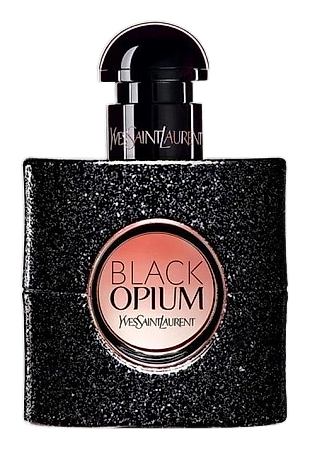
Honorine Blanc arrived in Paris at sixteen, leaving behind a childhood in Beirut she describes as lived between flowers and bombs. She carried with her a rigorous scientific foundation: a master's degree in math, physics, and chemistry. But something in perfumery called to her, its 'crystal ball' nature pulling her toward a different kind of creation. She enrolled at ISIPCA in Versailles, then made the pivotal move to New York, where Sophia Grojsman took her on as an intern at IFF. Grojsman became her mentor, shaping her understanding of what fragrance could be. Blanc joined Firmenich in 2005 and never left New York. Her breakthrough came with Black Opium, the 2014 YSL blockbuster she co-created as part of a four-perfumer team. The scent's massive success announced her ability to work at the highest levels of the industry, balancing commercial instinct with artistic conviction. Over two decades, she has built a portfolio spanning mass market and luxury, from Beyoncé to Estée Lauder to Aerin Lauder, always carrying Beirut's refined culture and her scientific precision with her.
The hits
Notable creations


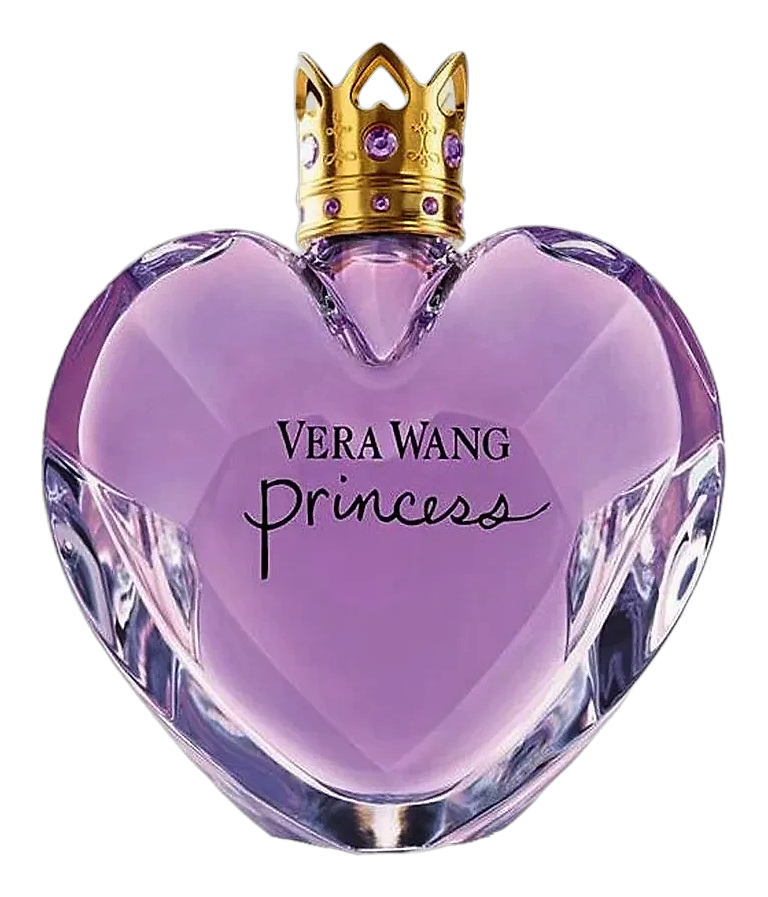
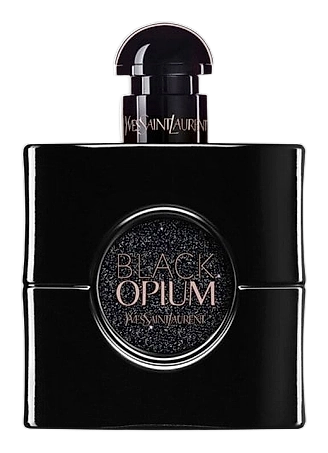
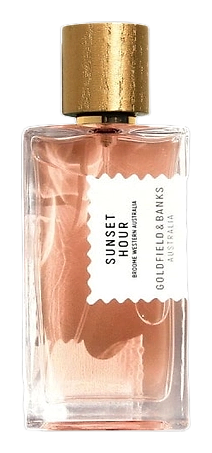
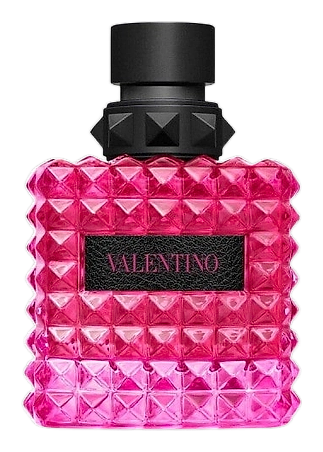
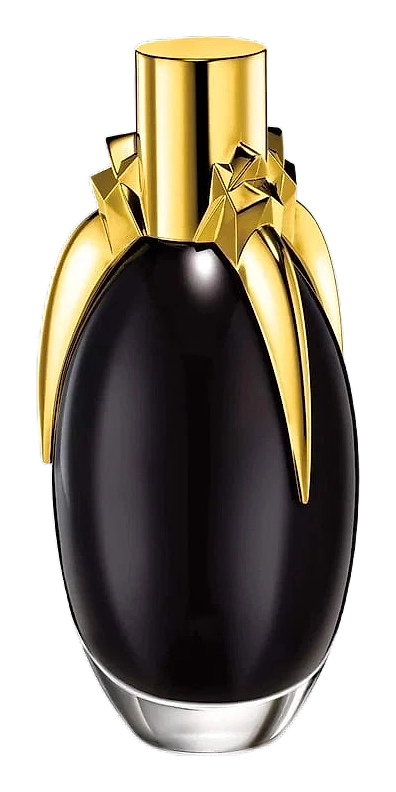
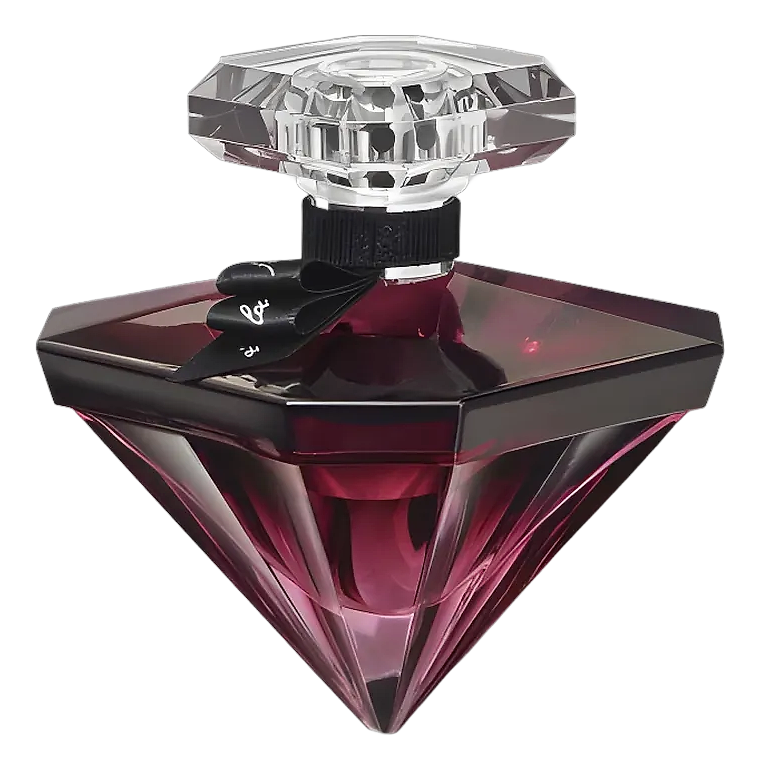
The signature
How Honorine composes
Blanc gravitates toward contrasts: sweet and dark, structured and sensual, familiar and surprising. She has a particular affinity for amber and gourmand notes, shaped by her Lebanese upbringing in an Ambrée culture. She builds fragrances with clarity and simplicity in their architecture, then layers in sensuality and that quality she calls addiction. She works quickly but thinks deeply, always wearing test compositions repeatedly across different occasions before committing. Her signature approach involves tension and provocation, finding the unexpected within conventional structures. Ingredients behave differently on skin over time, and she pays close attention to those transformations, using them as part of her creative palette.
Philosophy
What drives Honorine
Blanc works without rules. She wants to liberate herself, free her mind, explore new territory. That freedom, she says, is when she is most creative. She describes her ideal fragrance as imperfect and addictive, filled with tensions and emotions, structured enough to transport but sensuous enough to seduce. Understanding what each ingredient contributes, not its price tag, matters to her. She doesn't believe in perfection in the final product; she believes in the tension that makes someone keep coming back. Her process is intuitive and deeply personal. She feels her fragrances rather than simply smelling them, and she brings that same emotional intensity to every brief. For her, perfume communicates things words cannot.
The houses