




















Heritage
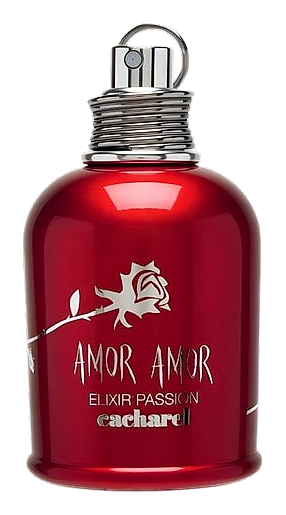
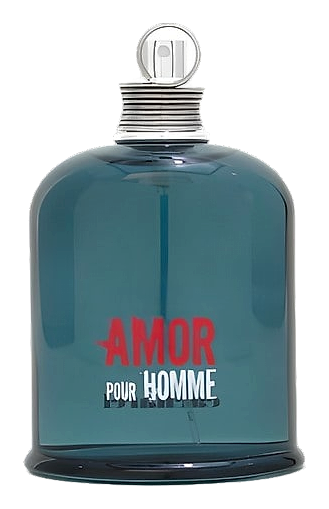
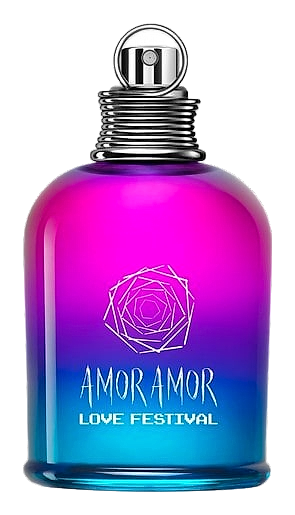
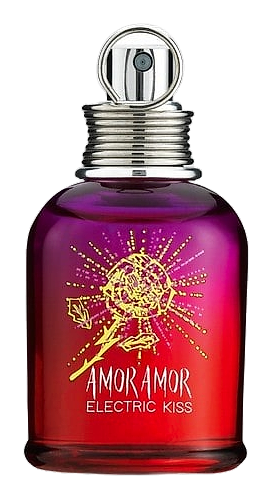
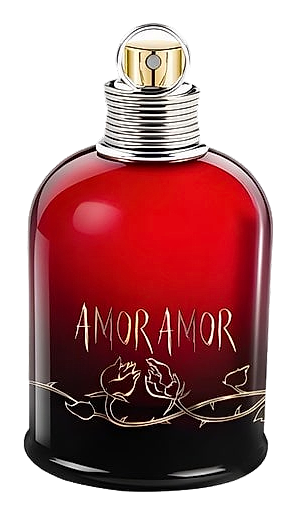
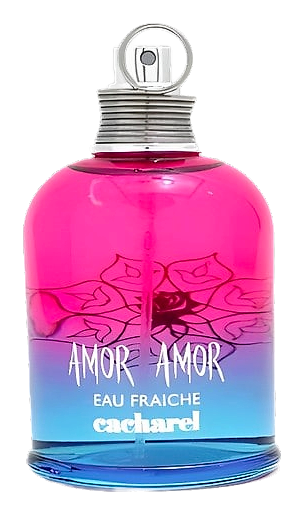
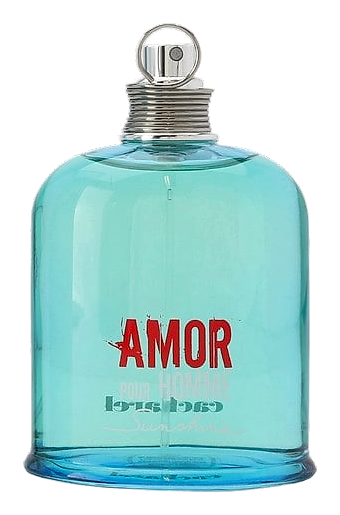
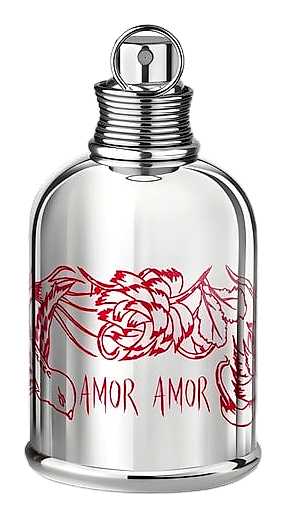
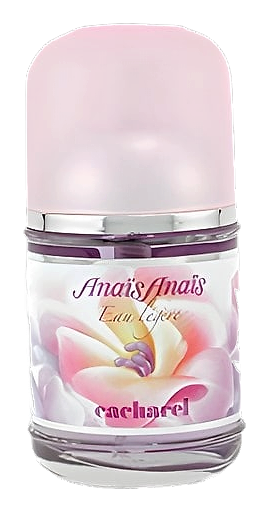
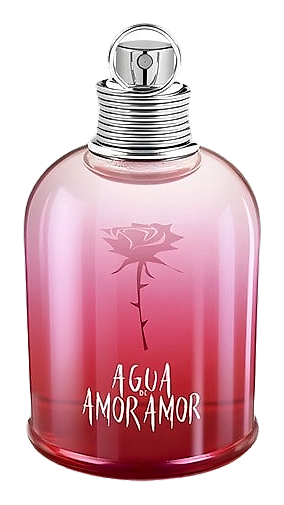
A house, in its own words
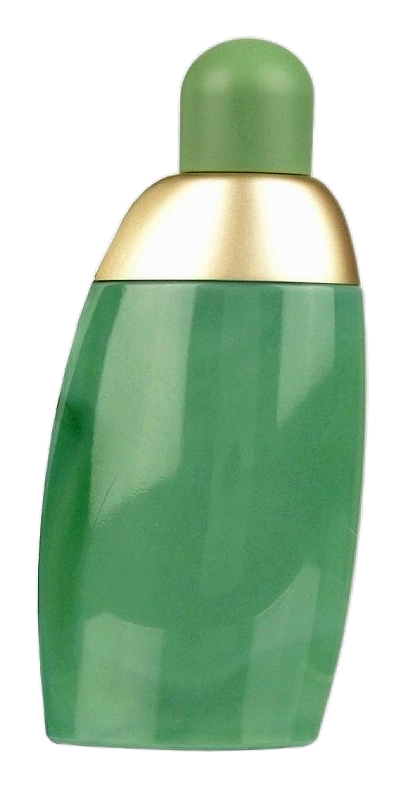
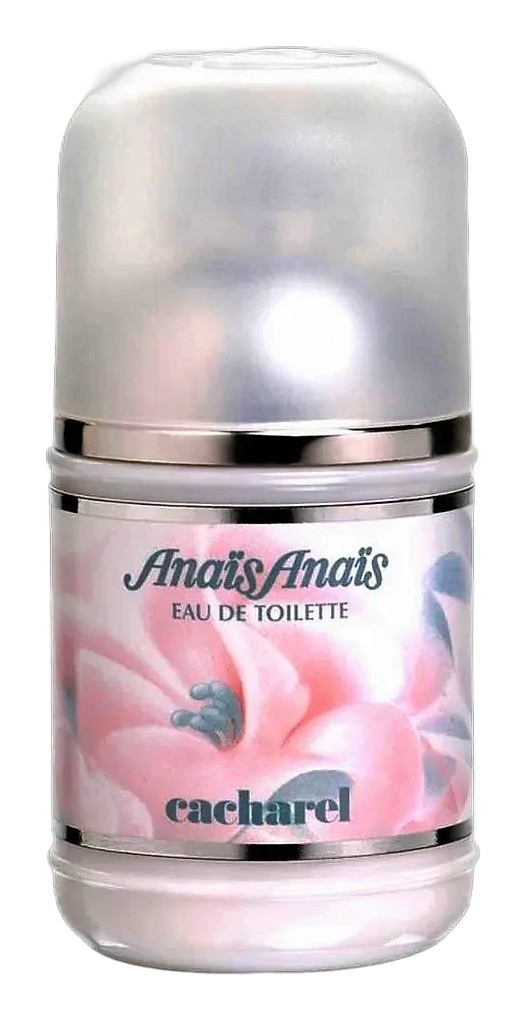
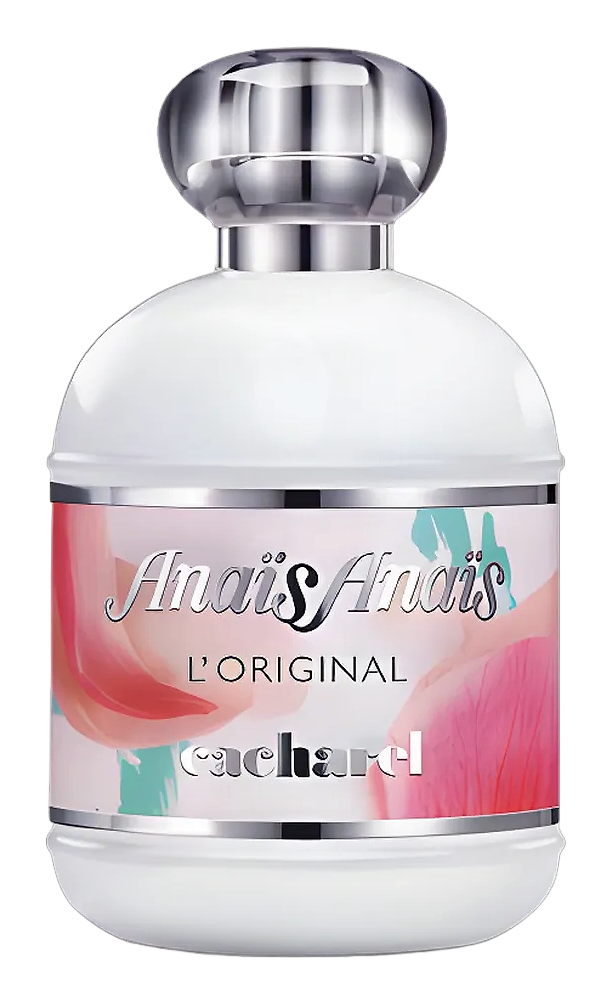
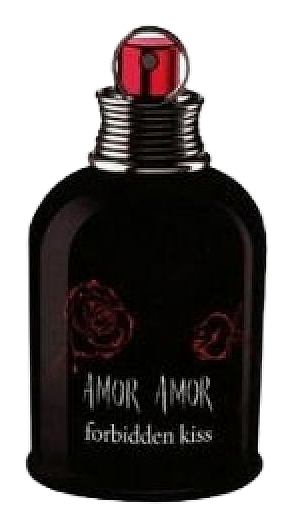
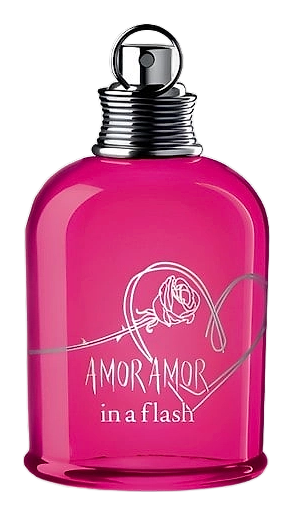
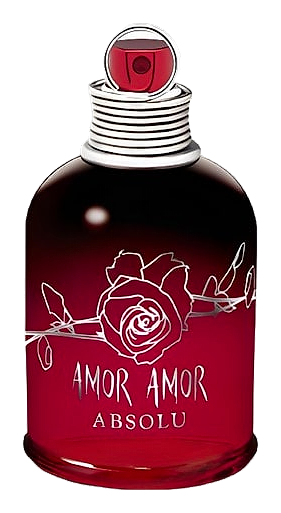
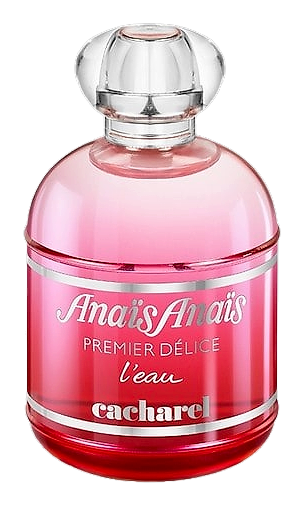
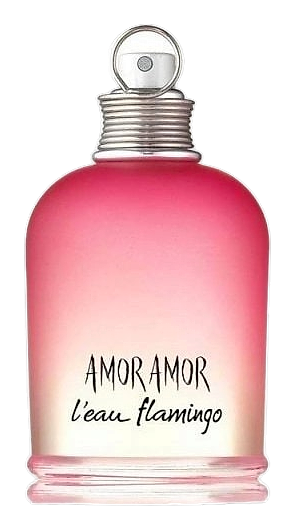
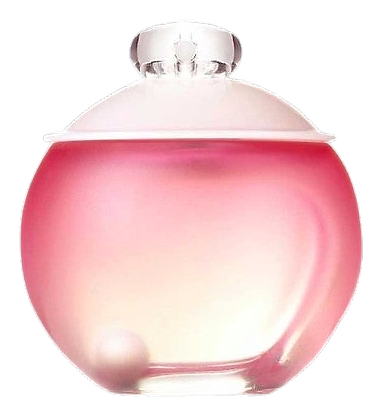
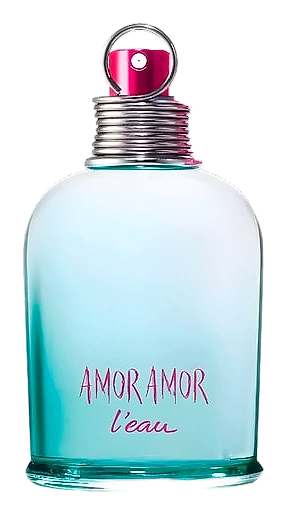
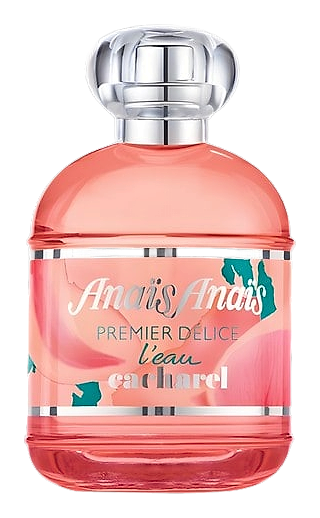
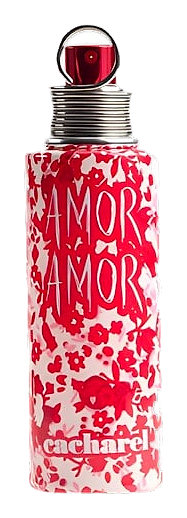
Jean Bousquet was practically born into fashion. His father sold sewing machines, so the rhythmic hum of stitches and the smell of fresh fabric were childhood constants. After training as a tailor at the Ecole Technique de Nimes, he worked as a designer for two years before making his move to Paris in 1958. He founded Cacharel in a tiny atelier in Le Marais, naming the house after a small duck native to the Camargue wetlands. The word evoked everything he wanted his brand to be: light, bright, and utterly free. The breakthrough came in 1963. French Elle put a Cacharel seersucker blouse on its cover, and suddenly the world wanted in. Those crisp, colorful shirts liberated women from the corseted constraints of haute couture. Bousquet pioneered the concept of pret-a-porter, bringing high fashion to the high street long before it was commonplace. By the late 1960s, Cacharel's Liberty print dresses were everywhere, from Paris's Left Bank to London's King's Road to Fifth Avenue. The fragrance chapter opened in 1978 with Anais Anais, a white floral that captured the brand's romantic soul. It became a phenomenon, reportedly pioneering the concept of designer fragrance at an accessible price point. Loulou followed in 1987, then Eden in 1994, Noa in 1998, and Amor Amor in 2003. Each scent embodied a different facet of Cacharel's playful femininity. Bousquet himself served as Mayor of Nimes from 1983 to 1995, a fascinating detour that saw him attempt to transform his hometown into a cultural capital. Today, Cacharel operates under L'Oreal's ownership, with creative direction passing through various talented hands including Clements Ribeiro and, since 2011, designers Ling Liu and Dawei Sun. Cacharel has always believed that femininity should feel effortless, not performative. The brand's core philosophy centers on youthful romance without pretension. Where other French houses might chase haute couture grandeur, Cacharel celebrates the girl next door, the student on her scooter, the young professional finding her footing. There's a democratic spirit here. Beauty shouldn't require a trust fund. This philosophy extends to fragrance. Cacharel scents are designed to be worn, not worshipped. They're approachable, wearable, and emotionally direct. Anais Anais doesn't try to be mysterious. It wants to smell like white flowers and possibility. Amor Amor doesn't whisper. It declares itself with fruity exuberance. The brand trusts its audience to know what they like, and gives it to them without unnecessary complications or artistic pretension.