The Story
Why it exists.
The beginning
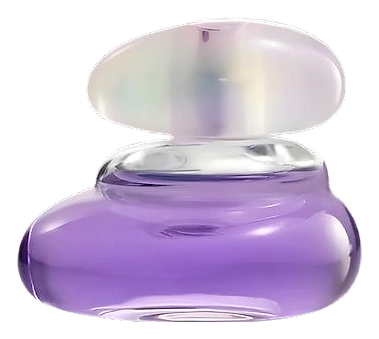
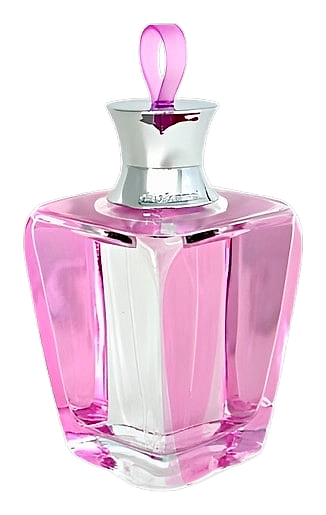
Promesse arrived in 2005 from Sophie Labbe and Carlos Benaïm, two perfumers who understood that Cacharel's audience doesn't want to be impressed, they want to be transported. The brief was simple: effortless French femininity, no ceremony required. Where other houses were reaching for complexity, Promesse aimed for clarity. The name says it all. This is a fragrance about anticipation, the moment before, not the moment itself. It's built for someone young enough to believe that a spring afternoon could change everything, and confident enough to wear that belief openly. Labbe and Benaïm chose orchid as the structural heart precisely because it's underused at this price point. Not the theatrical orchid of niche perfumery, something quieter, creamier, more human. The result is a fragrance that smells like a promise kept: consistent, warm, and entirely without pretension.
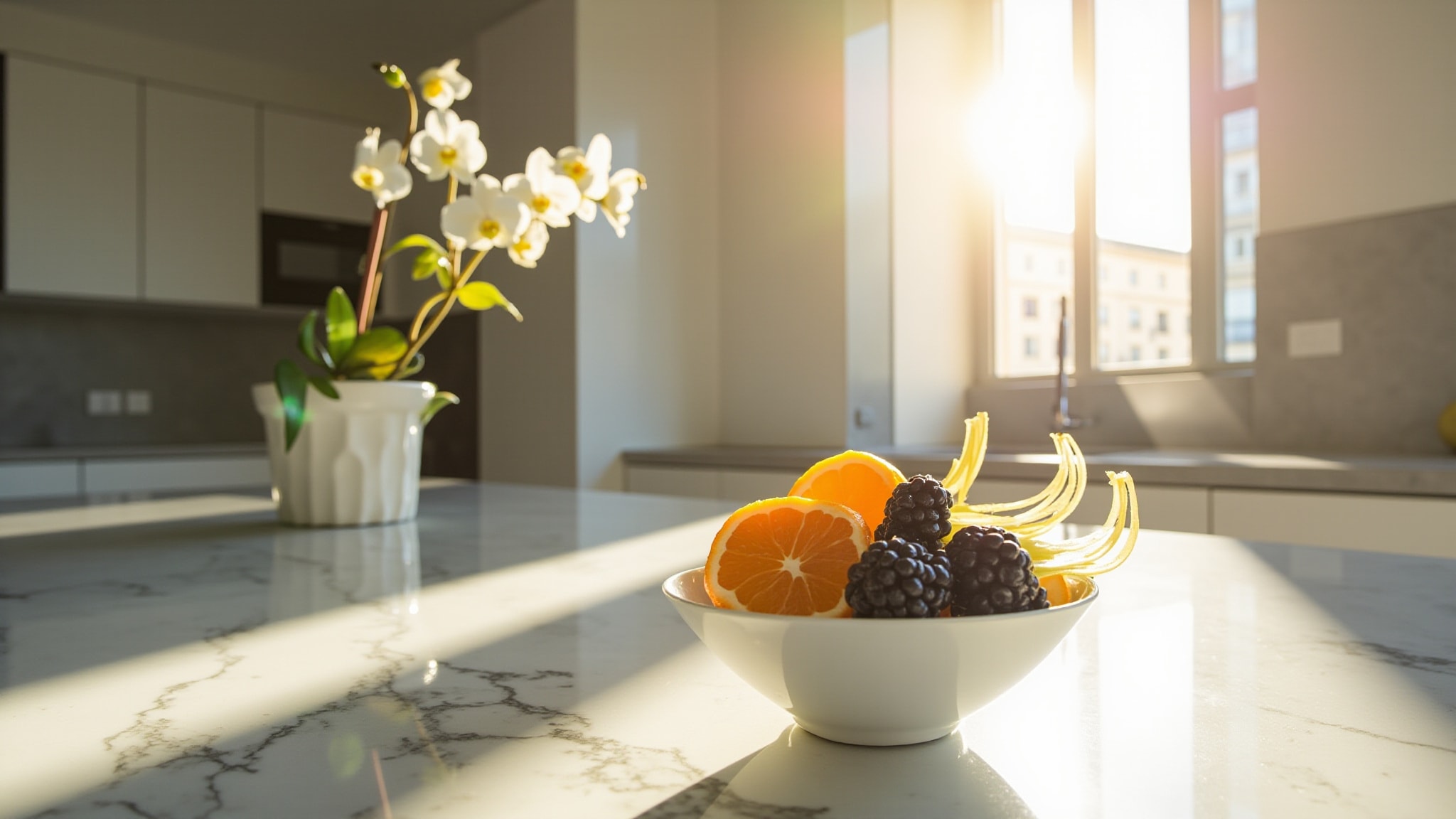
The real interest in Promesse lies in its heart. Orchid is unusual in accessible French perfumery, it reads creamier than jasmine, less heady than tuberose, and brings a slightly powdery warmth that pulls the entire composition together. the community lists violet in the heart alongside orchid and jasmine, a combination that gives the middle phase a soft, slightly sweet character rather than a bold floral statement. Combined with the blackberry top, tart and bright against the creaminess below, the fragrance avoids the generic fruity-floral trap. The base of cedar, sandalwood, musk, and amber keeps things grounded without heaviness.
The evolution
The opening hits immediately with blackberry's tartness cutting through the mandarin sweetness, bright, almost sharp, like biting into fruit that's still cold from the fridge. Bergamot softens the edges within minutes. This phase lasts roughly twenty to thirty minutes before the florals take over. The handoff to orchid is seamless. Jasmine arrives alongside it, and suddenly the fragrance becomes warmer, creamier, less about fruit and more about feeling. The violet adds a powdery breath that keeps everything tender. By hour two, the drydown begins its slow arrival. Cedar and sandalwood ground the florals while amber and musk add warmth that builds quietly against the skin. The sillage drops to intimate, moderate at most, which means you're not filling a room, you're leaving a trace. On fabric, the cedar lingers for hours after the florals fade. The musk settles into something close and personal, the kind of warmth you find in a scarf left on a chair. Lasts six to eight hours on most skin types.
Cultural impact
Promesse sits comfortably within Cacharel's tradition of accessible French femininity, designed to be worn, not worshipped. Launched in 2005, it targets the same demographic that made the house famous: young women finding their footing, believing in spring afternoons and long-term potential. The fragrance doesn't try to compete with niche compositions or luxury statements. Its positioning is deliberately democratic, beauty without a trust fund, romance without complication. Where other houses were chasing complexity and longevity extremes, Promesse offered something simpler and rarer: a well-made scent that doesn't demand your full attention to be enjoyed.