Blackberry
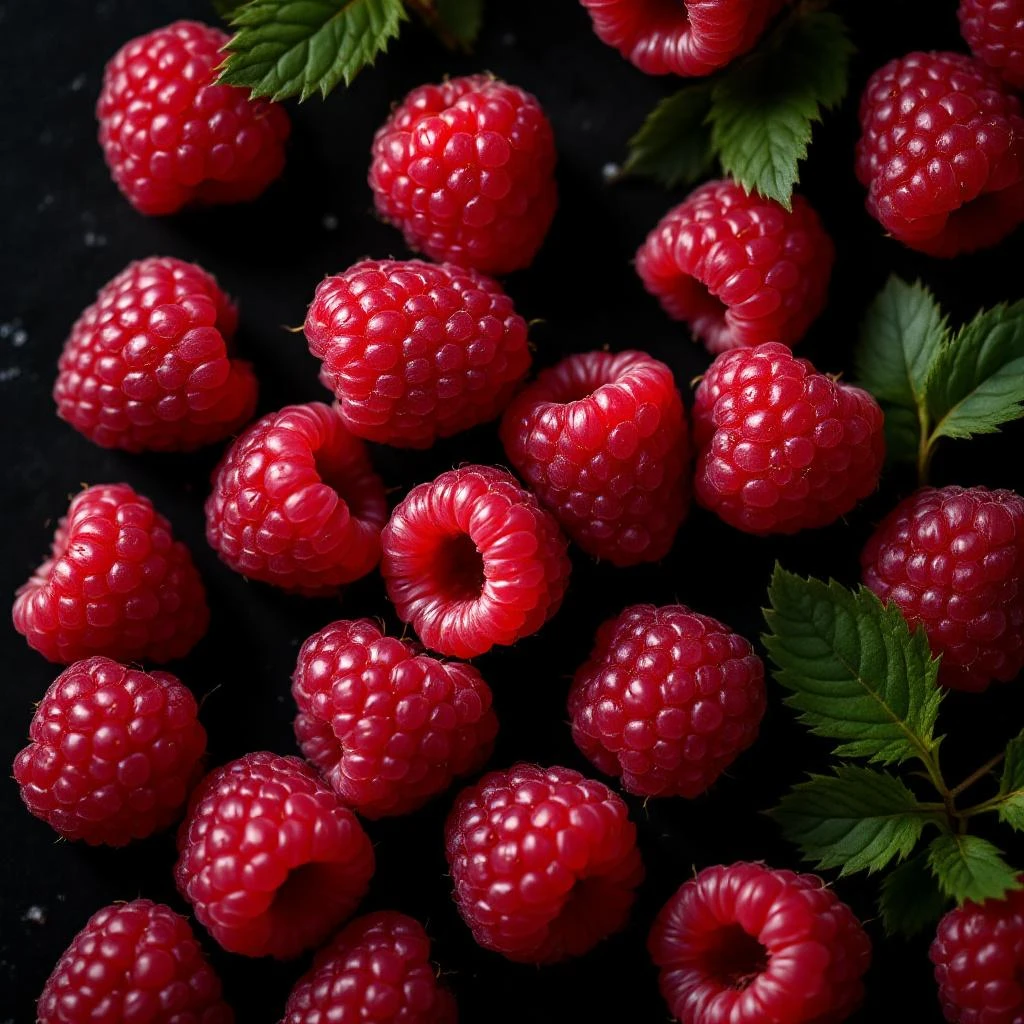
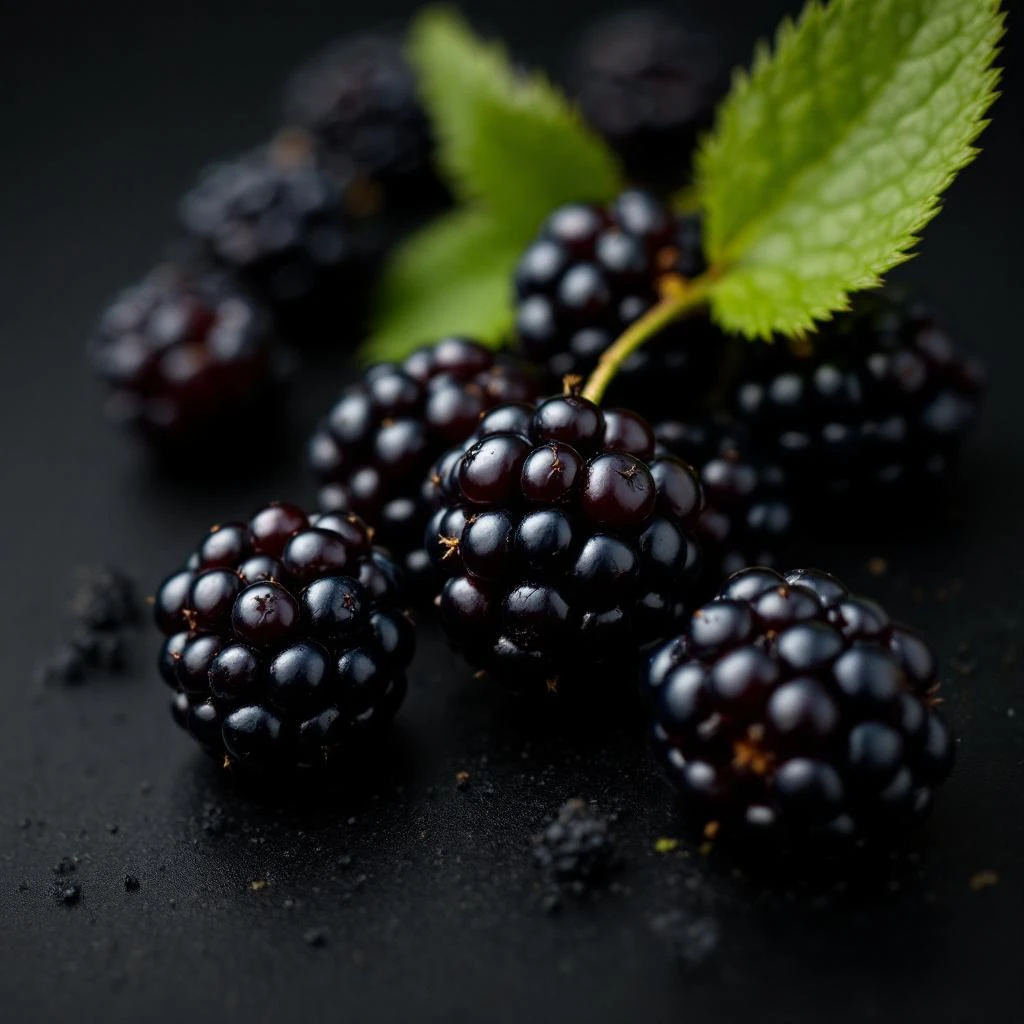
Blackberry is a synthetic fruity accord capturing the berry's signature tartness and sweetness. It brings a bright, juicy quality to fragrance top notes, pairing exceptionally well with florals and other red fruits.
Character
How it smells
Wild bramble sweetness recreated through modern chemistry
The Celts considered blackberries sacred to fairies, and according to English folklore, passing beneath a bramble archway was believed to cure various ailments.








Origin
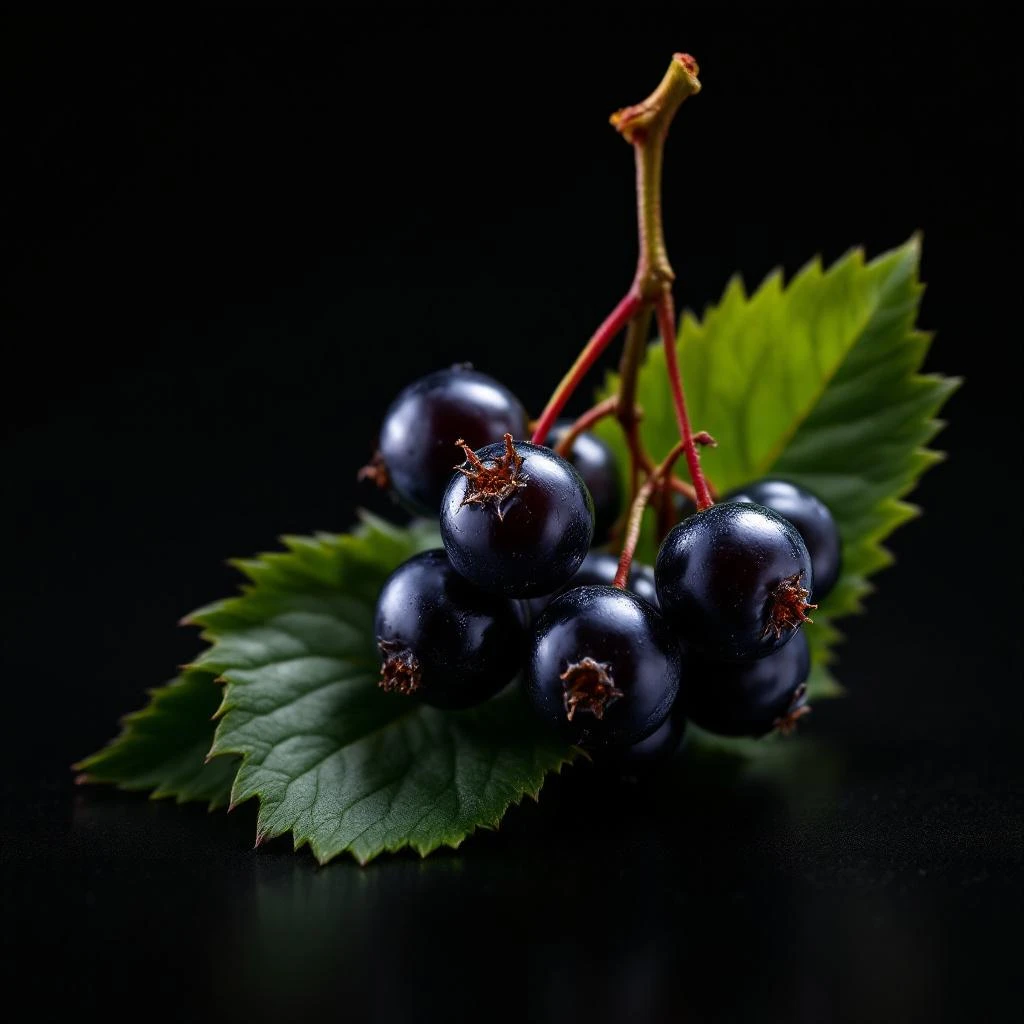
North America and Europe
Blackberries carried rich symbolism long before entering the perfume industry. The Romans documented medicinal uses, while Celtic traditions held the berries sacred to fairies and other mythical beings. English folklore credited bramble archways with curative powers, and Christian tradition connects the bramble to the crown of thorns, explaining why berries shift from red to black. These layered histories gave blackberry unexpected depth as a perfumery material.
The fruit entered perfumery in the early twentieth century, though natural extraction proved impractical due to seasonal availability and rapid spoilage. The pivotal advance came in the 1920s when organic chemistry enabled scientists to analyze and synthetically reproduce fruity aromatic molecules. This breakthrough opened the door for blackberry's systematic use in fine fragrance.
L'Artisan Parfumeur's Mure et Musc in 1975 marked a defining moment for the note. The fragrance established blackberry as a sophisticated, wearable perfumery ingredient rather than a novelty. Nearly fifty years later, blackberry remains popular across women's fragrances, unisex compositions, and modern gourmand creations. The note endures because it delivers something rare: an immediately recognizable fruit character grounded in centuries of cultural memory.
Wears it best
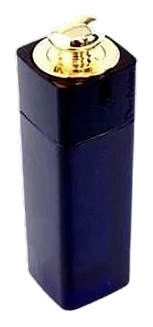
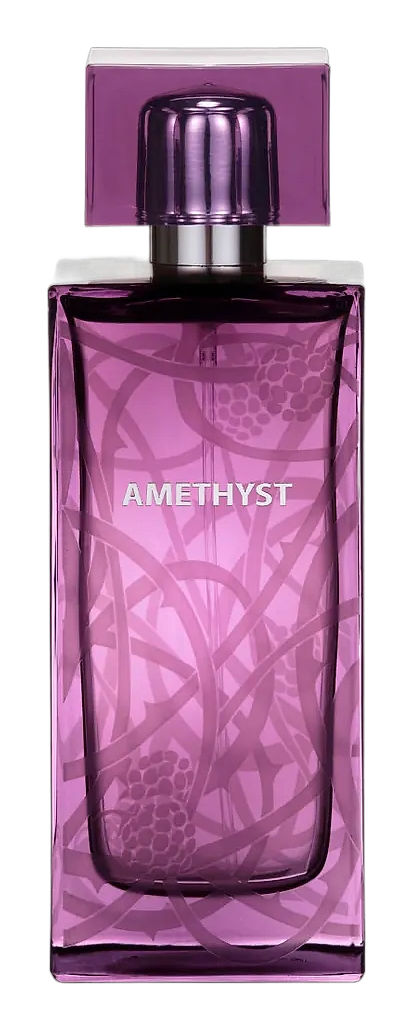
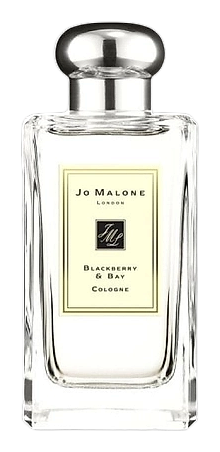
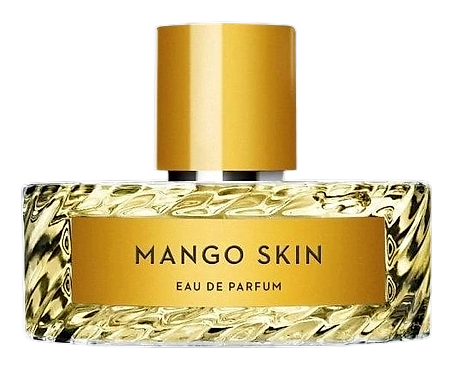
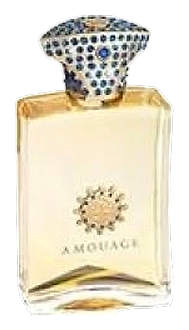
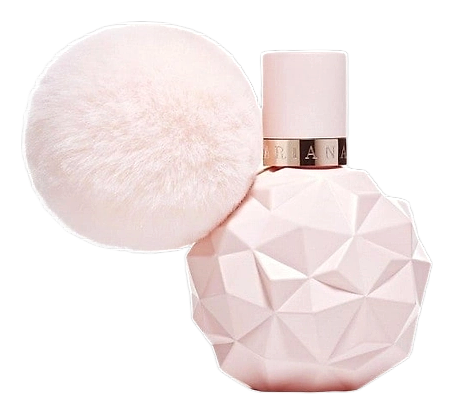
Fragrances featuring Blackberry





Brands
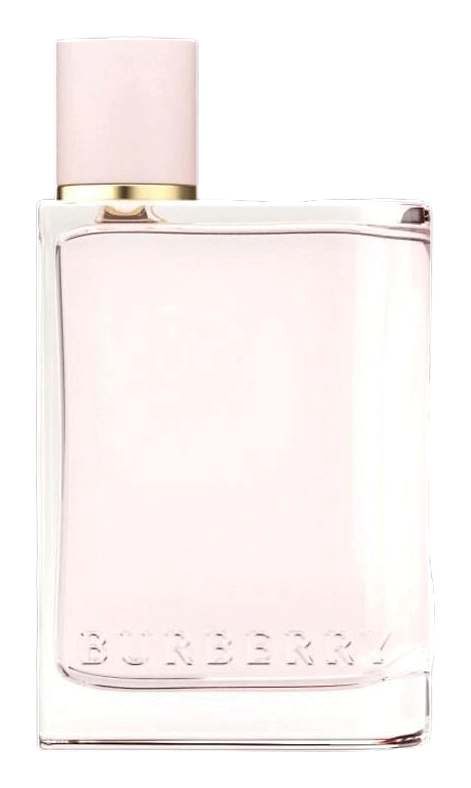
Brands known for Blackberry
Good to know
Questions, answered
The essentials on Blackberry in perfumery: how it smells, where it comes from, and how it behaves on skin.
What does Blackberry smell like in perfume?
Blackberry in perfume smells bright, tangy, and sweet with a distinctly juicy character. It captures the fruit's natural balance between tartness and ripeness, delivering fresh berry warmth without becoming overly sweet. The effect is multidimensional, combining sharp top notes with softer, jammy undertones that evoke sun-warmed berries on the vine.
Why is Blackberry used in perfumery?
Blackberry delivers immediate fruity brightness that creates an inviting opening in fragrance compositions. The note bridges floral and fruity fragrance families, adding warmth and accessibility. Since blackberry became synthetically reproducible in the 1920s, it has become a reliable perfumery workhorse valued for its consistency and versatility across fragrance styles.
Is Blackberry in perfume natural or synthetic?
Blackberry is always synthetic in perfumery because the fruit yields no extractable essential oil. Its aromatic compounds are too delicate and volatile for conventional extraction, and the fresh fruit spoils too quickly to be practical. Perfumers build the accord from approximately 8 to 15 aroma chemicals that together recreate the berry's characteristic scent profile.
What famous perfumes contain Blackberry?
Blackberry appears in several iconic fragrances including L'Artisan Parfumeur Mure et Musc (1975), which pioneered its use in fine fragrance. The note also features in Marc Jacobs Daisy Dream, Aquol an Pink, and Lancome La Vie Est Belle. Mure et Musc introduced blackberry to fine perfumery nearly fifty years ago, and the note has since spread across luxury and mass-market categories alike.
Is Blackberry a top note, heart note, or base note?
Blackberry functions primarily as a top note, providing an immediate burst of fresh, fruity brightness when fragrance is applied. The volatile compounds evaporate within the first 30 to 60 minutes of wear. Some perfumers layer blackberry accord throughout development to extend its presence, but its natural volatility prevents it from serving as a heart or base note.
What notes pair well with Blackberry in perfume?
Blackberry pairs naturally with other red fruits including raspberry, strawberry, and currant, creating layered berry accords. The note combines beautifully with white florals like jasmine and neroli, which soften its tartness. Woody notes such as cedar and sandalwood ground the fruit, while musk and vanilla provide warm, lingering bases that complement blackberry's sweetness.
Where does Blackberry come from?
The blackberry plant originates from temperate regions of Europe, northwest Asia, and North America, where it has grown wild since prehistoric times. Archaeological evidence shows blackberries were foraged as early as prehistoric eras. Modern commercial cultivation centers on North America and Europe, with major producers including Oregon, Mexico, and Serbia. The berries themselves never enter perfumery; the scent is entirely synthetic.
Is Blackberry used in men's or women's fragrances?
Blackberry appears predominantly in women's fragrances but has expanded into unisex and masculine compositions. The fruity-fresh character integrates well with aromatic and woody masculine fragrance structures. Gender-neutral and Unisex perfumes increasingly feature blackberry, reflecting modern consumer preferences that reject rigid gender categories. The note's versatility transcends traditional market segmentations.