The Story
Why it exists.
The beginning
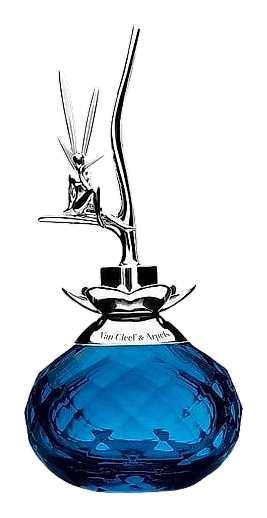
In 2008, Antoine Maisondieu set out to translate something Van Cleef & Arpels had spent decades perfecting in other mediums, the fairy tale. The house name already promised enchantment; Feerie delivers it in scent form. A jeweler who makes fragrance is a storyteller by another means, and this composition carries that legacy: precious materials treated not as ingredients but as ideas. The violet was chosen not as a filler note but as the architecture. Everything else, the blackcurrant, the rose, the iris, supports a single proposition: beauty doesn't have to announce itself to be felt.
What makes Feerie work is the restraint. Cassis and mandarin open the way a proper story begins, in medias res, with something already happening. The Bulgarian rose doesn't bloom so much as hover, present but not demanding. Jasmine adds warmth without sweetness. And then the iris arrives, not as a base note but as a thesis statement: the story isn't over, it's just gotten quieter. Vetiver keeps the whole thing from floating away. It's the scent equivalent of looking at a jewel and knowing someone spent months getting the light to hit it just right.
The evolution
The first twenty minutes are all promise. Violet leaf and cassis arrive crisp and slightly green, the mandarin adding a bright edge that cuts through whatever else is in the room. Then the fruit softens. The rose takes its place, not loud, not showy, just there, like someone who arrived early and is content to wait. The jasmine adds warmth in the middle hours, but it's the iris that becomes the real story. Somewhere around hour three, the composition shifts from floral to powdery, and the vetiver anchors everything without dragging it down. On fabric, it lasts until the next wash. On skin, expect six to eight hours of something that smells like it was made for you specifically.
Cultural impact
Feerie arrived in 2008 as Van Cleef & Arpels' first serious foray into haute perfumery, translating the jeweler's fairy-tale DNA into a wearable composition. At a time when niche fragrance was emerging and consumers were developing more sophisticated palates, Feerie offered a bridge between accessible luxury and artistic perfumery. The violet-forward composition aligned with a broader revival of powdery florals in late 2000s perfumery, a departure from the sweet gourmand trends of the early 2000s. The fragrance introduced many wearers to the concept of iris as a base note, shifting interest from the more common amber and vanilla foundations. Its quiet confidence, present but never aggressive, resonated with consumers who wanted sophistication without announcing it.