
The Story
Why it exists.
The beginning
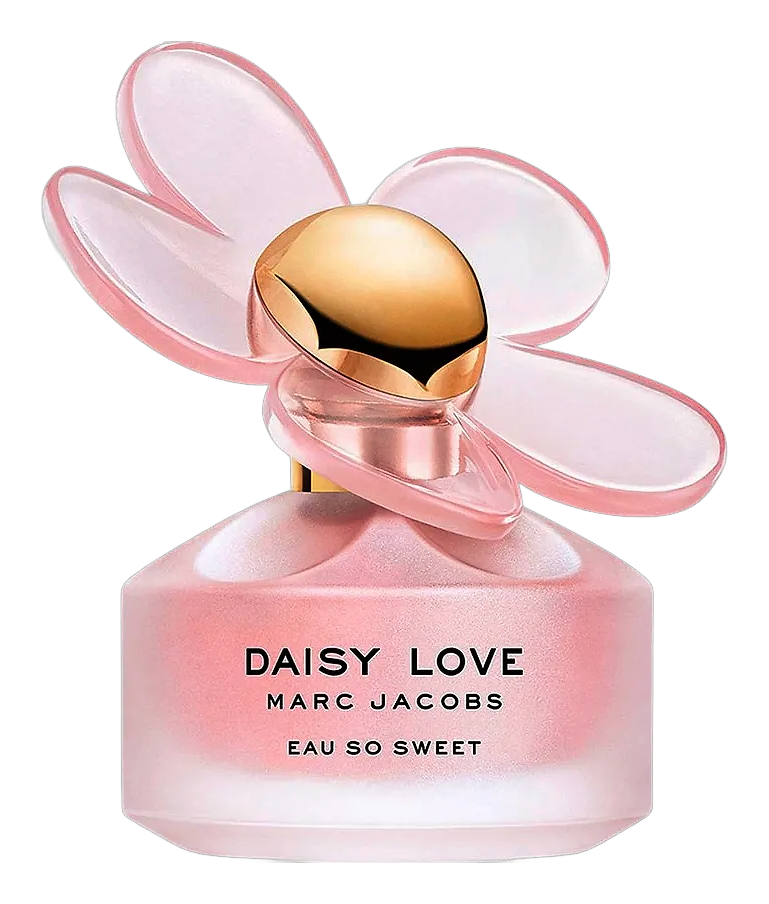
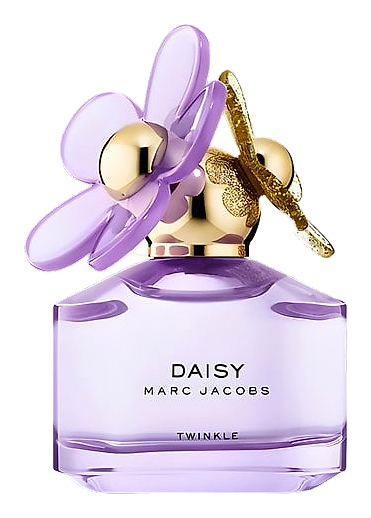
Daisy Twinkle, released in 2017 as part of a limited late-year trio, layers violet and white florals over white woods to create something that moves close to the skin. The composition builds quietly, with delicate floral notes intertwining with soft woody undertones, producing a scent that feels intimate and carefully considered rather than bold or announced.
What makes Twinkle interesting is its balance between bright opening notes and woody undertones. Red berries give the top a tart immediacy, brief and almost sharp, before violet and white flowers arrive with something softer, powdery, and feminine. The white woods base provides a clean, creamy finish that doesn't project so much as linger. The result is a fragrance that stays close rather than filling a room.
The evolution
The opening hits fast, violet leaf and red berries, bright and tart, like something just pulled from cold storage. That snap lasts maybe fifteen minutes. Then the berries recede and violet moves forward, joined by white flowers that add a clean, ozonic lift. The whole heart phase has a powdery quality that feels soft and familiar, almost like a memory of florals rather than the florals themselves. The drydown is where the white woods do their work. Not dramatic. Not loud. A subtle warmth that settles into the skin and holds, slowly fading into something clean and quiet. What surprises is how clean it stays throughout. No syrup, no spice, no crash. Just violet and clean wood, fading quietly into the skin.
Cultural impact
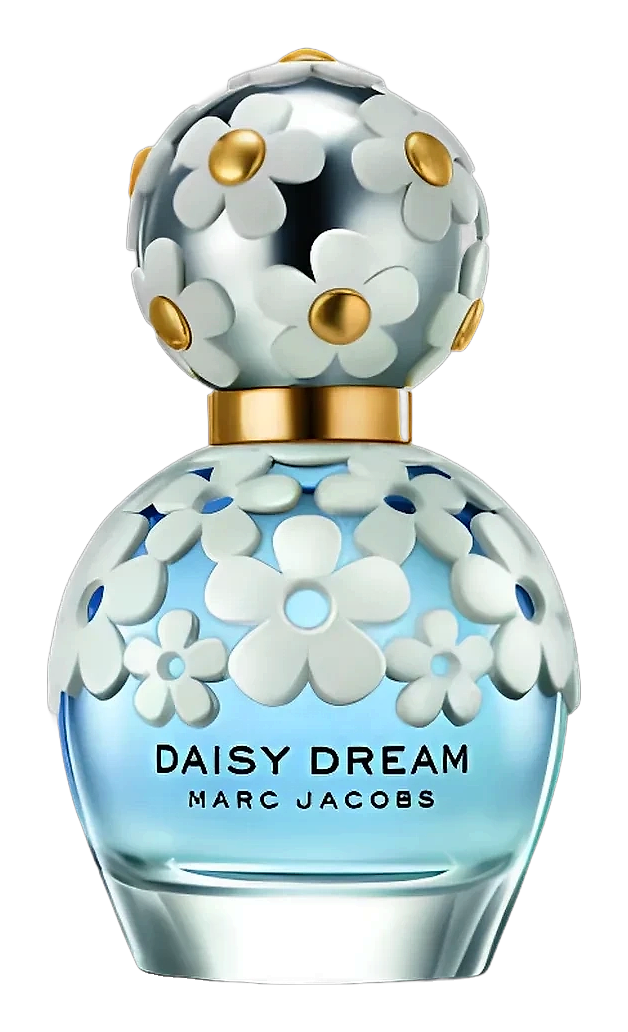
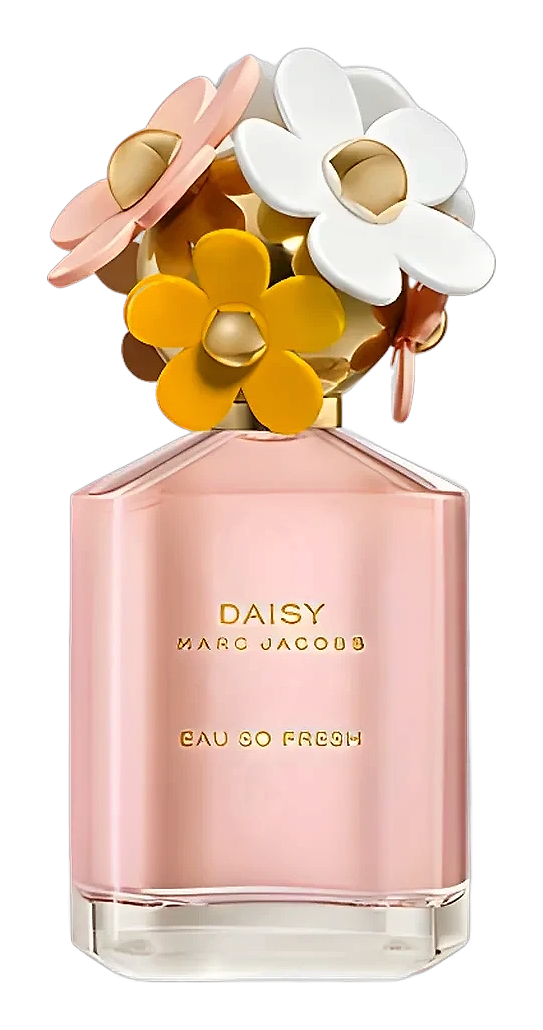
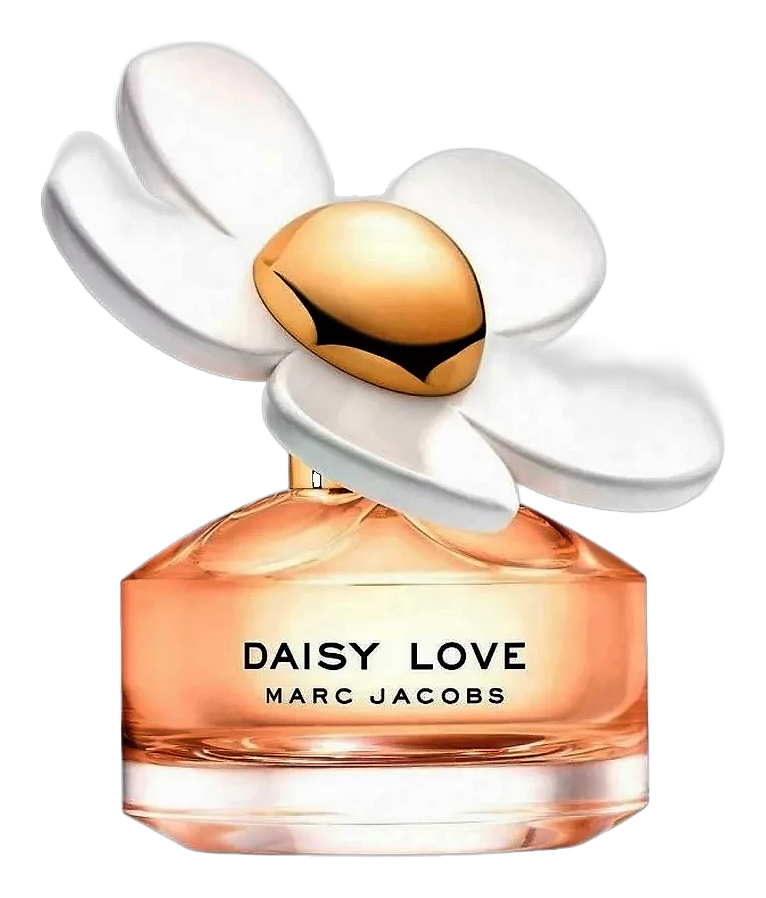
Daisy Twinkle continues Marc Jacobs' celebration of youthful femininity within the iconic Daisy franchise. The fragrance offers an entry point into the Marc Jacobs universe. Its playful positioning and charming bottle design reflect contemporary attitudes toward fragrance as a form of personal expression rather than status symbol. The Twinkle name suggests starlight and magic, positioning this scent as aspirational yet attainable for consumers who value authenticity over exclusivity.
The House
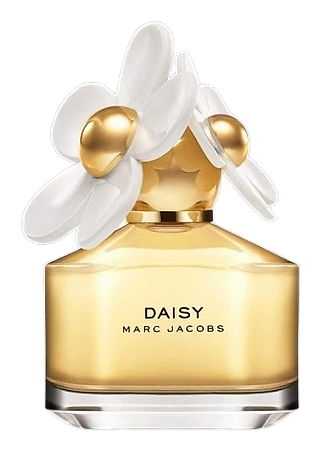
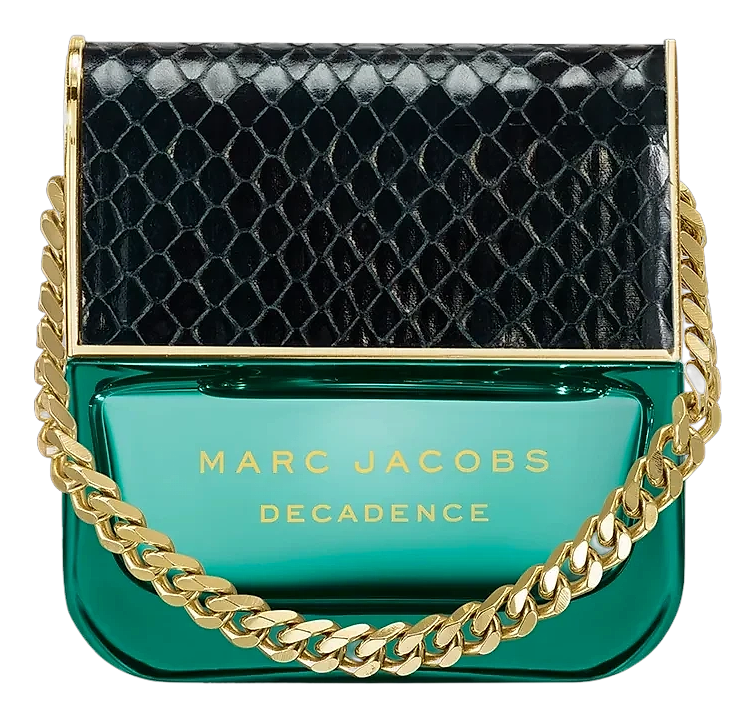
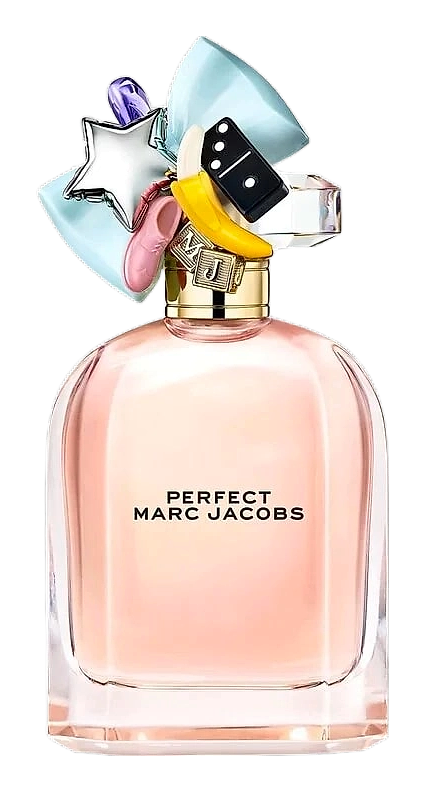
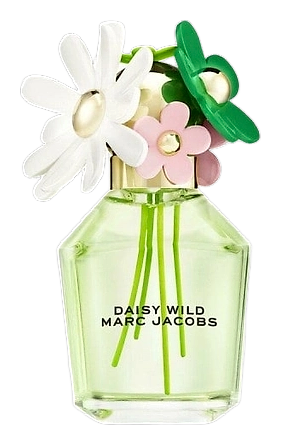
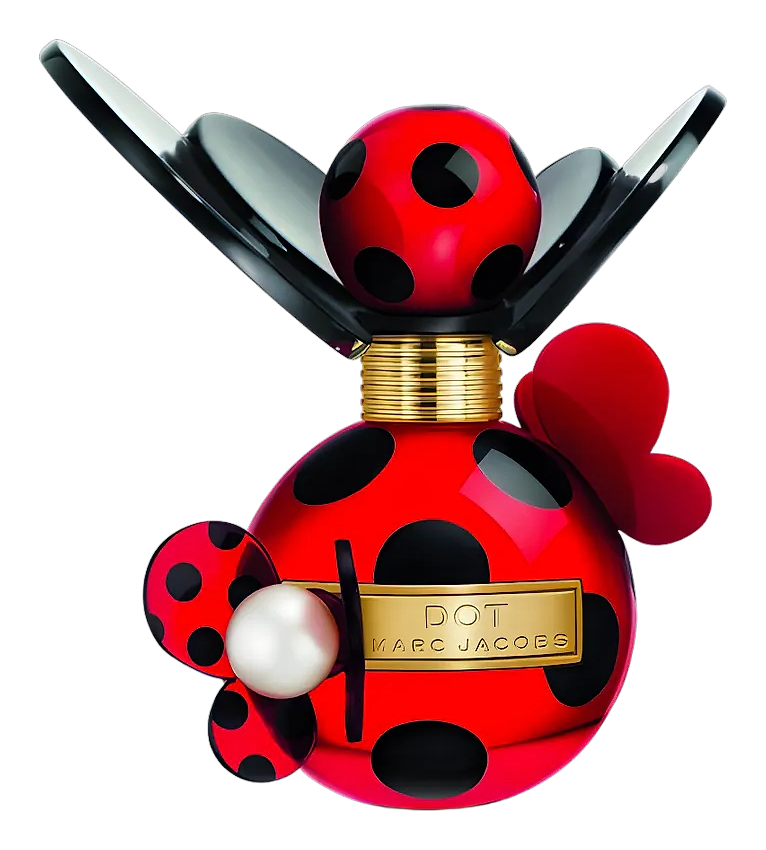
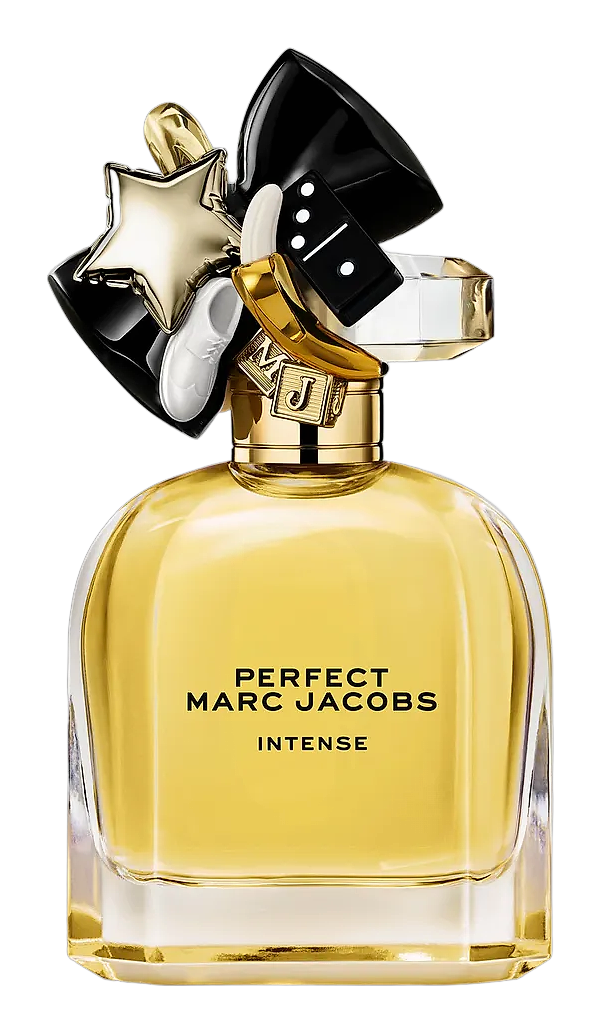
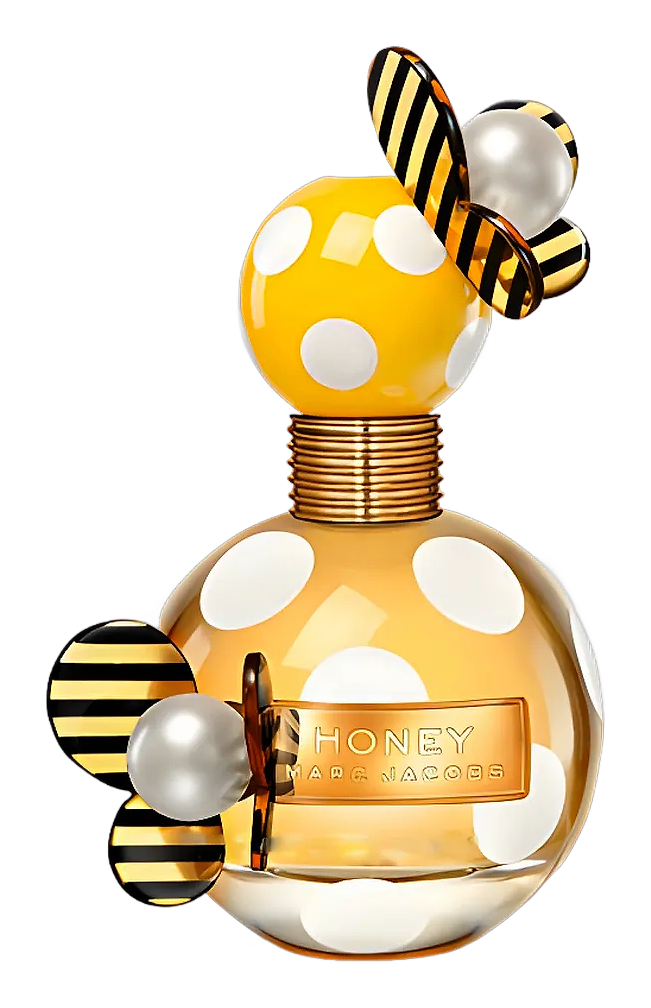
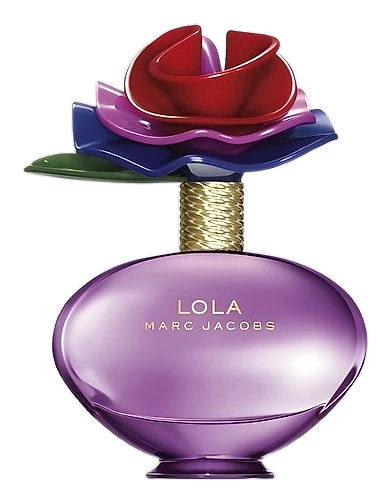
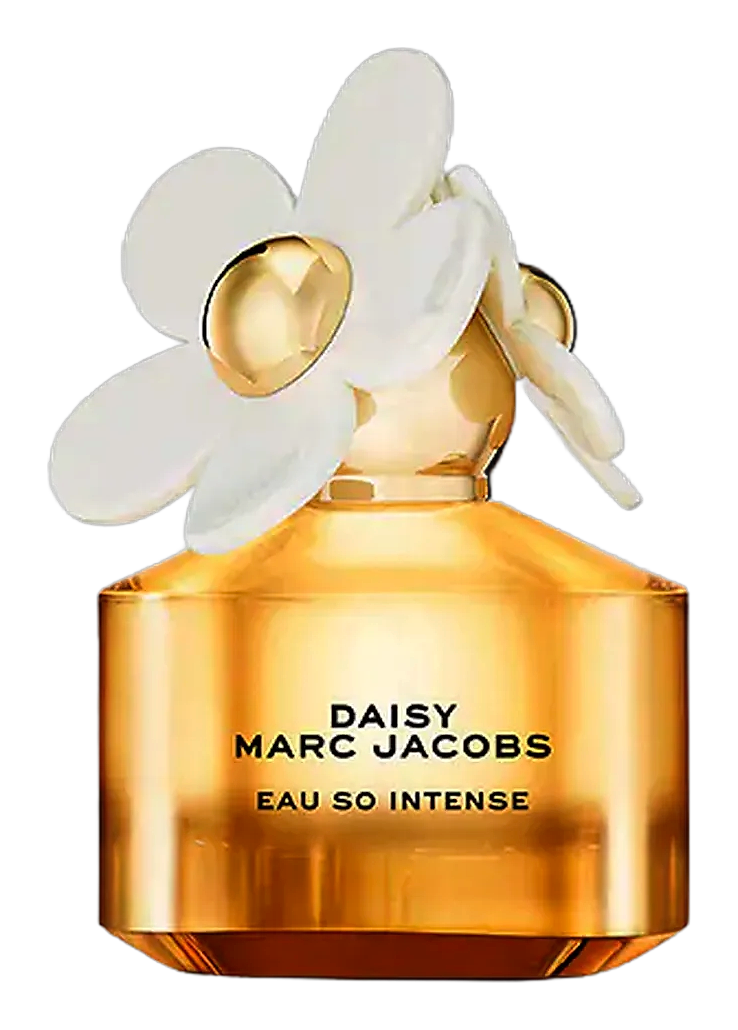
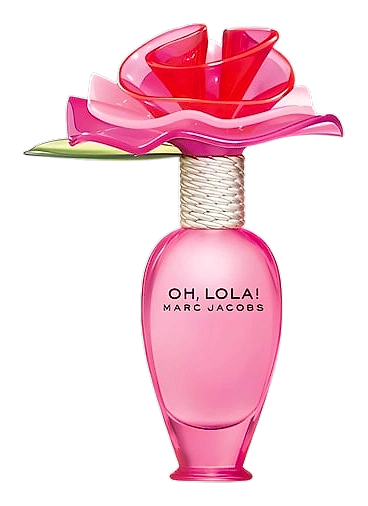
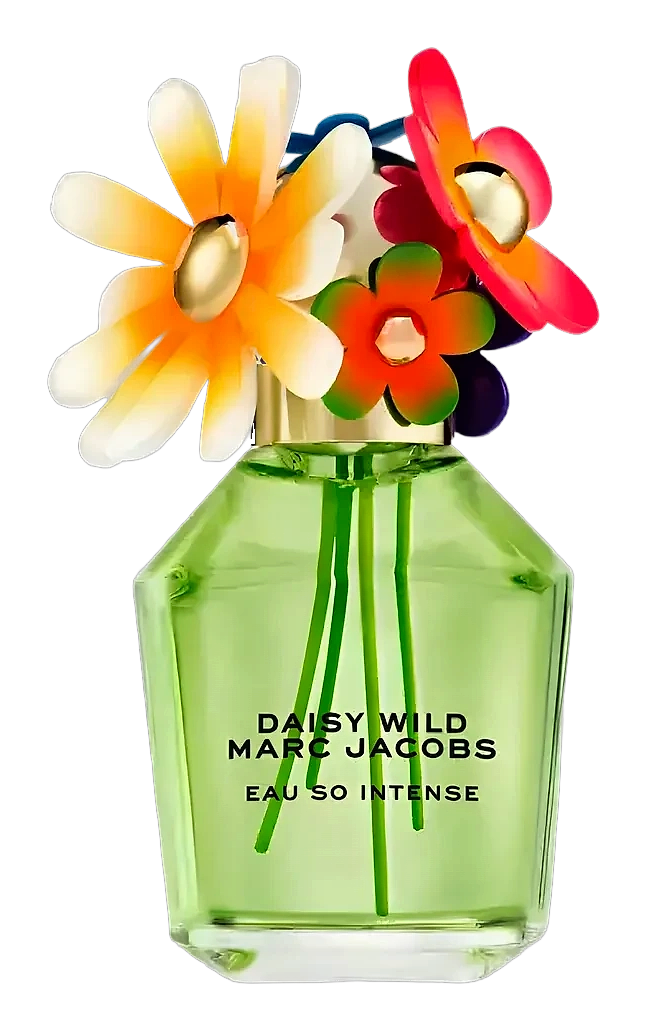
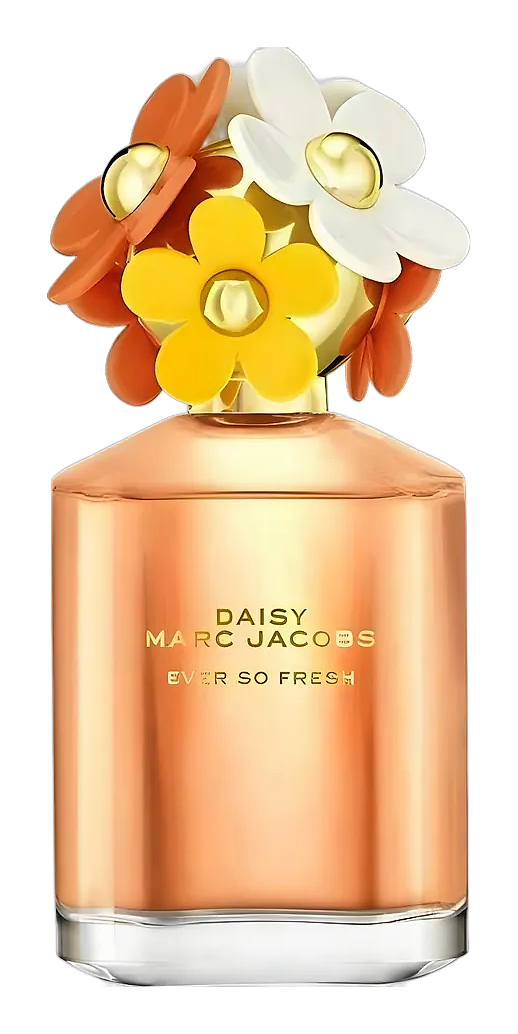
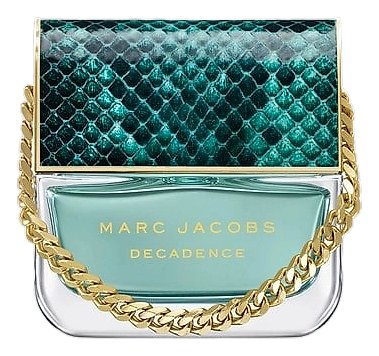
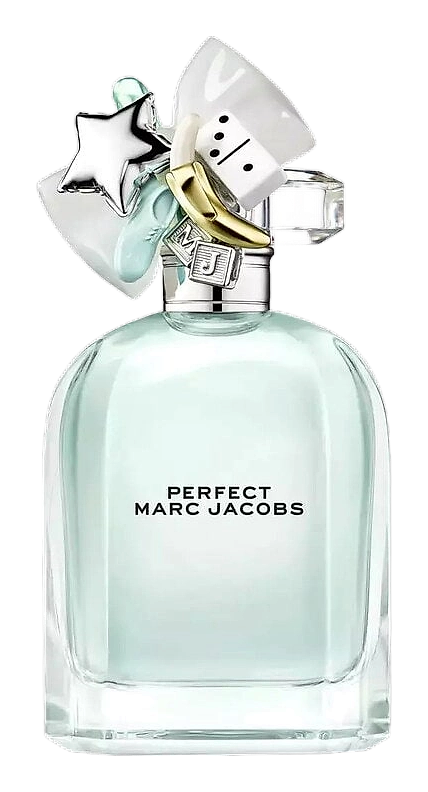
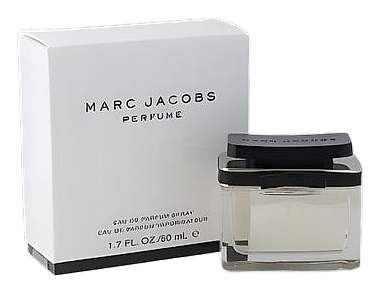
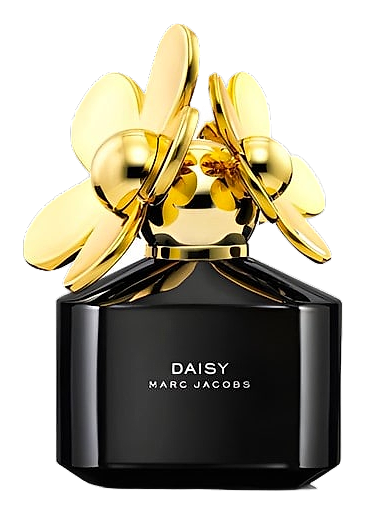
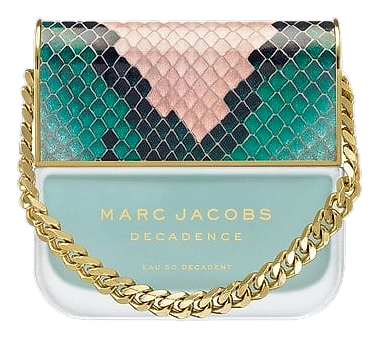
Marc JacobsMarc Jacobs fragrances, produced under license by Coty, launched in 2001 with Marc Jacobs for Women, followed by a companion men's scent in 2002. The brand has since built an extensive portfolio of fragrances anchored by signature lines including Daisy (2007), Lola (2009), Decadence (2015), and Perfect (2020). Daisy, named after Daisy Buchanan from F. Scott Fitzgerald's The Great Gatsby, quickly became a defining success for the brand, spawning numerous flankers and variations across multiple collections. The line's visual identity, with its oversized daisy cap atop a clean bottle, became one of the most recognizable silhouettes in contemporary perfumery. Decadence introduced a handbag-shaped bottle on a gold tasselled chain, a notably unconventional vessel for fragrance at the time of its launch. The brand has collaborated with a broad roster of perfumers over the years, including Annie Buzantian, Ann Gottlieb, Steve DeMercado, Loc Dong, Alberto Morillas, and Calice Becker, among many others. Marc Jacobs fragrances are available at major department stores worldwide and online.
The Creator
Alberto MorillasMorillas' style is characterized by a luminous transparency and a masterful use of musks. He often incorporates citrus notes to create a bright, uplifting effect.