
The Story
Why it exists.
The beginning
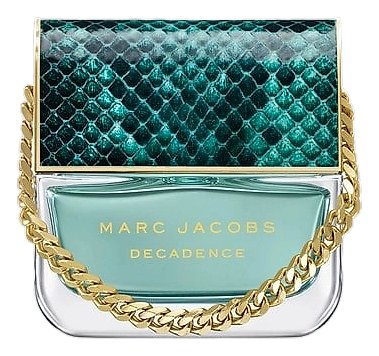
The original Decadence arrived in 2015 as Marc Jacobs' first fragrance built for a more mature wearer, something with sex appeal and sophistication. Divine Decadence came one year later, in 2016, as a lighter counterpoint. Where the original leaned into dark, shadowy luxury, this one wanted to be luminous. The brief was simple: take the same sense of self-chosen glamour and give it some sunlight. Perfumer Annie Buzantian built the composition around sparkling Champagne notes and creamy orange blossom, letting florals do the heavy lifting rather than the deeper woods and resins of its predecessor. It was never meant to replace Decadence, it was meant to expand the story.
What makes Divine Decadence interesting structurally is the tension between its aldehydic, almost synthetic quality and the lush white florals at its heart. Gardenia brings that creamy, slightly indolic richness; honeysuckle adds a green, almost dewy dimension; hydrangea rounds the middle into something soft and rounded. The base is warm without being heavy, vanilla and liquid amber give it weight, but the saffron keeps things slightly spiced, almost resinous. The aldehydes are doing something deliberate: they're giving the florals a mid-century glamour lift, a constructed confidence that reads as polished rather than natural. That synthetic edge isn't a flaw. It's the message.
The evolution
The opening hits immediately with Champagne and bergamot, a bright, celebratory pop that announces itself without apologizing. The orange blossom follows within minutes, softening the citrus into something creamy and full. The heart is where this fragrance earns its name: gardenia leads, heavy and slightly heady, then honeysuckle and hydrangea layer in, green without being sharp, floral without being powdery. There's a subtle animalic warmth underneath the florals that gives the middle stage a skin-close quality, like gardenias pressed against warm skin. The drydown is where the vanilla and saffron do their work, sweet but with a quiet spice, amber that lingers close. On fabric, expect 6-8 hours easily. On skin, closer to 6 before it settles into a quiet, warm whisper.
Cultural impact
Divine Decadence landed in 2016 during a period when luxury fragrance brands were actively courting younger consumers with accessible luxury positioning. The decision to center the scent on Champagne notes reflected a broader cultural fascination with celebration, self-indulgence, and aspirational lifestyle imagery in beauty marketing. This was the era when 'self-care' was transitioning from a fringe concept to mainstream wellness language, and fragrances positioned around personal luxury resonated with consumers seeking small acts of indulgence. Divine Decadence also arrived during a resurgence of aldehydic florals in contemporary perfumery, with brands like YSL and Kilian revived interest in constructed, polished white florals with vintage sensibilities.
The House
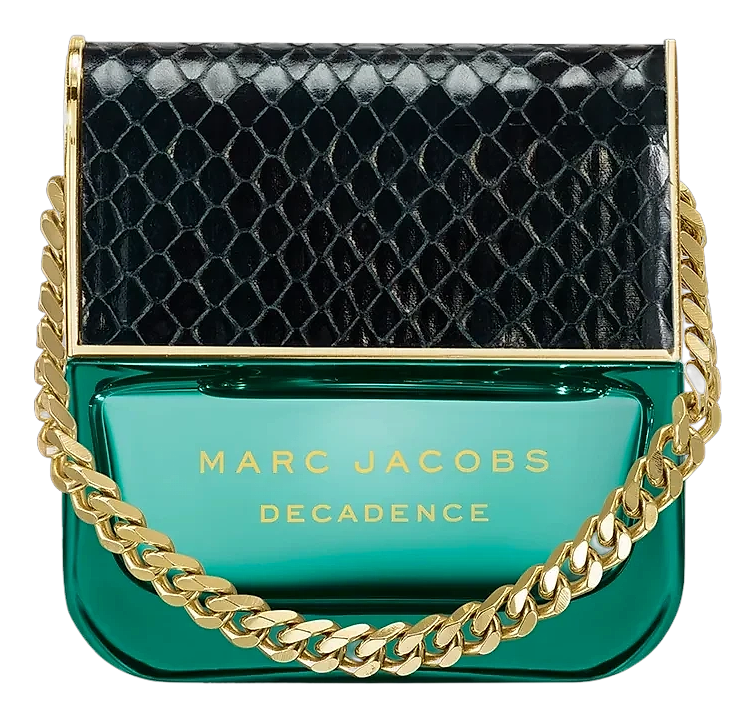
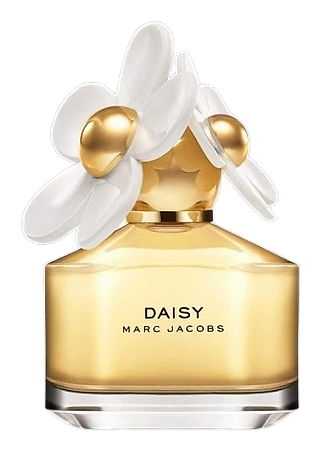
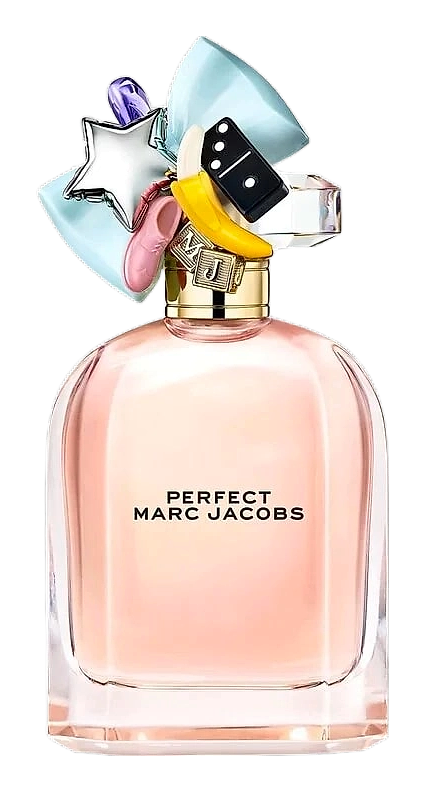
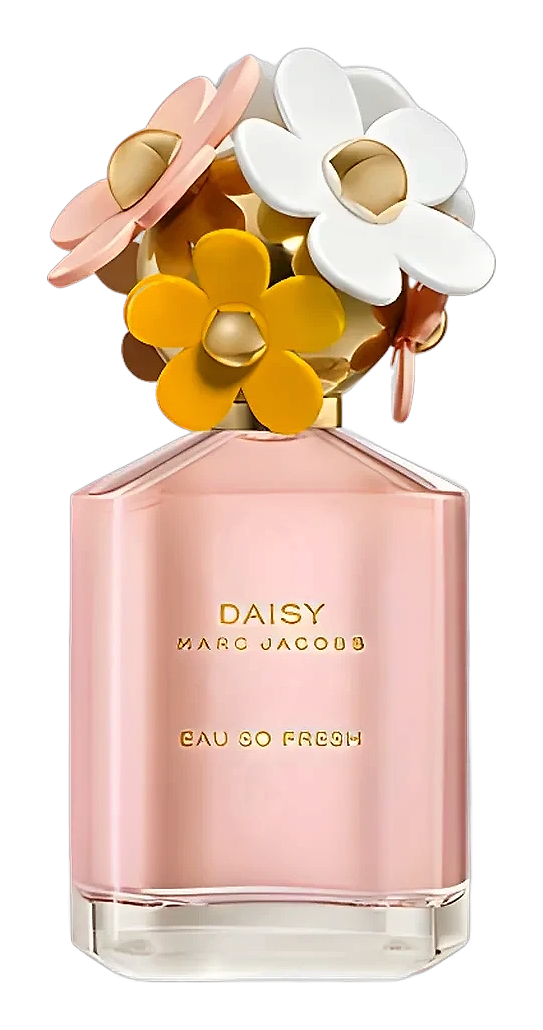
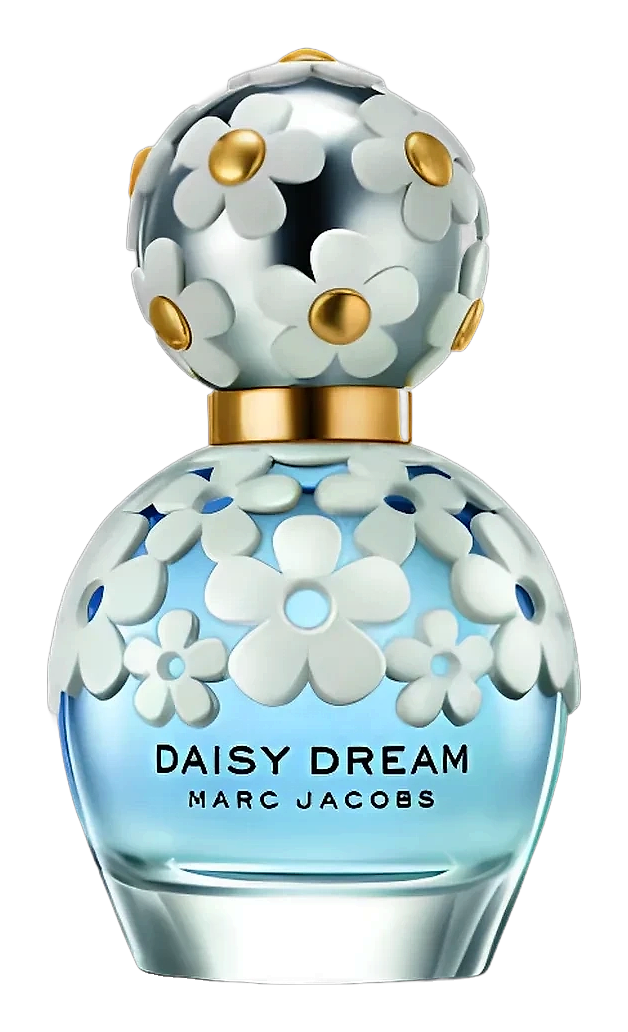
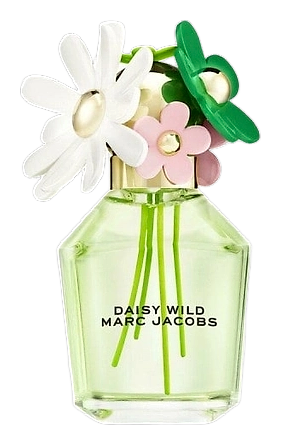
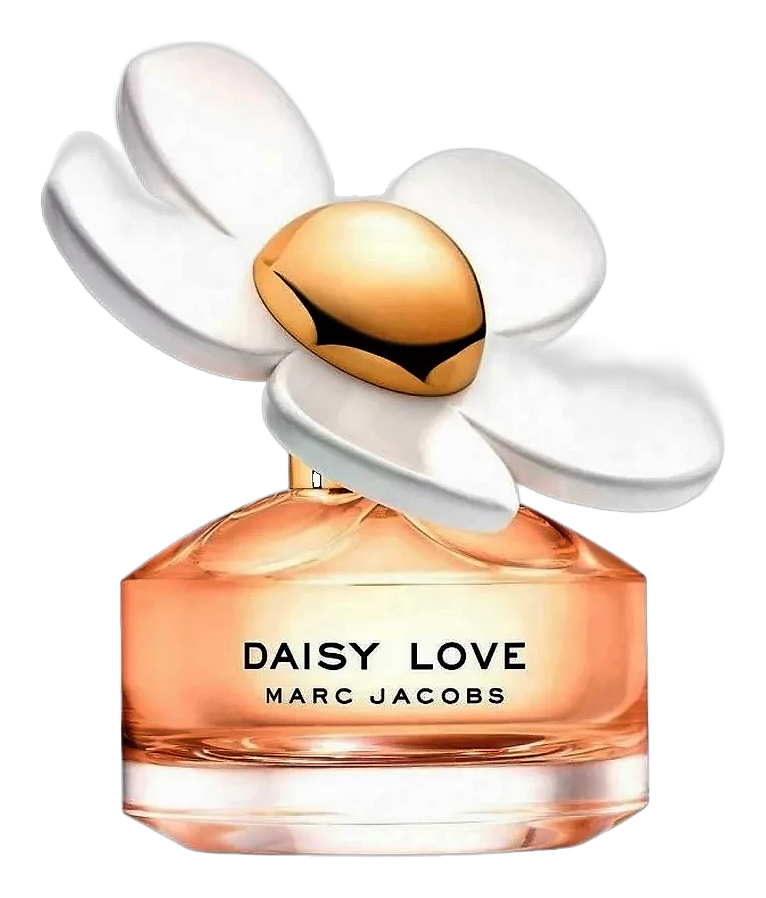
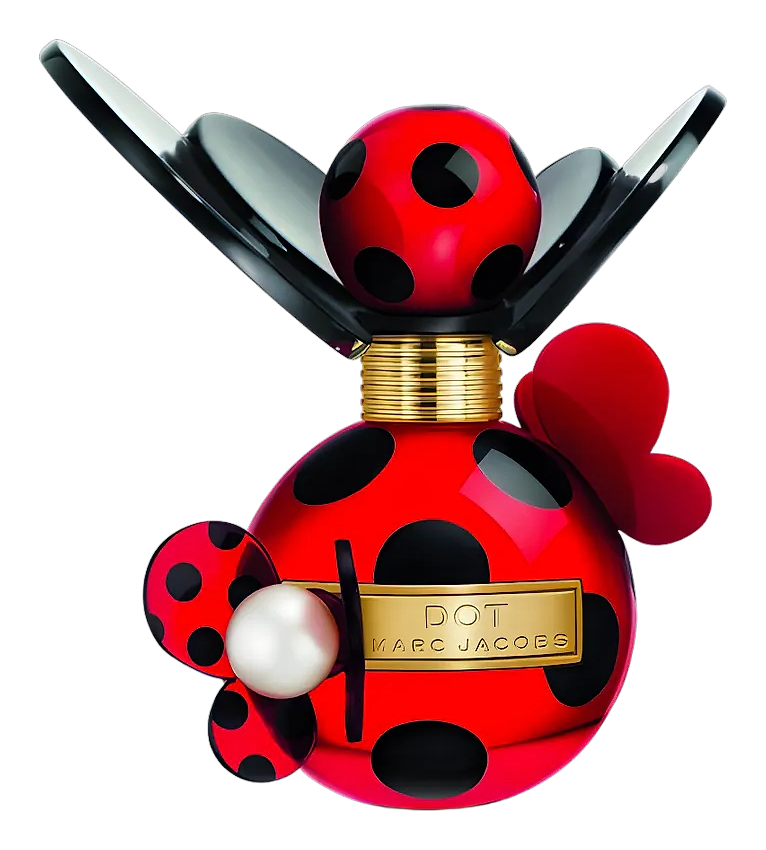
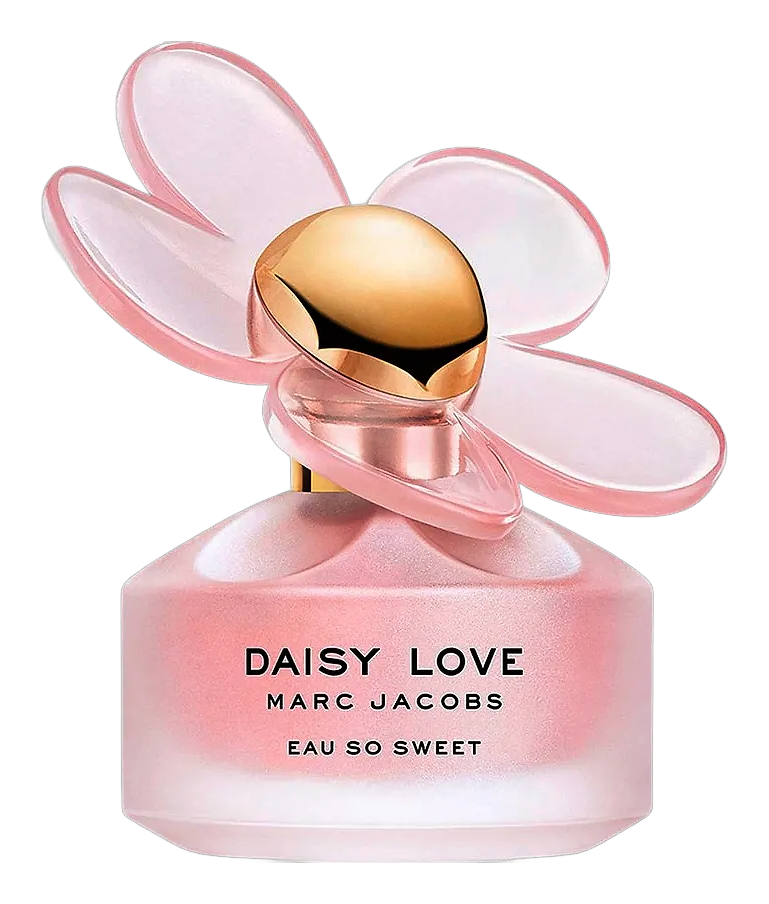
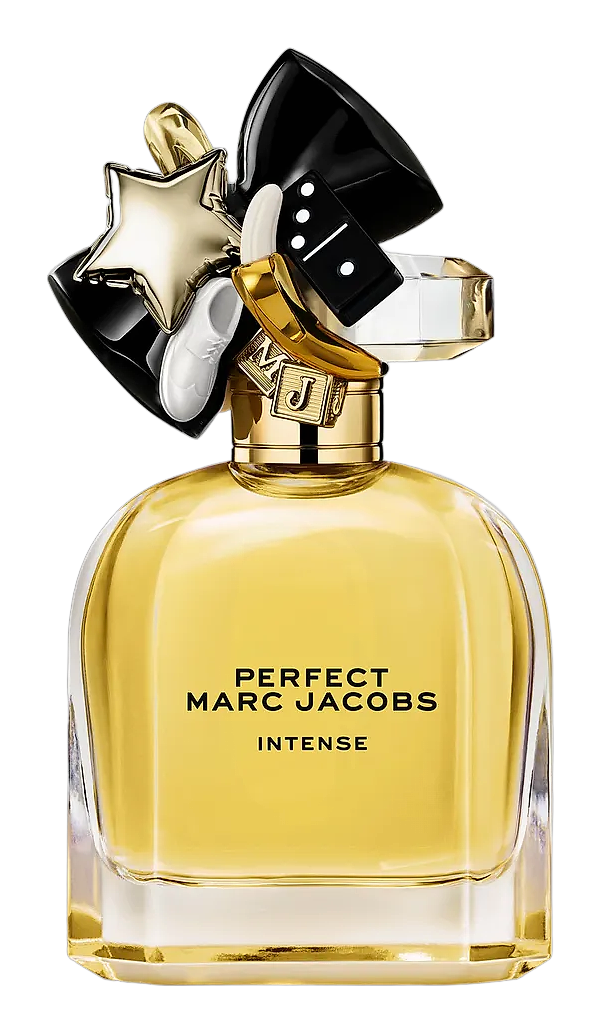
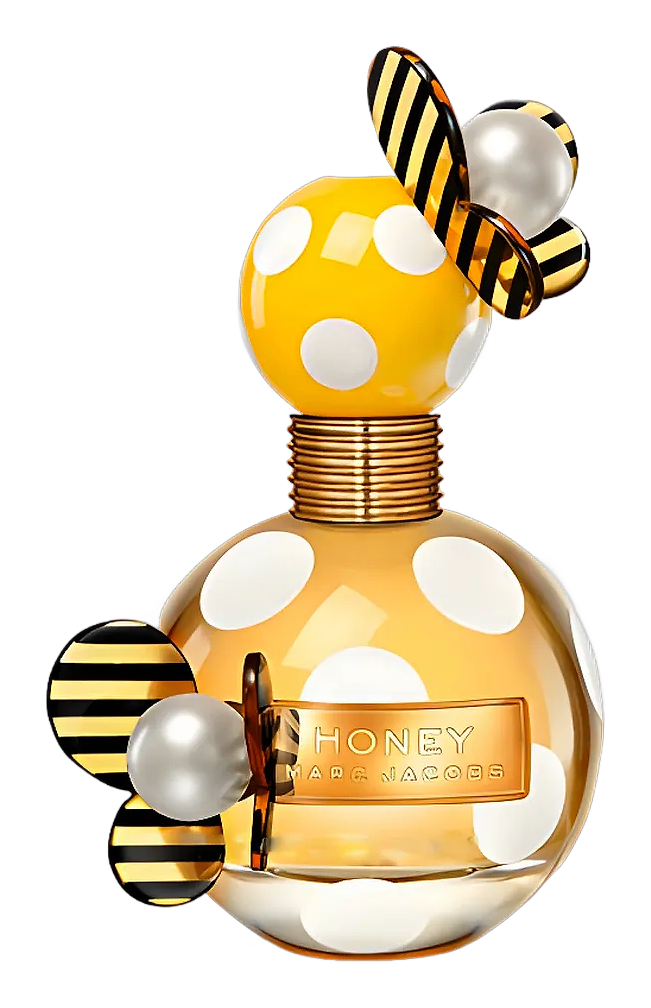
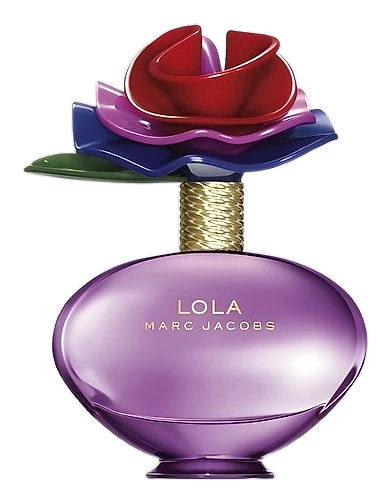
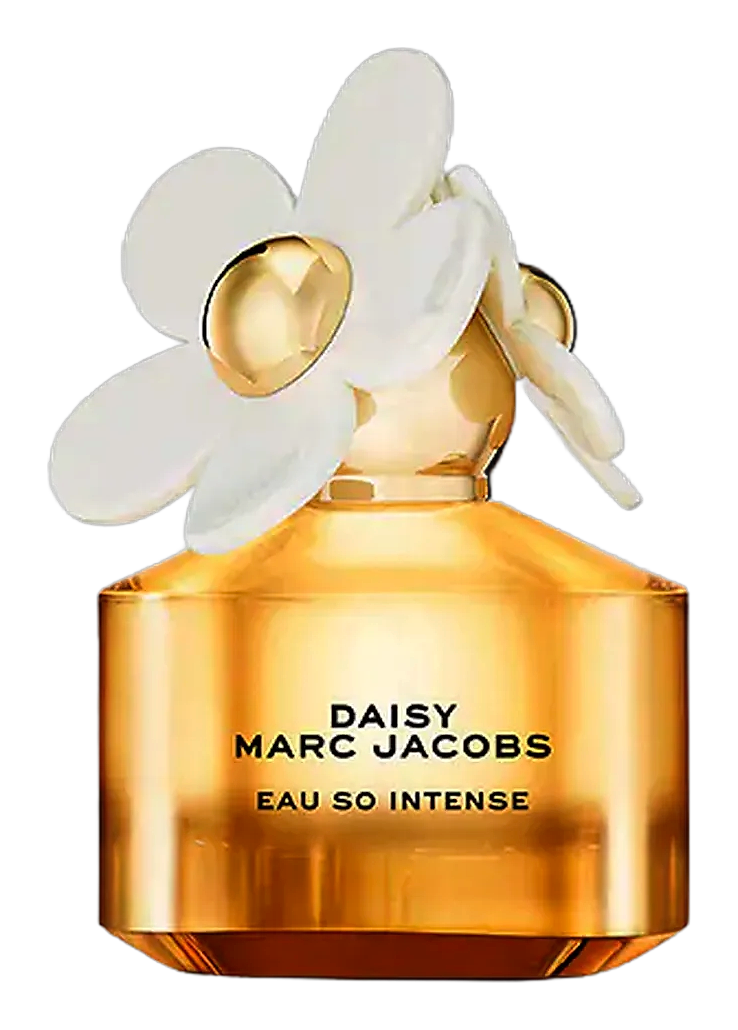
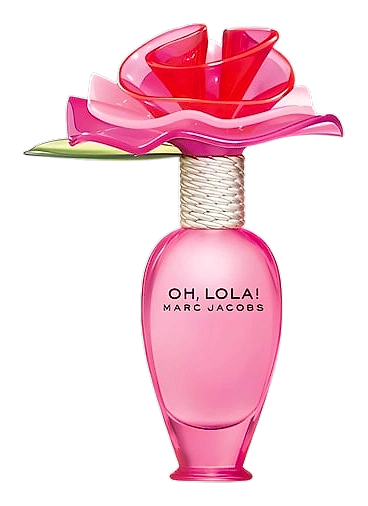
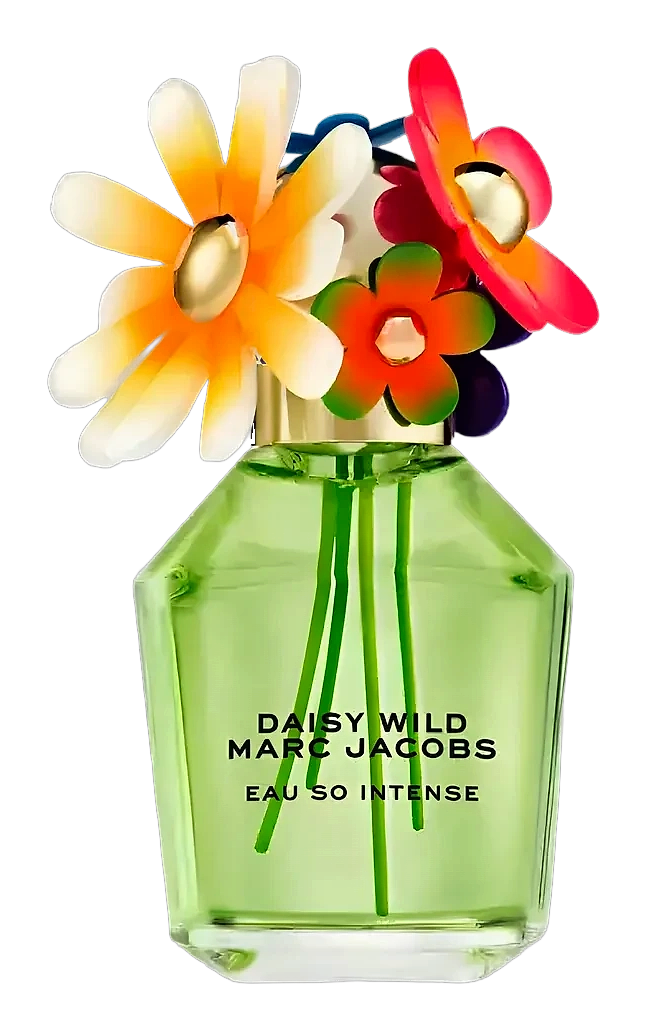
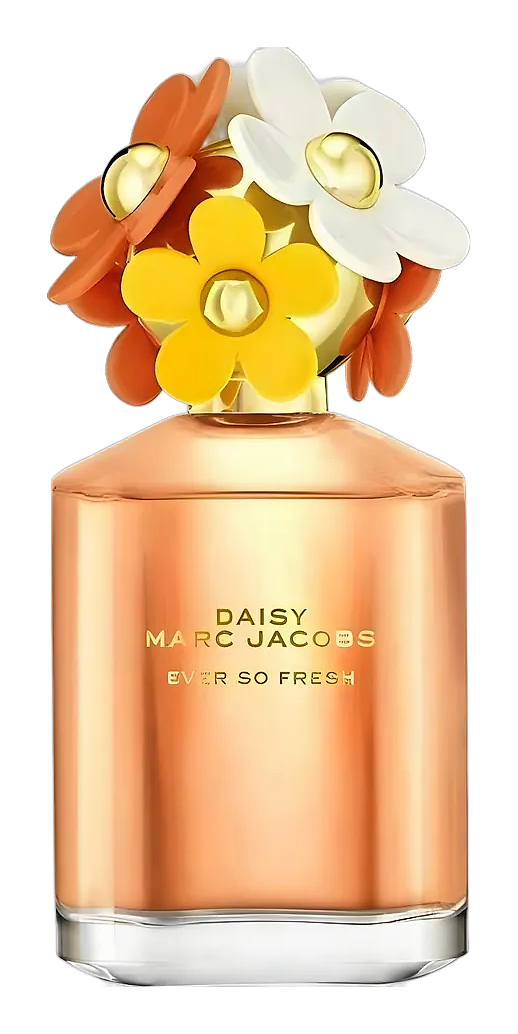
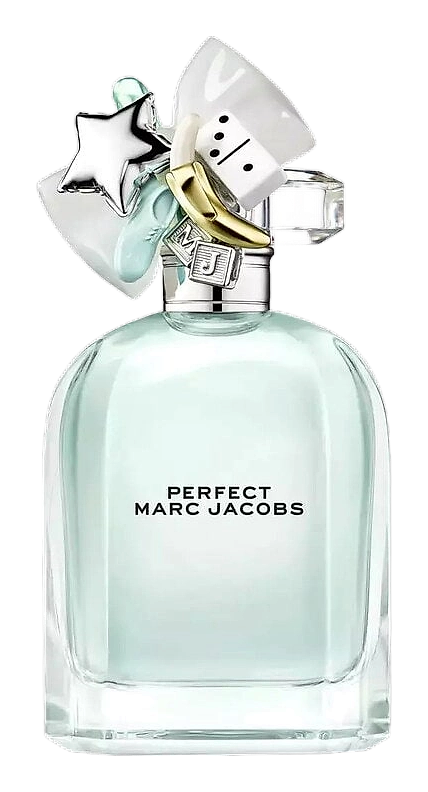
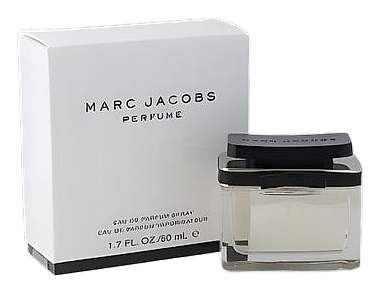
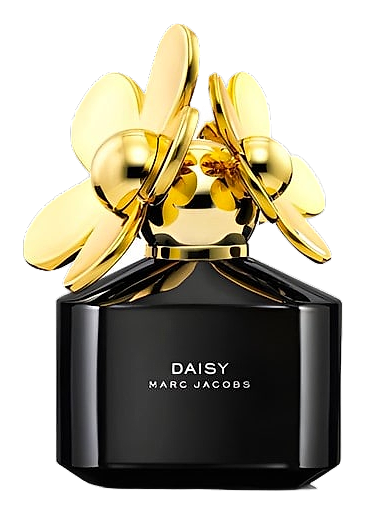
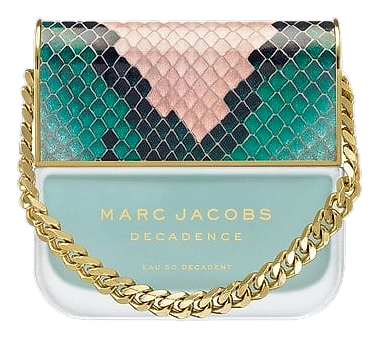
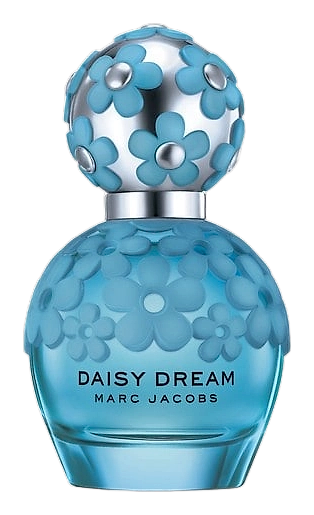
Marc JacobsMarc Jacobs fragrances, produced under license by Coty, launched in 2001 with Marc Jacobs for Women, followed by a companion men's scent in 2002. The brand has since built an extensive portfolio of fragrances anchored by signature lines including Daisy (2007), Lola (2009), Decadence (2015), and Perfect (2020). Daisy, named after Daisy Buchanan from F. Scott Fitzgerald's The Great Gatsby, quickly became a defining success for the brand, spawning numerous flankers and variations across multiple collections. The line's visual identity, with its oversized daisy cap atop a clean bottle, became one of the most recognizable silhouettes in contemporary perfumery. Decadence introduced a handbag-shaped bottle on a gold tasselled chain, a notably unconventional vessel for fragrance at the time of its launch. The brand has collaborated with a broad roster of perfumers over the years, including Annie Buzantian, Ann Gottlieb, Steve DeMercado, Loc Dong, Alberto Morillas, and Calice Becker, among many others. Marc Jacobs fragrances are available at major department stores worldwide and online.
The Creator
Annie BuzantianAnnie favors a structural approach, building around a strong heart that anchors the perfume. She often chooses violet, heliotrope, and lilac to add a soft floral edge, then balances them with musk and warm woods for longevity.