The Story
Why it exists.
The beginning
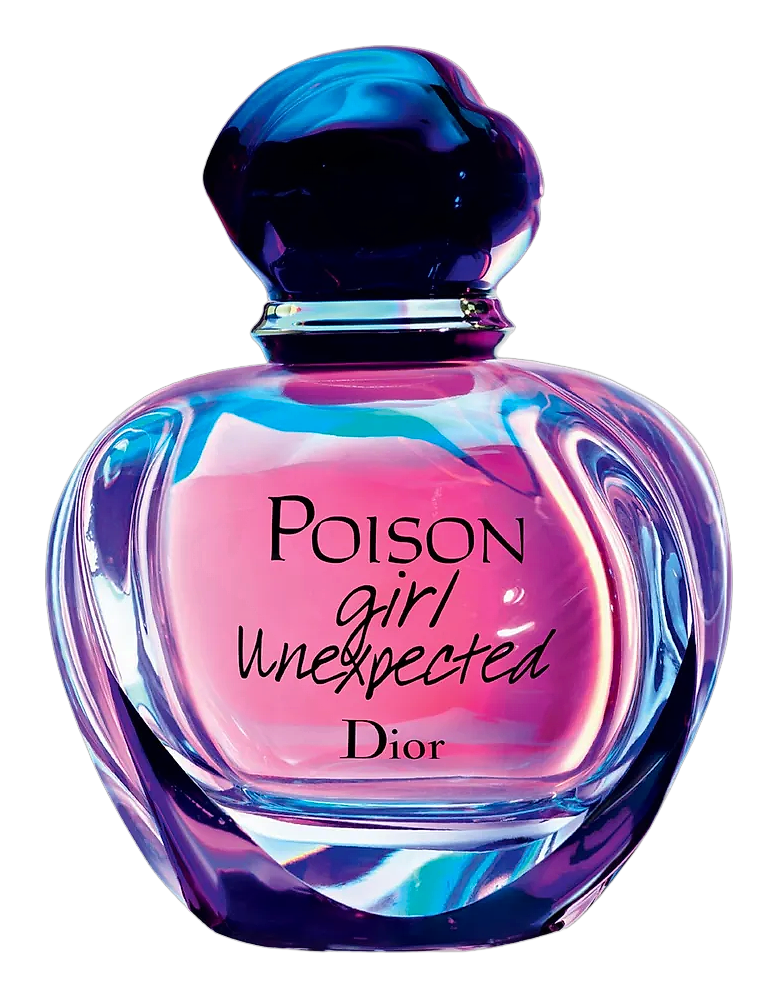
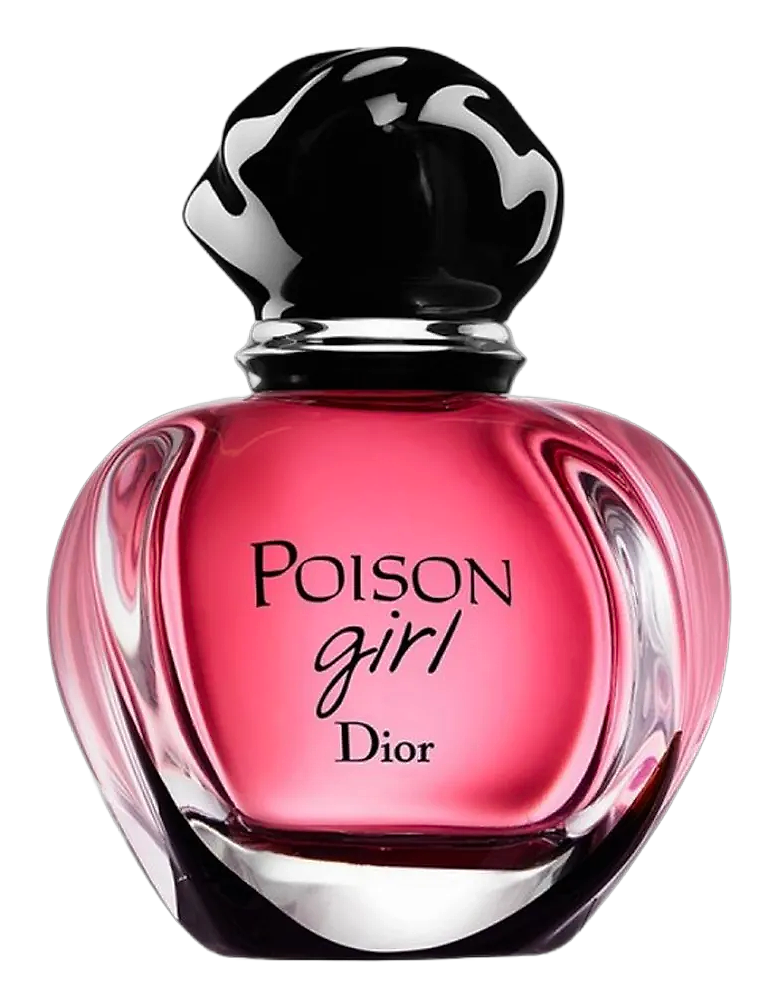
In 2016, Dior needed a fragrance for a different girl. Not the one who inherited her mother's Poison, the one who wanted something with the same rebellious DNA but her own attitude. François Demachy built Poison Girl as a younger sister to the 1980s icon, keeping the confrontational spirit while swapping the heady tuberose for something sweeter, warmer, more approachable. The brief was simple: scandalously delicious. The result was anything but simple.
What makes Poison Girl work is the tension. That Sicilian bitter orange opening isn't polite citrus, it's a statement, almost astringent, a challenge. The rose and orange blossom that follow are sweet enough to soften it, but they arrive on their own terms. And the base, vanilla, tonka bean, almond, is where the fragrance earns its name. Warm. Close. The kind of sweetness that doesn't announce itself from across the room but marks you as someone who knows what they want.
The evolution
The opening is bright and confrontational. Bitter orange hits first, sharper than you'd expect from something called Poison Girl, almost aggressive in its citrus. Then the florals arrive, Damask rose and orange blossom softening everything into a sweet whisper. By the second hour, the vanilla and tonka bean take over. The sandalwood underneath keeps it from being purely gourmand, a dry, woody counterpoint that stops the sweetness from cloying. Heliotrope and Cashmeran add that powdery, skin-close quality that makes the drydown intimate rather than loud. Eight to ten hours of longevity means this doesn't just make an impression, it stays. The next morning, vanilla and almond still linger close to the skin, warm and present. It doesn't fill a room at that point. It marks you.
Cultural impact
Poison Girl found its audience among younger wearers who wanted Dior's craftsmanship without the weight of the house's more formal signatures. It's become the fragrance for the girl who wants to be noticed on her own terms, sweet enough to flirt, confident enough to mean it. Since 2016, it's built a following among those who appreciate gourmand warmth with a confrontational edge.