Character
The Story of Grasse Rose Absolute
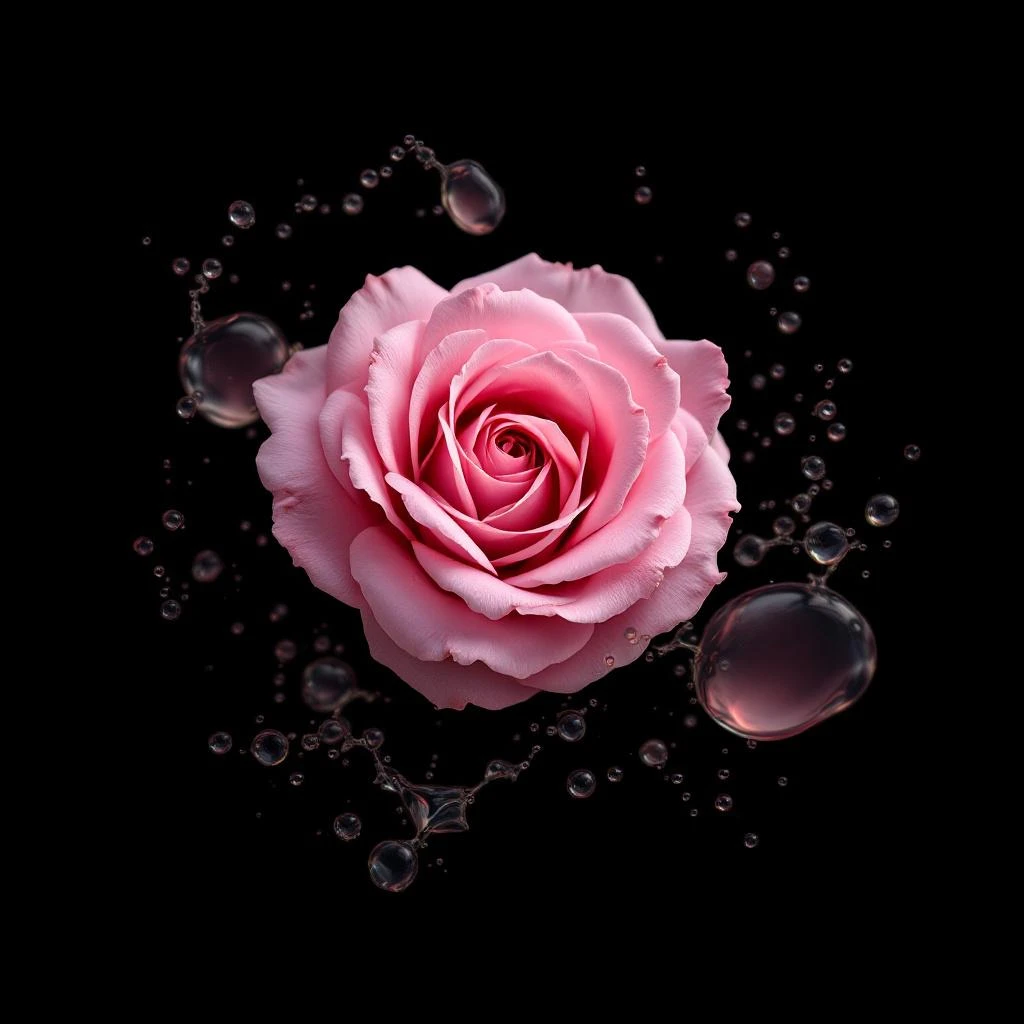
Harvested at dawn in the hills above Grasse, these petals yield one of perfumery's most precious materials: a solvent-extracted absolute of extraordinary petal-like warmth and depth.
Heritage
Grasse has cultivated flowers for fragrance since the 16th century, when local tanneries discovered that scented botanicals masked unpleasant odors. By the 17th century, the region had shifted entirely to perfume production, drawn by its unique microclimate and limestone-rich soil ideal for rose cultivation. The UNESCO Convention inscribed the knowledge and practices tied to perfume in the Pays de Grasse as Intangible Cultural Heritage in 2018, and in November 2020, Absolue du Pays de Grasse received official Geographical Indication status, the first GI covering perfume absolutes in France. Seven major houses, representing roughly 90 percent of regional flower processing, now carry this designation. Rose de Mai, also called Centifolia, remains Grasse's signature bloom, prized for its honeyed, complex character that solvent extraction preserves more faithfully than distillation alone.
At a Glance
7
Feature this note
France
Primary source region
Ingredient Details
Solvent extraction
Flower petals
Did You Know
"Rose de Mai harvests last only three to four weeks each May, with picking done by hand before sunrise to preserve each flower's oils."
Pyramid Presence