
The Story
Why it exists.
The beginning
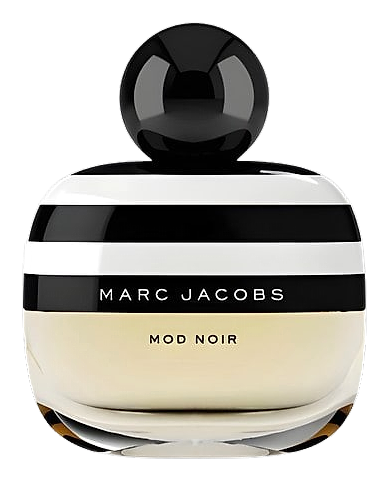
Marc Jacobs named this one for the 1960s Mod movement, geometric, graphic, uncompromising in its black-and-white logic. The packaging reflects it: bold stripes, lacquered glass, the visual language of a decade that dressed in contrasts. But the fragrance itself? It's pure gardenia. Jacobs has called gardenia his favorite flower, and Mod Noir puts that preference on full display, not as a quiet nod, but as the entire statement. Perfumer Jean-Claude Delville built around that single floral in 2015, creating a Sephora exclusive that married the sharpness of 60s minimalism with the lushness of a bloom that refuses to behave.
What makes Mod Noir unusual is the choice to let gardenia run unchallenged. Gardenia is a demanding note, waxy, slightly indolic, sweet in a way that borders on animal. Most fragrances soften it with supporting florals or cool it with aquatic accords. Mod Noir does both, then lets the gardenia bulldoze through anyway. The dewy green opening and the watery heart notes don't tame the gardenia, they frame it. The result is a gardenia that reads cleaner than gardenia usually does, without losing any of its character. It's a careful contradiction: pristine packaging, messy bloom.
The evolution
The opening arrives cool and green, yuzu and clementine over wet stems, that first-morning freshness. Then the gardenia walks in. From the first moment, there's no ambiguity about what this fragrance is about. It doesn't build toward the gardenia. It starts there. The heart deepens it: water lily adds an aquatic softness, magnolia brings cream, tuberose adds body. The gardenia absorbs all of it and keeps going. By the base, peach and orange blossom have appeared, but gardenia is still running the composition. The musk underneath is what holds it all together, a creamy, close-to-skin warmth that lingers long after the top notes have faded. On fabric, it can last until the next morning. A ghost of gardenia on yesterday's shirt.
Cultural impact
Mod Noir has developed a quiet cult following since its 2015 debut. Discontinued and unavailable at retail, it has become a sought-after rarity, people hunting for it on resale platforms, mourning its absence, trading bottles in forums. The fragrance occupies an unusual space: a designer exclusive that performs like a niche composition, with a gardenia conviction that few mainstream releases attempt. It has the energy of something that was always slightly too bold for mass appeal, which is probably why it found its people.
The House
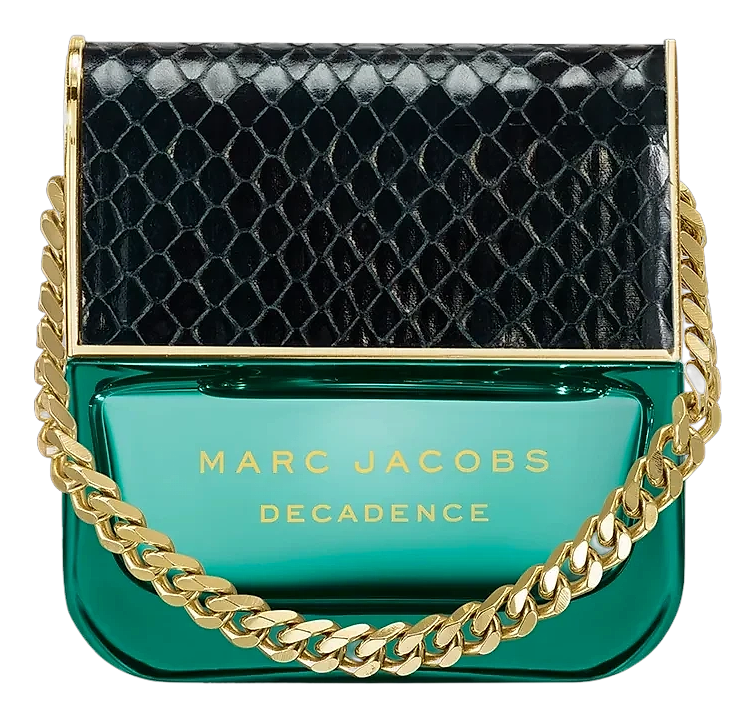
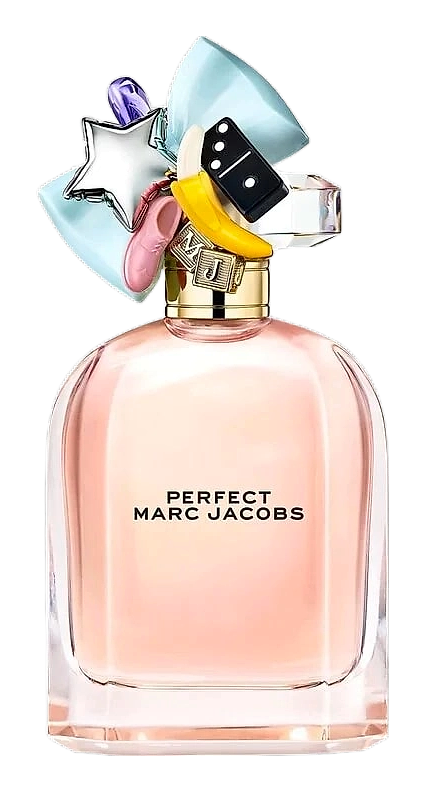
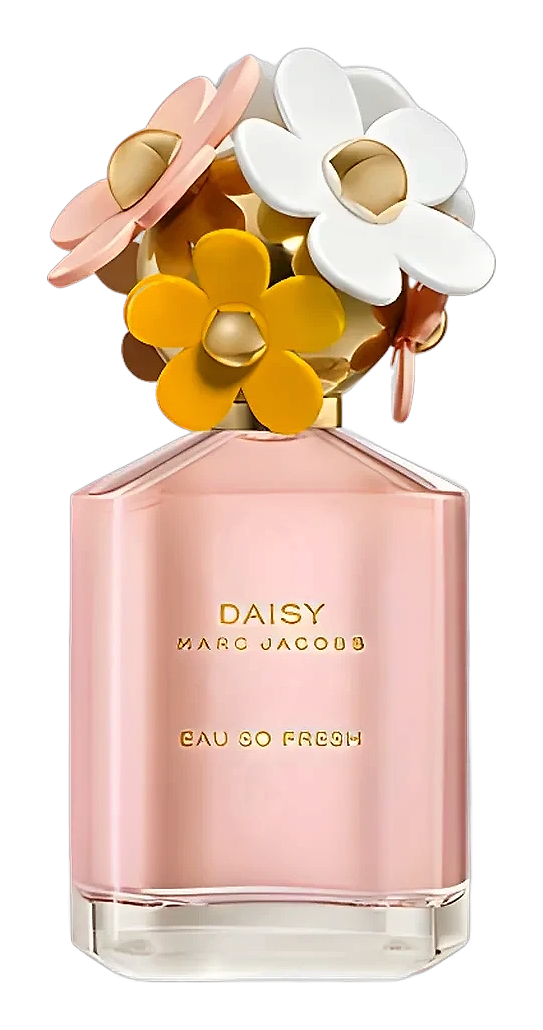
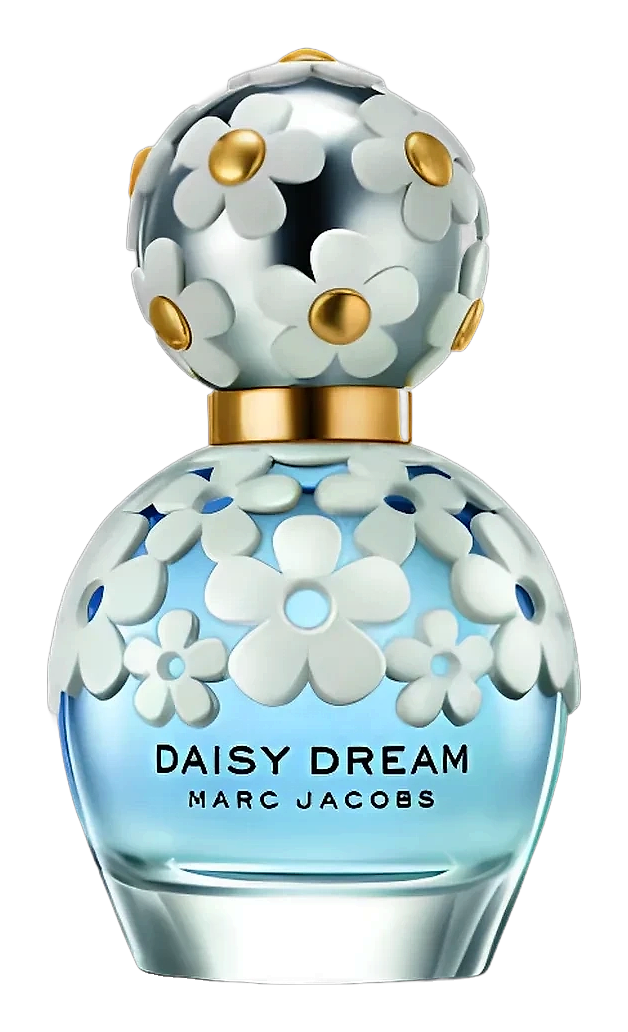
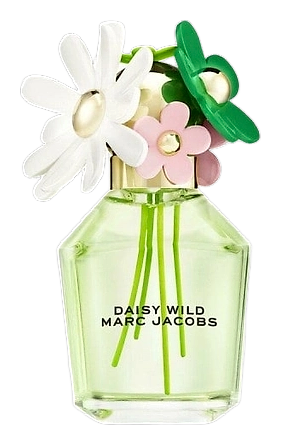
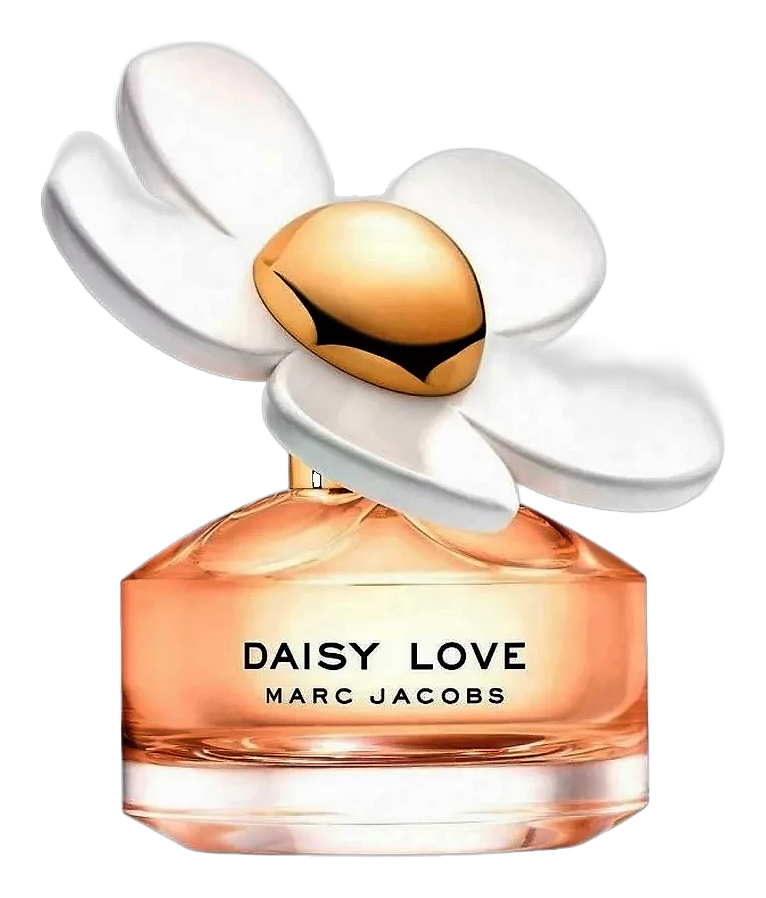
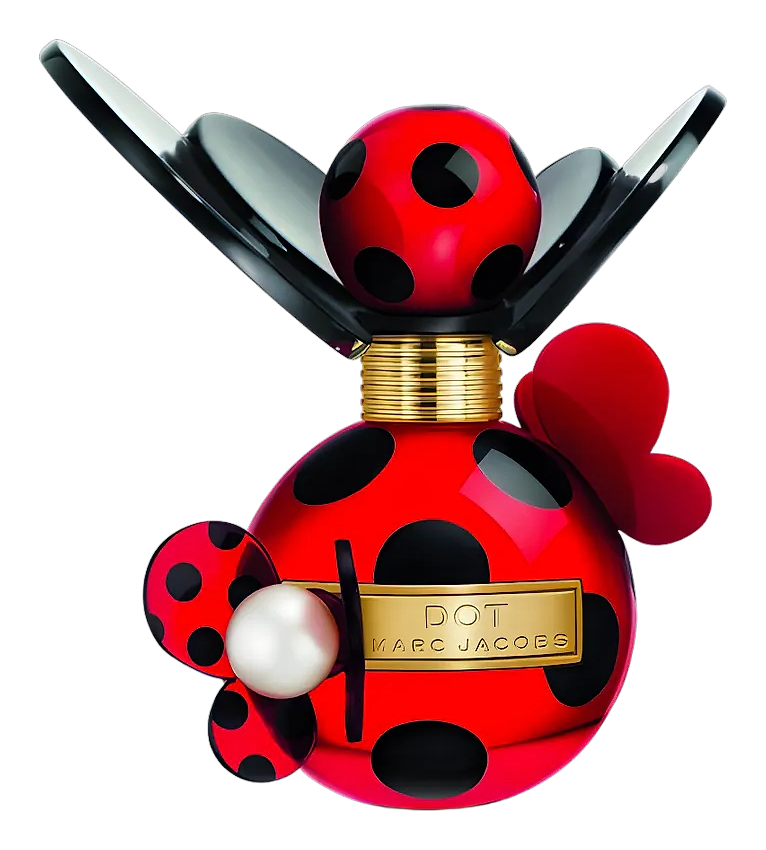
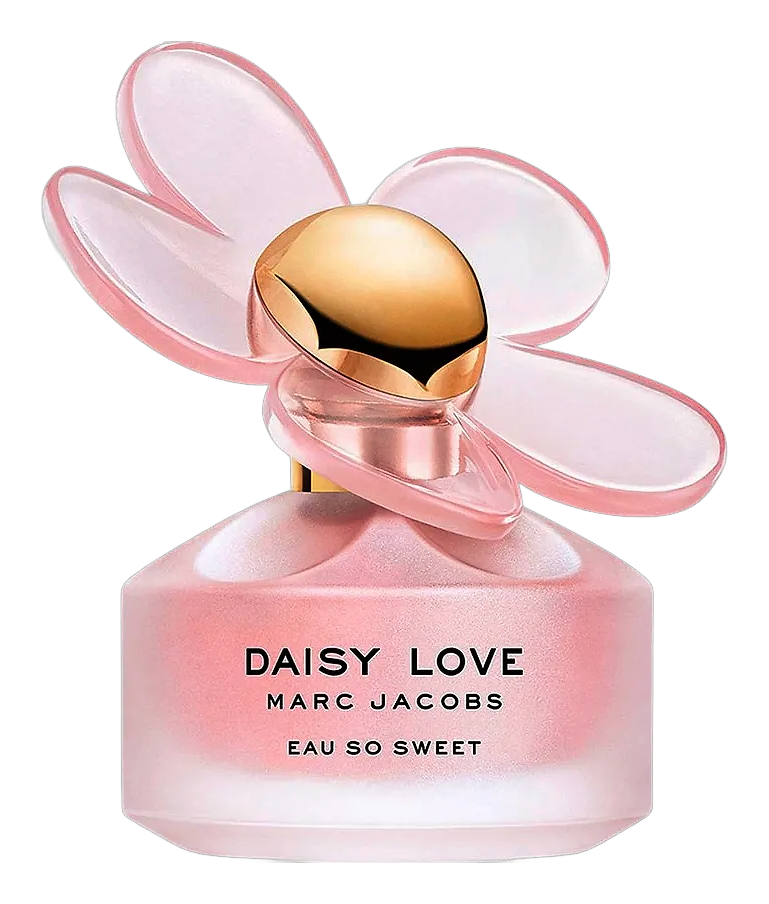
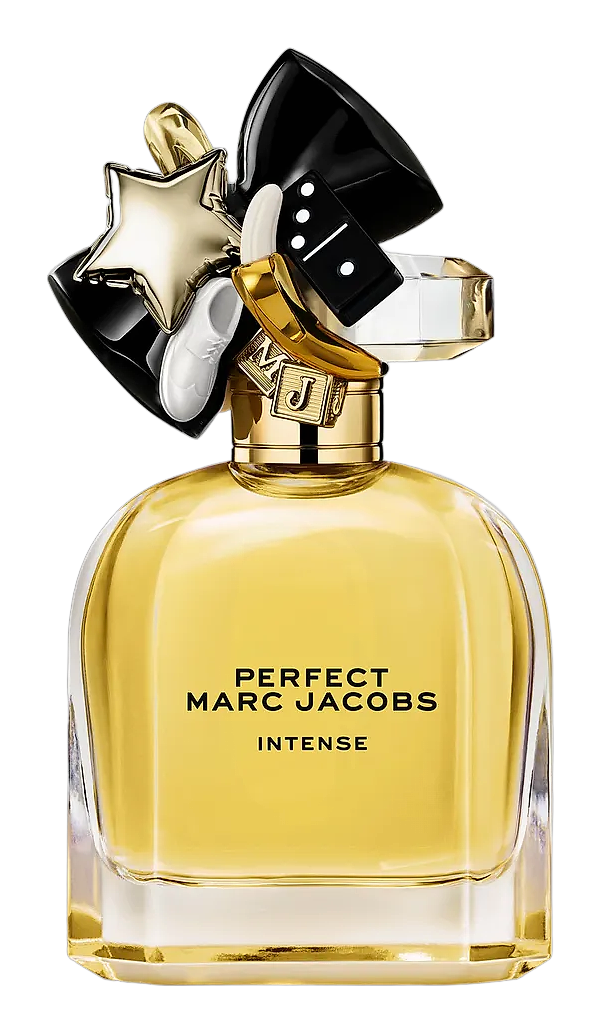
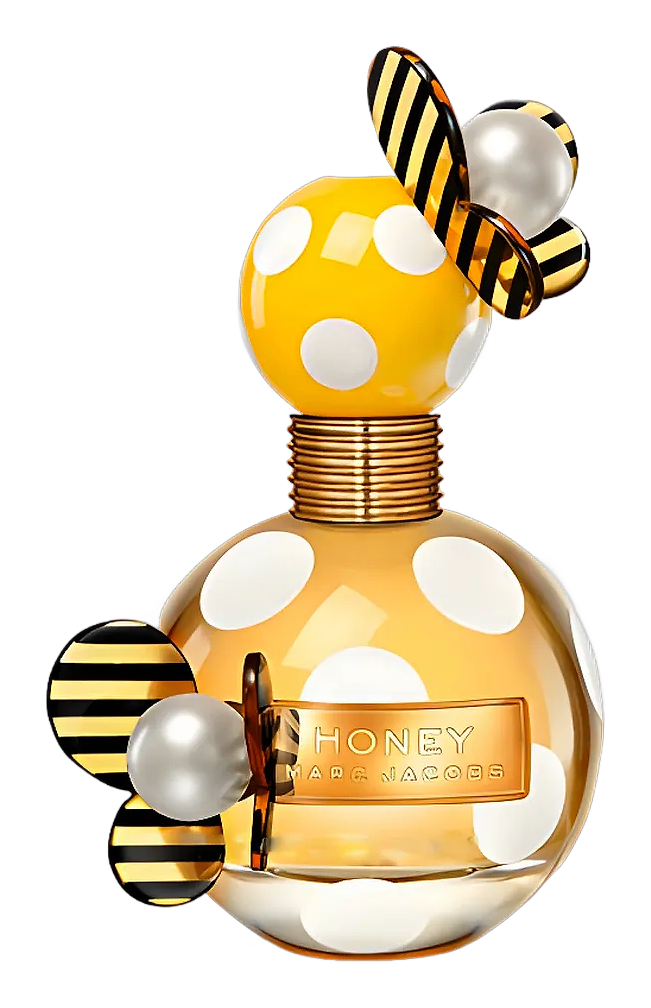
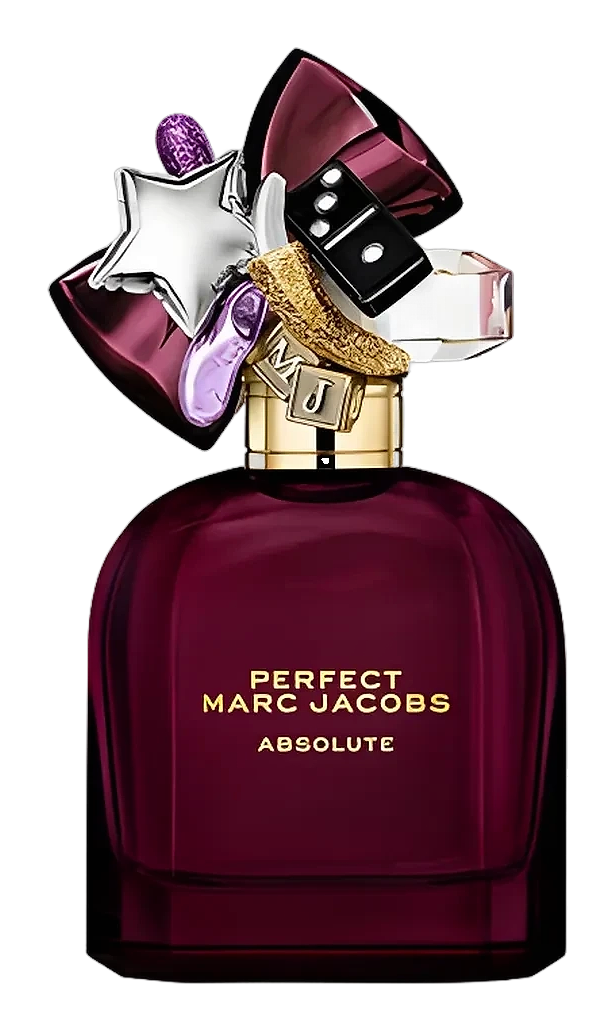
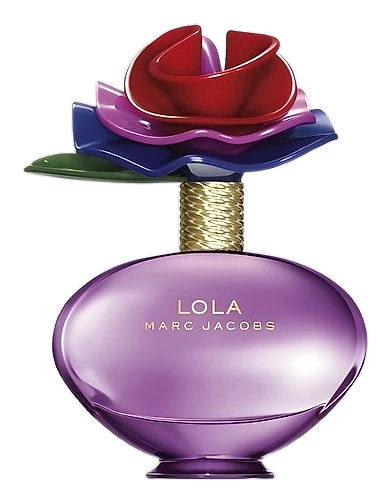
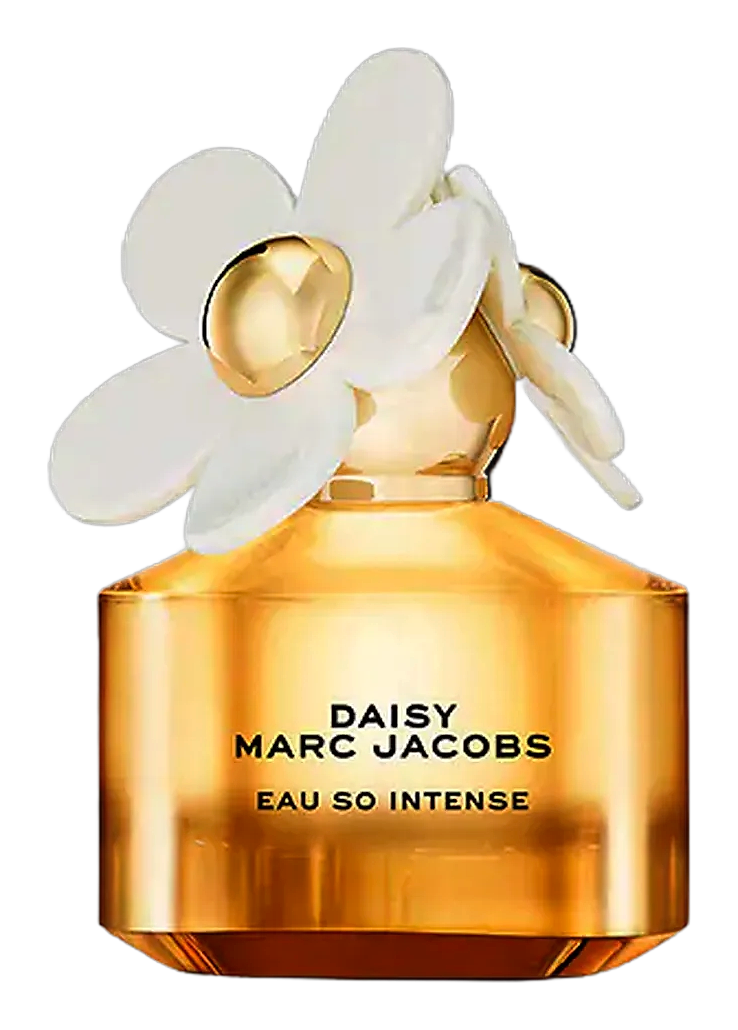
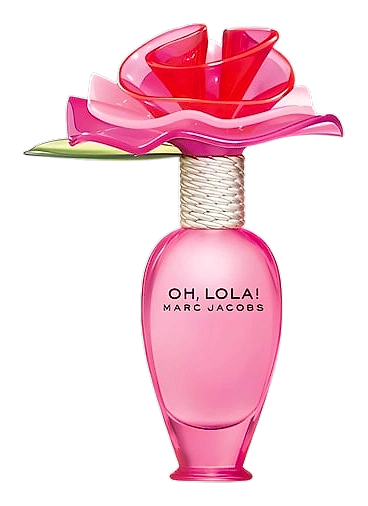
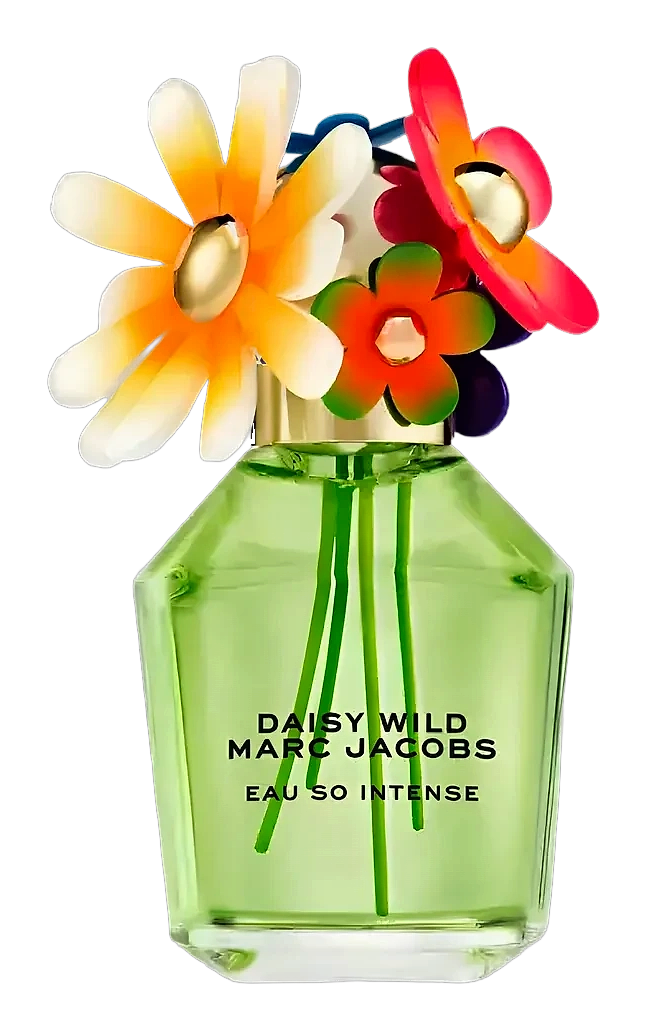
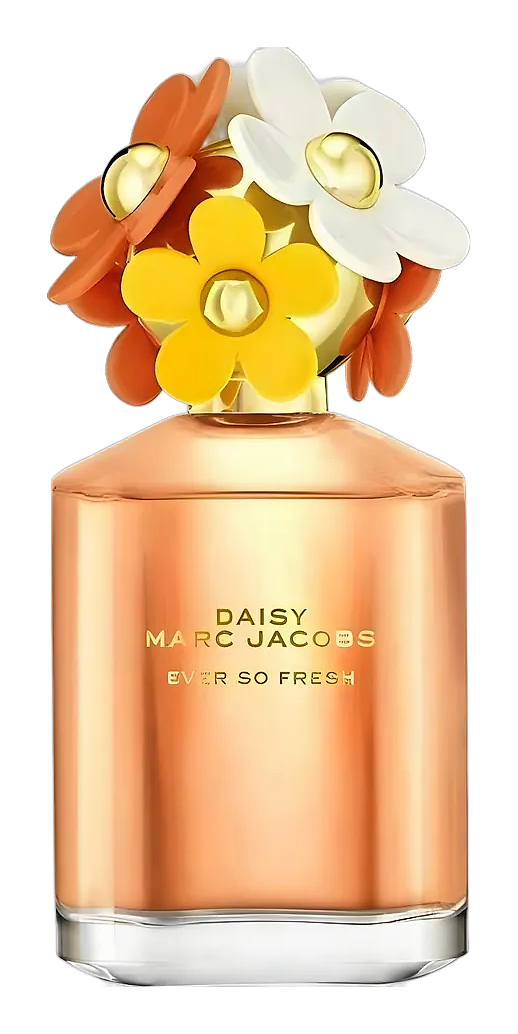
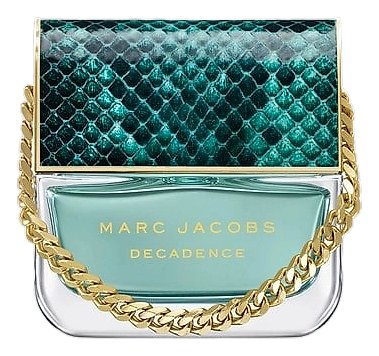
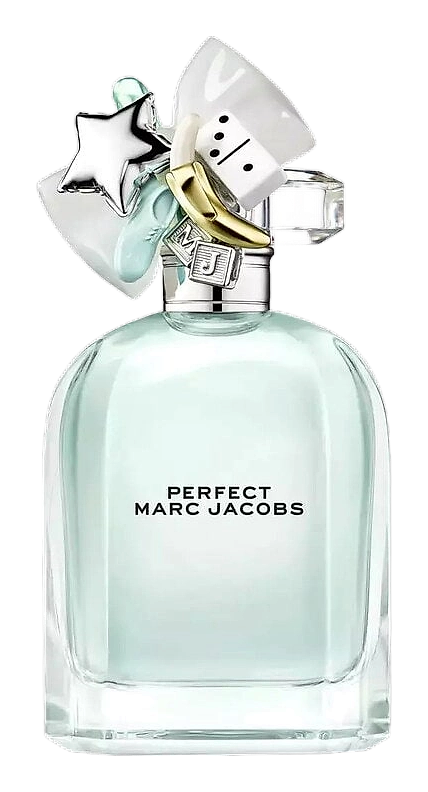
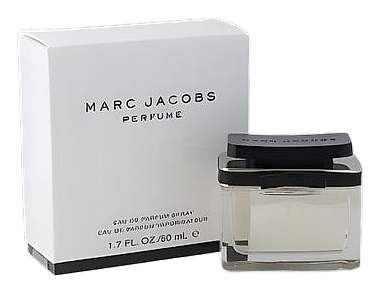
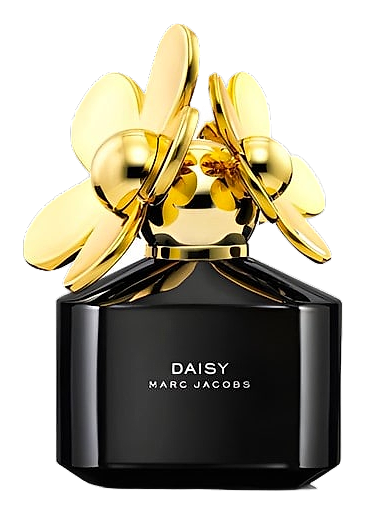
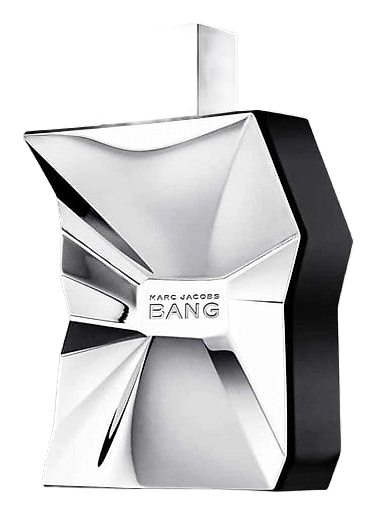
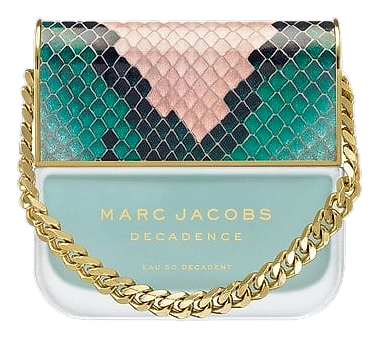
Marc JacobsMarc Jacobs fragrances, produced under license by Coty, launched in 2001 with Marc Jacobs for Women, followed by a companion men's scent in 2002. The brand has since built an extensive portfolio of fragrances anchored by signature lines including Daisy (2007), Lola (2009), Decadence (2015), and Perfect (2020). Daisy, named after Daisy Buchanan from F. Scott Fitzgerald's The Great Gatsby, quickly became a defining success for the brand, spawning numerous flankers and variations across multiple collections. The line's visual identity, with its oversized daisy cap atop a clean bottle, became one of the most recognizable silhouettes in contemporary perfumery. Decadence introduced a handbag-shaped bottle on a gold tasselled chain, a notably unconventional vessel for fragrance at the time of its launch. The brand has collaborated with a broad roster of perfumers over the years, including Annie Buzantian, Ann Gottlieb, Steve DeMercado, Loc Dong, Alberto Morillas, and Calice Becker, among many others. Marc Jacobs fragrances are available at major department stores worldwide and online.
The Creator
Jean-Claude DelvilleDelville's style resists easy summary, which is perhaps the point. He moves between floralorientals, fresh citruses, and powdery aldehydic compositions with apparent ease.