Water Lily
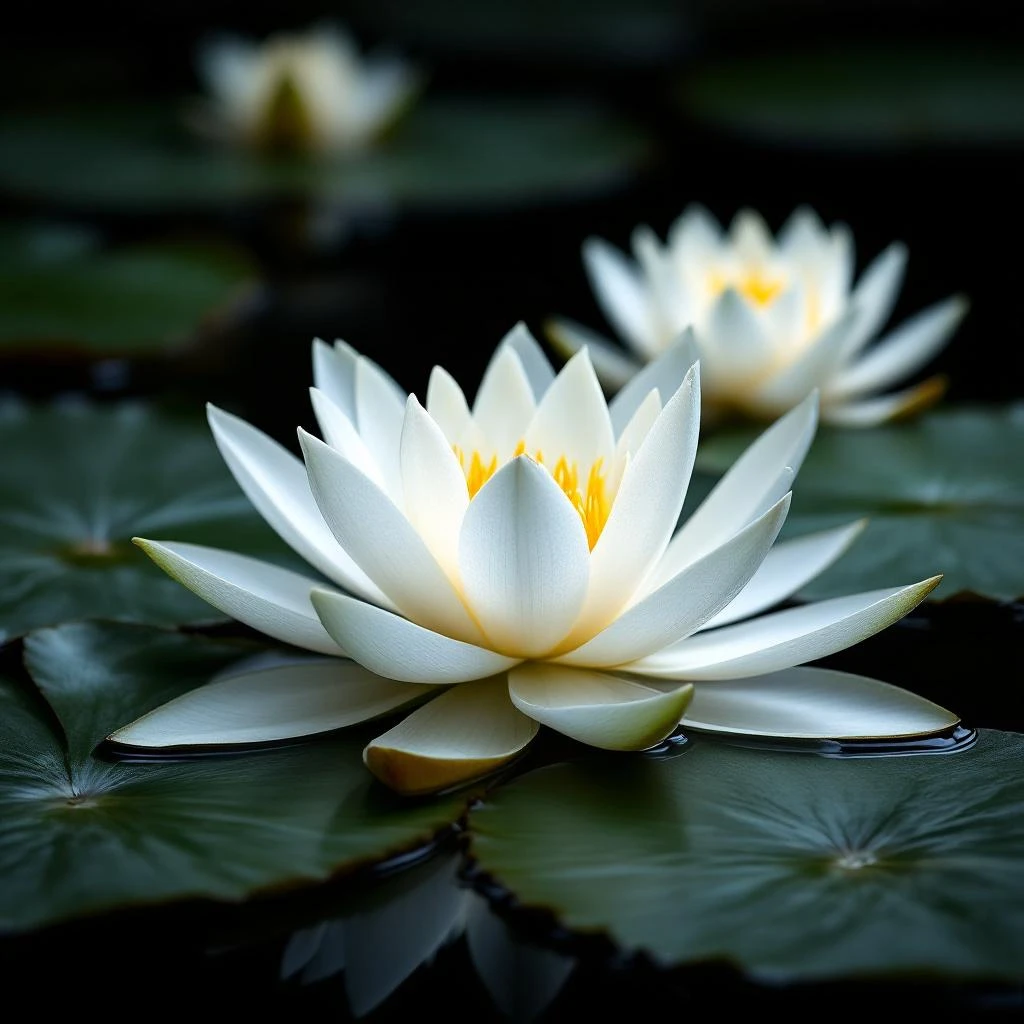
Water lily brings serene, aquatic sweetness to fragrance. Its petals release a delicate floral scent with subtle green undertones, evoking still pond surfaces at dawn. Perfumers value it for its gentle, lingering presence.
Character
How it smells
Delicate pond sweetness in every drop
Water lilies were sacred in ancient Egypt, appearing in tomb paintings and symbolizing creation and rebirth.







Origin
Egypt
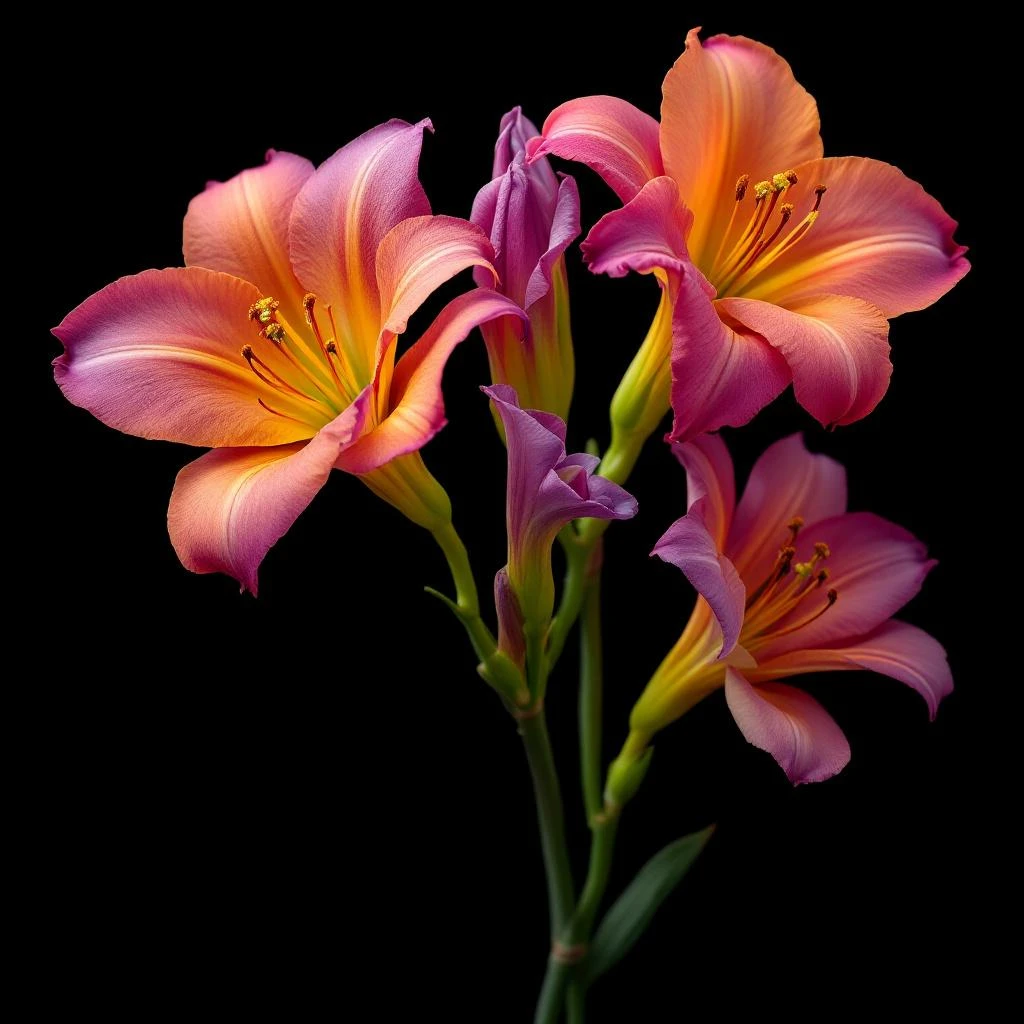
Water lilies held sacred status in ancient Egypt, where the blue lotus featured prominently in art, religious ceremonies, and burial practices. The Egyptians cultivated these flowers in temple pools and used their extracts in early perfumes and cosmetics. Greek and Roman cultures continued this tradition, incorporating water lilies into their fragrant preparations.
The flower gained particular prominence in Victorian-era gardens, where lily of the valley became a fixture in nosegays and perfumed bouquets. By the 19th century, perfumers began isolating its delicate scent for spring-themed compositions. Modern fragrance chemistry eventually enabled precise recreation of its sweet, green-floral character through synthetic compounds.
Water lily remains a quiet, enduring presence in perfumery, lending subtle aquatic grace to countless fine fragrances.
Wears it best
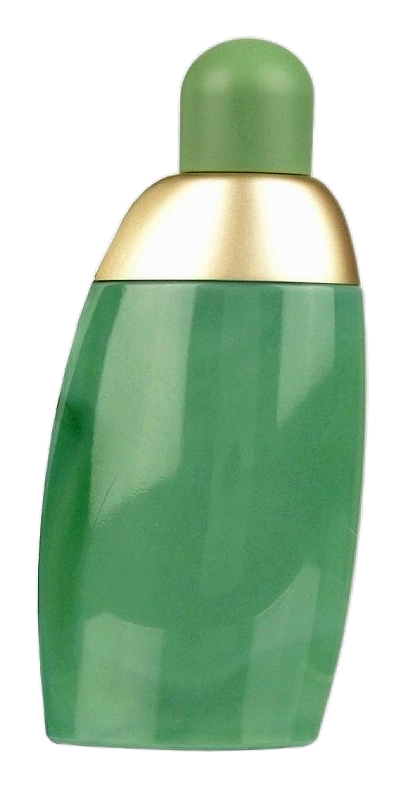
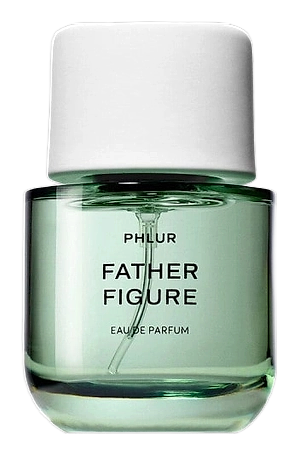
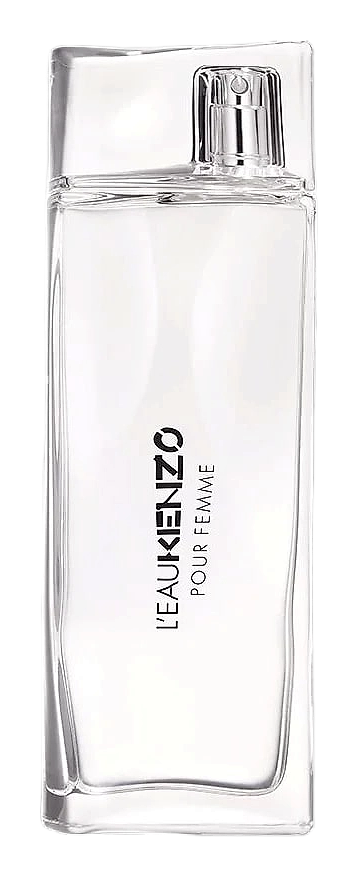
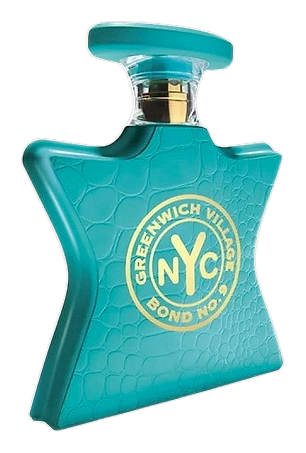
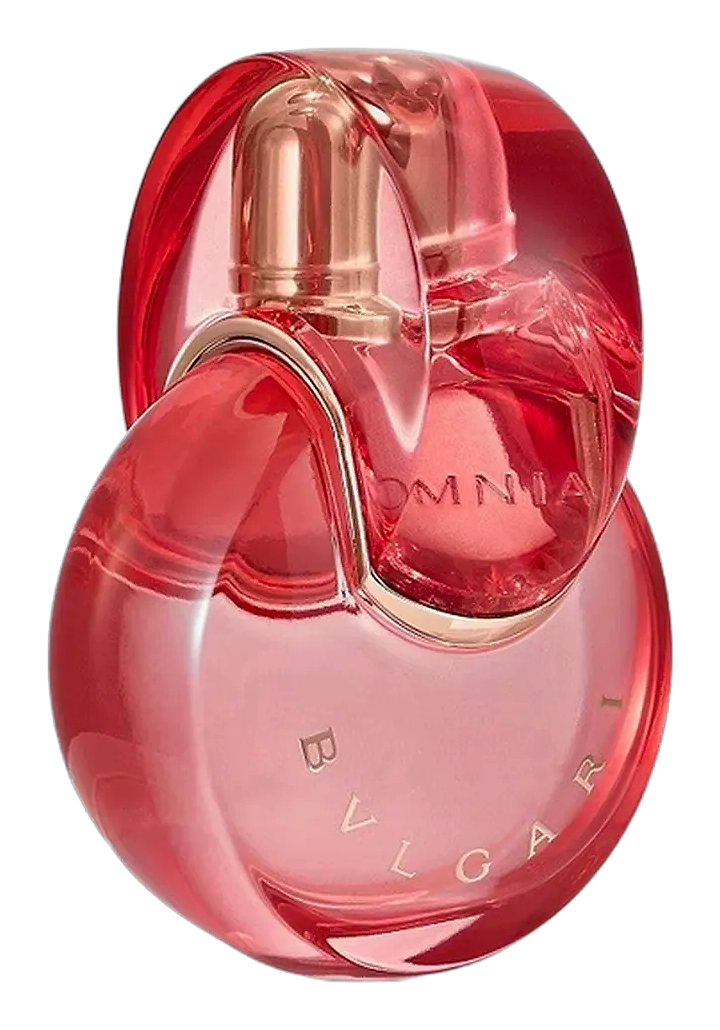
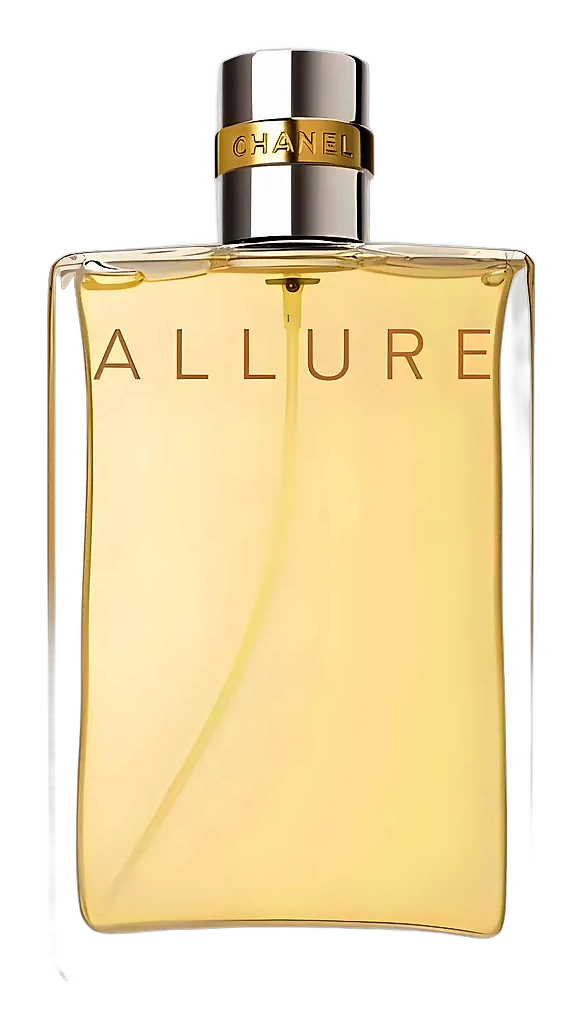
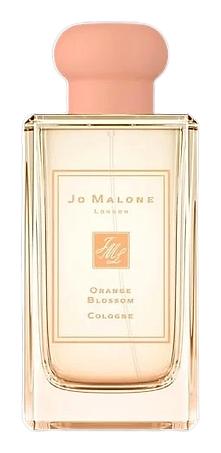
Fragrances featuring Water Lily
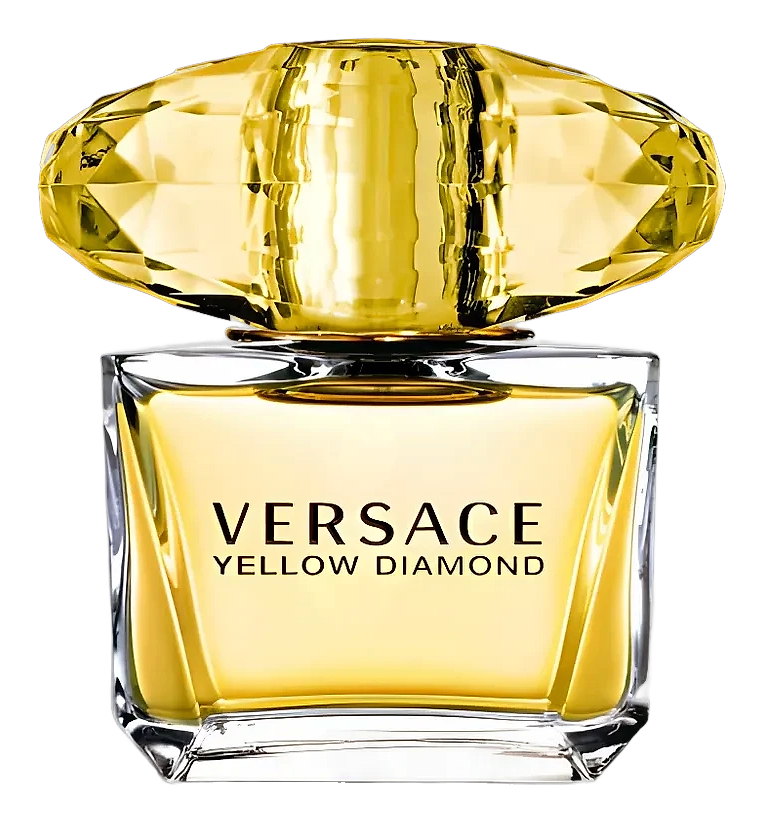
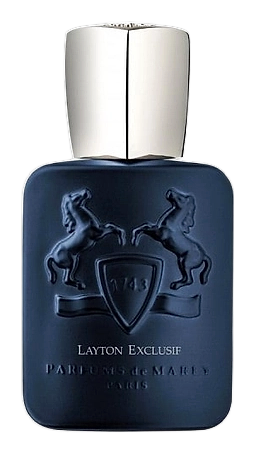
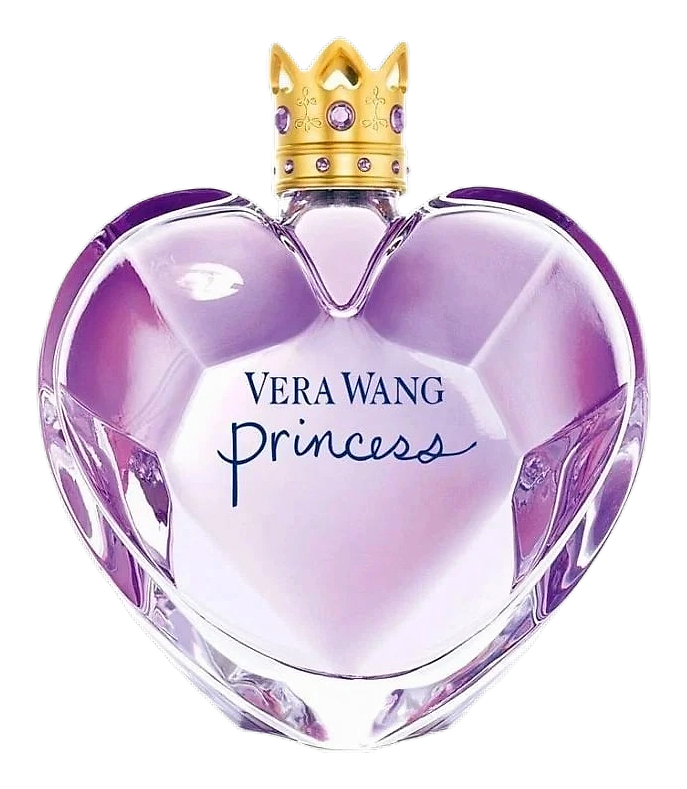
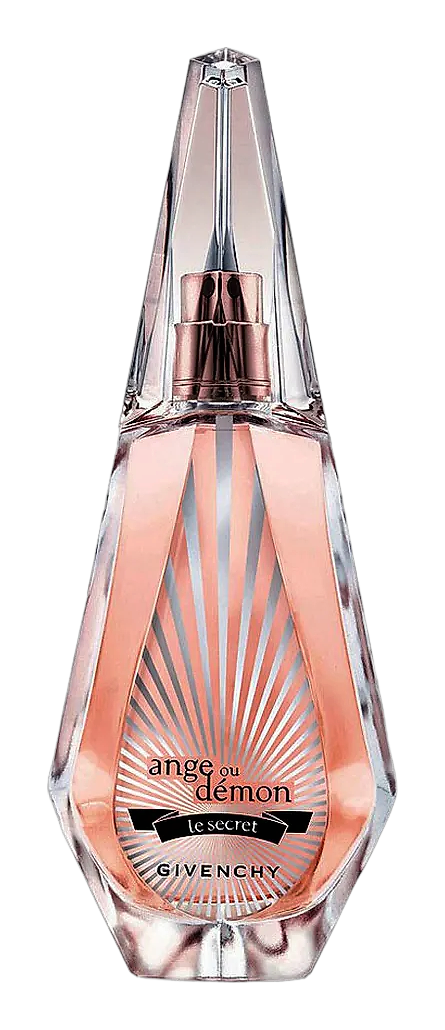

Brands
Brands known for Water Lily
Good to know
Questions, answered
The essentials on Water Lily in perfumery: how it smells, where it comes from, and how it behaves on skin.
What does water lily contribute to a fragrance composition?
Water lily adds a delicate floral note with aquatic undertones. Its scent is light, fresh, and subtly sweet, providing a gentle floral character without overwhelming other ingredients. Perfumers often use it as a supporting note that adds freshness and a watery quality to fragrance compositions.
Where does water lily grow naturally?
Water lily grows in freshwater lakes, ponds, and slow-moving streams across tropical and temperate regions worldwide. The genus Nymphaea includes numerous species native to Asia, Africa, and the Americas. These aquatic plants require still or gently flowing water with full sun exposure to thrive and produce fragrant blooms.
How does water lily scent compare to other floral notes?
Water lily scent is considerably lighter and more watery than stronger florals like jasmine or rose. It offers a fresh, aquatic quality with subtle green undertones rather than rich, heady floral intensity. This makes it an excellent choice for creating airy, translucent effects in fragrance rather than serving as a dominant heart note.
Is water lily a natural or synthetic ingredient in perfumery?
Both natural and synthetic water lily exist in modern perfumery. Natural water lily absolute comes from solvent extraction of fresh petals, but the yield is low and the scent very delicate. Most commercial water lily ingredients are created synthetically using aromachemicals that reproduce its fresh, slightly sweet character with consistent quality and sustainable supply.
What parts of the water lily plant are used in perfumery?
Perfumers use only the flower petals of the water lily plant. The petals contain the volatile aromatic compounds that give the flower its characteristic scent. Roots, stems, and leaves are not used in fragrance production. Fresh petals must be processed quickly after harvest to preserve their fragile aromatic molecules.
Is water lily the same as lily of the valley?
No, water lily and lily of the valley are different plants. Water lily belongs to the Nymphaeaceae family and is an aquatic plant. Lily of the valley (Convallaria majalis) is a terrestrial plant in the Convallariaceae family. Their scents differ significantly, with water lily offering aquatic, fresh qualities while lily of the valley presents a sweet, green-floral character.
When did water lily become a perfumery ingredient?
Water lily has ancient roots in perfumery, appearing in Egyptian fragrant preparations thousands of years ago. However, it gained particular prominence in the 19th century when European perfumers began working with delicate floral notes more systematically. Modern synthetic chemistry later enabled reliable reproduction of its subtle scent profile for commercial fragrance use.
What fragrance families pair well with water lily?
Water lily pairs naturally with aquatic and fresh fragrance families. It complements marine notes, ozonic accords, and other light florals like peony, magnolia, and white musk. Water lily also works well in green compositions, adding a delicate floral dimension to herbal and grassy undertones without clashing with sharper green notes.



