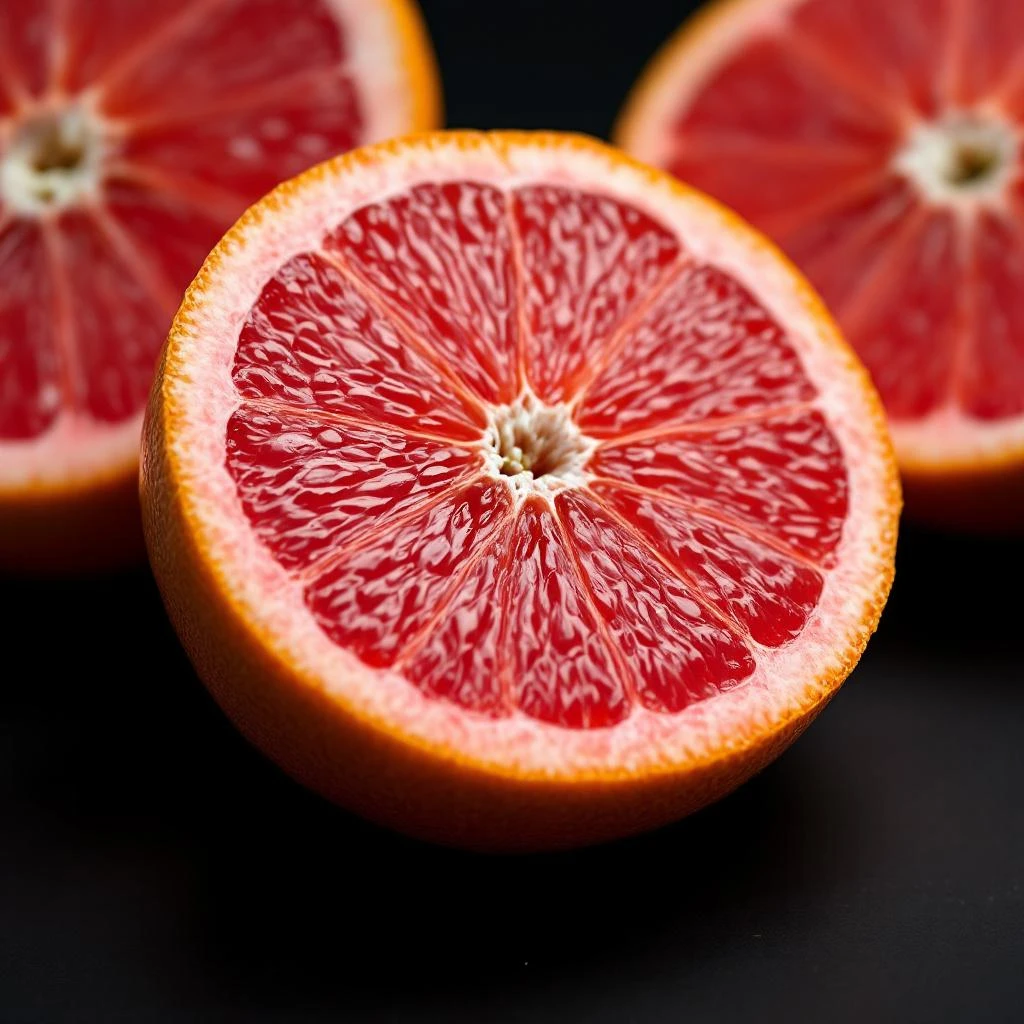
Yuzu
A rare citrus hybrid from East Asia, yuzu bridges tart mandarin and aromatic Ichang lemon. Its delicate, floral-peel scent has captivated Japanese perfumers for centuries, remaining one of the world's most elusive fragrance ingredients.

Character
How it smells
The elusive citrus that bridges East and West
Unlike most citrus, yuzu trees can survive frost. The cold stress actually deepens the fruit's aromatic complexity, making winter-harvested yuzu particularly prized.









Origin
China
Yuzu originated in central China as a natural hybrid between wild mandarin and Citrus ichangensis, the Ichang lemon. The fruit traveled to Japan centuries ago, where it became deeply embedded in culinary and aromatic traditions.
By the Edo period, yuzu held ceremonial significance, appearing in baths during winter solstice celebrations. Japanese perfumers began incorporating its oil into traditional compositions, valuing the fruit's ability to impart freshness without the sharpness of lemon.
Despite centuries of cultivation, yuzu remained largely unknown in Western perfumery until the late twentieth century, when global interest in East Asian ingredients surged. Today, Japan produces the majority of the world's yuzu oil, though the ingredient remains rare due to limited harvests and the fruit's finicky growing requirements.
Wears it best
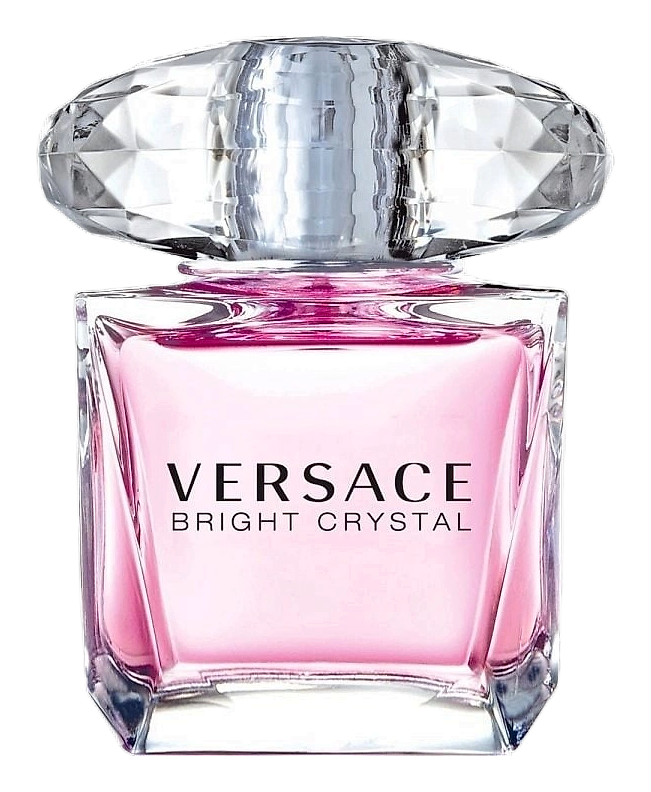
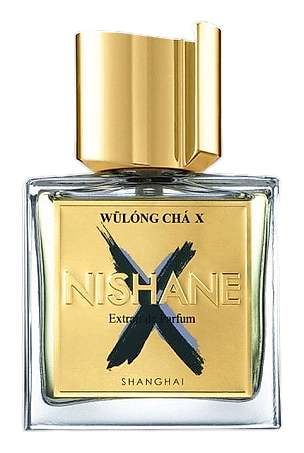
Fragrances featuring Yuzu







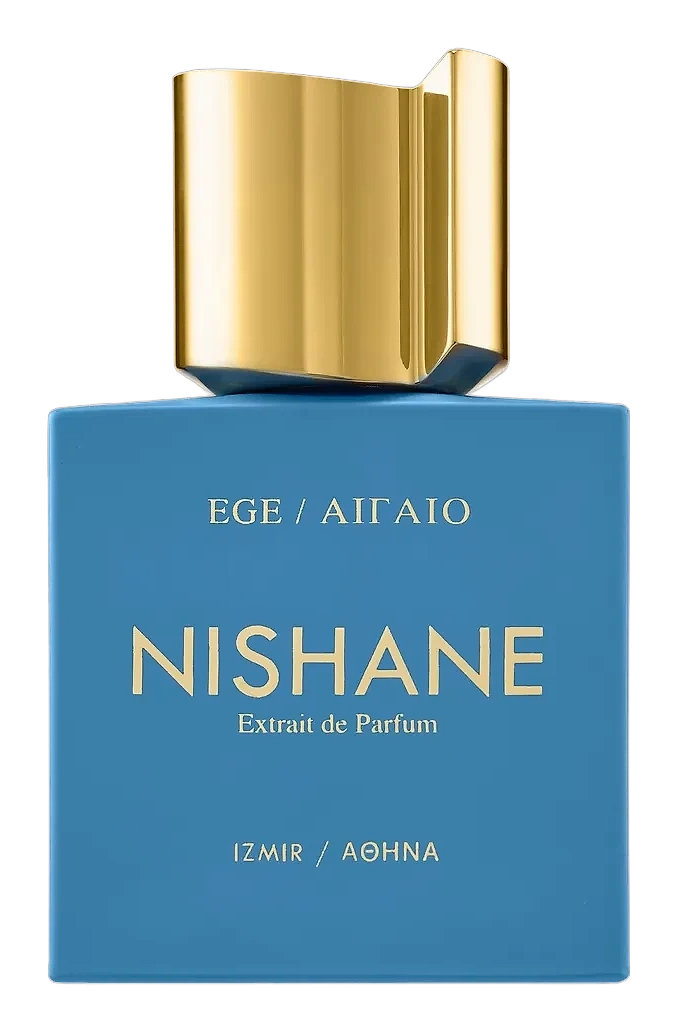


Brands
Brands known for Yuzu
Good to know
Questions, answered
The essentials on Yuzu in perfumery: how it smells, where it comes from, and how it behaves on skin.
What does yuzu smell like?
Yuzu presents a tart, grapefruit-like citrus opening with pronounced floral undertones and a subtle herbal warmth. The scent is less aggressive than lemon yet more aromatic than sweet orange, with a distinctive peely character that adds depth.
Is yuzu the same as other citrus fruits?
No. Yuzu is a distinct hybrid combining wild mandarin and Ichang lemon genetics. While sharing some characteristics with grapefruit or bergamot, its aromatic profile is uniquely complex and cannot be replicated by any single citrus.
What fragrance families use yuzu?
Yuzu appears primarily in fresh, bright compositions including colognes, citrus chypres, and modern florals. It adds sophistication to aquatic and green fragrances, often serving as a signature top note in upscale scents.
How rare is natural yuzu oil in perfumery?
Very rare. Yuzu trees produce modest harvests of small fruits, and cultivation remains centered in Japan. This limited supply makes genuine yuzu oil significantly scarcer than more common citrus materials like bergamot or lemon.
What other names does yuzu have?
The botanical name is Citrus junos. It has no widely recognized synonym in Western fragrance terminology, though some markets may reference it by its Japanese romanization.
When did yuzu enter Western perfumery?
Yuzu gained Western attention in the 1990s, though it appeared in Japanese perfumery centuries earlier. Its international adoption accelerated after 2000 as demand for East Asian ingredients grew.
Can yuzu be synthesized?
Synthetic yuzu accord exists but lacks the full complexity of natural cold-pressed oil. Naturals and synthetics are sometimes combined to balance cost, availability, and olfactory depth.
What ingredients pair well with yuzu?
Yuzu harmonizes with complementary citrus, white florals, transparent woods, and green tea accords. Its floral character makes it particularly compatible with jasmine and neroli.