The Story
Why it exists.
The beginning
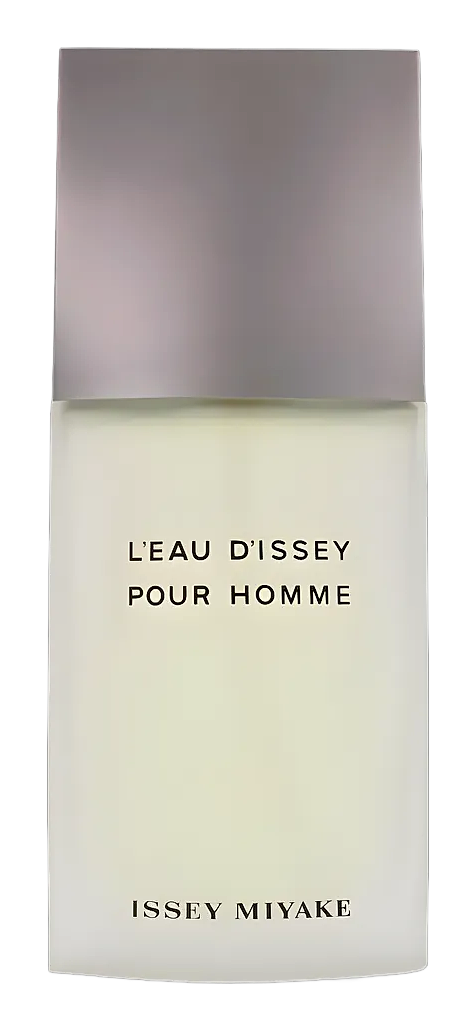
Jacques Cavallier-Belletrud composed this Intense version as a deepening of the original L'Eau d'Issey Pour Homme concept. The question was simple: what happens when you deepen the aquatic template without losing the clarity underneath? The answer arrived as spices. Nutmeg, cardamom, cinnamon, saffron. These warm the composition from within rather than announcing themselves. Incense and ambergris anchor the base, providing a mineral depth that supports the spice accord. The result is a fragrance that opens with the same bright citrus as its predecessor but carries the heat differently, through the heart rather than the projection. The name said Intense, but the composition worked through subtlety rather than volume.
The note structure is what makes this work. Yuzu and bergamot lead, then surrender to a warm spice heart, nutmeg, cardamom, cinnamon, saffron, that shifts the fragrance's character entirely. Blue lotus in the heart keeps the floral cool rather than sweet. The base builds from incense and papyrus into ambergris and benzoin, creating a drydown that lingers close to skin for hours. What separates this from typical fresh masculine fragrances is the way the aquatic foundation becomes philosophical rather than literal. The blue lotus bridges the watery origin and the warm drydown, preventing the spices from overwhelming the composition's coherence.
The evolution
The opening arrives bright and bracing. Yuzu and bergamot cut through like citrus oils on cold skin. Mandarin orange adds a rounder sweetness to the citrus trio, creating a more honeyed quality beneath the initial burst. The top notes transition smoothly as the heart phase reveals itself gradually. Nutmeg and cardamom arrive first, their warmth cutting through the citrus like a door opening into a heated room. Blue lotus threads through the spice accord, keeping the heart from becoming purely warm. Cinnamon and saffron arrive together, adding complexity rather than volume. By the second hour, the composition has shifted entirely from its fresh opening into a warm, steady spice presence. The drydown does not arrive so much as accumulate. Incense and papyrus build slowly, creating a smoky, paper-like backdrop. Ambergris adds a mineral saltiness that elevates the benzoin's sweetness.
Cultural impact
L'Eau d'Issey Pour Homme Intense arrived in 2007 as a masculine fragrance that works differently from its aquatic siblings. The spice-and-incense drydown appeals to wearers who want something beyond typical fresh masculine waters. Its warm, complex character makes it best suited for cooler months and evening wear, though its restraint makes it surprisingly versatile across seasons. The fragrance performs best when the air is cool enough to catch its nuanced drydown, where incense and ambergris create a smoky mineral warmth that lingers long after the initial application.