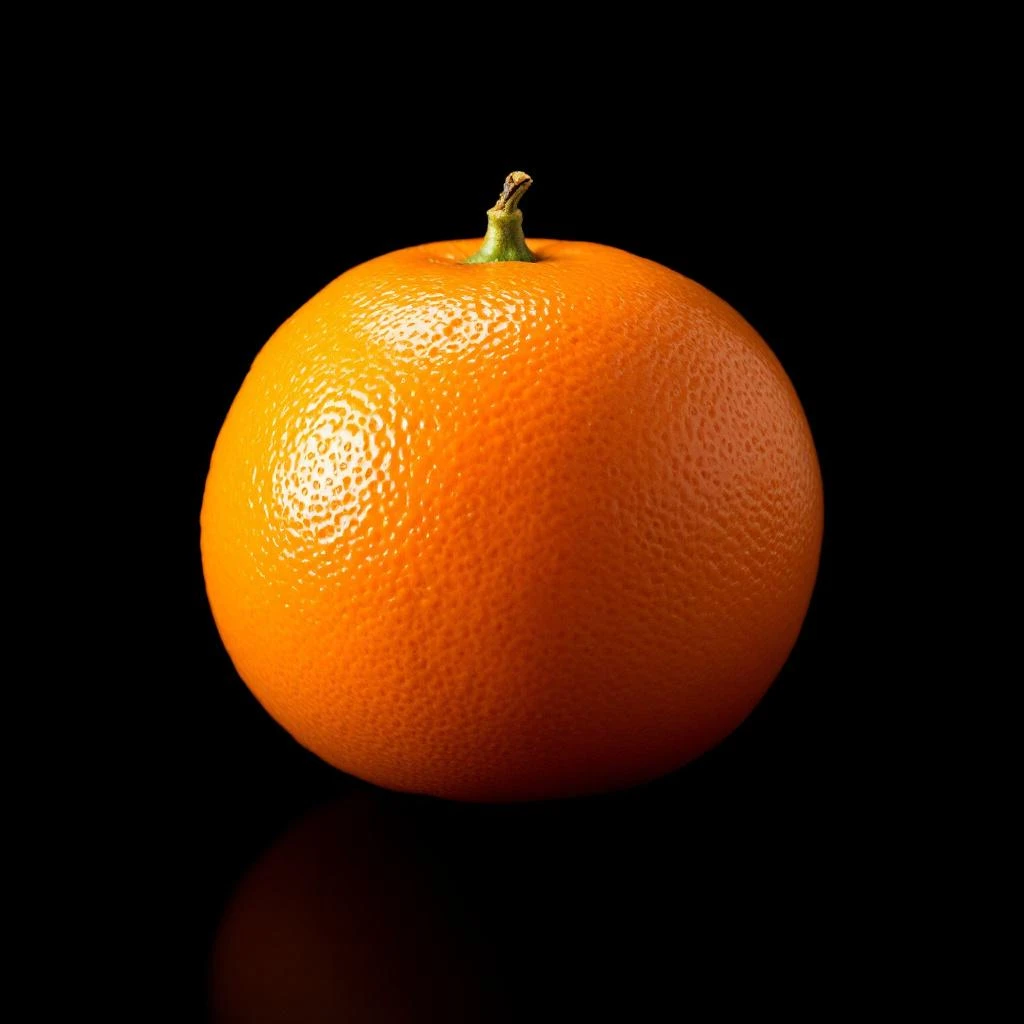
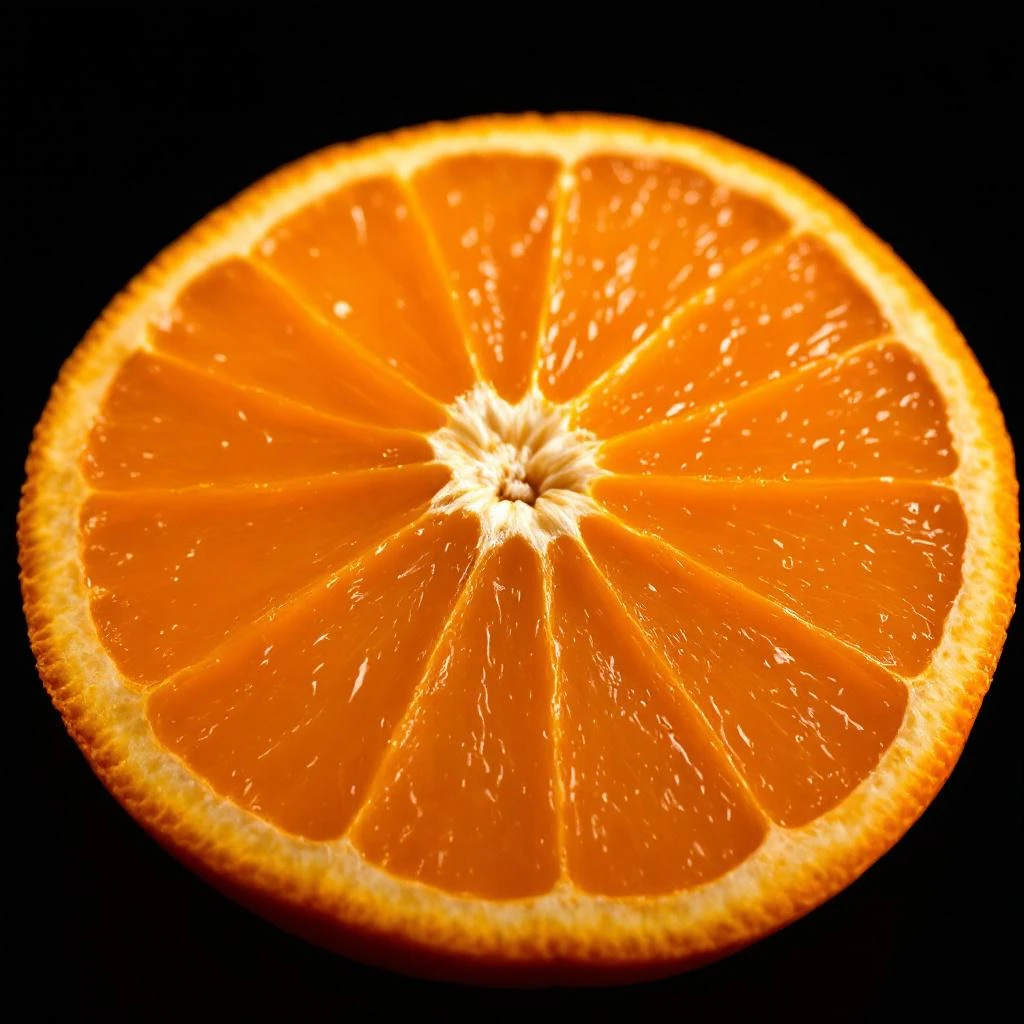
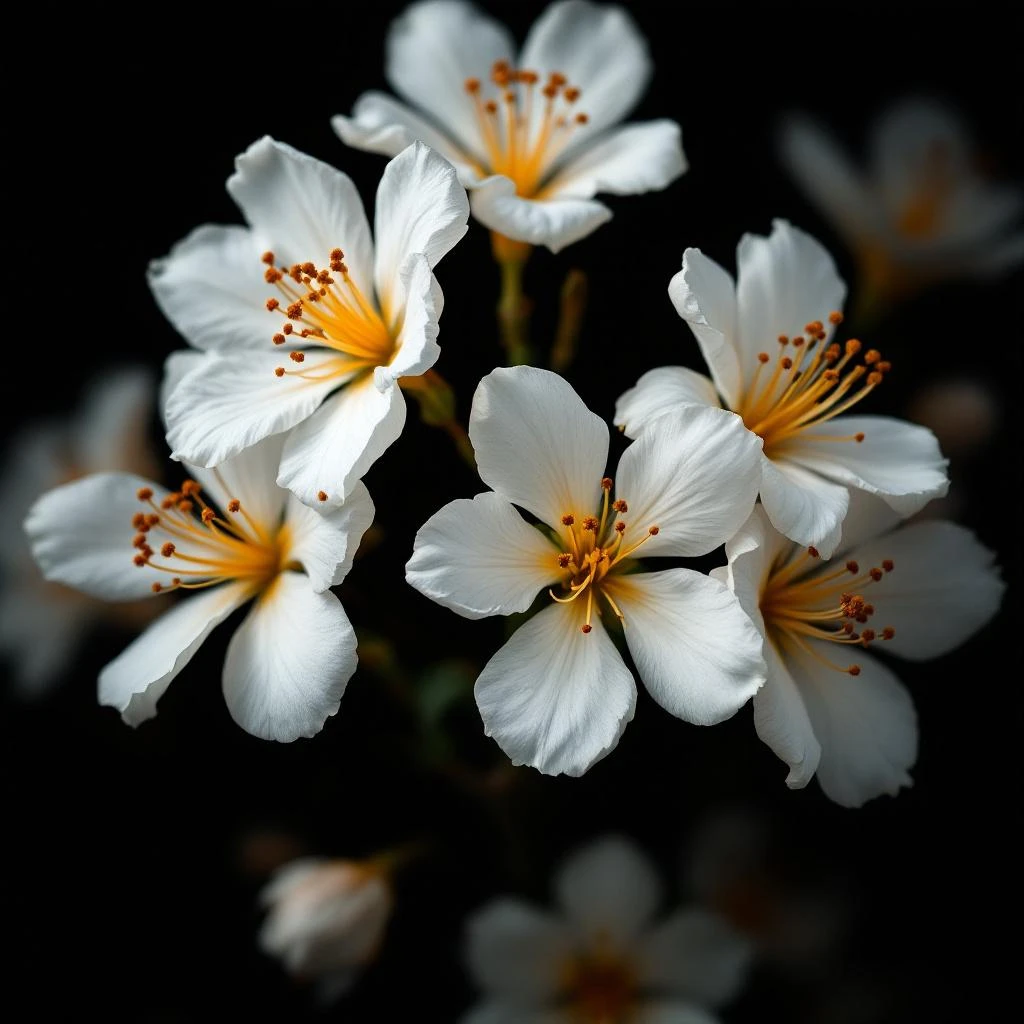
Mandarin orange zest
Mandarin orange zest captures the bright, sparkling top note of the fruit's peel — a burst of sunny citrus that feels like sunlight frozen in scent. Perfumers prize it for its fresh, sweet-tart brightness that lifts a fragrance from the first spray.
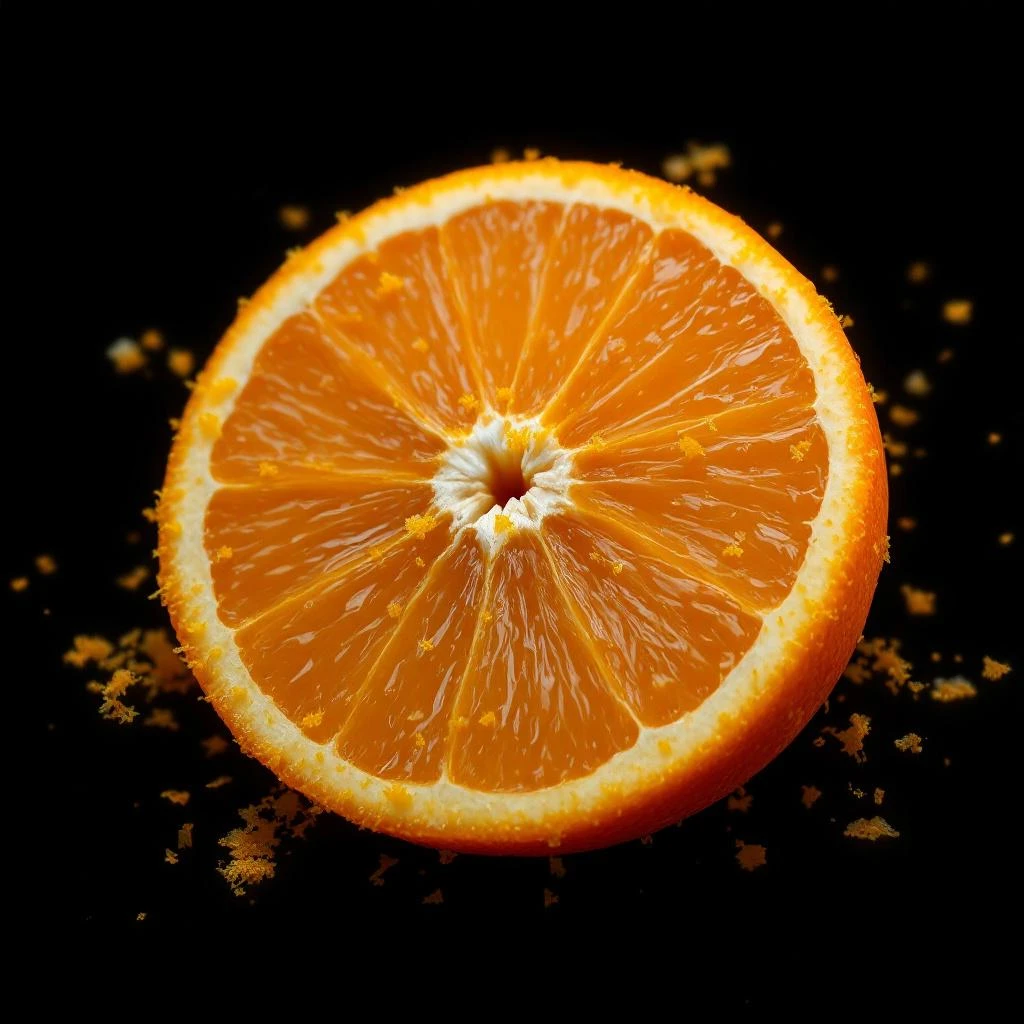
Character
How it smells
Citrus sunlight captured at peak ripeness.
The name 'mandarin' comes from the Chinese officials who traditionally received this fruit as a gift during festivals — the name itself honors the giver's respect for rank and diplomacy.







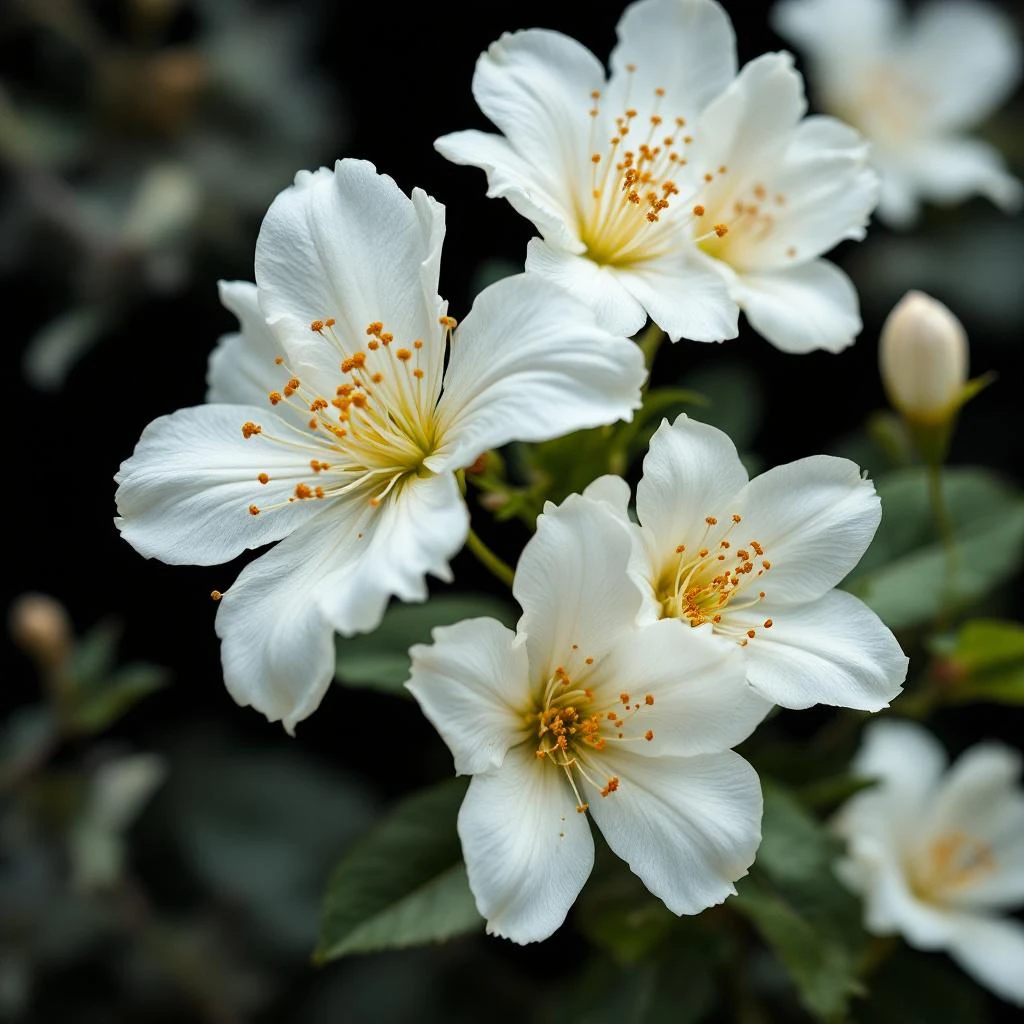

Origin
China
The mandarin orange traces its roots to ancient China, where it has been cultivated for thousands of years, making it one of the oldest citrus fruits known to perfumery. Its name carries an elegant historical weight: the fruit was traditionally offered as a gift to high-ranking government officials called mandarins during important festivals and ceremonies, and Portuguese traders carried the name westward as they mapped global trade routes.
This cross between two ancient citrus species spread gradually along Silk Road trade corridors and later reached the Mediterranean via European colonization, establishing firm roots in Italy, Spain, and beyond. By the time the fragrance industry took shape in the early 20th century, mandarin had already accumulated centuries of cultural significance across Asia and Europe.
Its sunny, optimistic character made it a natural choice for perfumers seeking to capture freshness and joy in liquid form. Today, mandarin orange zest appears in everything from bright colognes to complex chypres, valued for its ability to open a fragrance with immediate warmth and clarity.
Wears it best
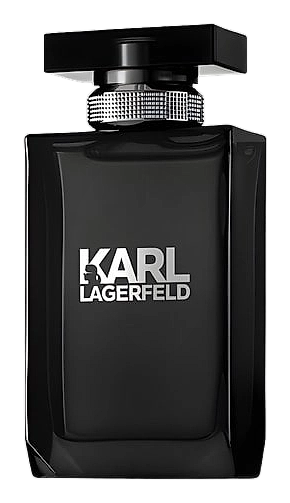
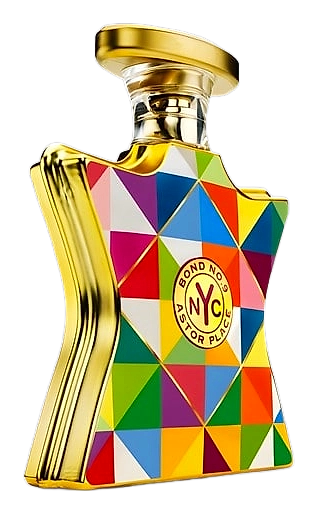
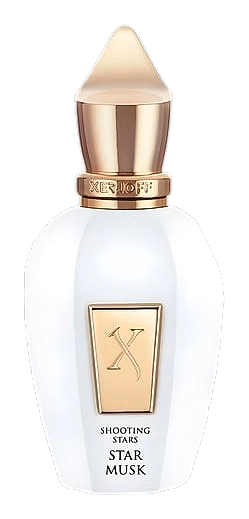
Fragrances featuring Mandarin orange zest


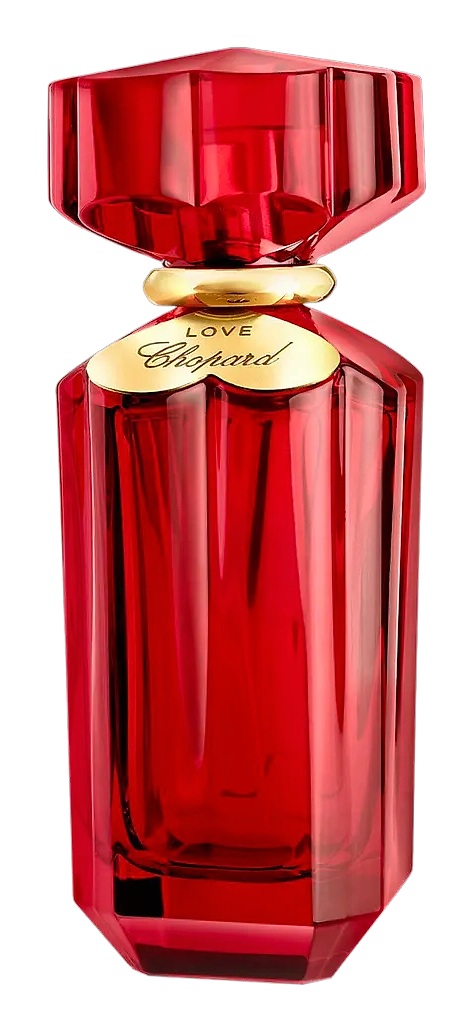
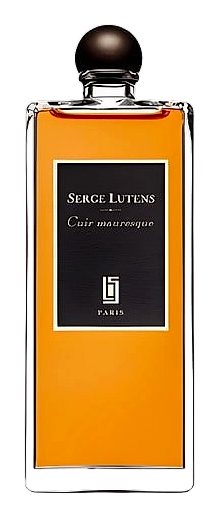
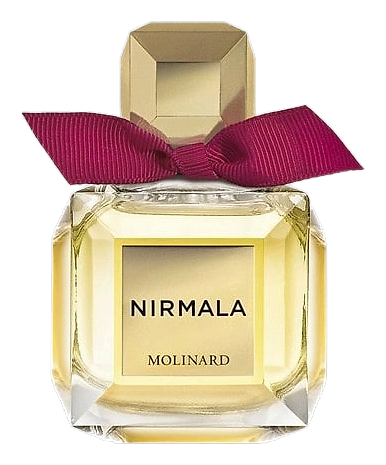
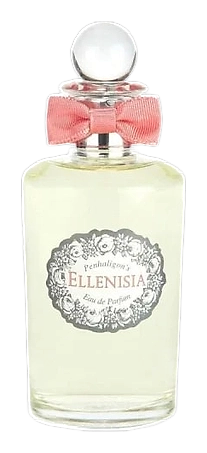
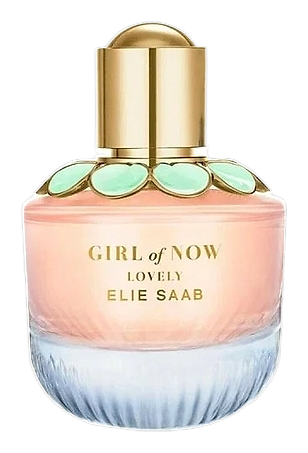

Brands
Brands known for Mandarin orange zest
Good to know
Questions, answered
The essentials on Mandarin orange zest in perfumery: how it smells, where it comes from, and how it behaves on skin.
How is mandarin orange zest extracted for perfumery?
Cold expression extracts mandarin zest oil mechanically, pressing the fresh peel without heat to preserve its bright, sparkling aroma compounds.
Is mandarin orange zest natural or synthetic in fragrances?
Natural mandarin zest comes from cold-pressed peel, while synthetic alternatives replicate its aromatic profile but lack the complexity of the real material.
What role does mandarin orange zest play in a fragrance?
It acts as a top note, delivering an immediate burst of bright, sweet-tart citrus that defines the first impression and creates a feeling of freshness.
How does mandarin orange zest differ from regular orange peel in scent?
Mandarin zest is sweeter and softer than bitter orange, with a gentler tartness and a more floral quality that reads as rounder and more approachable.
How long does mandarin orange zest last on the skin?
As a citrus top note, mandarin zest typically lingers for 15 to 60 minutes before evaporation reveals the heart and base notes beneath it.
Which fragrance families most commonly feature mandarin orange zest?
Citrus, fresh, and aquatic fragrances rely heavily on mandarin zest, though it also appears in modern fougère and floral compositions as a sparkling opening.
Does the harvest season affect mandarin orange zest oil quality?
Yes. Harvesting in mid-winter at peak ripeness produces the most aromatic and well-balanced oil, while earlier or later harvests yield flatter, less vibrant results.
What fragrance ingredients pair well with mandarin orange zest?
It combines naturally with other citruses like bergamot and grapefruit, and contrasts beautifully against warm base notes like sandalwood, amber, and white musk.