Blue Lotus
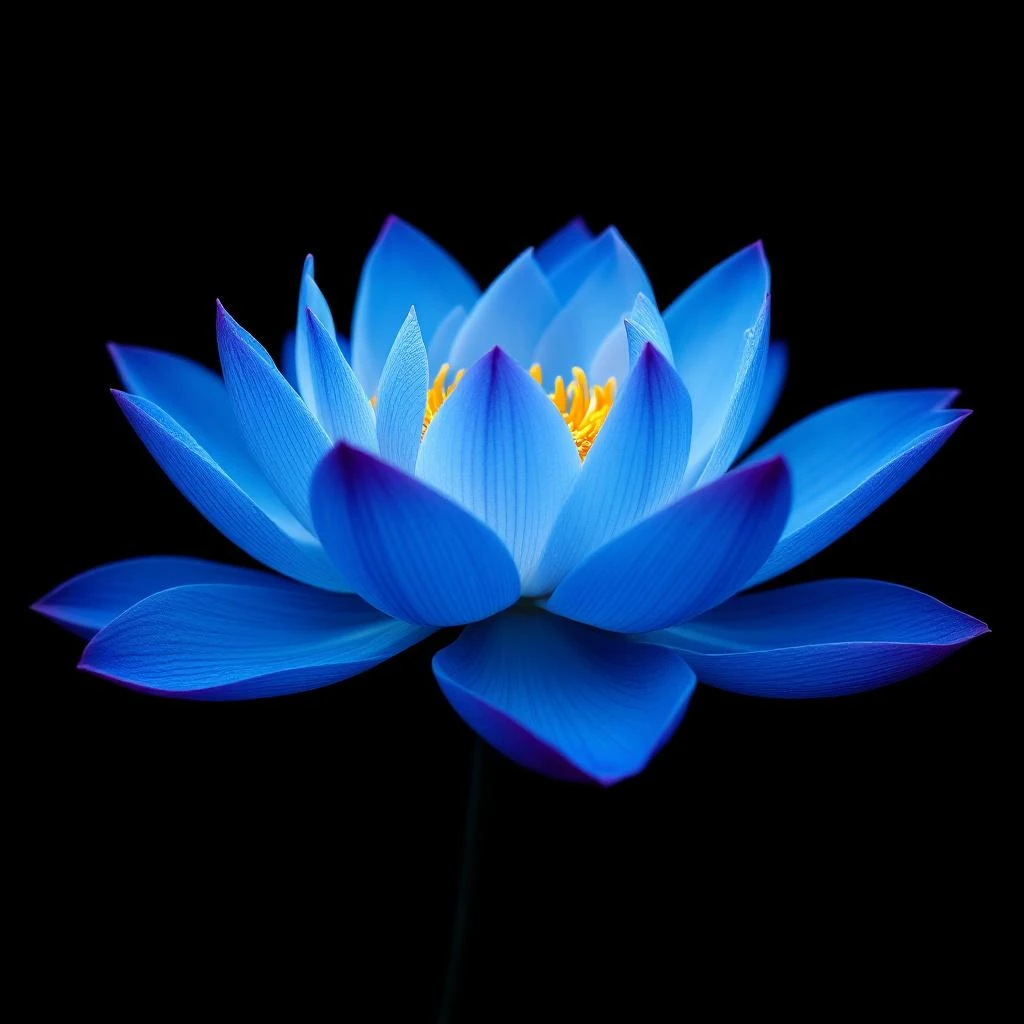
Blue Lotus carries a watery, slightly sweet floral scent with green and powdery undertones, evoking still ponds at dawn. In perfumery, most blue lotus accords are reconstructed synthetically, as true absolute is rare.
Character
How it smells
Ancient water lily, quiet aquatic florals
Genuine blue lotus absolute is so scarce that industry experts estimate most commercial 'blue lotus' fragrances rely on synthetic reconstructions rather than the actual flower.








Origin
Egypt
The blue lotus, Nymphaea caerulea, was sacred in ancient Egypt, where it appeared in tomb paintings, temple carvings, and funerary offerings as early as the Third Dynasty. Egyptians associated the flower with the sun god Ra because it opened at daybreak and submerged at dusk, mirroring the solar cycle. The plant also carried associations with rebirth, creation, and the afterlife, appearing in the iconography of Osiris and Nefertem.
Beyond its visual symbolism, evidence suggests Egyptians consumed the flower in wine and unguents, and traces of Nymphaea compounds have been found in vessels from Tutankhamun's tomb. The flower spread along trade routes into the Indian subcontinent, where it became integrated into Hindu and Buddhist art as a symbol of purity and emergence. In Ayurvedic tradition, lotus preparations were used for their cooling and calming properties.
By the 19th century, European botanists and perfumers took interest in the plant, but the difficulty of transporting fresh water lily blossoms from tropical regions limited commercial extraction. Today, its cultural legacy persists primarily through reconstructed accords in fragrance rather than direct use of the flower.
Wears it best
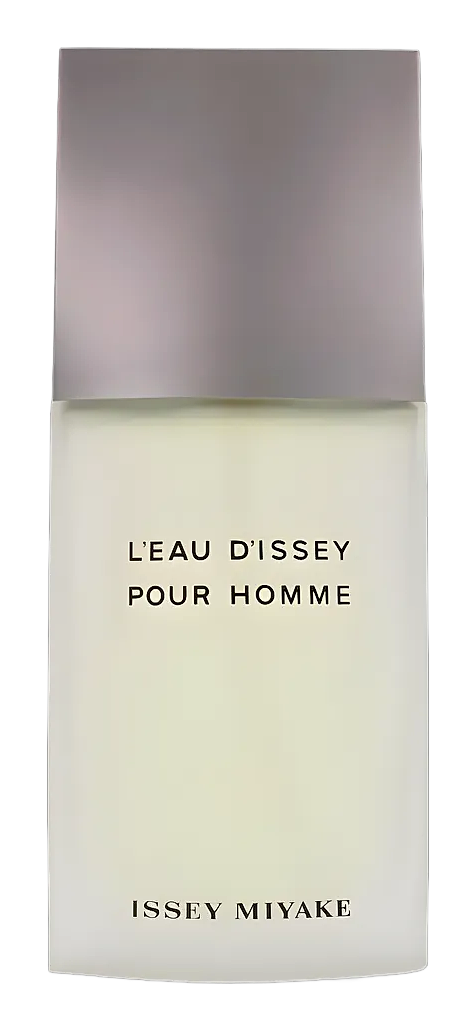
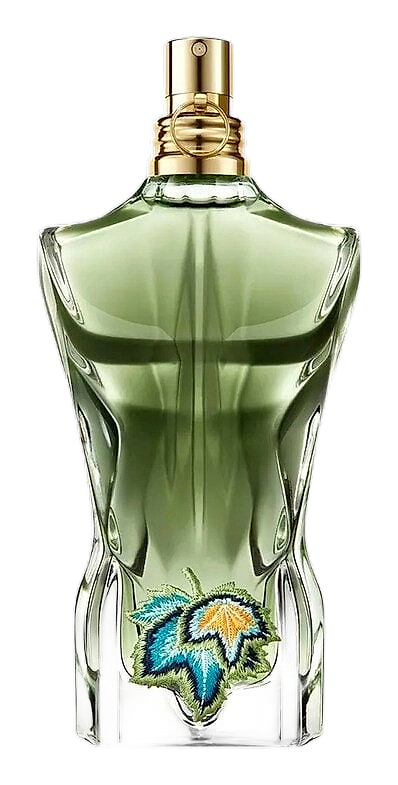
Fragrances featuring Blue Lotus

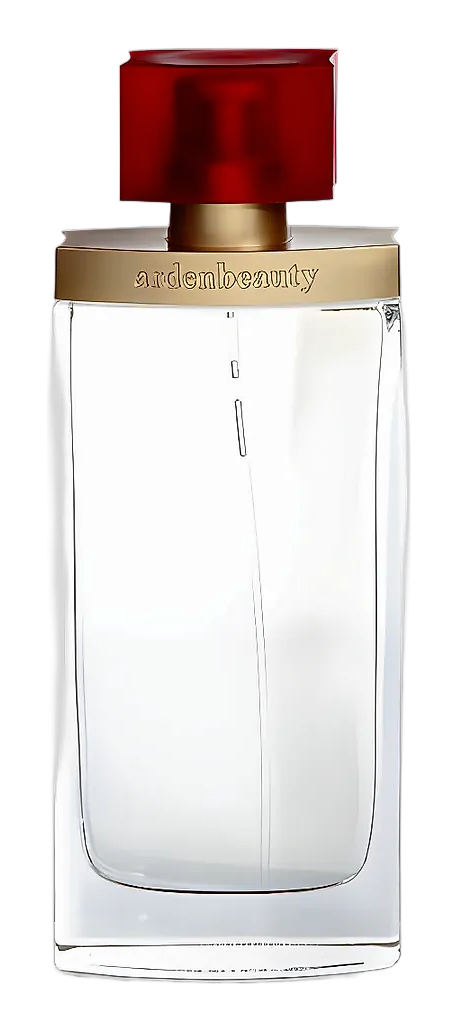


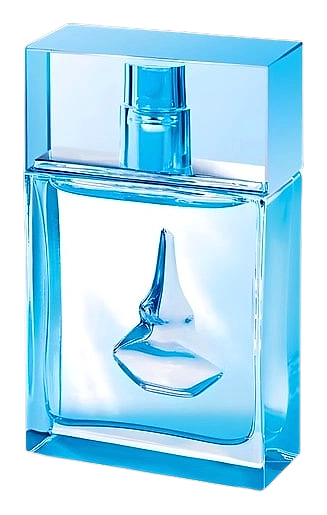
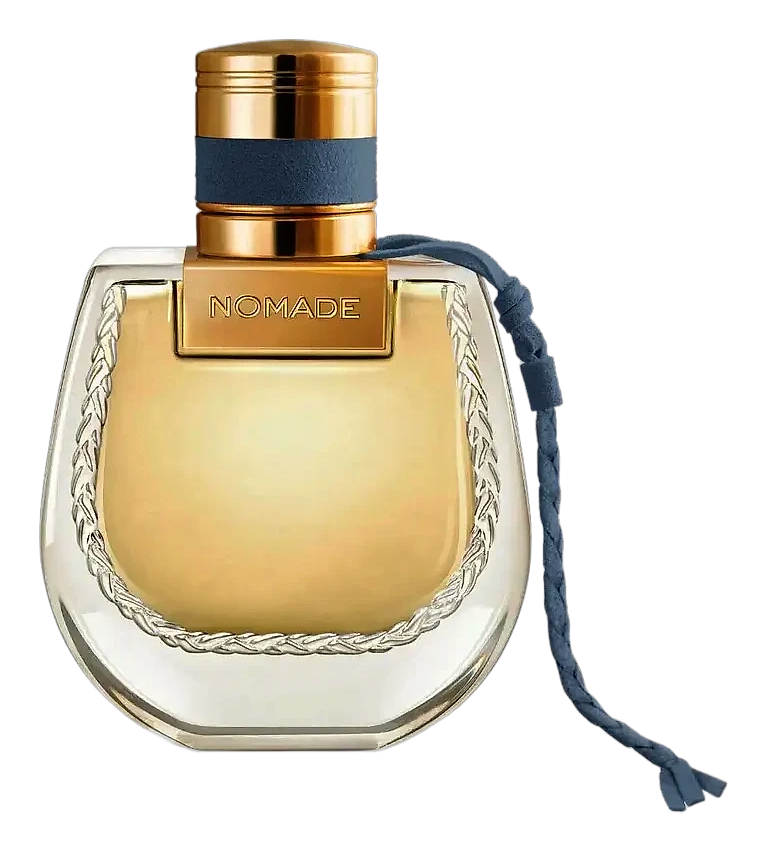
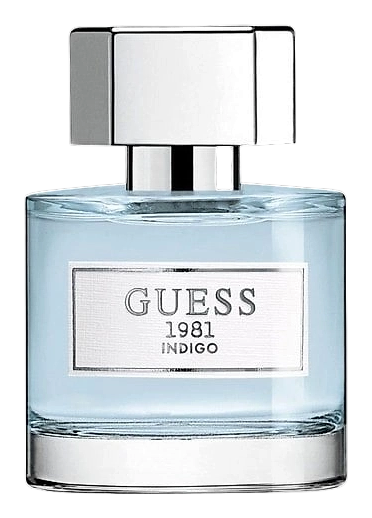
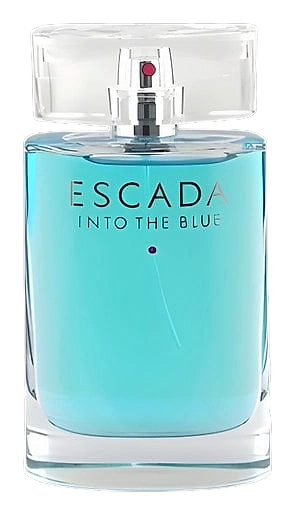
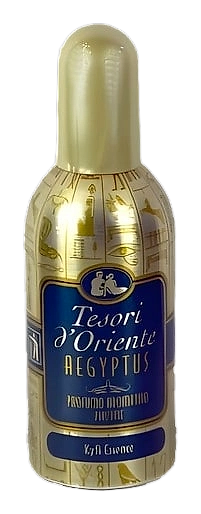
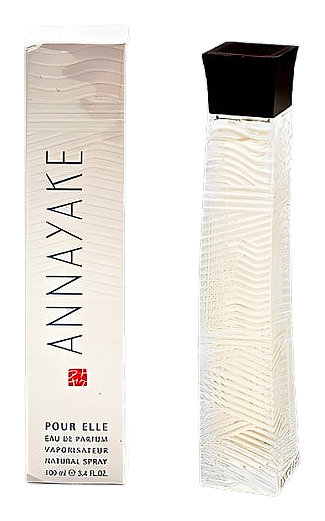
Brands
Brands known for Blue Lotus
Good to know
Questions, answered
The essentials on Blue Lotus in perfumery: how it smells, where it comes from, and how it behaves on skin.
What does blue lotus actually smell like?
Blue lotus absolute smells like a soft, watery floral with green, slightly fruity, and powdery facets. Most commercial 'blue lotus' fragrances use synthetic reconstructions because authentic material is extremely scarce and costly.
Is blue lotus a real fragrance ingredient?
Yes, but with a caveat. True Nymphaea caerulea absolute exists and is produced in small quantities through solvent extraction. However, the majority of blue lotus notes in modern perfumery are synthetic reconstructions.
Where does blue lotus originally come from?
Blue lotus originates from the Nile Delta and broader East African waterways. It also grows wild in Thailand and parts of Southeast Asia, though Egypt remains its most culturally significant origin.
What is the difference between blue lotus and water lily?
Botanically, blue lotus is Nymphaea caerulea, a true water lily species. The common confusion arises because many 'water lily' fragrances in perfumery refer to generic aquatic florals, not the specific Egyptian blue lotus.
Why is genuine blue lotus so expensive?
The flowers must be hand-harvested at dawn and yield very little extractable material. Solvent extraction produces only small batches, and the delicate blossoms degrade quickly after picking, driving costs high.
Did ancient Egyptians use blue lotus in perfume?
Yes. Archaeological evidence from sites including Tutankhamun's tomb shows Egyptians used blue lotus in scented oils, unguents, and ceremonial wines over 3,000 years ago.
What chemicals recreate the blue lotus scent?
Synthetic blue lotus accords typically combine linalool, hydroxycitronellal, and aquatic aldehydes with green and powdery modifiers to approximate the flower's watery floral profile.
Is blue lotus safe to use in fragrance?
Blue lotus absolute is generally regarded as safe in topical fragrance applications at standard concentrations. Regulatory bodies have not flagged significant restrictions, though genuine safety data remains limited due to its rarity.





