The Story
Why it exists.
The beginning
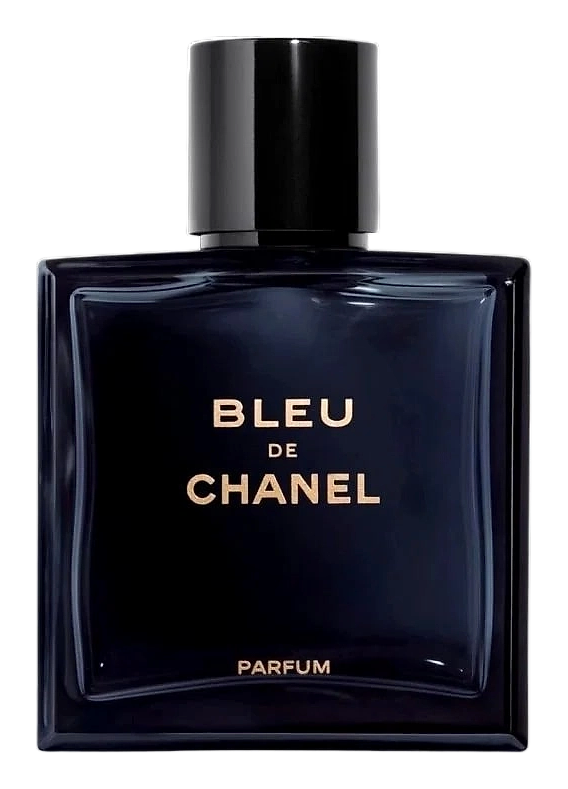
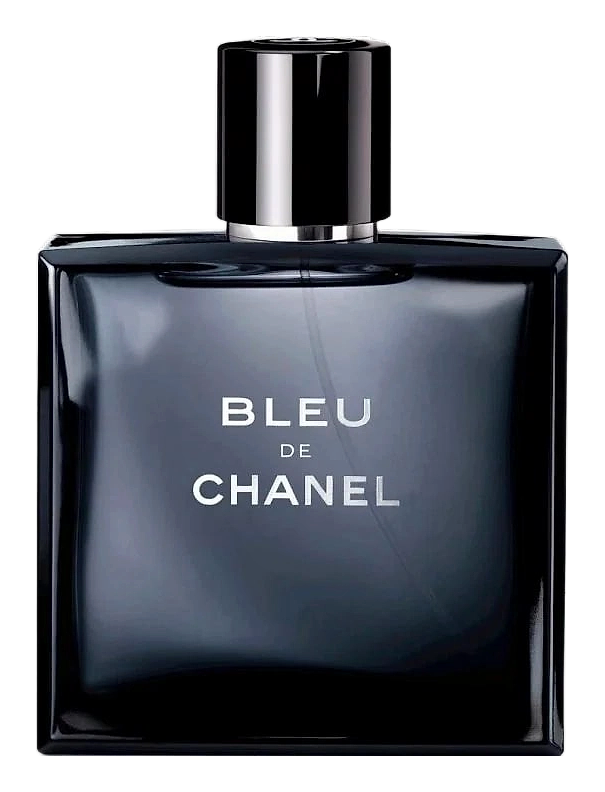
Bleu de Chanel arrived in 2010 with a quiet mission: to define what freedom smells like for a man. Chanel had spent decades as the definitive women's fragrance house. Bleu was the house's answer to a question it had never had to ask before. Perfumer Jacques Polge built the brief around restraint, not the absence of character, but the confidence to not perform it. The result is a fragrance that carries itself without needing to announce anything. That's the Chanel way: set the agenda, don't respond to it.
What makes Bleu de Chanel structurally interesting is how Polge refuses to let the composition rest. The top is bright and kinetic, citruses that hit immediately. But vetiver threads through from the start, pulling against the brightness so it never becomes purely cheerful. The heart of grapefruit and cedar shifts the energy from opening to something more grounded, more deliberate. By the time sandalwood and frankincense arrive in the base, the fragrance has been telling a different story than the one it opened with. The architecture is the point: each phase earns the next.
The evolution
The opening is immediate, citruses and pink pepper, sharp and kinetic. Vetiver arrives within minutes, pulling the brightness toward something earthier. The grapefruit heart emerges around the two-hour mark, its bitter-sweet character tempering the initial energy into something more composed. Cedar settles in quietly, adding dry warmth. By hour four, the drydown takes over: sandalwood as the quiet anchor, ginger pulsing underneath, frankincense holding everything together with a resinous backbone that refuses to disappear. The sillage stays moderate, present enough for someone nearby to notice, intimate enough that it feels like a choice. What lingers at the end of the day is a close warmth on skin, the scent of someone who didn't need to fill the room.
Cultural impact
Bleu de Chanel has become the default for men entering luxury fragrance, a benchmark so embedded in the category that it functions as the reference point. Since Gaspard Ulliel first represented it in 2010, the fragrance has maintained a remarkably consistent reputation: versatile enough for daily wear, elevated enough for evening, neither challenging nor safe. The Chanel aesthetic of disciplined luxury and minimalist clarity lives in every phase of this composition. Its longevity and balanced character have made it a reliable choice across contexts and age groups, a rare feat in a category where preferences shift frequently.