Citruses
Citrus notes capture the bright, clean zest of lemon, bergamot, orange, and grapefruit. These volatile oils from fruit peels deliver an immediate spark of sunshine to any fragrance.

Character
How it smells
Nature's first light in a bottle.
Citrus oil production is a byproduct of juice manufacturing—peels are processed after the fruit is squeezed.









Origin
Italy
The first liquid perfumes appeared in ancient Greece, but Arab chemists during the Middle Ages developed the distillation techniques that made citrus oil extraction practical without destroying delicate aromatic molecules. By the 1700s, Italian and German perfumers were creating the citrus-heavy formulas that became modern Eau de Cologne.
The classic 4711 formula from 1792 and similar creations defined masculine fragrance for centuries. These bright, uplifting scents became the standard for fresh, clean personal grooming.
Today, citrus oils remain essential in perfumery, used to create immediate openings and clean, modern character in fragrances across all scent families. Synthetic citrus molecules now supplement natural oils, but perfumers still prize the complexity that natural extracts provide.
Wears it best
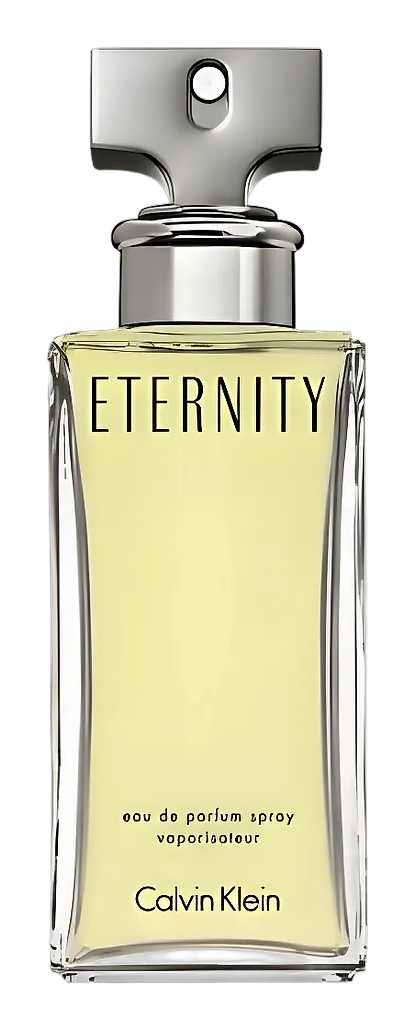
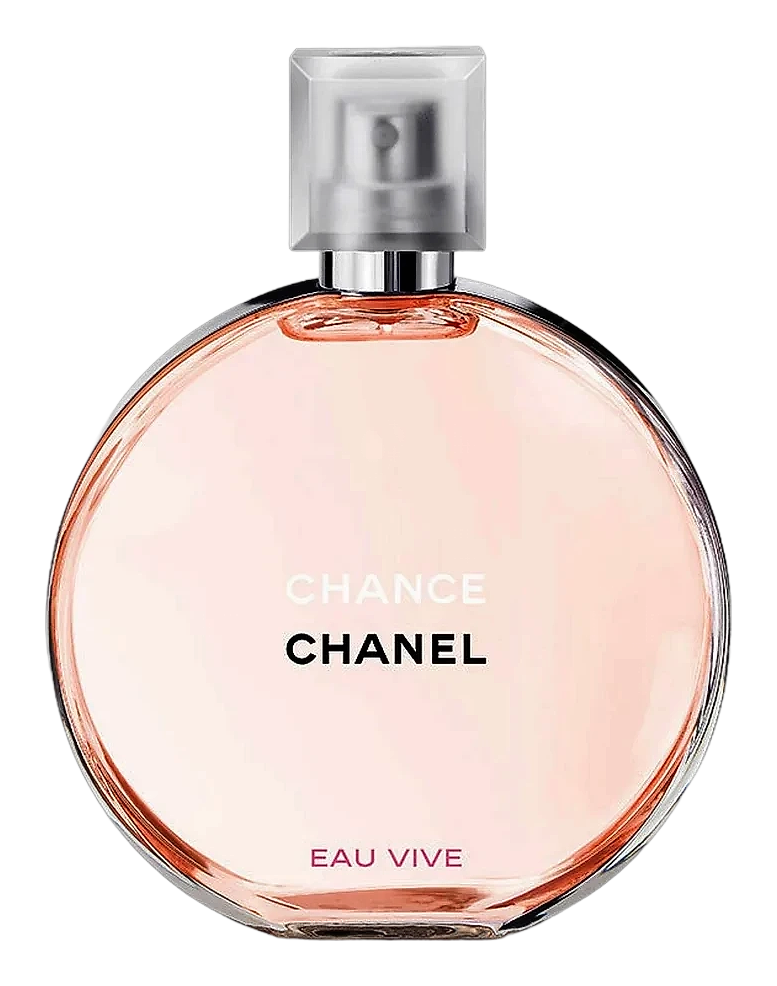
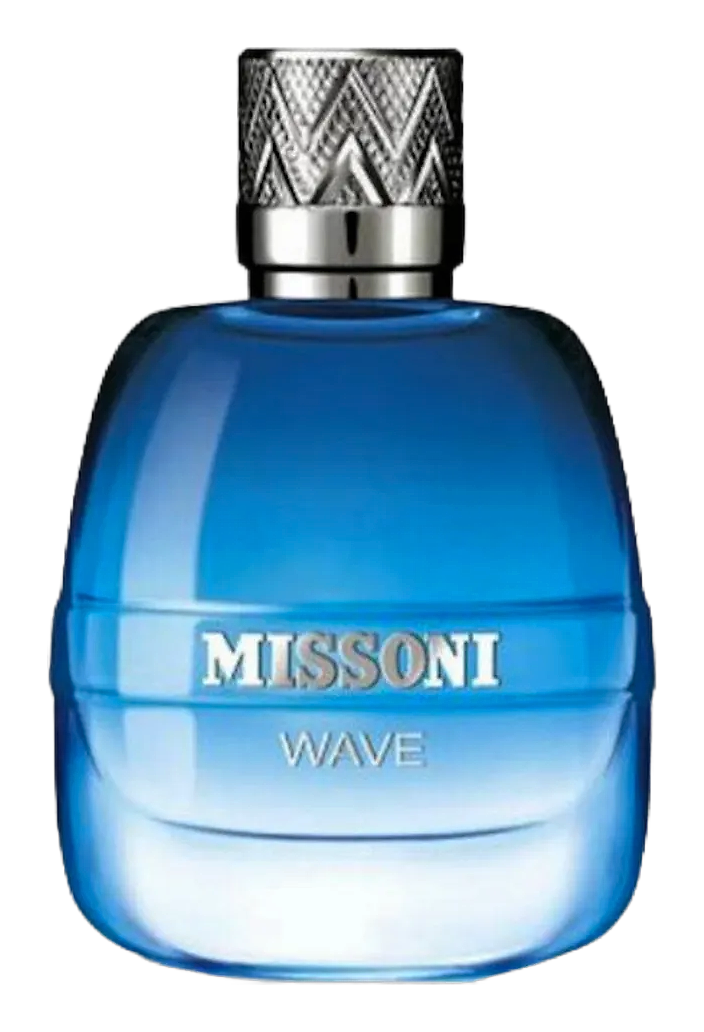
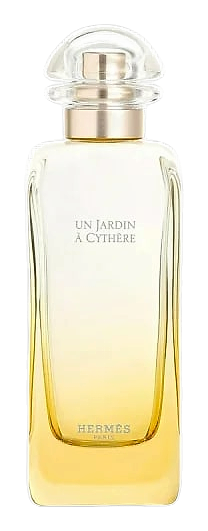
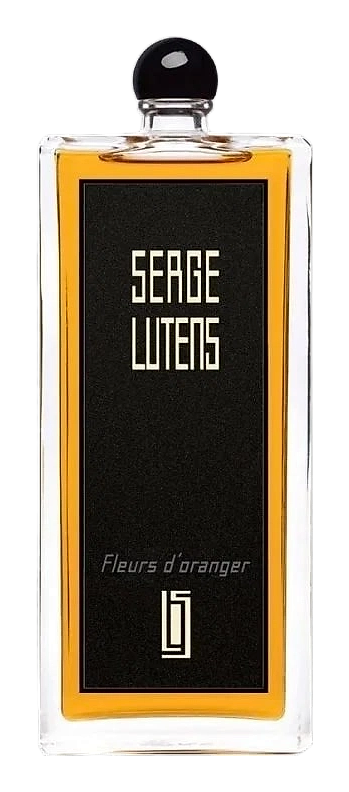
Fragrances featuring Citruses







Brands
Brands known for Citruses
Good to know
Questions, answered
The essentials on Citruses in perfumery: how it smells, where it comes from, and how it behaves on skin.
What are citrus notes in perfumery?
Citrus notes are aromatic compounds extracted from fruit peels, including bergamot, lemon, orange, and grapefruit. They create the bright, fresh opening in fragrances. These materials contribute an immediate sparkling quality that signals cleanliness and energy.
How do citrus notes behave in a fragrance composition?
Citrus oils serve as top notes because their volatile compounds evaporate quickly once applied. On skin, they typically last 15 minutes to a couple of hours before the heart and base notes emerge. This fleeting quality makes them ideal for creating first impressions.
Are citrus oils safe for skin application?
Natural citrus oils can cause photosensitivity in some individuals, meaning skin may burn more easily in sunlight. Bergamot oil particularly contains furanocoumarins that increase sun sensitivity. Many modern fragrances use photochemically reduced citrus oils to minimize this risk.
Why are citrus notes so expensive?
Extracting citrus oil requires enormous quantities of raw material. It takes roughly 200 kilograms of bergamot fruit to produce a single kilogram of essential oil. The fruits are also seasonal, and the oil degrades over time, adding to production costs and storage challenges.
How long do citrus fragrances last on skin?
Natural citrus fragrances typically last 2 to 4 hours on skin due to the volatile nature of these compounds. Reapplication is common for those wanting citrus character throughout the day. Modern perfumery sometimes layers natural and synthetic citrus materials to extend longevity.
What is the difference between natural and synthetic citrus ingredients?
Natural citrus oils contain hundreds of individual aromatic molecules that evolve as the fragrance develops. Synthetic alternatives typically replicate a narrower range of compounds, often focusing on the dominant limonene molecule. This difference creates subtle but noticeable variations in scent evolution.
Which countries produce the best citrus oils for perfumery?
Italy produces the most prized bergamot oil from Calabrian orchards. Spain, Florida, and Brazil lead in orange and grapefruit production. Each region's climate and soil create distinct aromatic profiles in the same citrus species.
Why do classic fragrances like Eau de Cologne rely heavily on citrus?
Eau de Cologne originated in 1709 Germany with a formula emphasizing citrus oils paired with neroli and rosemary. This bright, refreshing profile became synonymous with cleanliness and masculinity. The formula established citrus as the foundation for modern fresh fragrances.