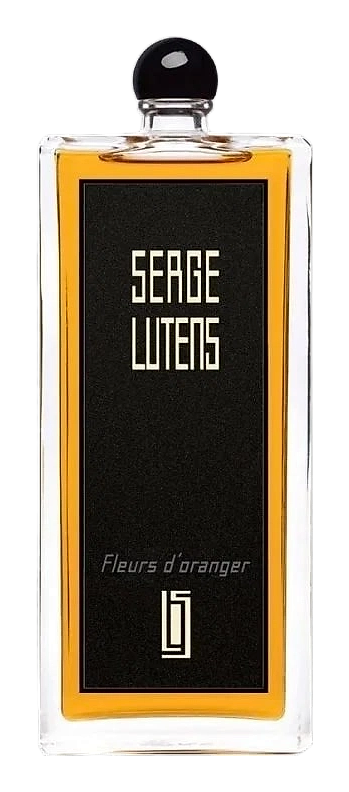
The Story
Why it exists.
The beginning
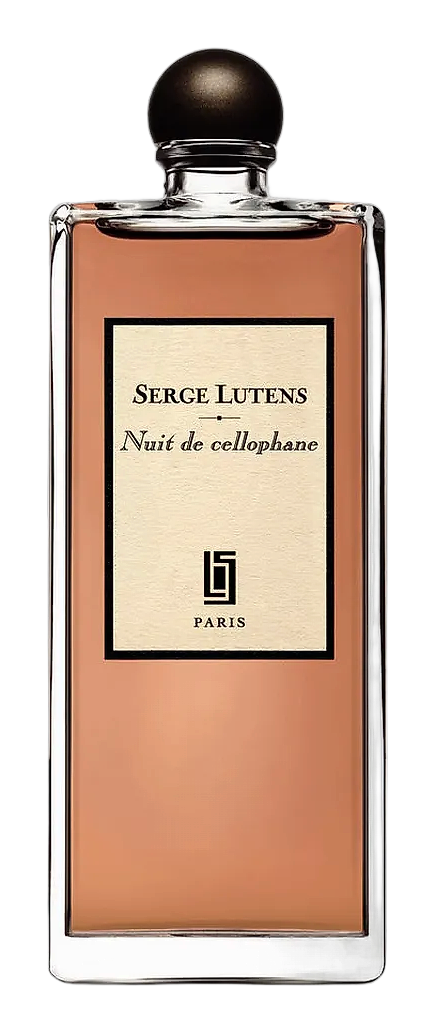
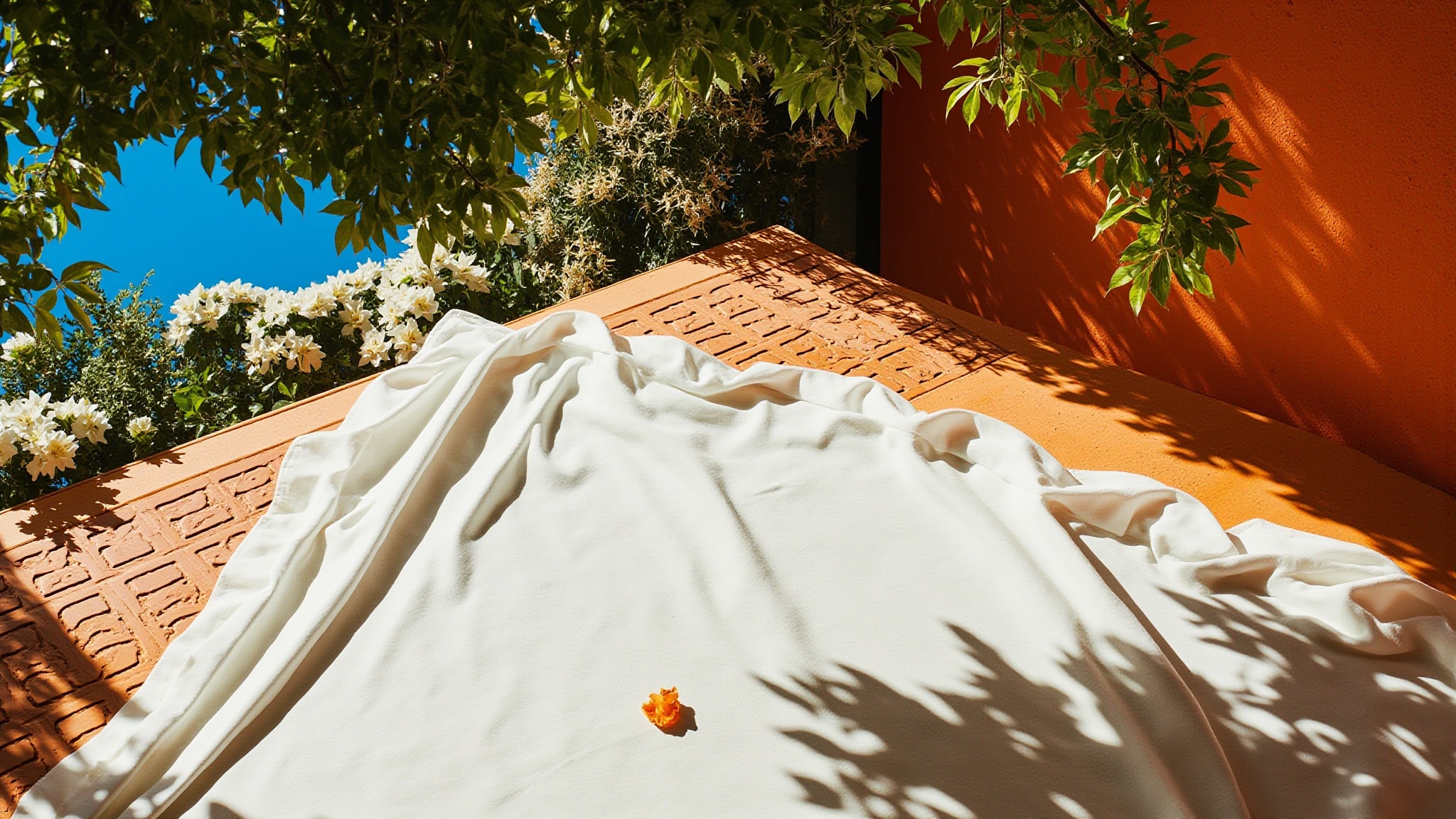
Serge Lutens arrived in Morocco in 1968, and the sensory shock of that first encounter shaped everything that followed. He watched women beating orange blossom trees with sticks, catching the falling white petals in large white sheets spread beneath them. That image, the violence of the beating and the gentleness of the catching, became the foundational tension in his work. Fleurs d'Oranger attempts to capture not the smell of orange blossom but the act of obtaining it, the contradiction at its center. The fragrance does not represent the flower so much as the labor around it, the effort required to fix something ephemeral.
The note profile resists the obvious reading. Orange blossom suggests something gentle, almost domestic, but Lutens populates it with jasmine, tuberose, and cumin, materials that introduce complexity and even discomfort. The cumin especially represents a deliberate choice to avoid prettiness, to make the floral presence feel earned rather than given. White rose and hibiscus function as the composition's restraint, preventing the tuberose and jasmine from overwhelming the wearer. Musk grounds everything, gives it somewhere to settle, and woody notes provide the dry persistence that keeps the fragrance from simply disappearing.
The evolution
The fragrance opens in medias res, as if the collection of petals has already occurred and we are now living with the consequences. Orange blossom and neroli arrive together, their citrus-adjacent brightness immediately present. Jasmine and tuberose follow within minutes, their indolic character creating density that reads as heat rather than sweetness. Cumin appears early, its warm spice grounding the floral abundance and preventing it from becoming decorative. White rose and hibiscus provide subtle counterpoint, their freshness cutting through the richness. Over the first three hours, the citruses quiet and the flowers begin to merge into a unified presence. Musk emerges as the structural element while woody notes persist quietly beneath. The final hours show the fragrance settling into skin proximity, the flowers receding to memory, the cumin and musk remaining as a record of what occurred.
Cultural impact
Fleurs d'Oranger occupies a singular position in the white floral category, not the sanitized orange blossom of mainstream perfumery, but the raw abundance of the flower itself. Among Serge Lutens' catalog, it stands as one of the house's most accessible compositions while retaining the confrontational richness that defines the brand. The fragrance has maintained its presence since 1995, outliving trends through pure olfactory conviction rather than marketing.