The Story
Why it exists.
The beginning
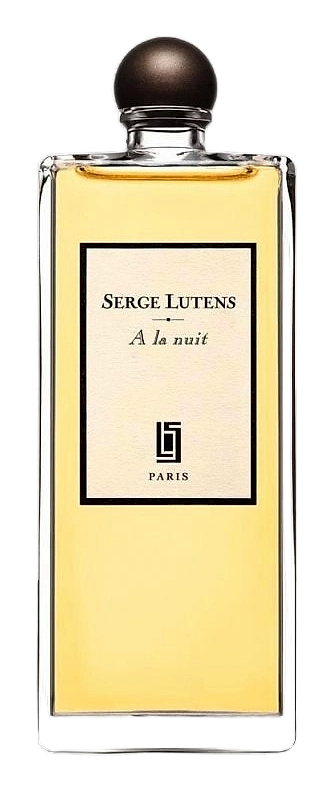
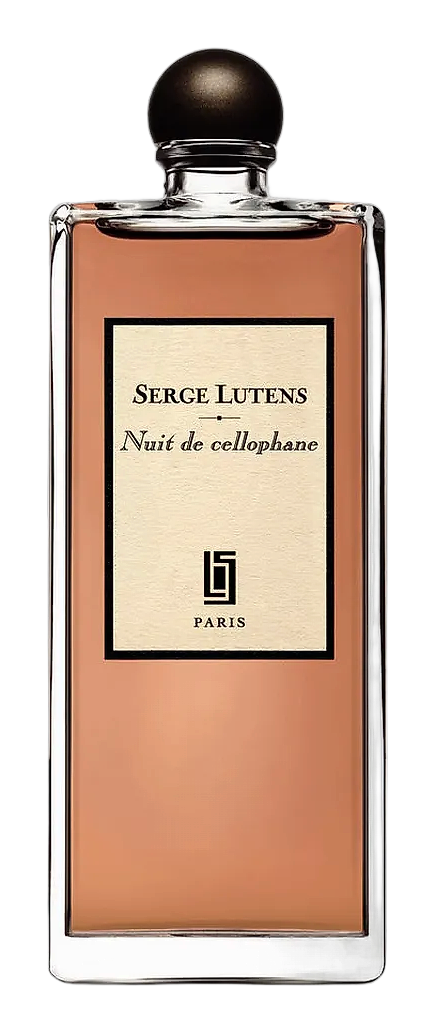
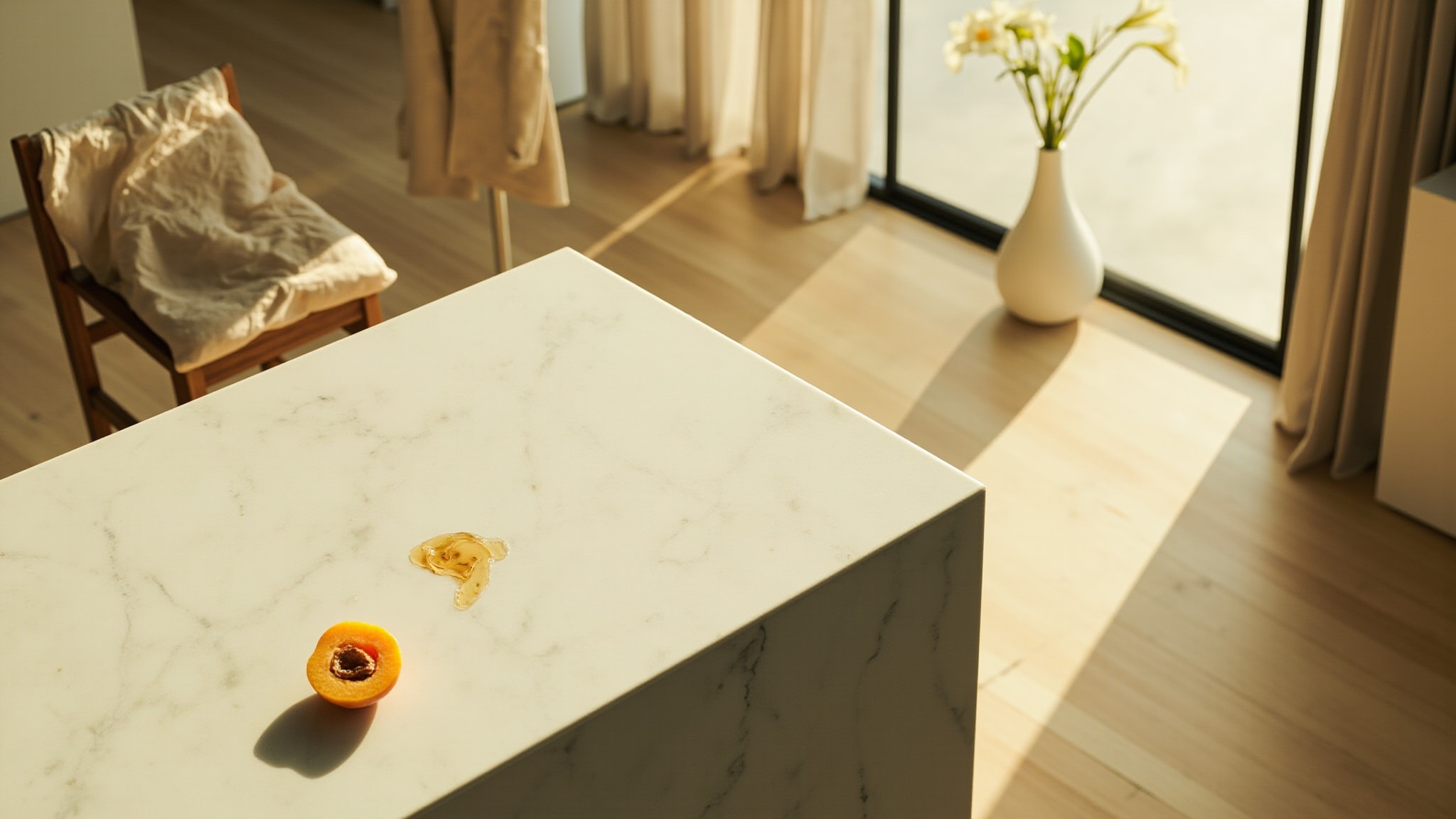
The Collection Noire is known for what it demands. Iris Silver Mist fogs the room for hours. La Fille de Berlin draws blood. You either submit or you walk away. Nuit de Cellophane was Christopher Sheldrake's counter-argument, composed within that same house of confrontational beauty but built on the opposite premise entirely. Mandarin opens. Not bergamot, not lemon. Mandarin, with its cool, almost watery brightness. Then osmanthus, the apricot blossom with its delicate interplay of fruit and honey. The result reads less like perfume and more like translucence itself, a night seen through wrapping.
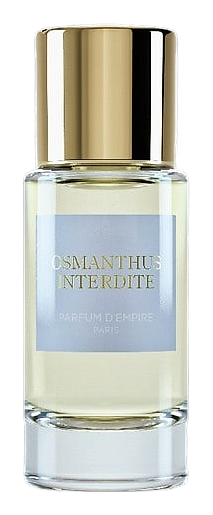
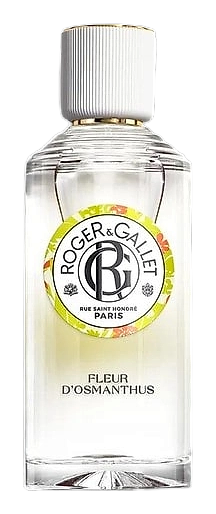
Osmanthus is the tell. It blooms briefly in autumn, carrying the scent of apricot skin and warm honey on its petals. Here it anchors the entire composition, surrounded by jasmine and lily that keep the floral accord from sharpening. Mandarin in the top gives the whole thing its cool, bright air. Honey and musk in the base ensure the drydown doesn't disappear entirely. What Sheldrake built is a fragrance that resists the house's instinct for confrontation and instead makes a case for delicacy as its own kind of courage.
The evolution
The opening is tart and green. Mandarin at its most mandarin, with osmanthus already present in the background, giving the citrus something soft to push against. Within twenty minutes, the green notes recede and the floral heart emerges. Jasmine and lily lift the composition, osmanthus adds its apricot-honey sweetness, and the whole thing turns warm and tender. It smells like a memory of flowers rather than flowers themselves. By the third hour, the drydown arrives. White flowers and clean musk, skin-like and intimate. The honey lingers faintly. The fragrance stays close to the skin, present without projecting loudly. You smell it, and then you catch it again, closer.
Cultural impact
Nuit de Cellophane arrived in 2009 as part of Serge Lutens' Collection Noire, a line built on atmospheric storytelling rather than commercial accessibility. The fragrance arrived during a period when niche perfumery was still gaining mainstream traction. Rather than demanding attention, it whispered. Its osmanthus-centric approach brings a floral note often associated with Chinese perfumery into the heart of a Western fragrance house. The composition unfolds with cool mandarin brightness before revealing a warm, tender heart where jasmine and lily frame the apricot-honey character of osmanthus.