The Story
Why it exists.
The beginning
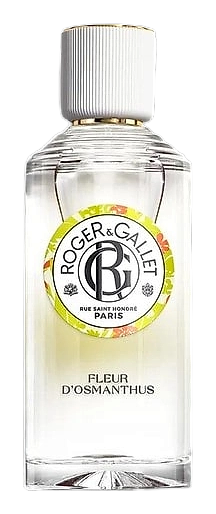
Nathalie Lorson built Fleur d'Osmanthus around the flower itself, a 2011 collection inspired by Chinese osmanthus, a material she'd clearly been thinking about for a while. Osmanthus isn't a mainstream note. It doesn't have the recognition of rose or jasmine, and it's harder to work with, the absolute carries apricot, honey, and a faint leathery undertone that can tip into abstraction if the perfumer doesn't handle it right. Lorson didn't let that happen. She paired osmanthus with neroli to keep the floral clean, added citrus top notes for brightness, and anchored the whole thing in warm, creamy base materials that let the heart breathe. The result is a fragrance that smells like the flower, not like an idea of the flower.
What makes Fleur d'Osmanthus distinctive is the osmanthus absolute itself, it's not just a floral, it's a material with actual weight and complexity. The apricot-honey character is immediately recognizable to anyone who's smelled the real thing, and there's a subtle leathery undertone that gives it depth most florals skip entirely. When you pair that with neroli, which adds a clean, slightly bitter citrus blossom quality, you get a heart that feels both warm and precise. The base of tonka and benzoin brings warmth without sweetness overload, and sandalwood adds a creamy, almost skin-like quality that keeps the drydown intimate rather than projecting.
The evolution
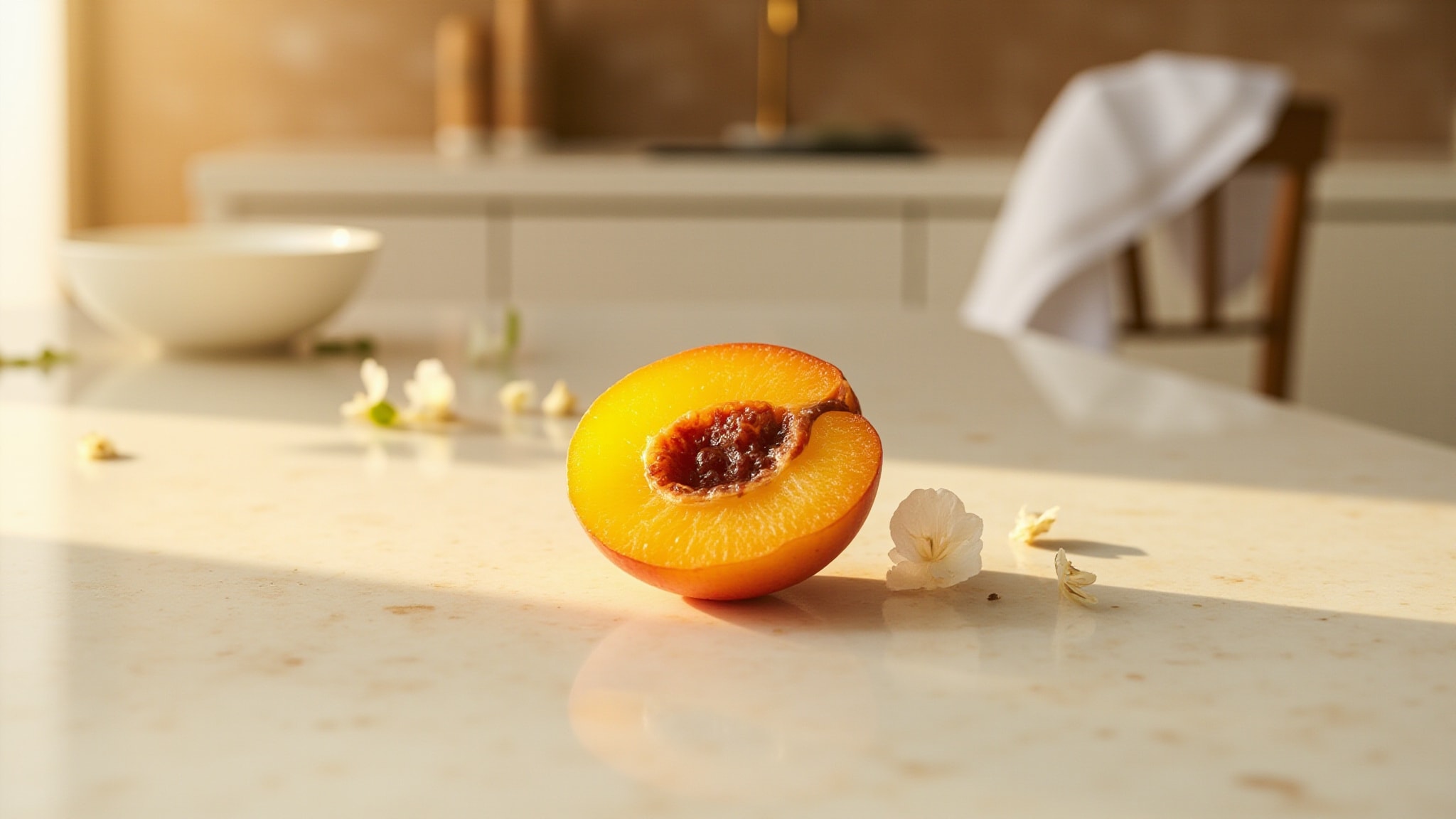
The opening arrives bright and clean, grapefruit leading with a tart, sparkling quality while mandarin and orange bark add sweetness and texture. The citrus doesn't feel aggressive; it's more like a glass of water with slices in it, refreshing and clear. Within minutes the osmanthus emerges, and that's when the fragrance finds its voice. Apricot and honey come forward with a soft, tea-like quality, not a fruit bomb, but a delicate floral that smells like the actual blossom. Neroli slides in to soften the edges, creating a warm white floral heart that's neither heavy nor transparent. The drydown is where this fragrance earns its quiet reputation. Benzoin and tonka bring warmth without sweetness, and sandalwood keeps everything close to the skin. It's the kind of wear that doesn't announce itself, you catch it occasionally, and that's enough.
Cultural impact
Fleur d'Osmanthus arrived in 2011 as part of Roger & Gallet's heritage fragrance collection, bringing the delicate Chinese osmanthus flower into the Western mainstream parfumerie. The fragrance captures the apricot-honey blossom that has been celebrated in East Asian poetry and gardens for centuries, bridging Eastern floral traditions with French perfumery craftsmanship. Its clean citrus opening and warm, intimate drydown reflect a refined aesthetic that feels both timeless and contemporary. The scent has earned a loyal following among enthusiasts who appreciate osmanthus as a distinct note in Western perfumery, a category still underrepresented compared to rose, jasmine, or tuberose.