The Story
Why it exists.
The beginning
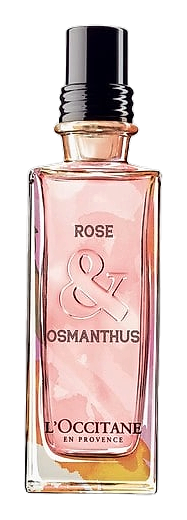
Karine Dubreuil-Sereni designed Rose & Osmanthus in 2013 as L'Occitane's botanical answer to the classic floral. Her brief: take the quiet elegance of Provençal rose and anchor it to something less expected, the golden, apricot-soft scent of osmanthus. The name says it all. Two flowers, neither shouting, both arriving exactly when they should. It's a composition that trusts the wearer to find the nuance without being led there by force.
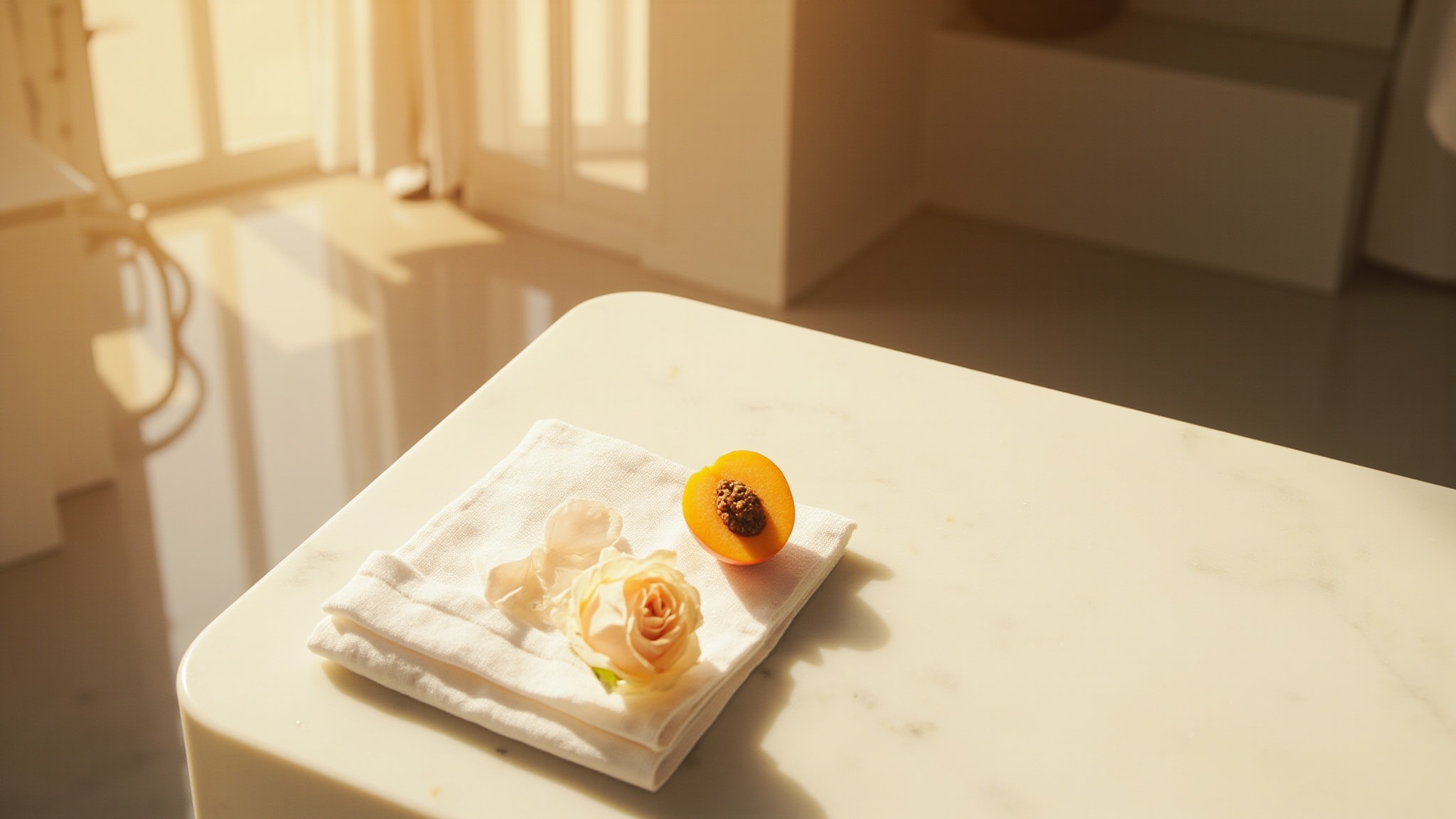
The Grasse rose and Chinese osmanthus absolute together create something unusual, rose that smells honeyed rather than sharp, osmanthus that smells more apricot than tea. Neither note dominates. The green notes in the opening provide a brief cool counterpoint before the floral heart takes over, and the white iris in the base is what keeps the drydown from becoming sweet. The vanilla is there, but it's behaving, restrained, close to the skin, not announcing itself. It's the kind of composition that rewards patience and close quarters.
The evolution
The bergamot hits first, citrus-bright and gone within minutes, leaving a green whisper behind. The handoff to the heart happens fast but seamless. Rose and osmanthus arrive together, the osmanthus absolute doing most of the talking with its apricot-jam character while the Grasse rose adds body without weight. This phase lasts the longest, a solid two to three hours of quiet floral warmth. The drydown shifts the energy again. The white iris and white musk create a powdery softness that feels clean without being sterile, and the vanilla finally emerges, skin-warm, intimate, close. On most skin types, expect four to six hours total. The osmanthus tends to linger on fabric long after the rose has faded, which is the tell the next morning.
Cultural impact
Rose & Osmanthus sits comfortably in L'Occitane's lineup as the osmanthus option for rose lovers who find pure rose too straightforward. The osmanthus-rose pairing is distinctive enough in mass-market florals to draw collectors seeking something softer and more unusual. The fragrance has aged well since 2013, its restrained character and powdery drydown feel modern rather than dated, and it continues to attract wearers looking for gentle elegance over performance.