The Story
Why it exists.
The beginning
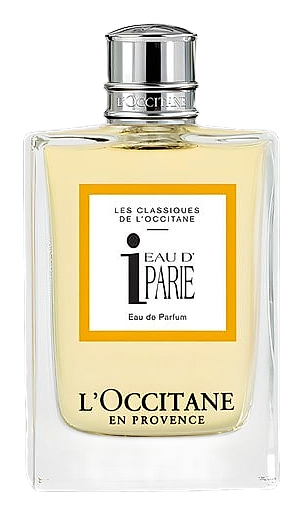
Eau d'Iparie arrived in 2002, when oriental fragrances were moving in bold new directions. The name suggests a place, sun-warmed walls, ancient markets, the weight of rare resins traded across the eastern Mediterranean. L'Occitane drew from that world, translating the heat of exposed stone and the depth of rare materials into a scent that felt both opulent and grounded. The brief was clear: orient. Intensity. That sense of a gift unfolding in heat.
What makes this composition unusual is the resin-to-resin arc. Pink pepper opens clean and spicy, but the heart doesn't compete with it, it deepens around it. Labdanum and patchouli together create a warm, almost meditative quality that reviewers describe as sacred, church-like, spiritual. Then the base layers myrrh and frankincense, which are both resinous materials that share a smoky, balsamic character. Most fragrances use one resin in the base. This one builds with two, letting them reinforce each other across hours rather than alternating.
The evolution
Opens with a burst of pink pepper, clean, bright, a single flare before the turn. Within minutes the labdanum and patchouli arrive, and the character shifts from spice to something warmer, almost meditative. Reviewers describe it as sacred, biblical, the smell of old churches and quiet devotion. That's the heart: resinous, warm, not loud but present. The myrrh and frankincense layer in slowly, their smoke and warmth building as the florals recede. Vanilla adds quiet sweetness. Moss grounds everything with an earthy, forest-floor character. The drydown is intimate and contemplative, long-lasting but never overpowering, designed to stay close rather than announce itself. The surprising detail: the smoke and resins build rather than fade. That's the tell. In most oriental fragrances, the incense softens or disappears. Here it deepens. Holds. Becomes the thing you notice the next morning, still warm against the skin.
Cultural impact
Eau d'Iparie arrived in 2002 during a period when oriental compositions were expanding in new directions, offering a bridge between traditional incense traditions and modern perfumery. The fragrance draws from the cultural roots of fragrance-making in the Grasse region, where botanical heritage has long shaped the industry. L'Occitane's translation of Provençal authenticity into resinous, meditative forms created a niche that predates many comparable incense-heavy releases. The 2002 launch reflects a time when consumers were beginning to seek deeper, more contemplative scent experiences beyond light florals and citrus.