
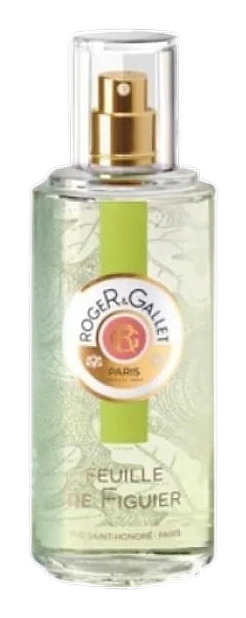
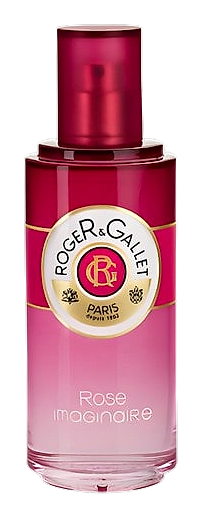
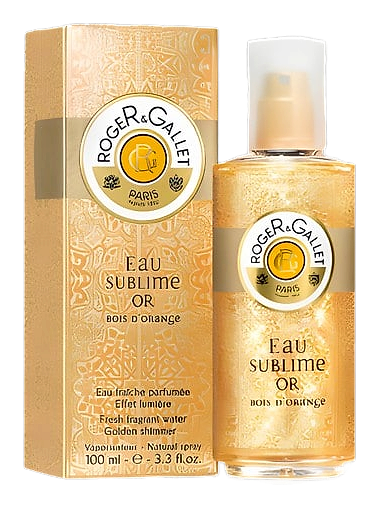
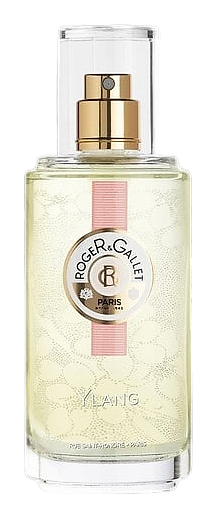


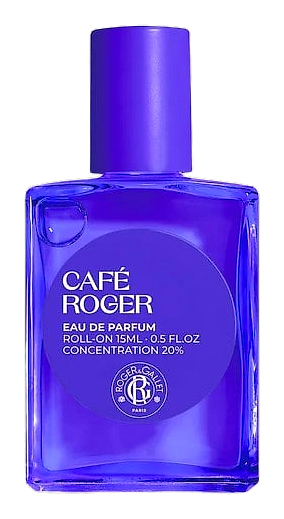
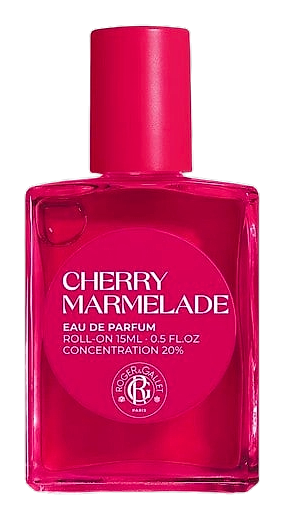

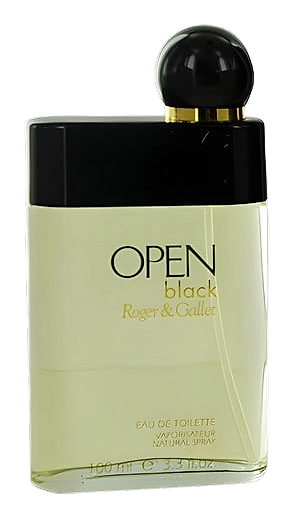

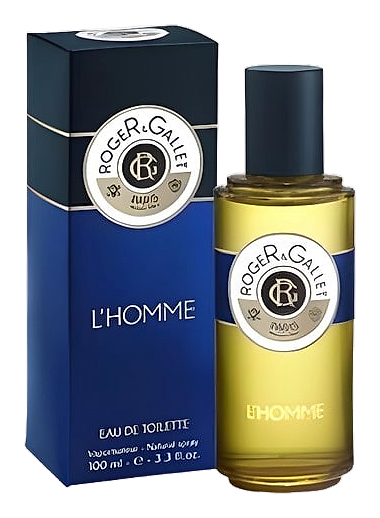







The Heritage
The Story of Roger & Gallet
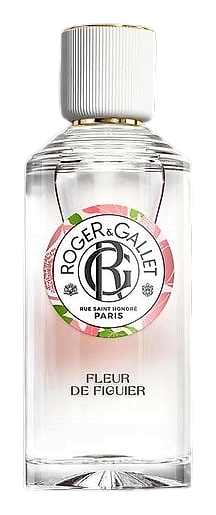
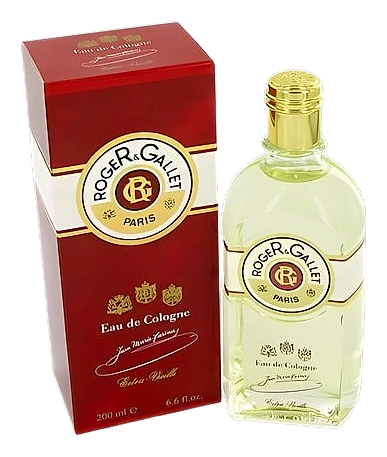
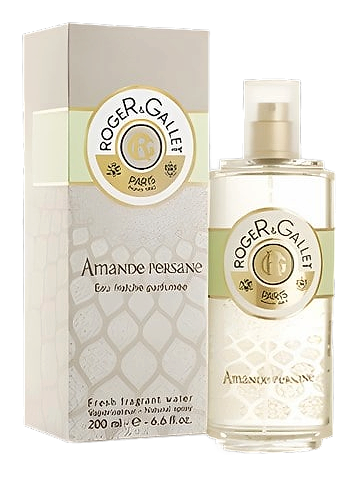
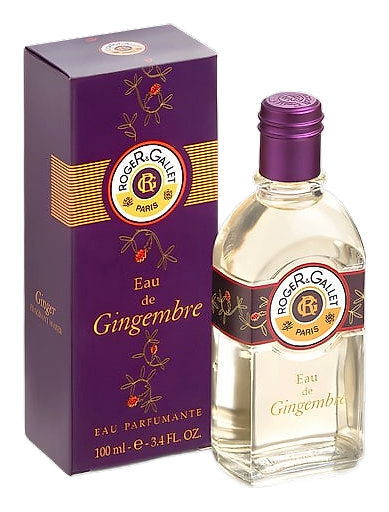
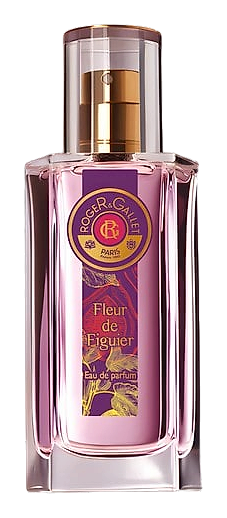
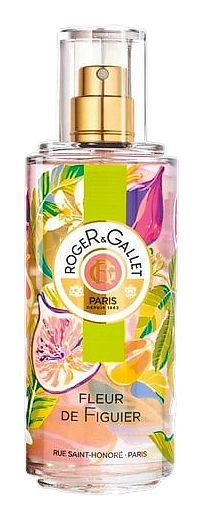
Roger & Gallet is a Parisian perfume house that blends more than two centuries of aromatic science with a modern sensibility. Founded in 1862, the brand inherited the legacy of the Farina family, the original creators of Eau de Cologne, and has since built a catalogue that ranges from historic classics such as Fleurs d’Amour (1902) to contemporary releases like Fleur de Figuier (2021). Its fragrances are known for crisp citrus structures, refined floral accents and a quiet confidence that appeals to collectors and everyday wearers alike. The house also produces scented toiletries, candles and body care, extending its olfactory signature beyond the bottle.
Heritage
The story of Roger & Gallet begins long before the name appears on a label. In 1693 a pharmacist named Jean‑Marie Farina created a citrus‑rich distillate called Acqua Mirabilis, a formula that would later evolve into Eau de Cologne. In 1806 Farina moved to Paris, opened a perfumery and refined the cologne using the latest distillation techniques of his era. The Farina workshop changed hands several times until 1862, when two Parisian chemists, Charles Armand Roger and Charles Martial Gallet, purchased the business. They combined Roger’s expertise in pharmacy with Gallet’s skill in apothecary, establishing a house that valued both scientific rigor and artistic expression. The new partnership retained the Farina name for a time, but soon began to sign creations under their own brand. By the late 19th century the house introduced its first signature scent, Fleurs d’Amour (1902), a delicate bouquet that captured the optimism of the Belle Époque. Throughout the 20th century Roger & Gallet survived two world wars, during which production shifted to support the French military with morale‑boosting toiletries. In 1979 the launch of L’Homme marked a rare foray into masculine fragrance, while the 1990s saw the brand expand its scented candle line. Recent decades have brought limited‑edition releases such as Mandarine (2019) and Fleur de Figuier (2021), each reflecting a dialogue between historic formulas and contemporary trends. The house remains privately owned, operating from its historic workshop on Rue de la Paix, and continues to reference its Farina roots in every new creation.
Craftsmanship
Production at Roger & Gallet still follows a laboratory‑style workflow that blends analytical precision with artistic intuition. Raw materials arrive after rigorous quality checks; citrus peels, violet leaves and rare woods are each sampled for purity before entering the distillation stage. The house employs both traditional copper stills for citrus‑based colognes and modern vacuum‑assisted extraction for delicate florals, allowing temperature‑sensitive notes to retain their nuance. After maceration, blends are aged in glass vessels for periods ranging from a few weeks to several months, depending on the composition’s complexity. Throughout this time, master perfumers conduct blind olfactory panels, noting any shifts in balance and adjusting ratios as needed. Once a formula reaches its final state, it is transferred to a stainless‑steel filling line that operates under controlled humidity to prevent oxidation. Bottles are hand‑capped, and each batch receives a serial code that traces it back to the original vat, ensuring full traceability. The house also maintains a small laboratory dedicated to research on sustainable sourcing, partnering with growers in Grasse, Sicily and the Azores to develop renewable extraction methods. Quality assurance includes a final sensory evaluation by senior perfumers before any product leaves the Paris workshop, a step that guarantees the scent matches the house’s exacting standards.
Design Language
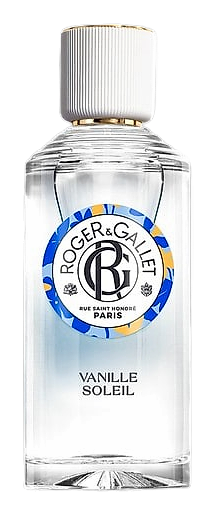
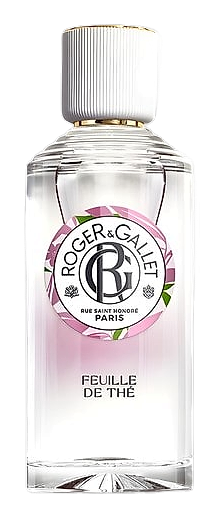
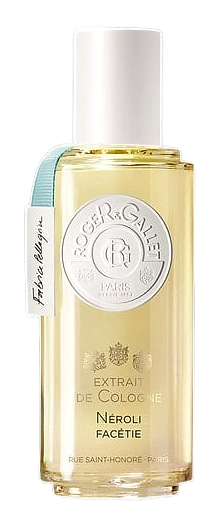
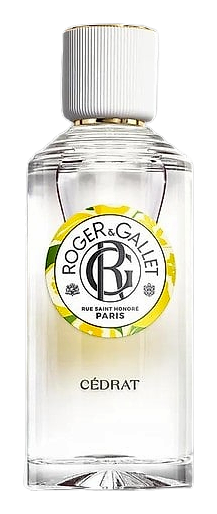
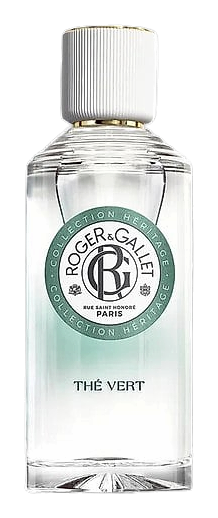
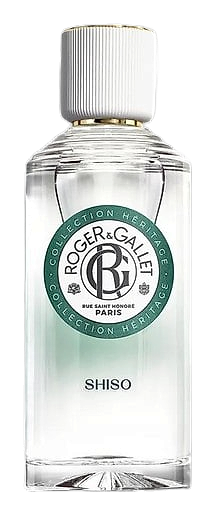
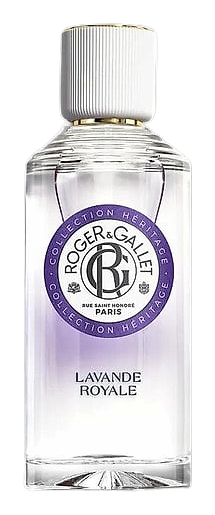
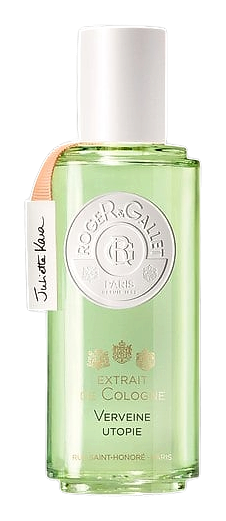
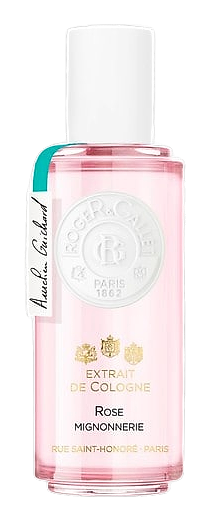
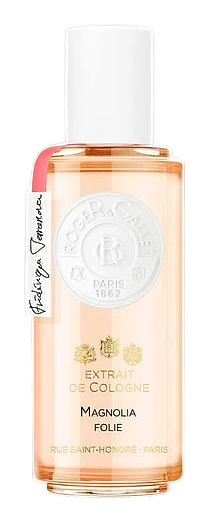
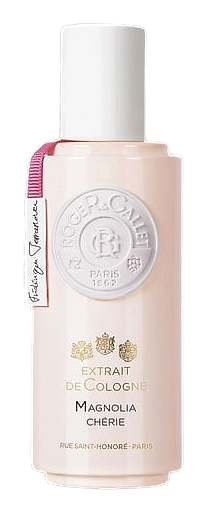
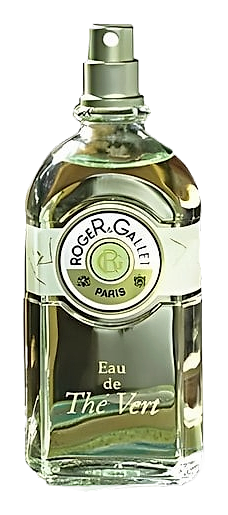
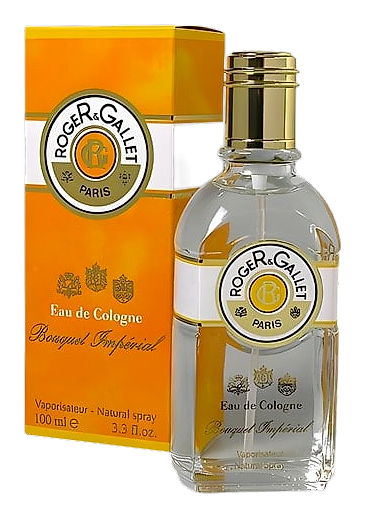
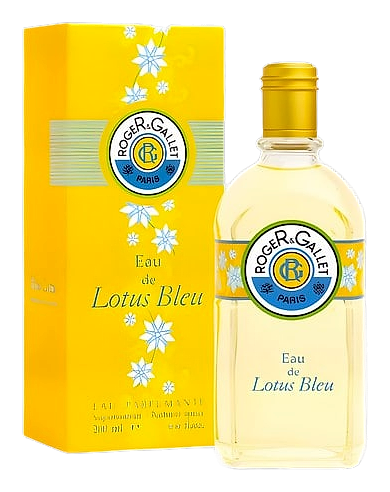
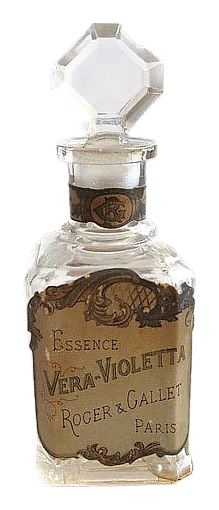
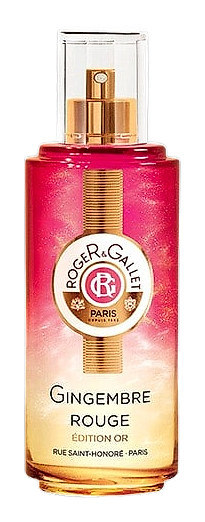
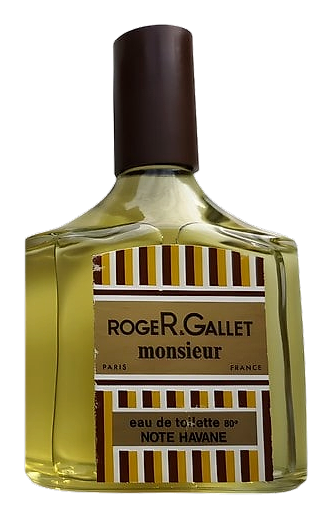
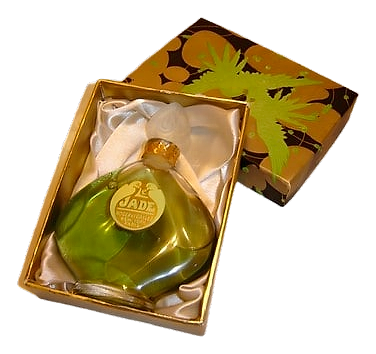
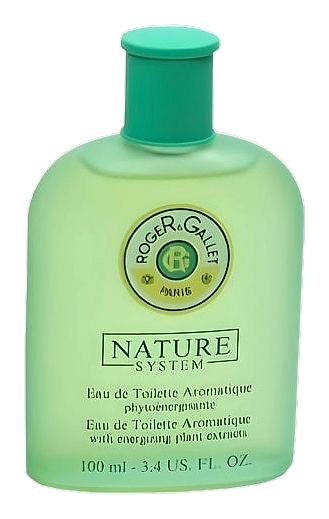
Visually, Roger & Gallet presents a restrained elegance that mirrors its olfactory philosophy. Early bottles featured simple crystal flasks with minimal labeling, a nod to the apothecary origins of the brand. Modern releases retain that clarity: clear glass, slender necks and caps finished in brushed metal or polished wood. Typography is set in a classic serif font, often embossed in gold or silver, providing a subtle sense of heritage without overwhelming the design. Color palettes draw from the ingredients themselves—soft citrus yellows for Eau de Cologne, muted violets for Vera Violetta, deep mahogany for Open Black—creating an immediate visual cue about the scent’s character. The brand’s retail spaces echo this aesthetic, using light wood, marble countertops and understated lighting to let the fragrances breathe. Marketing imagery favors close‑up studies of raw materials—mandarins, figs, ginger—paired with clean white backgrounds, reinforcing the idea that the product is an extension of nature rather than a manufactured gimmick. This consistent visual language helps the house stand out in a crowded market while staying true to its historic roots.
Philosophy
Roger & Gallet approaches perfumery as a disciplined craft rather than a fleeting trend. The brand’s guiding principle is to honor the scientific foundations laid by early chemists while allowing modern noses to reinterpret classic structures. Sustainability appears in the choice of ingredients; the house prefers plant extracts cultivated in regions with established agricultural standards, and it works with suppliers who can certify traceability. Transparency guides the creative process: each fragrance is presented with a brief note on its key raw materials and the historical moment that inspired it. The house also values modest elegance, avoiding overtly theatrical marketing in favor of quiet storytelling that lets the scent speak for itself. Collaboration with contemporary perfumers is encouraged, but only when the partner respects the brand’s heritage and can balance innovation with the timeless clarity that defines a Roger & Gallet composition. This philosophy manifests in a portfolio that feels both familiar and fresh, offering consumers a sense of continuity with the past while inviting them to explore new olfactory territories.

Key Milestones
1693
Jean‑Marie Farina creates Acqua Mirabilis, an early citrus distillate that later evolves into Eau de Cologne.
1806
Jean‑Marie Farina relocates to Paris, opens a perfumery and refines the cologne formula using contemporary distillation methods.
1862
Charles Armand Roger and Charles Martial Gallet purchase the Farina workshop and establish the Roger & Gallet house.
1902
Launch of Fleurs d’Amour, a floral fragrance that becomes one of the brand’s enduring classics.
1979
Introduction of L’Homme, marking the house’s first major masculine fragrance.
2013
Release of Open Black, a modern reinterpretation of classic dark accords.
At a Glance
Brand profile snapshot
Origin
France
Founded
1862
Heritage
164
Years active
Collection
1
Fragrances released
Avg Rating
4.2
Community sentiment
Release Rhythm