Orange Bark
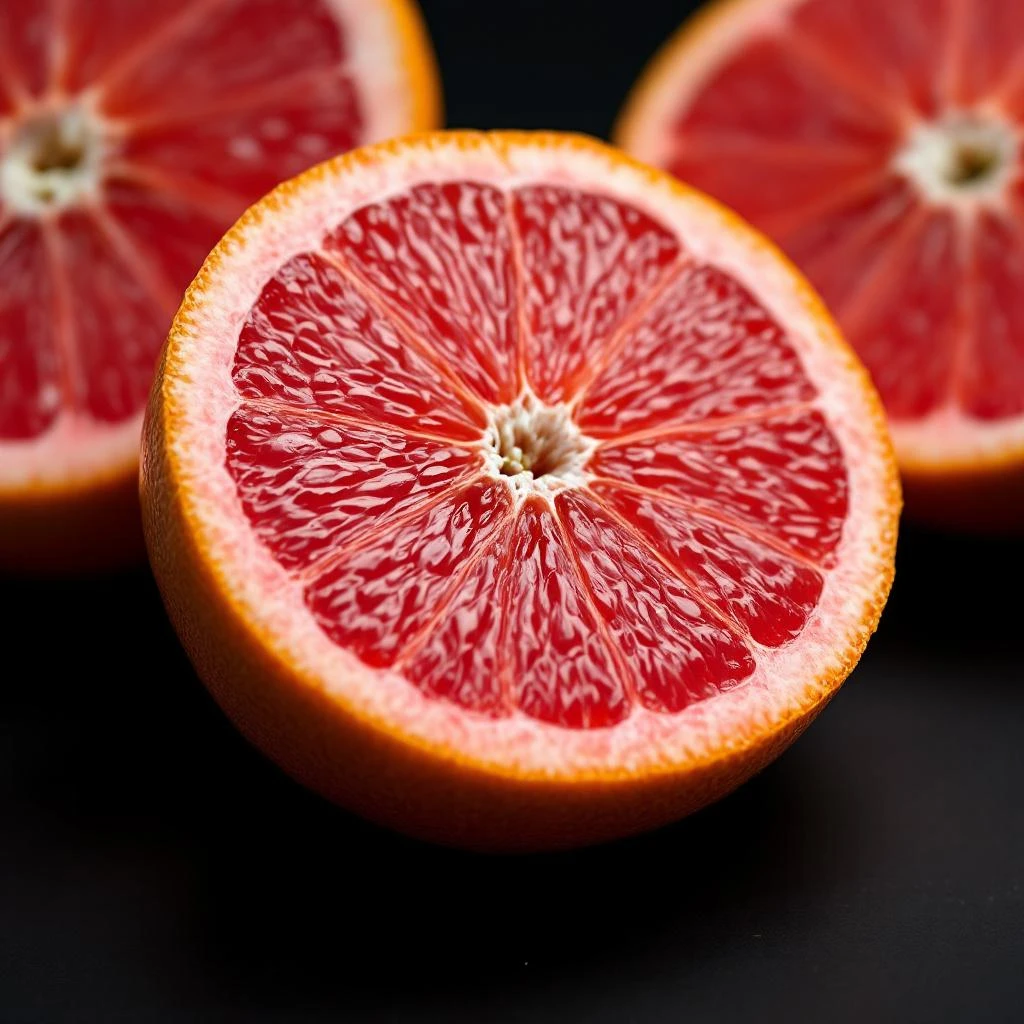
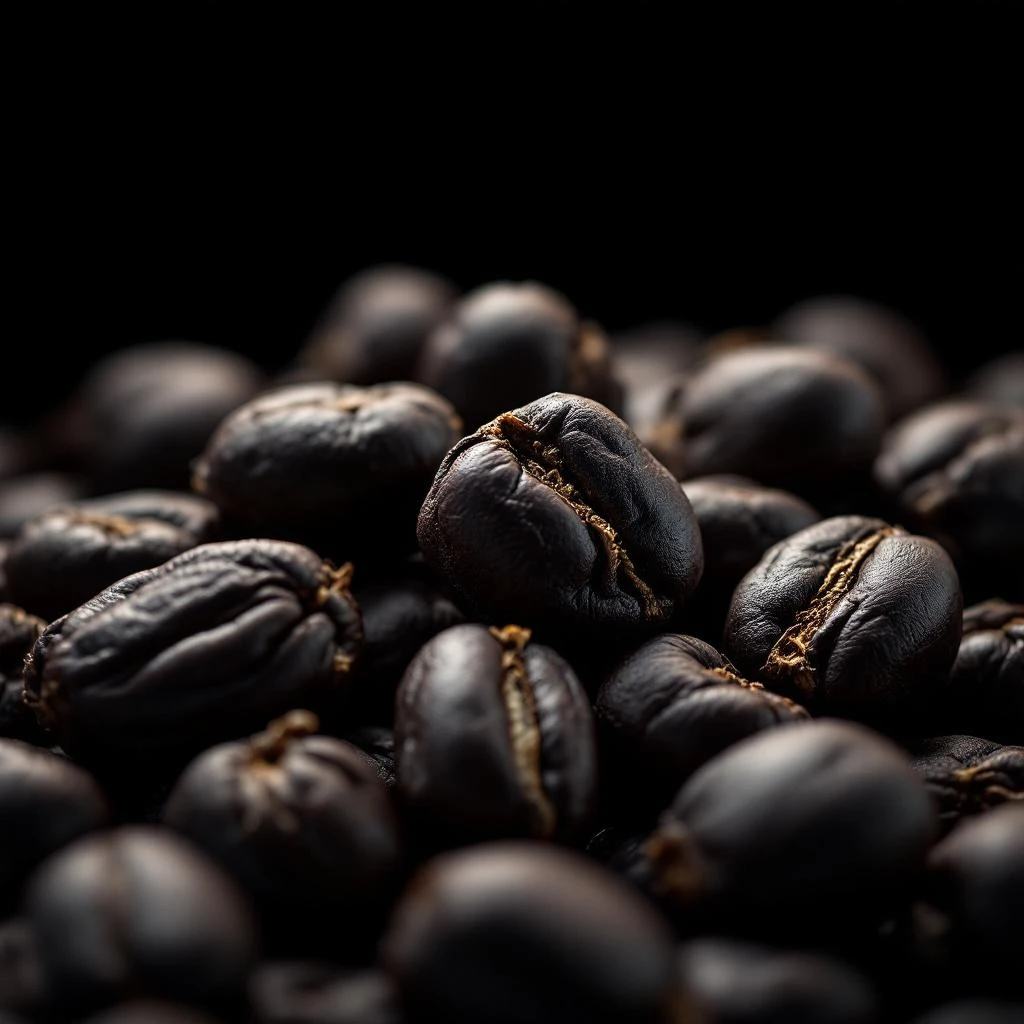
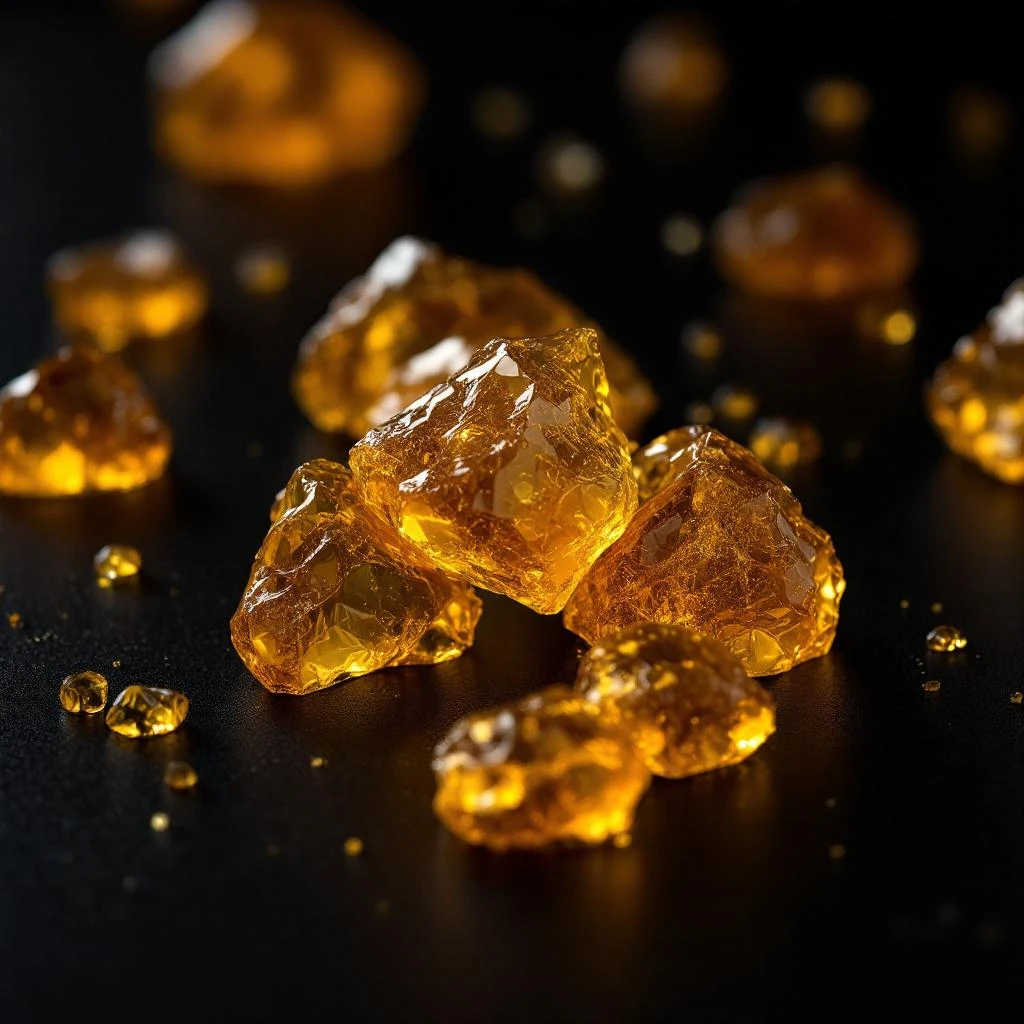
Steam-distilled from the dried bark of the bitter orange tree, orange bark oil carries a warm, woody citrus character. Citral and limonene give it a distinctive aromatic profile that bridges fresh zest and deep, resinous warmth.
Character
How it smells
Bitter orange bark oil: warm, woody, citrus-forward.
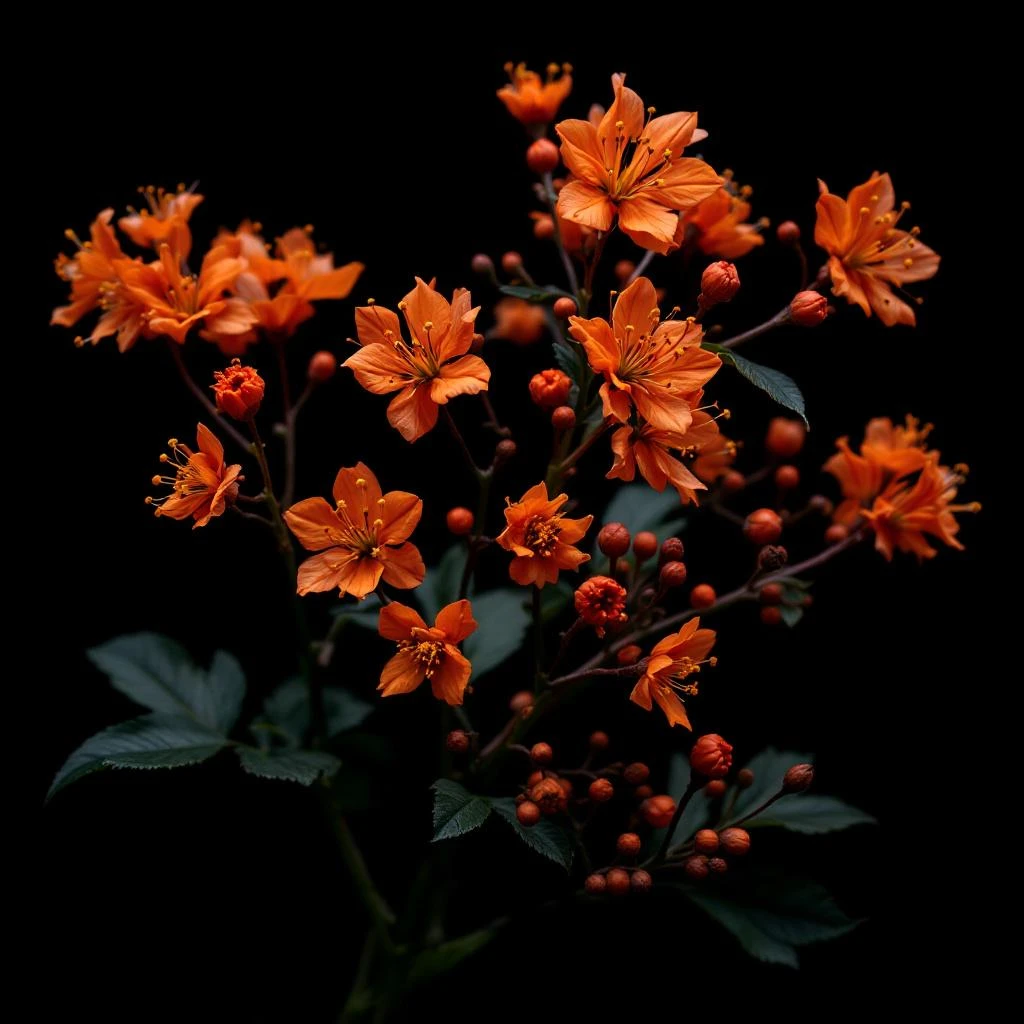
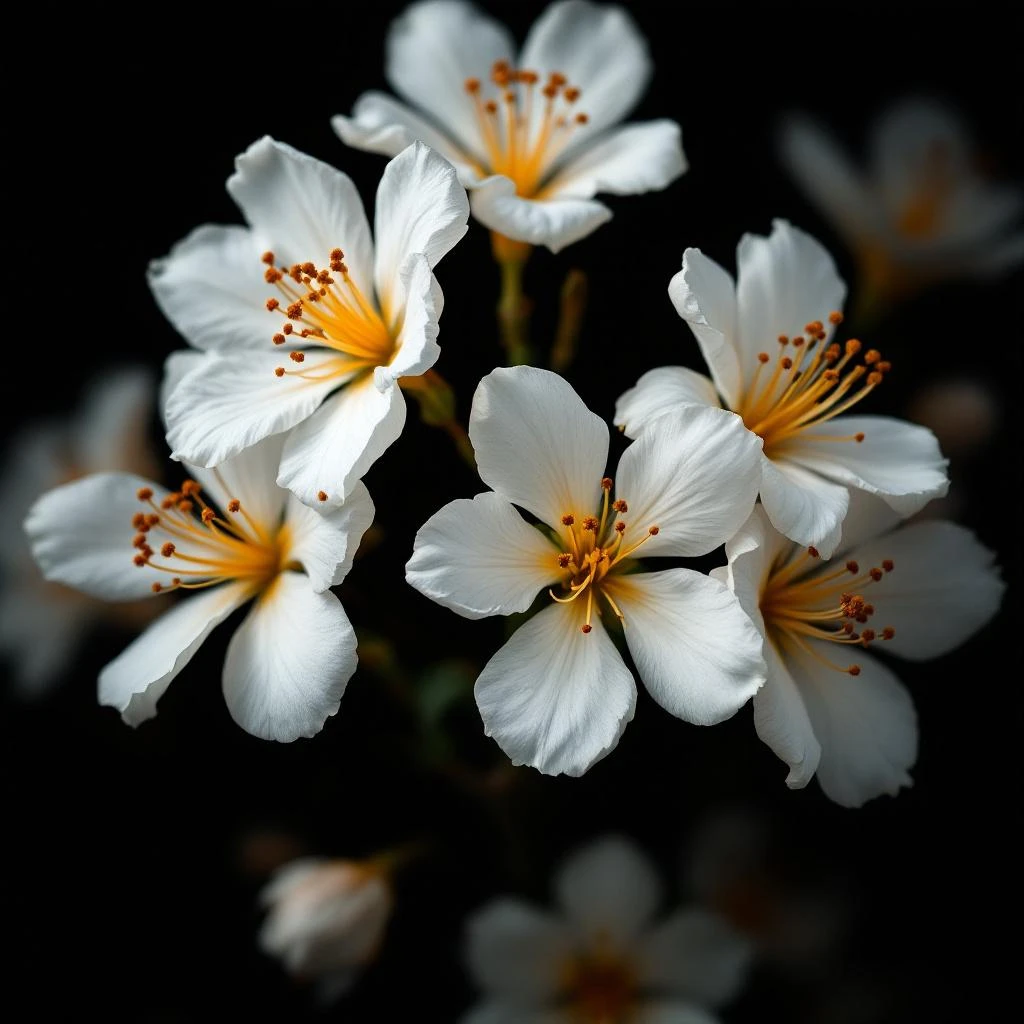
The bitter orange tree is a perfumery workhorse, yielding neroli, petitgrain, and orange bark oil from a single botanical source.

Origin
Mexico
The bitter orange tree originated in Southeast Asia and spread westward through Arab traders to the Mediterranean. European explorers later carried it to the Caribbean and Americas, where Mexico became a significant source of orange products. In perfumery, orange bark oil emerged as practitioners developed steam distillation techniques during the medieval period.
Unlike the celebrated orange blossom absolute or petitgrain, orange bark oil remained a quieter material, valued for its woody depth and citrus warmth. It plays a supporting role in classic Mediterranean perfumery traditions, adding resinous complexity to compositions that open with bright citrus and settle into warm, amber trails.
Wears it best
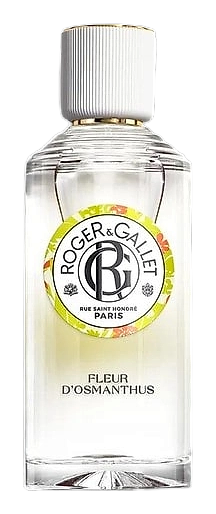
Fragrances featuring Orange Bark
Brands
Brands known for Orange Bark
Good to know
Questions, answered
The essentials on Orange Bark in perfumery: how it smells, where it comes from, and how it behaves on skin.
What is orange bark oil in perfumery?
Orange bark oil is a steam-distilled essential oil from the bitter orange tree's bark. It delivers a warm, woody citrus character valued for bridging fresh and resinous fragrance notes.
How does orange bark differ from orange blossom?
Orange blossom absolute comes from the flowers and offers a floral, heady scent. Orange bark oil comes from the bark and carries a woody, more bitter citrus profile with resinous depth.
What does orange bark smell like?
Orange bark oil smells warm and woody with bright citrus top notes. Citral and limonene give it a fresh-yet-resinous character that adds complexity to fragrance bases.
Is orange bark oil natural or synthetic?
Natural orange bark oil is steam-distilled from bitter orange bark. Synthetic alternatives exist as aroma chemicals, but they lack the full aromatic complexity of the natural material.
Which perfumes use orange bark oil?
Orange bark oil appears in compositions that balance bright citrus with warm, woody depth. It is more common in Mediterranean-style fragrances that layer fresh and resinous elements.
What is the history of orange bark in perfumery?
Bitter orange cultivation spread from Southeast Asia through the Mediterranean. Steam distillation techniques developed during the medieval period allowed extraction of orange bark oil as a perfumery material.
Is orange bark oil safe to use?
Orange bark oil is regulated by IFRA and generally safe at recommended concentrations. As a citrus material, natural versions may contain compounds subject to phototoxicity guidelines.
Can orange bark oil be blended with other citrus materials?
Orange bark oil blends naturally with neroli, petitgrain, and citrus peel oils. Its woody depth tempers bright citrus while adding resinous warmth to floral or oriental compositions.