The Story
Why it exists.
The beginning
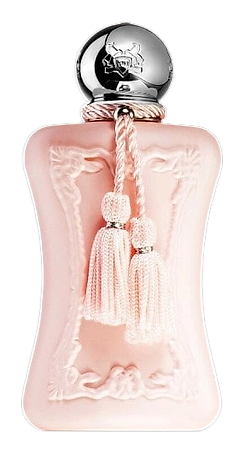
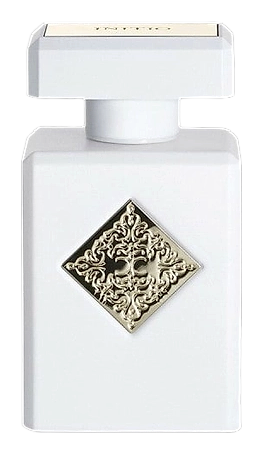
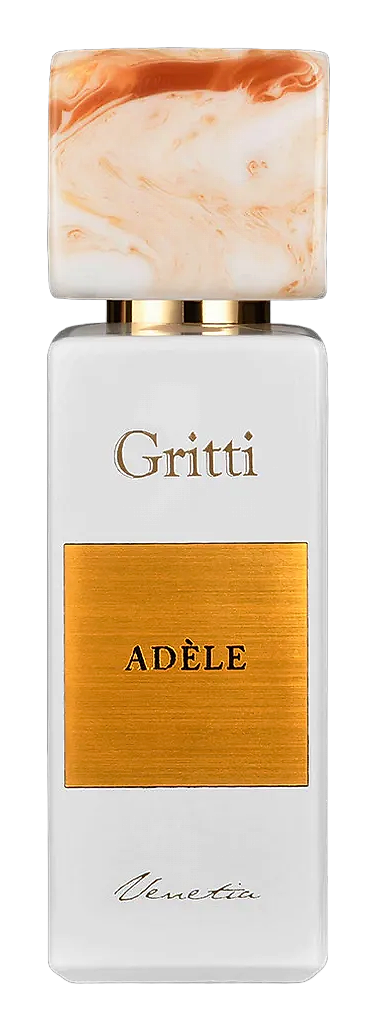
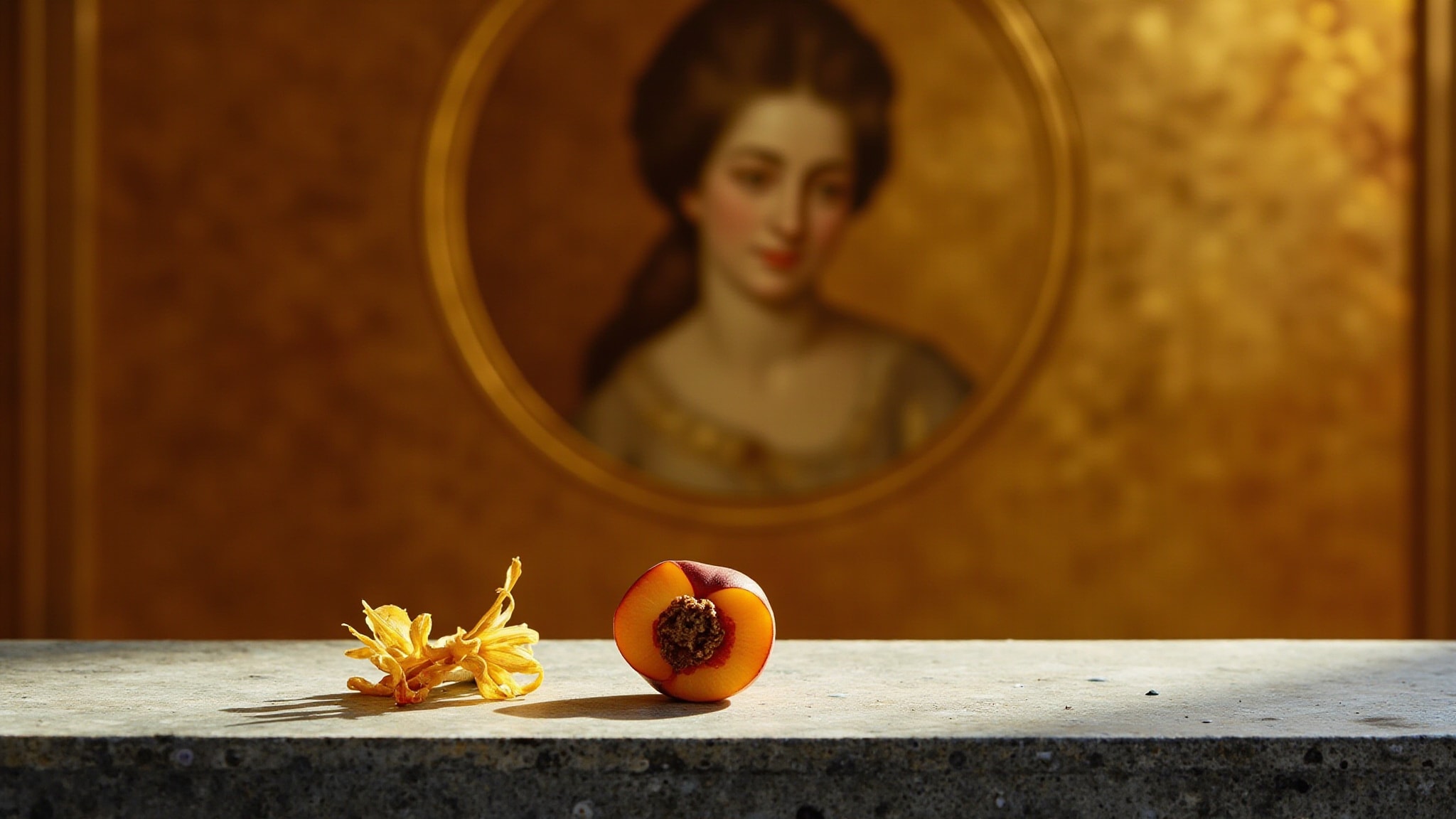
Adele Bloch-Bauer was a Viennese socialite. She sat for Gustav Klimt in 1907. The portrait became the most expensive painting ever sold at auction, and one of the most recognisable images in art history. Luca Gritti looked at that gilded portrait and saw a fragrance worth translating. The 2018 release takes its name from the subject, drawing from the White Edition's luminous palette to capture something opulent and intimate at once. The name carries weight. A woman frozen in gold leaf, her jewellery rendered in Klimt's signature language of spirals and gold. Gritti wanted to give that image a pulse. Something warm. Something worn close, not displayed from a distance. The osmanthus leads the composition, a material with natural peachy-honey facets that feels both precious and approachable. Jasmine and May rose lift the opening into something delicate.
What makes this composition work is the osmanthus threading through the entire development rather than fading. Present in the opening, deepening as the composition settles, lingering into the drydown as a peachy-honey quality that defines the lasting impression. The tobacco flower in the heart is an interesting choice, it can push a composition toward darker, edgier territory, but here it softens instead, rounding the white florals into something creamier and more intimate rather than introducing harshness.
The evolution
The opening announces golden florals immediately. Osmanthus leads with its peachy-honey character, supported by jasmine and May rose in an delicate, almost translucent register. The transition to the heart happens gradually, tuberose and narcissus arrive without announcement, their creaminess deepening the composition rather than amplifying it. The tobacco flower adds an unexpected warmth that keeps the white florals from reading as sharp or soapy. The drydown is where this fragrance earns its reputation. That osmanthus-peach accord doesn't disappear, it carries through the base, weaving between cedar and musk rather than sitting atop them. Eight to ten hours in, it becomes something skin-close and warm. Creamy. Faintly peachy. The projection softens considerably, becoming something you have to lean in to find. Some wearers report even longer, past the 10-hour mark, but that's less typical. What remains is intimate. Close. The kind of warmth that makes someone want to move closer.
Cultural impact
Adele draws wearers who want something beyond the mainstream, people who treat fragrance as personal memoir rather than status signal. The osmanthus-peach character is distinctive enough to polarise, but that's part of the appeal. Those who love it tend to wear it exclusively. Those who don't often find it too soft for their preferences. The White Edition connection gives it a place in Gritti's broader story of luminous, intimate compositions, though Adele stands apart through its gilded warmth and close-to-skin quality.