
The Story
Why it exists.
The beginning
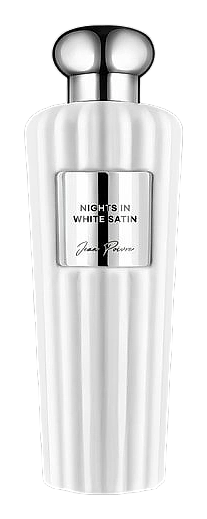
Jean Poivre imagined a night dressed in the soft glow of white satin, a fabric that catches moonlight yet drapes with intimate ease. The perfume's name captures that paradox, luminous yet concealed. The creator built the perfume around a core trio of osmanthus, tuberose and jasmine, three florals that each bring something different yet harmonize beautifully. Osmanthus contributes a soft, fruity sweetness that tempers the intensity of the heavier white florals, while tuberose brings its signature creamy, almost narcotic richness. Jasmine ties them together with its classic warmth, creating an opening that feels both opulent and grounded in natural beauty. The choice of these three notes was deliberate, each one reinforcing the theme of softness and light.
The note choices reflect a philosophy of balance and restraint. Osmanthus serves as the bridge between the rich white florals and the warm heart, preventing the opening from becoming too heavy. Tuberose and jasmine provide the initial impact, but their combination avoids the common pitfall of turning into a one-dimensional floral bomb. The heart uses narcissus strategically, its slightly bitter quality cutting through the sweetness of vanilla and rose to keep the composition interesting. The drydown prioritizes intimacy over presence, white musk ensuring the fragrance stays close to the skin rather than announcing itself across a room. Each note has a clear role and nothing feels gratuitous.
The evolution
The fragrance moves through its phases like moonlight shifting across fabric. Osmanthus arrives first, its apricot-like softness creating an immediate sense of warmth. Tuberose and jasmine follow, their combined weight creating a lush floral opening that does not overwhelm. As the composition transitions, narcissus enters the heart with a slightly bitter, green edge that keeps the sweetness in check. Rose adds a powdery gentleness while vanilla builds warmth, making the middle phase feel like candlelight in a quiet room. The drydown then takes over, white musk draping close to the skin while amber, vetiver, patchouli and cedarwood build a warm, slightly earthy foundation that extends wearability without adding projection. Each phase feels like a natural progression rather than a jarring shift.
Cultural impact
Since its debut in 2021, Nights In White Satin has subtly influenced the niche white‑floral segment by reaffirming the appeal of crisp green‑apple Osmanthus paired with a creamy tube rose heart. Collectors noted its balanced projection as a bridge between airy daytime scents and richer evening compositions, encouraging other houses to explore similar duality. The fragrance’s moderate sillage and elegant amber‑kissed base have made it a reference point in discussions about modern reinterpretations of classic white‑floral accords, inspiring limited‑edition releases that echo its luminous yet grounded character.