Narcissus
The white spring bloom beloved since antiquity, narcissus yields one of perfumery's rarest and most expensive absolutes. A green, hay-like floral treasure with hypnotic, almost narcotic depth, it lends fine fragrance an animalic, pastoral richness.
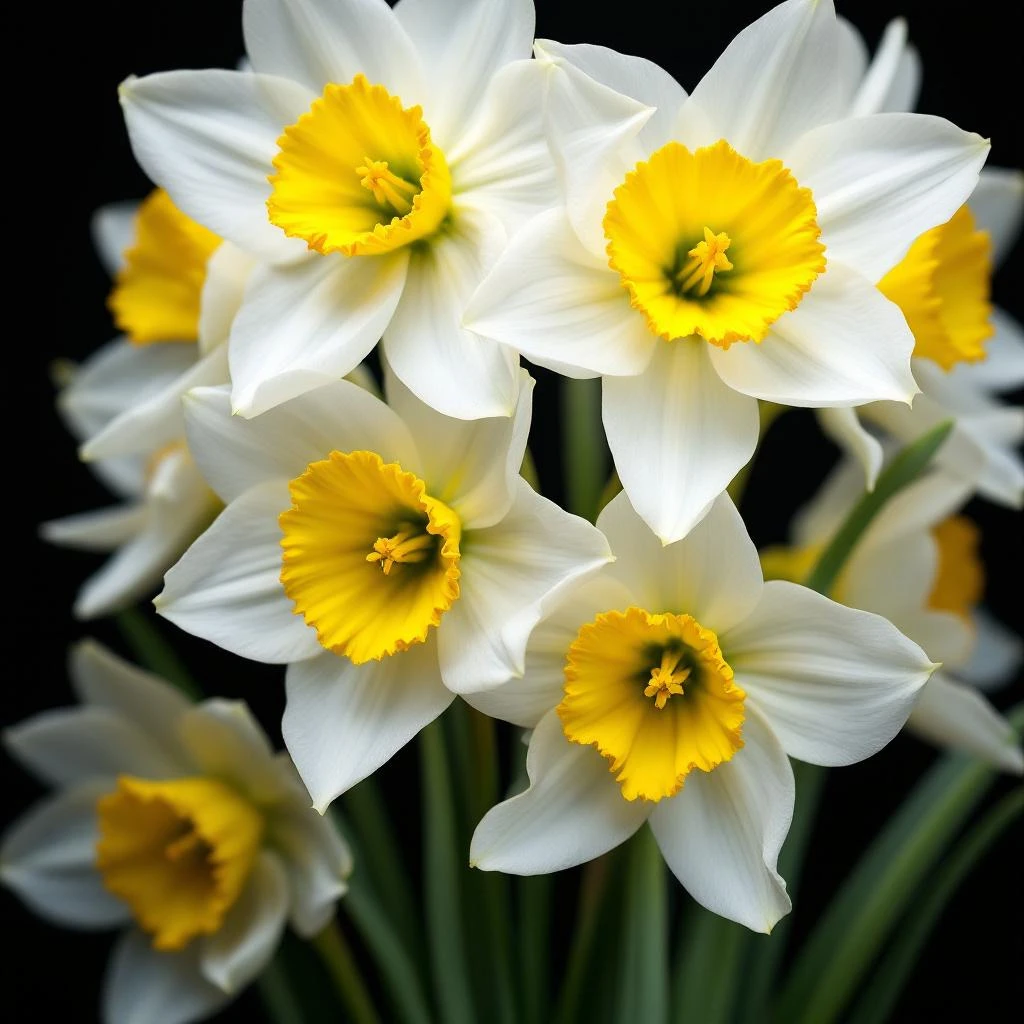
Character
How it smells
Spring's rarest floral absolute.
1000 kilograms of Narcissus flowers yield just 2 kilograms of absolute, making it one of perfumery's most precious botanical ingredients.









Origin
France
Arab perfumers first embraced Narcissus poeticus for its intoxicating scent, laying the foundation for centuries of appreciation. The Romans later elevated the flower, creating a dedicated fragrance called Narcissinum from the oil—a sign of its prestige in ancient luxury perfumery.
This heritage traveled eastward too; Chinese and other Asian traditions incorporated Narcissus into ceremonial and personal fragrance. French perfumery adopted the ingredient during the early 20th century, establishing it as a hallmark of luxury.
Iconic compositions like Caron Narcisse Noir in 1911 and Guerlain Vol de Nuit in 1933 demonstrated its capacity to add depth and complexity. Yet despite millennia of use, authentic Narcissus absolute remains uncommon today, found primarily in high-end fine fragrances that value its rarity and irreplaceable scent.
Wears it best
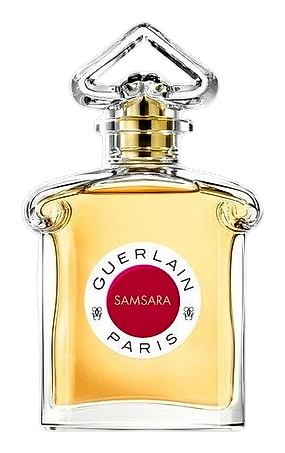
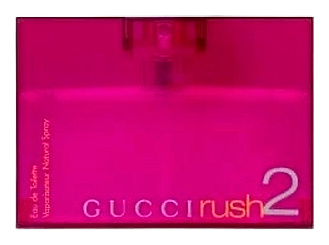
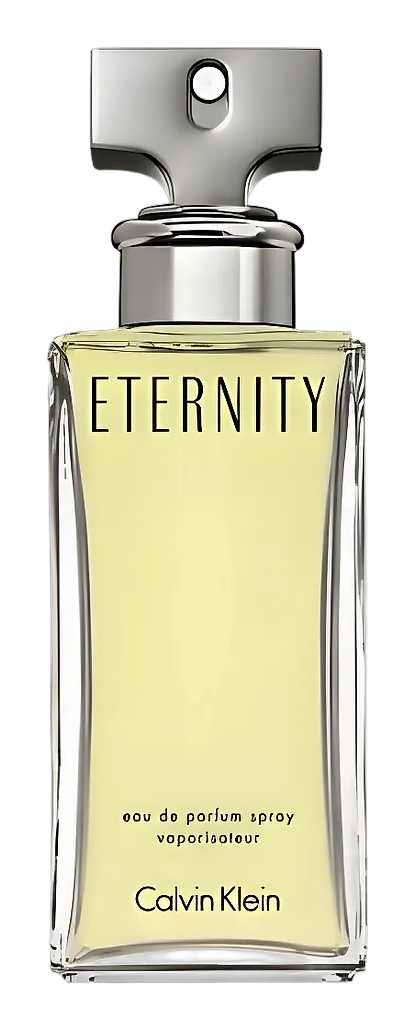
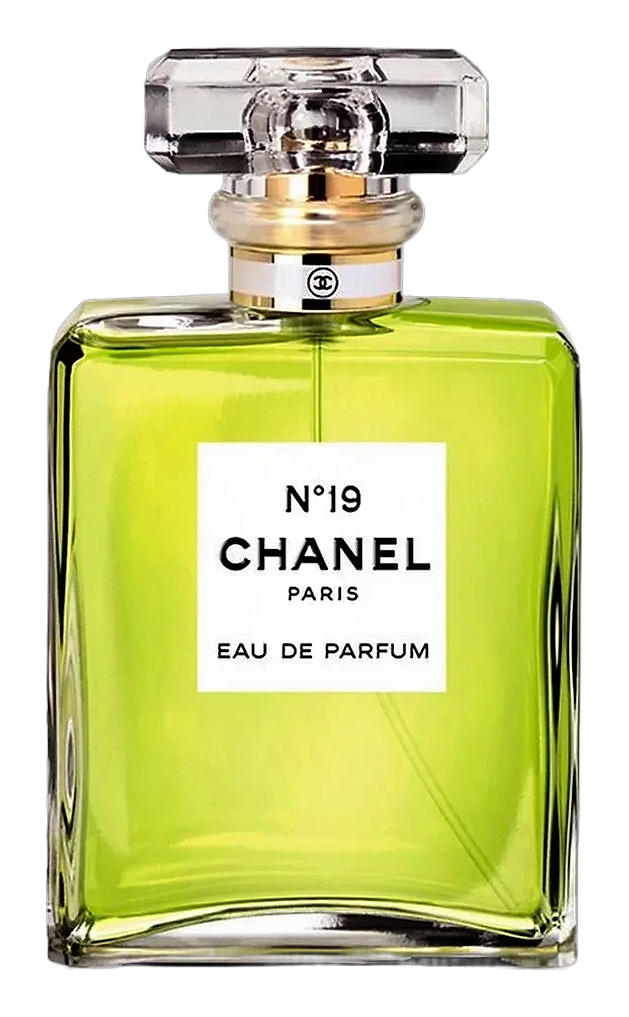
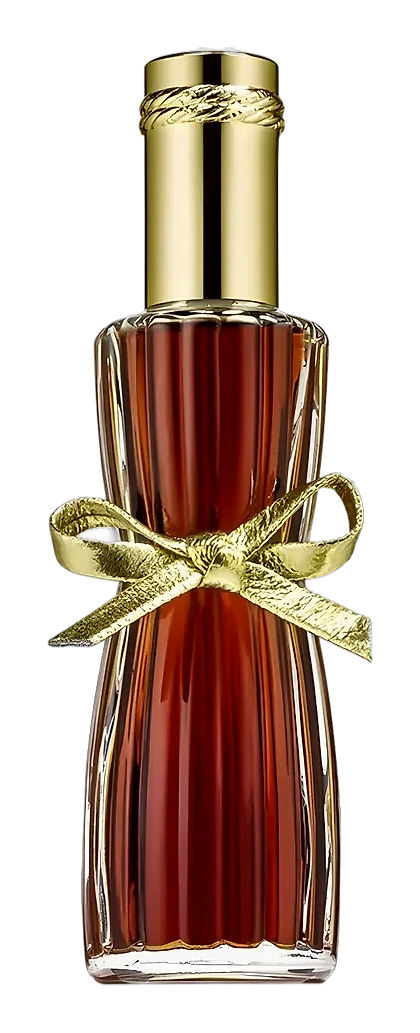
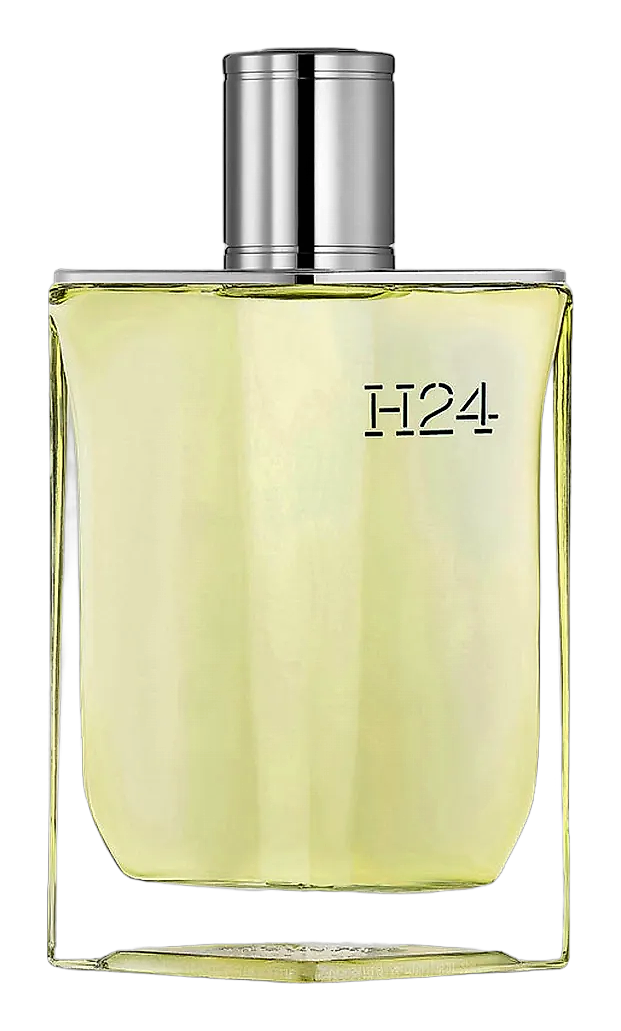
Fragrances featuring Narcissus
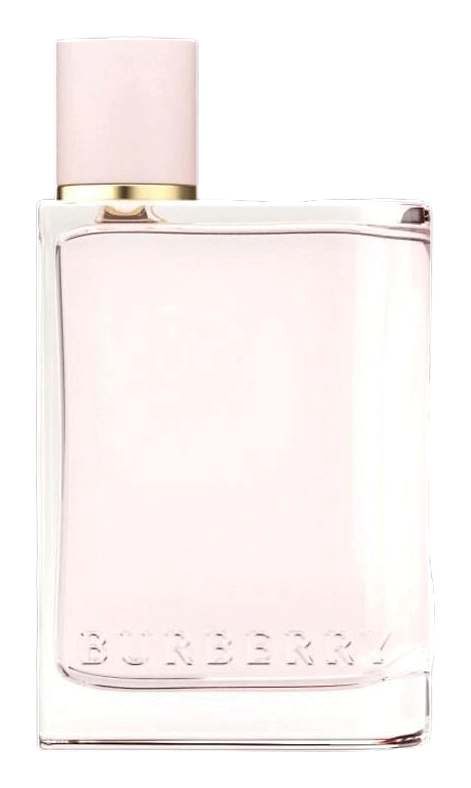

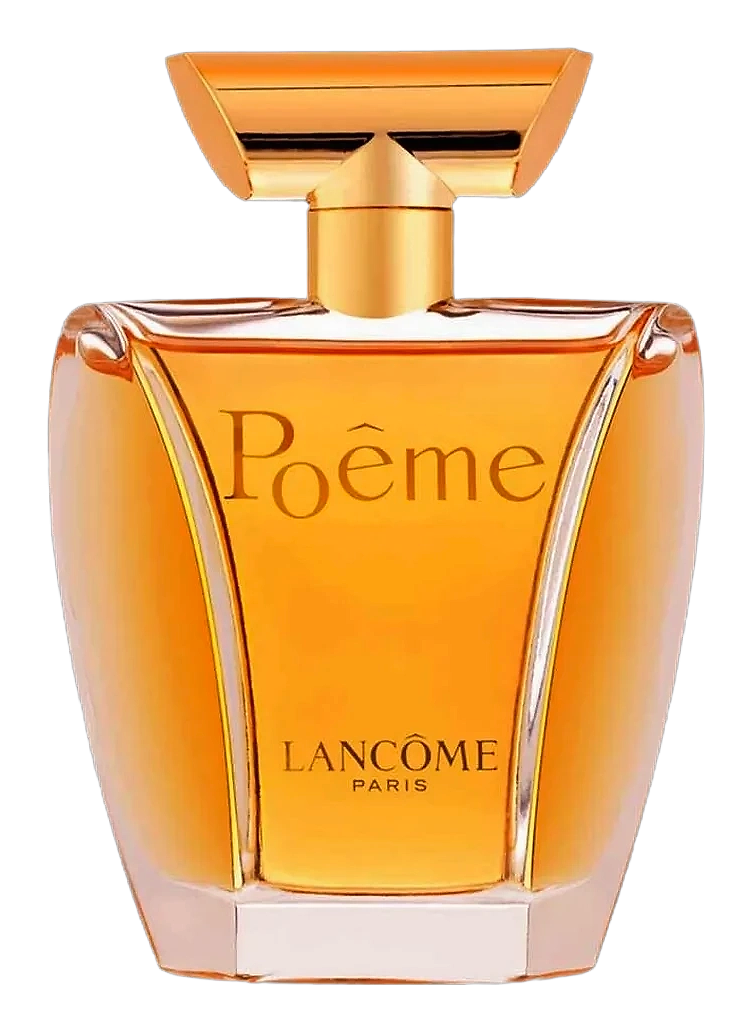
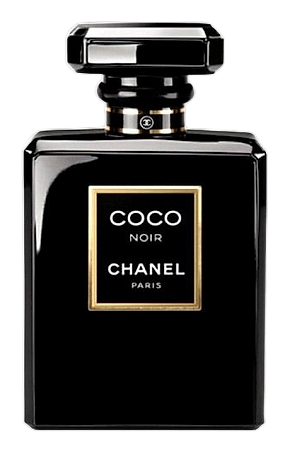

Brands
Brands known for Narcissus
Good to know
Questions, answered
The essentials on Narcissus in perfumery: how it smells, where it comes from, and how it behaves on skin.
What is Narcissus in perfumery?
Narcissus absolute is a highly concentrated aromatic material derived from the flowers of Narcissus poeticus. Perfumers value it for its unique green floral character and its ability to add depth and complexity to fragrance compositions. It has been used since antiquity, with roots in Arab and Roman perfumery traditions.
What does Narcissus smell like?
Narcissus has a distinctive green, leafy floral scent with jasmine-like warmth and honeyed undertones. It carries a slightly animalic, waxy facet that adds richness and an almost hypnotic, springtime quality. No synthetic has successfully replicated its full aromatic complexity.
Why is Narcissus considered rare in perfumery?
Narcissus ranks among the most precious natural ingredients because the yield is extremely low. Approximately 1000 kilograms of flowers yield just 2 kilograms of absolute. The flower's brief harvest window and the complexity of extraction further limit supply.
What perfumes feature Narcissus?
Caron Narcisse Noir (1911) and Guerlain Vol de Nuit (1933) are landmark fragrances built around Narcissus. More recent fine fragrances continue to use this note for its unmatched green floral depth and complexity.
How is Narcissus absolute extracted?
Perfumers use solvent extraction rather than steam distillation because heat destroys the flower's delicate aromatic compounds. Harvested blossoms are processed with volatile solvents, then washed with alcohol to produce the absolute. This preserves the green, floral, and honeyed facets that define the material.
Is Narcissus related to Jonquil?
No. While both belong to the Narcissus genus, Jonquil refers specifically to Narcissus jonquilla, a different species native to Spain and Portugal. Narcissus poeticus, used in perfumery, has flat leaves and a single fragrant white flower per stem, distinct from jonquil's rounded, tube-like leaves and clusters of small blooms.
What gives Narcissus its unique scent?
The scent comes from a combination of green leafy compounds, floral pyridine derivatives, and honey-like aromatic molecules present in the flower's volatile fraction. This blend of green, floral, and animalic facets is why Narcissus adds such distinctive depth to fragrance compositions.
Why do perfumers choose Narcissus over synthetic alternatives?
Narcissus brings a unique green floralcy with honeyed warmth that creates an almost hypnotic, spring-like quality. Synthetic aromatics can approximate individual facets but cannot fully replicate the multidimensional, natural complexity that Narcissus absolute contributes to fine fragrance.



