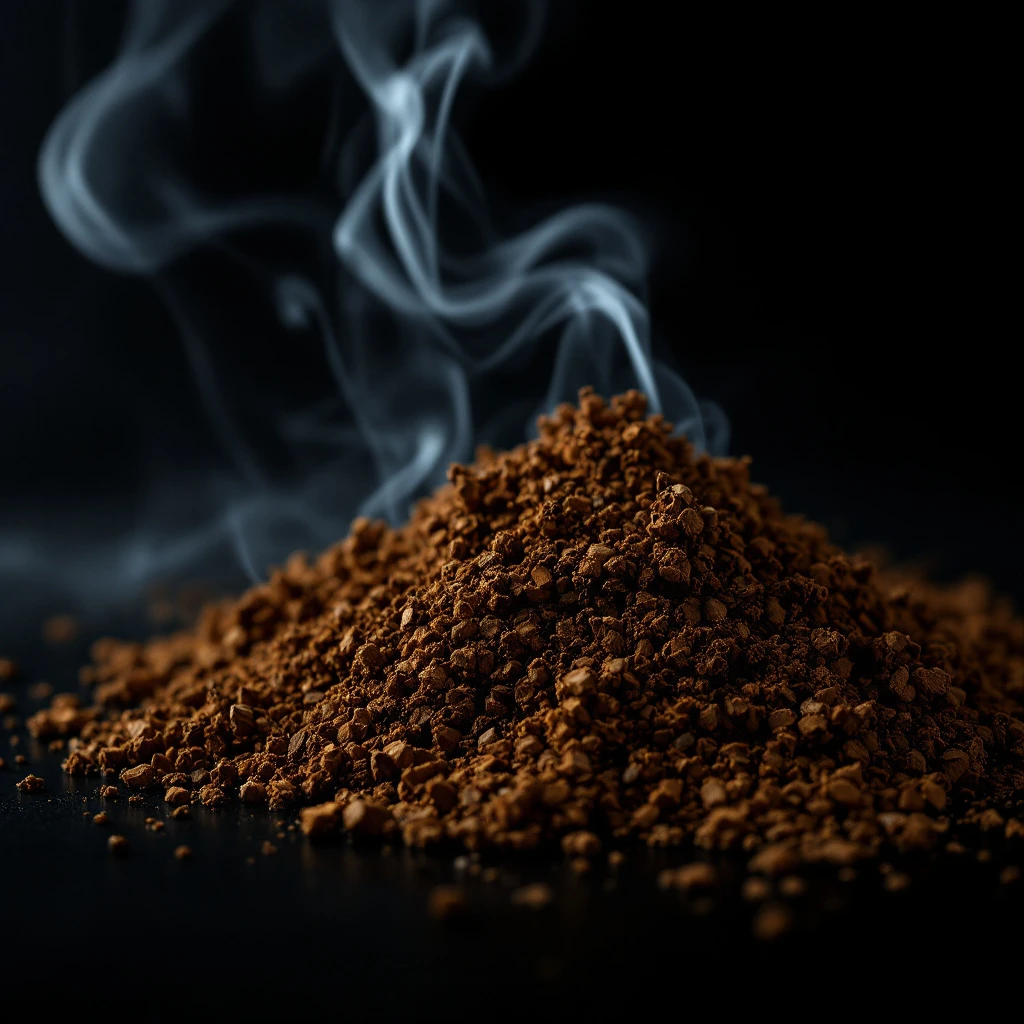
Tobacco Flower
Tobacco Flower absolute captures the honeyed, narcotic blossom of Nicotiana alata — a night-blooming beauty that differs entirely from earthy tobacco leaf. Its sweet floral warmth has anchored luxurious fragrances for over a century.
Character
How it smells
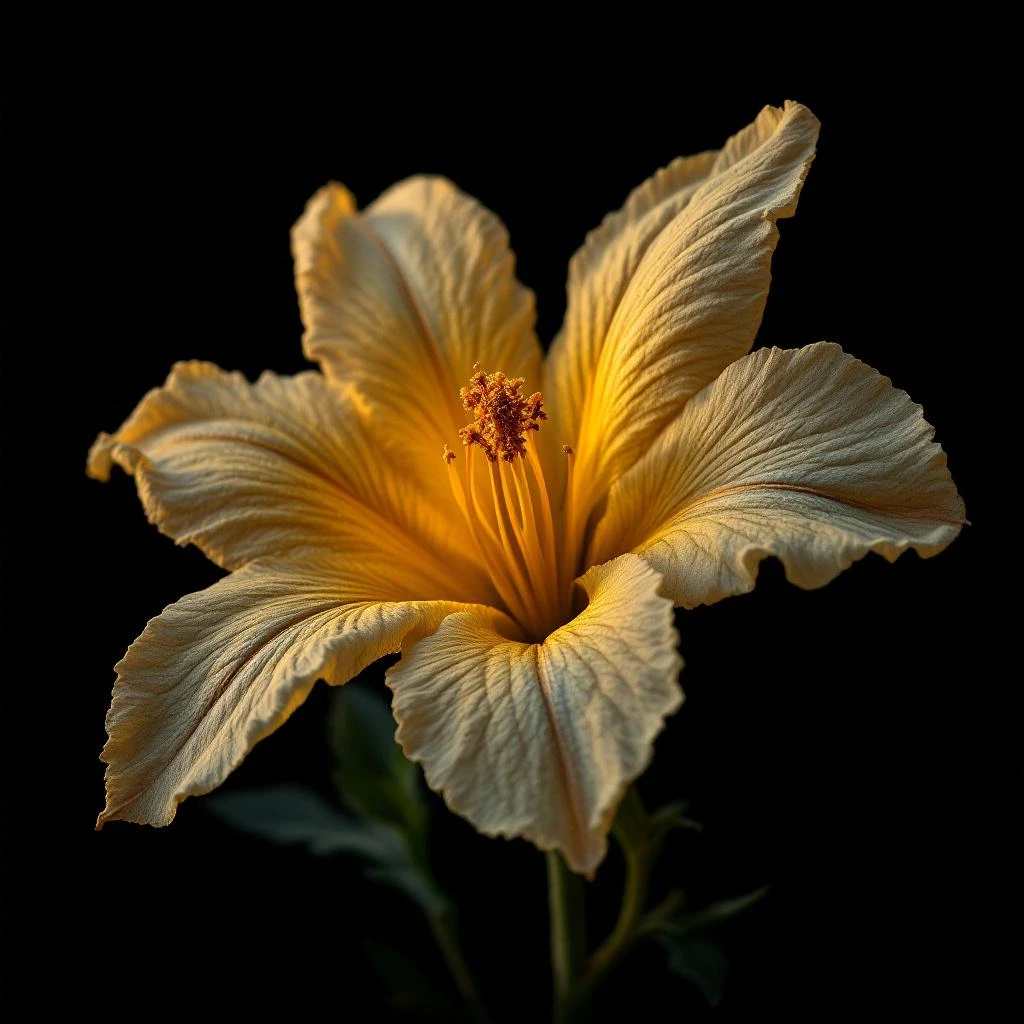
Sweet, honeyed, night-blooming floral warmth.
Tobacco flowers release their fragrance only after dark, attracting moths for pollination — which is also when perfumers harvest them for maximum scent intensity.








Origin
Brazil
Nicotiana alata originated in the grasslands of South America — Brazil, Paraguay, and Uruguay — where indigenous peoples cultivated it long before European contact. It was one of four sacred plants in Native American traditions, used in ceremonial contexts alongside maize, squash, and beans.
When Europeans arrived, they focused on tobacco leaf for trade, but the delicate flowers were treasured locally for their intoxicating fragrance. By the late nineteenth century, as modern perfumery emerged with the commercial synthesis of aroma compounds, perfumers began exploring plant absolutes beyond traditional rose and jasmine.
Tobacco Flower absolute entered the palette as a bridge between warm floral and oriental fragrance families — adding sweetness without the indolic rawness of some white flowers. Today it remains a signature note in countless designer and niche fragrances, valued for its ability to round sharp edges and add sensuality without heaviness.
Wears it best
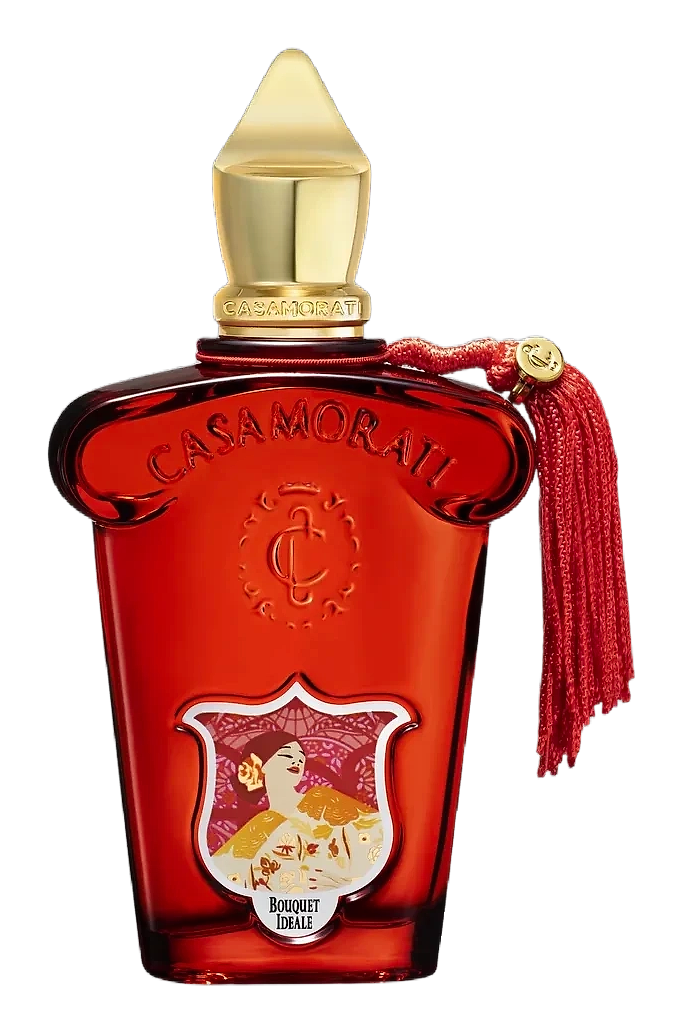
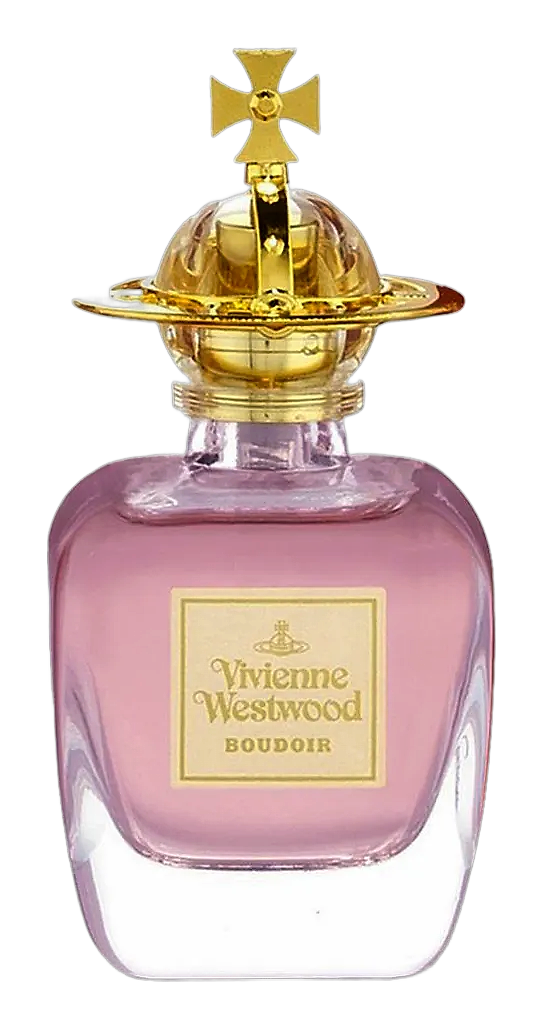
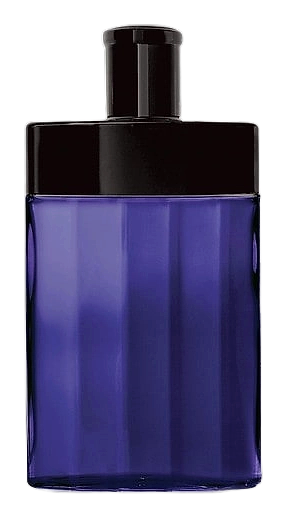
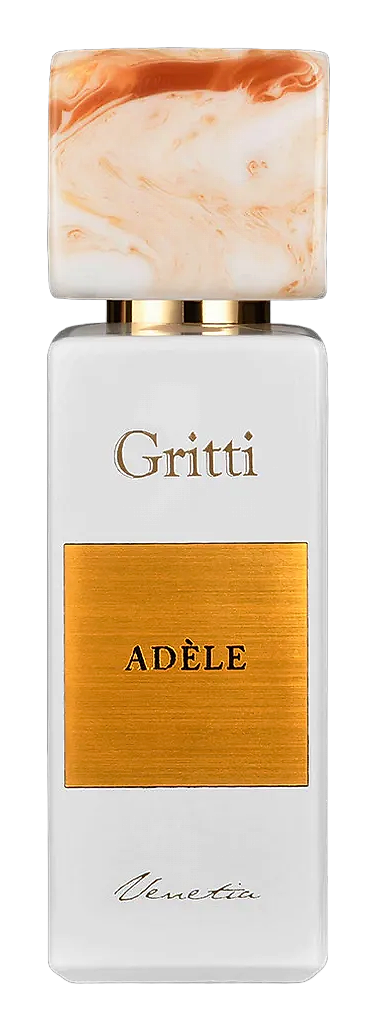
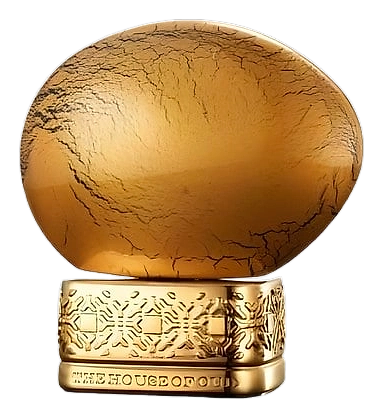
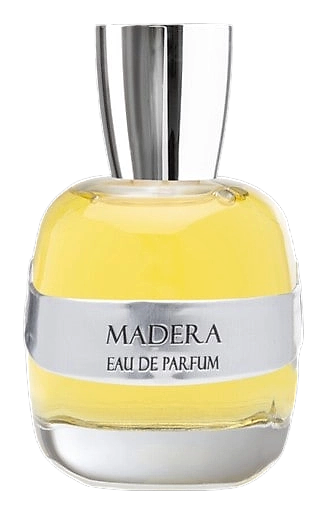
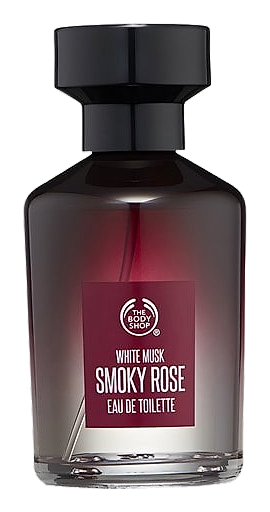
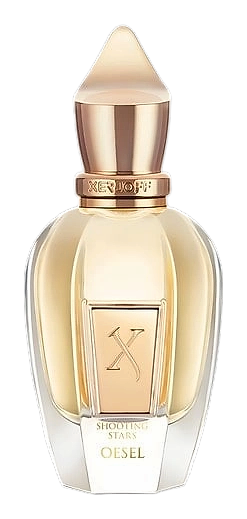
Fragrances featuring Tobacco Flower

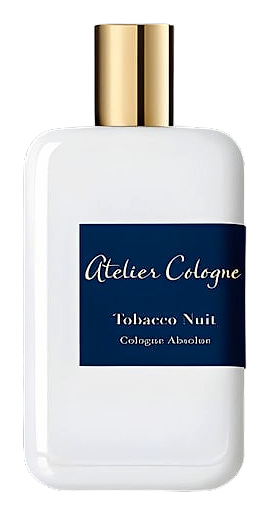
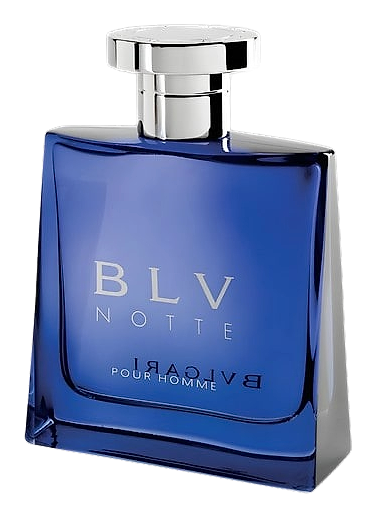
Brands
Brands known for Tobacco Flower
Good to know
Questions, answered
The essentials on Tobacco Flower in perfumery: how it smells, where it comes from, and how it behaves on skin.
What is Tobacco Flower absolute in perfumery?
Tobacco Flower absolute is extracted from the blossoms of Nicotiana alata, a night-blooming plant native to South America. It delivers a sweet, honeyed floral scent distinctly different from the earthy tobacco leaf absolute derived from Nicotiana tabacum.
What does Tobacco Flower smell like?
It opens with a rich honeyed sweetness, layered with warm jasmine and tuberose-like floralcy. The dry-down is soft, powdery, and slightly narcotic — evoking warm summer nights and sun-dried hay.
Is Tobacco Flower the same as tobacco leaf?
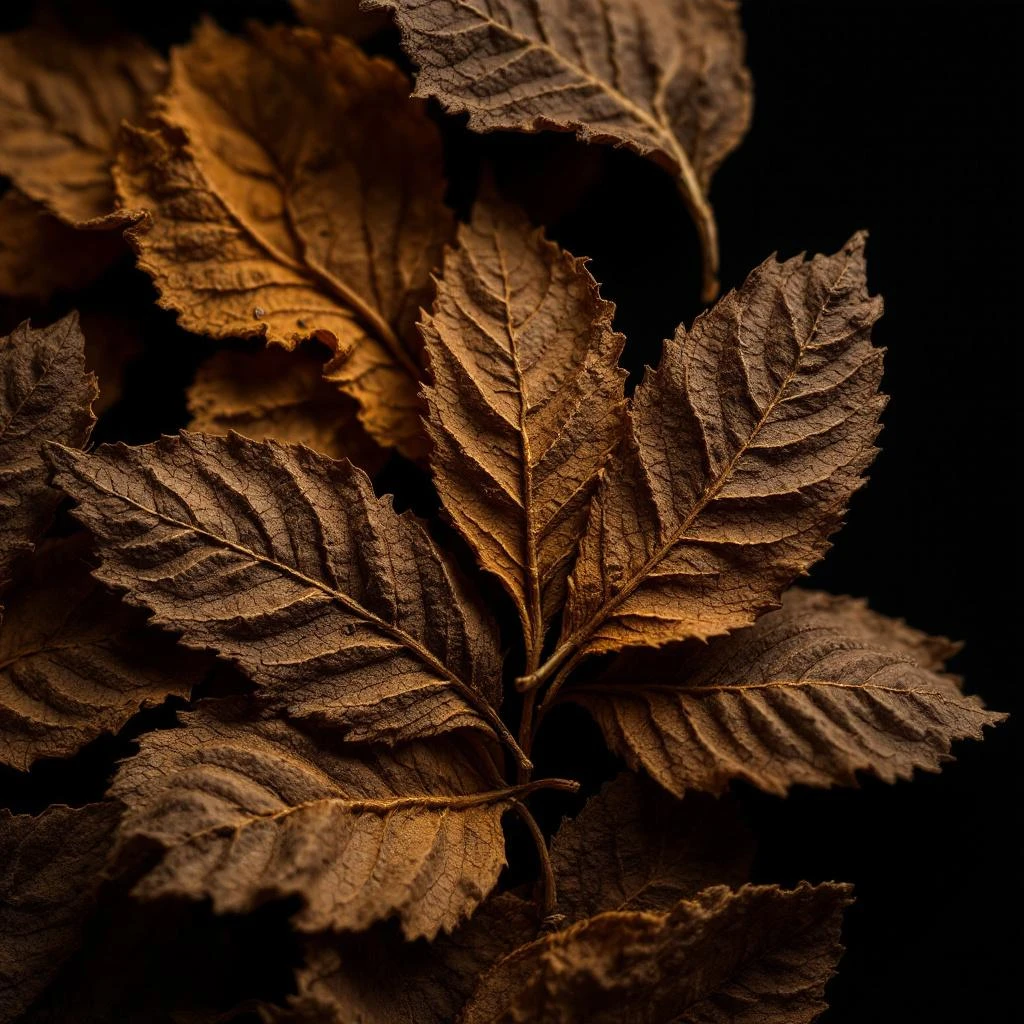
No. Tobacco Flower absolute comes from the blossoms of Nicotiana alata and carries a sweet floral character. Tobacco leaf absolute comes from the dried leaves of Nicotiana tabacum and smells earthy, hay-like, and more herbaceous.
When is Tobacco Flower harvested?
Flowers are harvested at night when they open and release their maximum fragrance, a strategy aligned with the plant's natural pollination by moths. This timing preserves the delicate aromatic volatiles before they dissipate.
What extraction method produces Tobacco Flower absolute?
Solvent extraction is the standard method. Fresh or slightly wilted flowers are macerated in a solvent, which dissolves the aromatic compounds and leaves a waxy absolute after the solvent evaporates.
Which fragrance families use Tobacco Flower?
It appears across oriental, woody, and warm floral compositions. Perfumers use it to add sweetness, round harsh edges, and lend a sensual, honeyed warmth to fragrances ranging fromchypre to gourmand.
Where does commercial Tobacco Flower absolute originate?
The primary production regions span South America — Brazil, Paraguay, and Uruguay — where Nicotiana alata thrives in the warm grasslands. Bulgarian production also contributes to the global absolute supply.
Does synthetic Tobacco Flower exist?
Yes. Synthetics like Phenethyl alcohol and certain ionones can approximate the sweet floral honey character. However, natural Tobacco Flower absolute retains a complex, multifaceted warmth that synthetics still struggle to fully replicate.