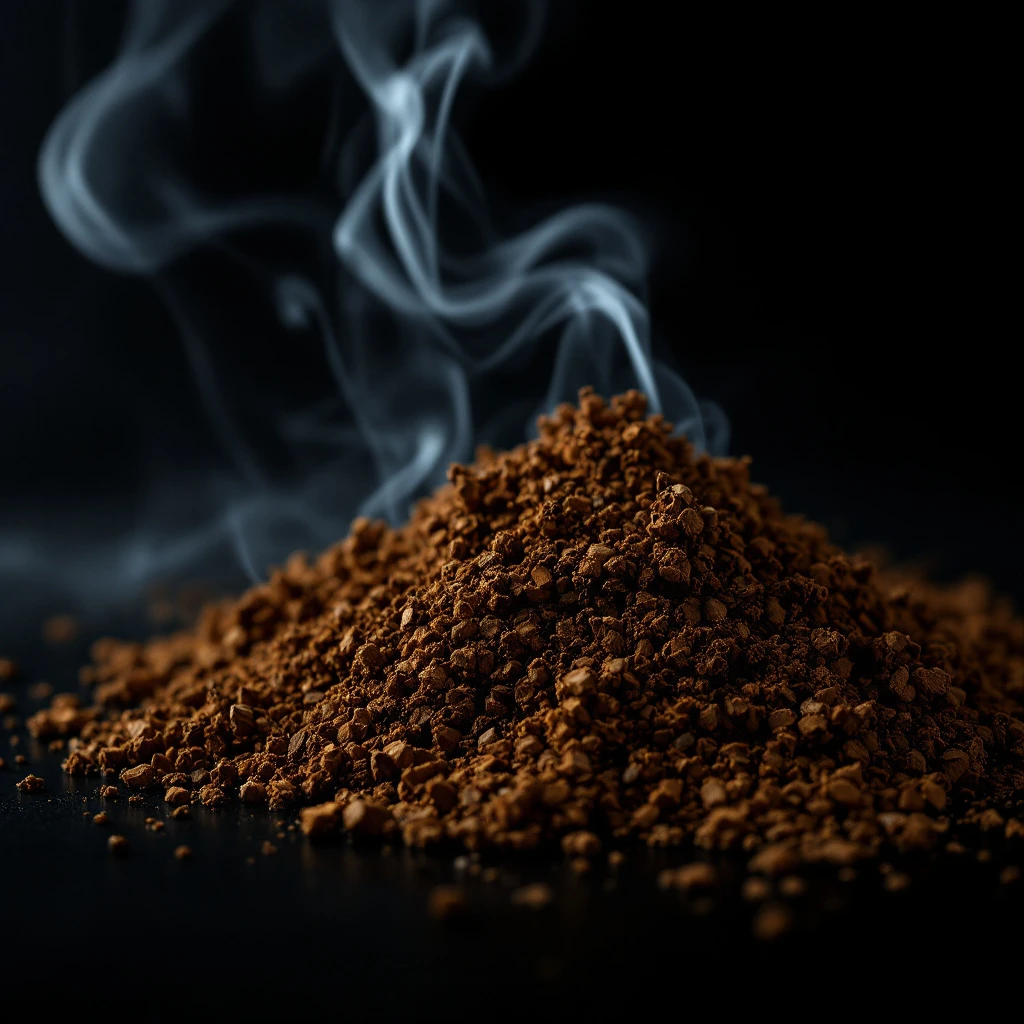
Tobacco Leaf
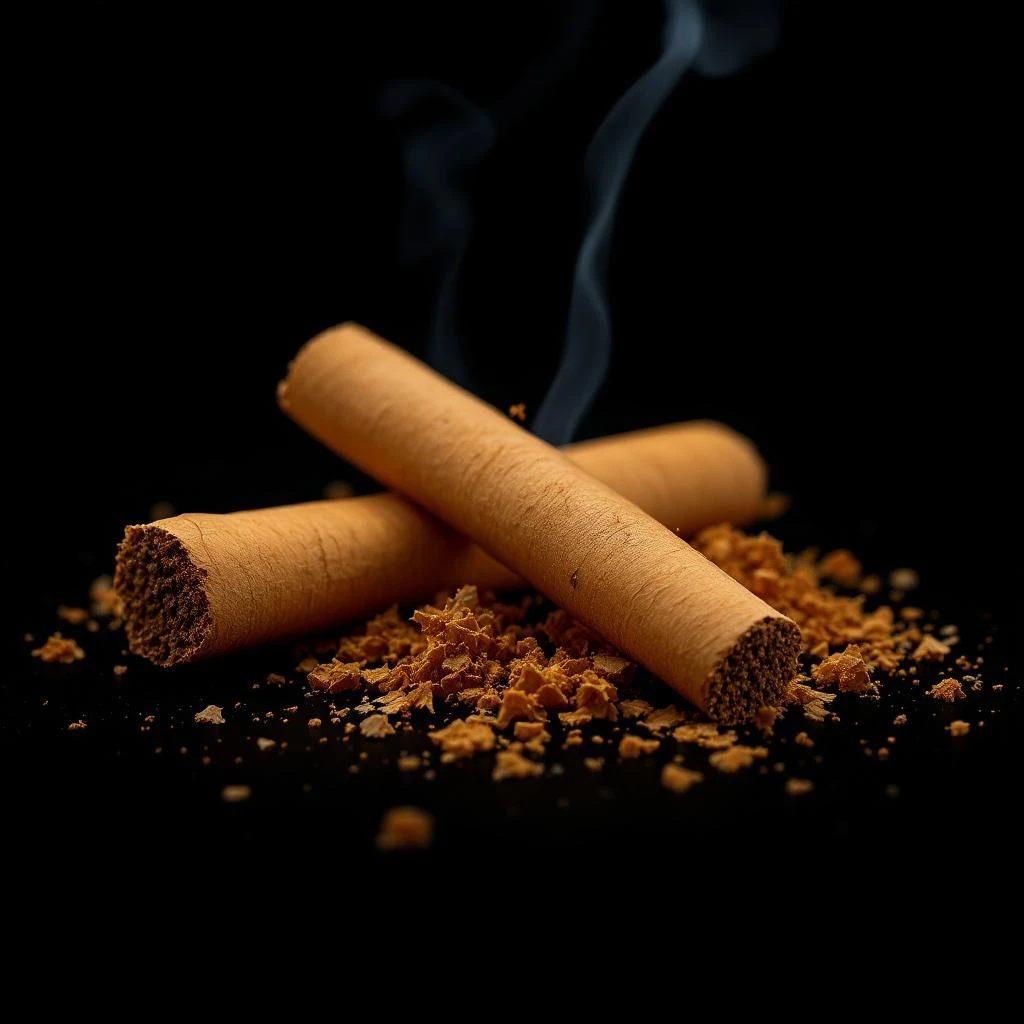
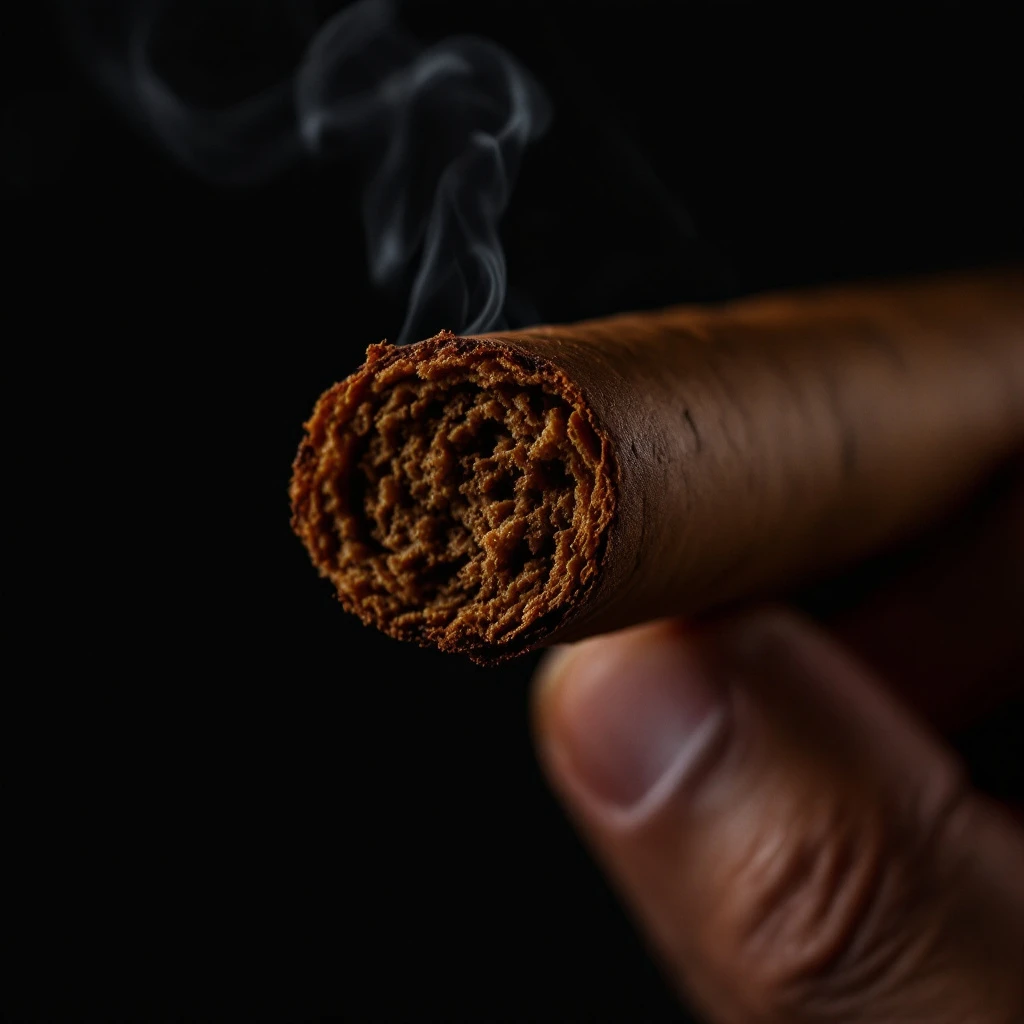
Tobacco leaf brings warmth and quiet sophistication to fragrance, blending honeyed sweetness with dry, smoky undertones. This cured-leaf absolute anchors both vintage classics and modern niche compositions.
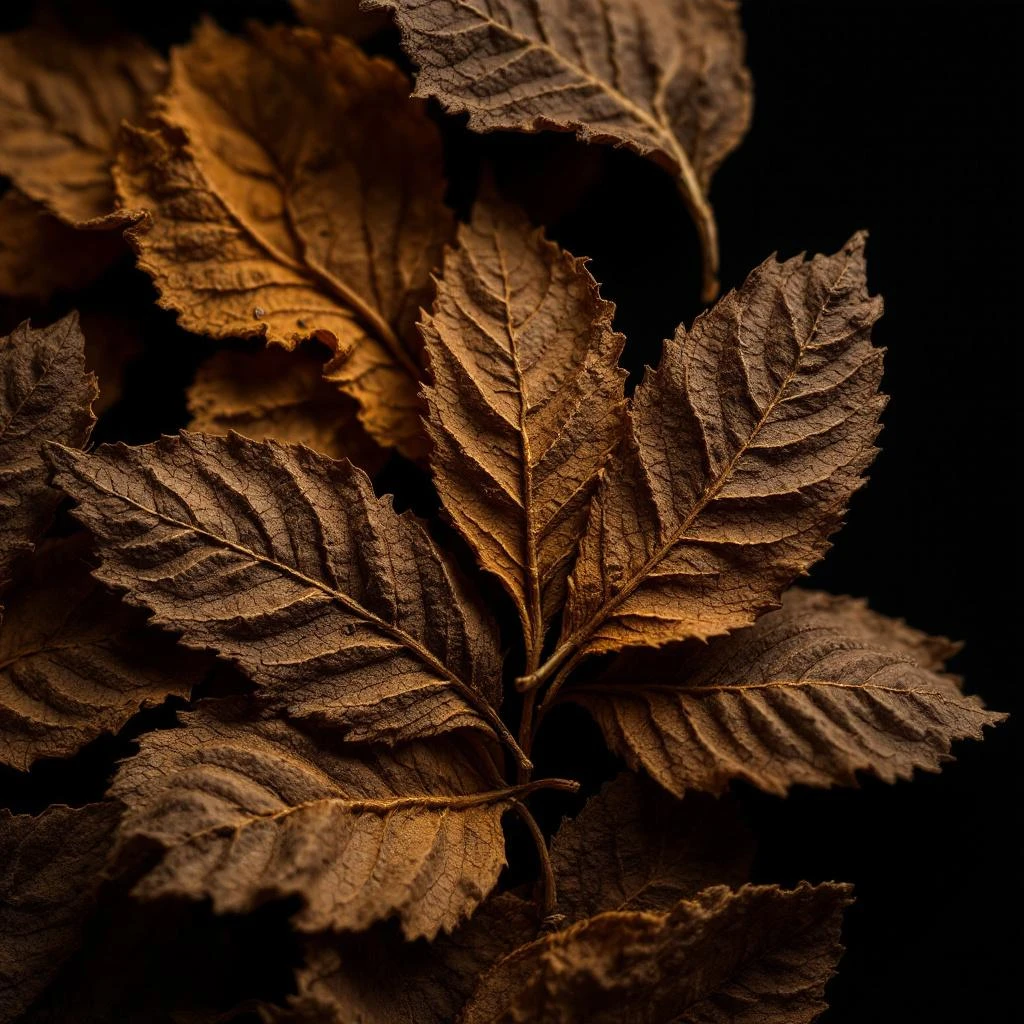
Character
How it smells
Warmth steeped in smoke and golden sweetness.
Caron Tabac Blond (1919) is widely credited as the first mainstream perfume built around tobacco absolute, launching a material obsessions with leaf-aged warmth.






Origin
Bulgaria
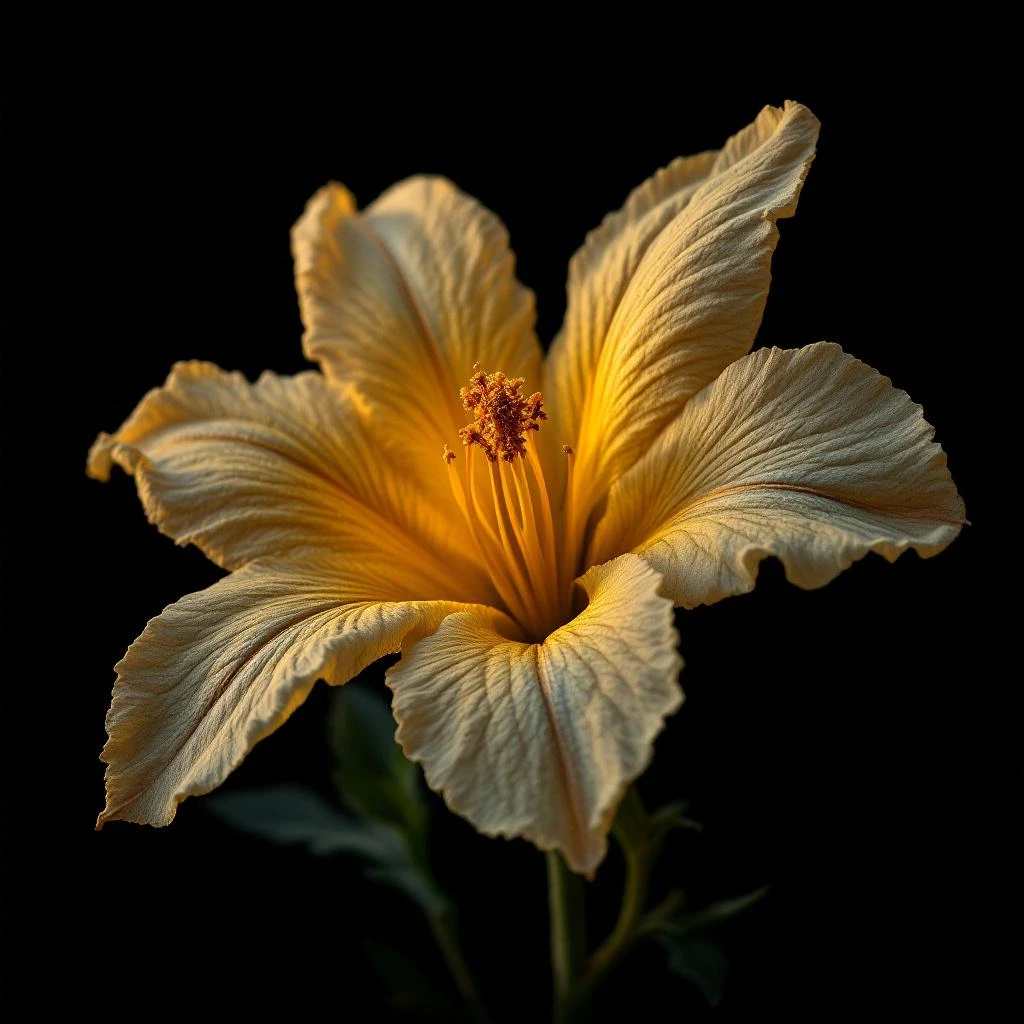
Tobacco carries deep roots among indigenous cultures of the Americas, where Nicotiana species were cultivated and ceremonially used long before European arrival. The plant traveled across the Atlantic in the 16th century, and by the 19th century, perfumers began recognizing tobacco's sensual, smoky character as worth bottling rather than just smoking.
The breakthrough came in 1919 when Caron launched Tabac Blond, widely considered the first mainstream perfume centered on tobacco absolute. The composition helped establish tobacco leaf as a legitimate, sophisticated base note rather than a passing curiosity.
Throughout the 20th century, tobacco settled into the perfumer's palette as shorthand for warmth, masculinity, and old-world refinement. Today's niche and independent perfumers continue exploring tobacco leaf through co-distillations and layered accords, pairing it with vanilla, spice, and oud for added complexity.
Wears it best
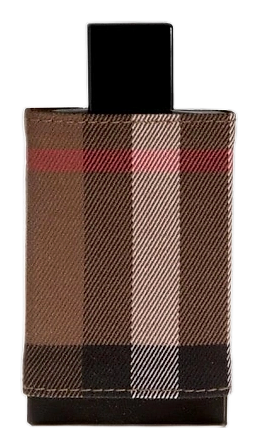
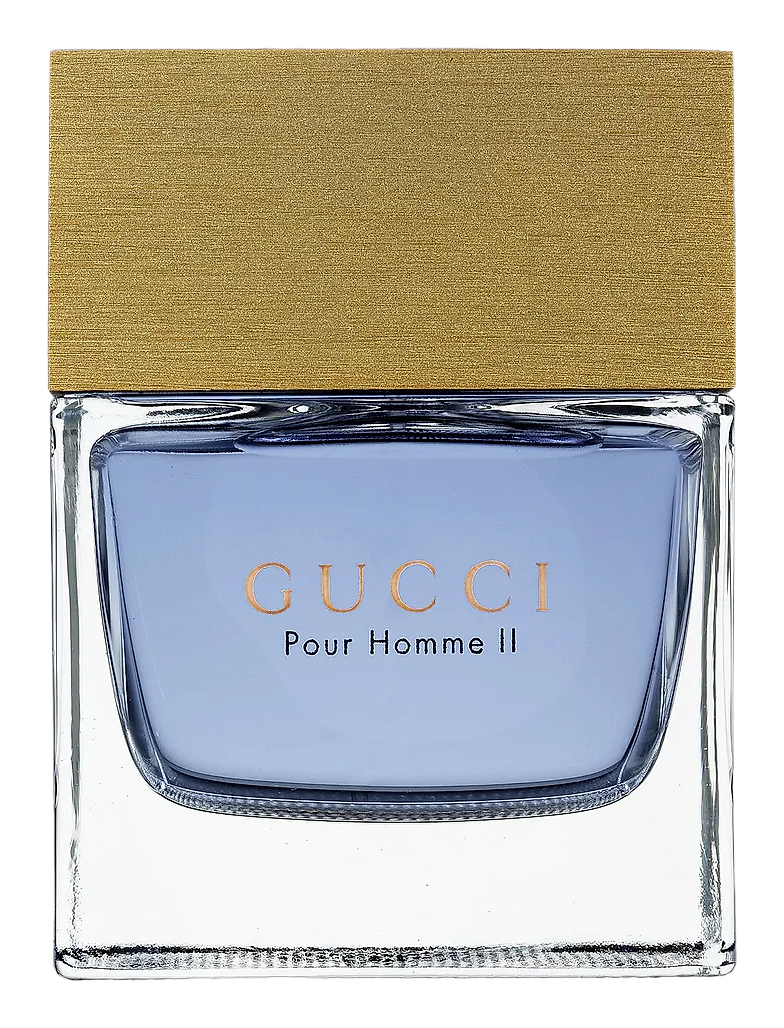
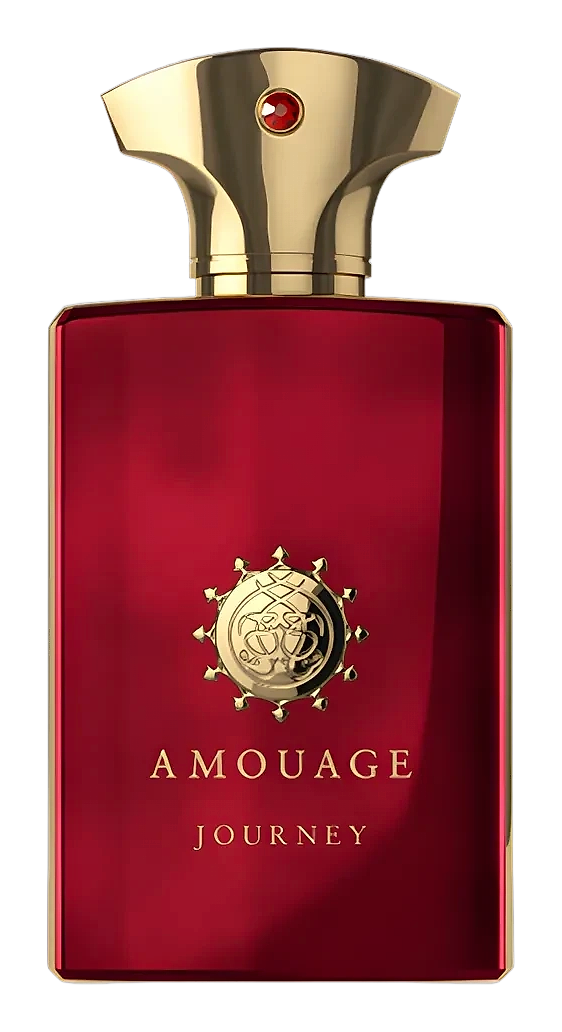
Fragrances featuring Tobacco Leaf




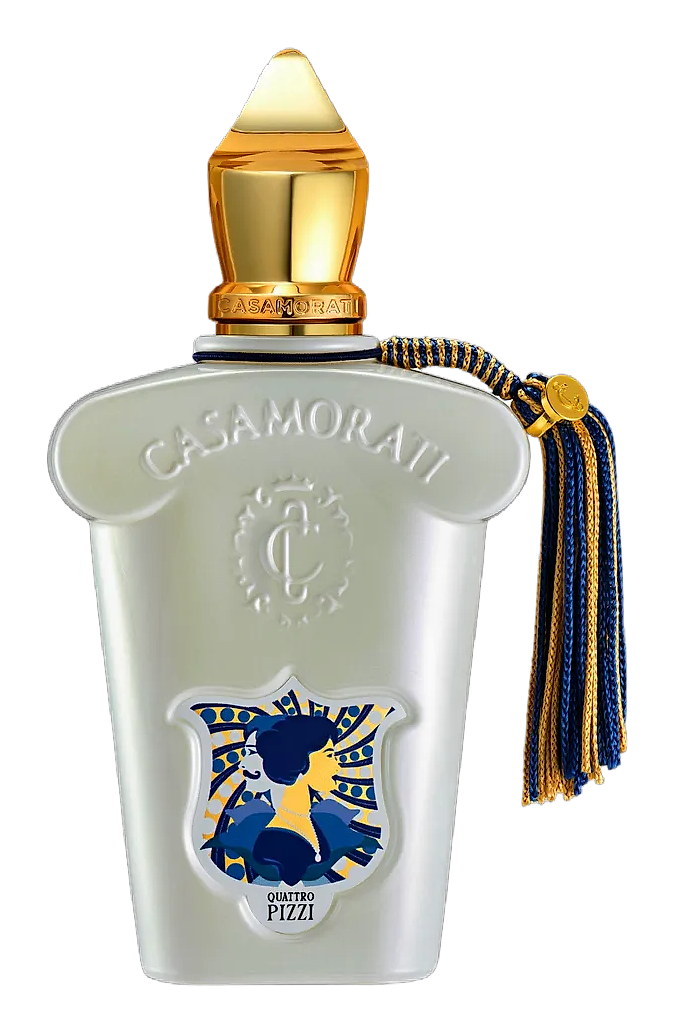
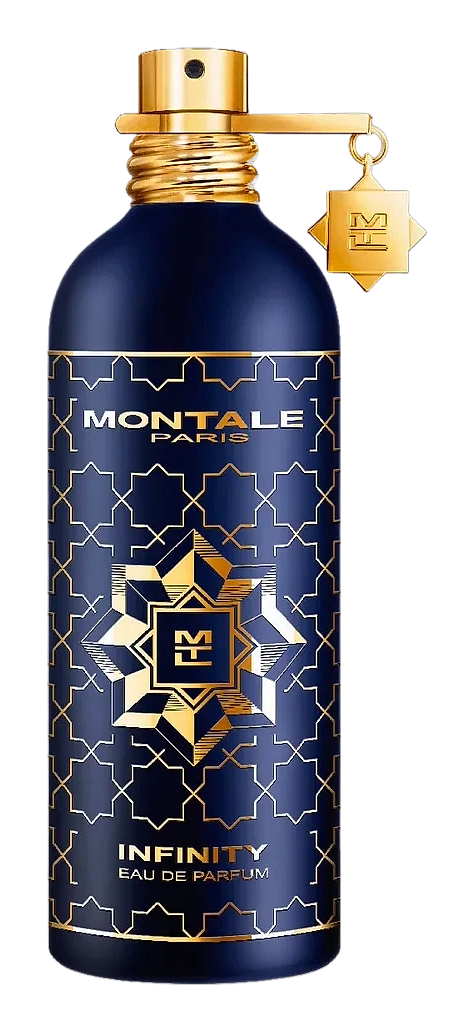
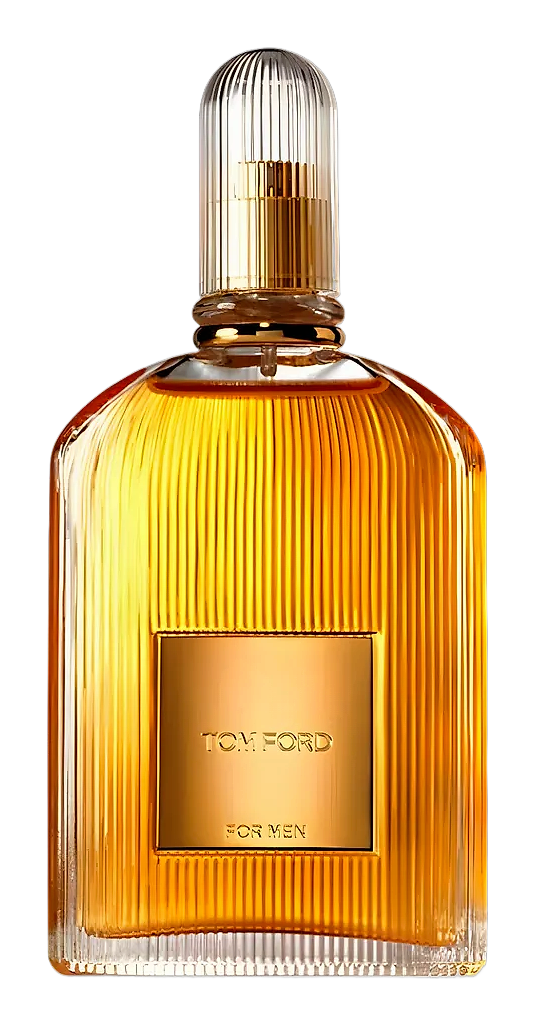
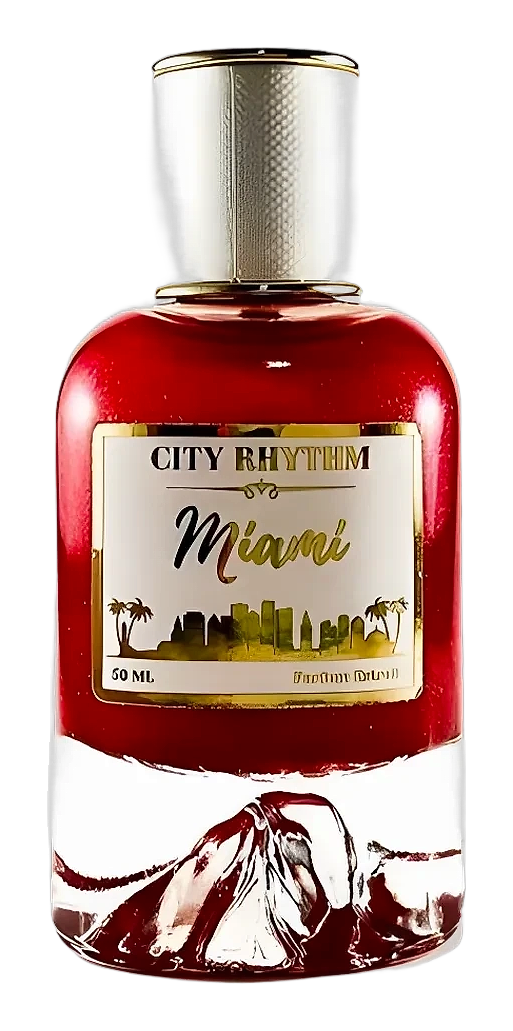
Brands
Brands known for Tobacco Leaf
Good to know
Questions, answered
The essentials on Tobacco Leaf in perfumery: how it smells, where it comes from, and how it behaves on skin.
What does tobacco leaf smell like in perfume?
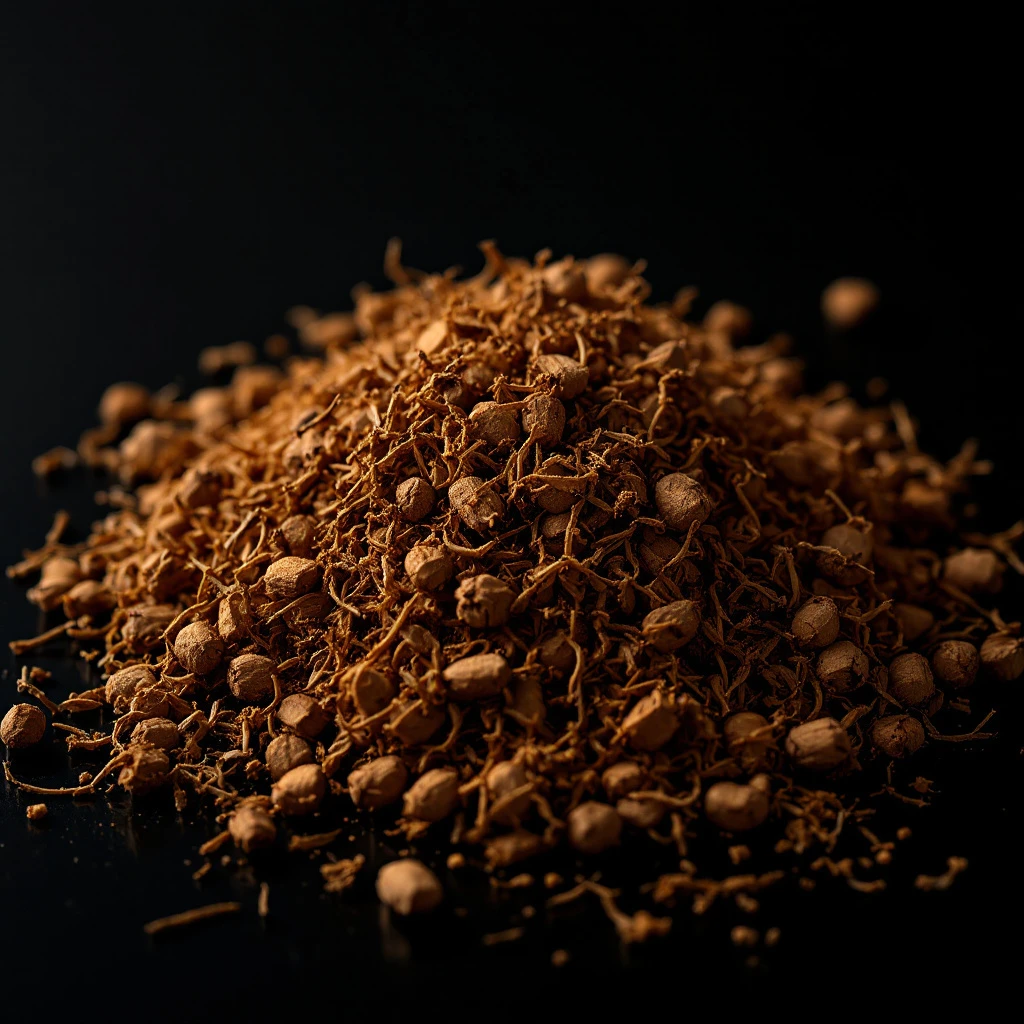
Tobacco leaf absolute smells warm and sweet, with honeyed, dried-fruit undertones and a faintly smoky, hay-like dryness. It reads less like fresh tobacco and more like cured, aged leaf with almost fermented richness.
Is tobacco leaf natural or synthetic in perfumery?
Most tobacco notes come from natural tobacco absolute, extracted via solvents from cured leaves. Some modern compositions pair the absolute with synthetic molecules like coumarin to amplify the sweet, powdery facets.
When was tobacco leaf first used in perfumery?
Tobacco appeared in 19th-century perfumery but achieved landmark status in 1919 with Caron Tabac Blond, credited as the first mainstream tobacco-centric fragrance.
Where is tobacco absolute produced?
Bulgaria is a major source of tobacco absolute oil thanks to its established rose and aromatic-crop industry. Other producers include India and select tobacco-growing regions in the Balkans.
What notes pair well with tobacco leaf?
Tobacco leaf pairs naturally with vanilla, tonka bean, honey, leather, oud, and woods. Spice notes like cinnamon and clove amplify its warmth, while citrus adds lift to heavier tobacco compositions.
Is tobacco absolute safe for skin?
Tobacco absolute is generally safe at typical fragrance concentrations of 0.5 to 2 percent. As with most naturals, sensitized individuals should patch-test, since some cured-plant extracts can trigger reactions.
How is tobacco absolute extracted?
Producers extract cured tobacco leaves using solvents like petroleum ether or hexane to create a concrete, then wash it with alcohol to isolate the aromatic absolute.
Why is tobacco leaf popular in niche perfumery?
Tobacco leaf offers rare depth, combining gourmand sweetness with smoky, leathered dryness in a single material. Its associations with vintage luxury and old-world refinement make it a signature choice for niche brands.