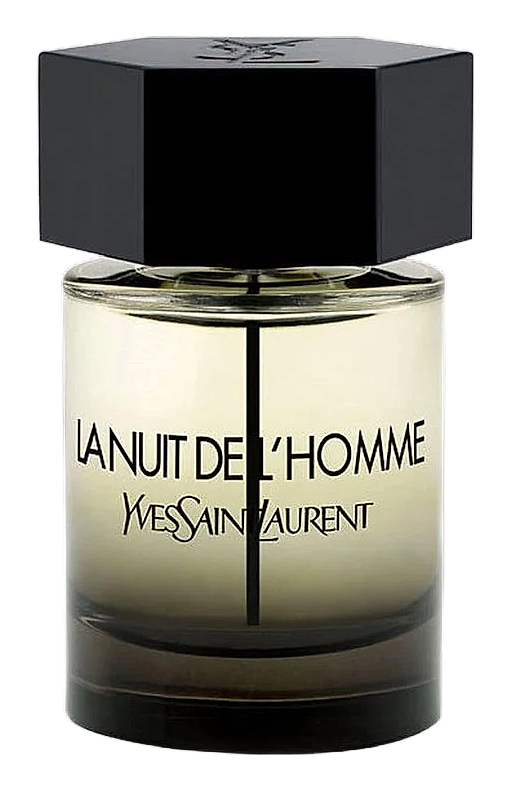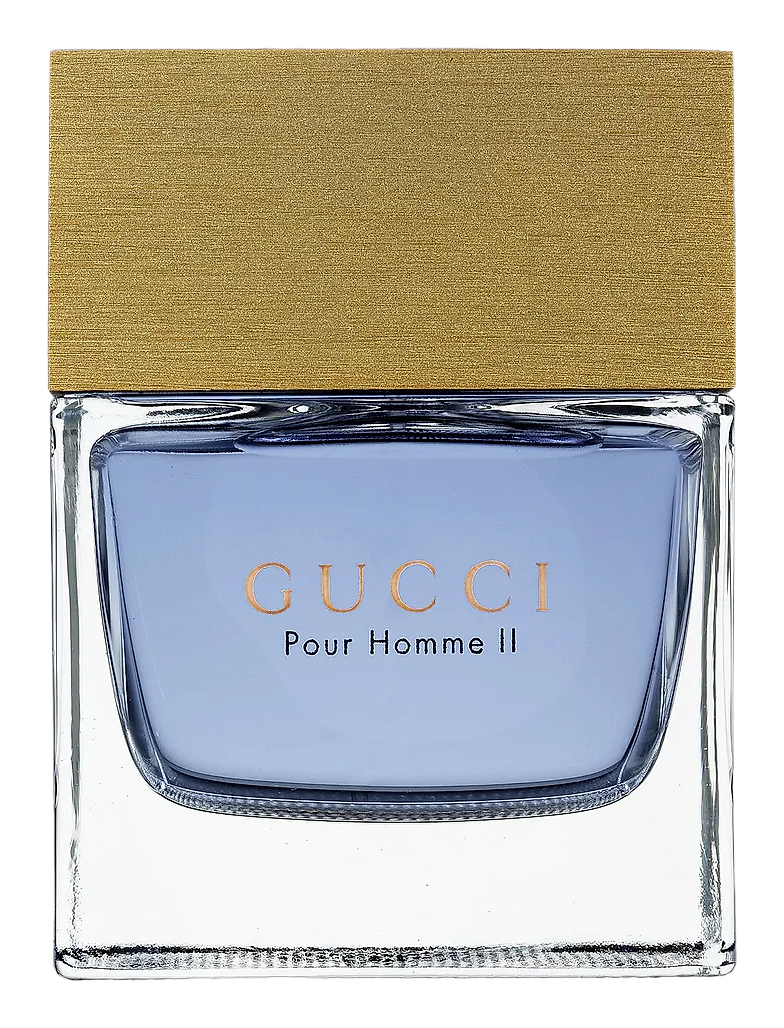

The Story
Why it exists.
The beginning
In 2007, four years after releasing the original Pour Homme, Gucci wanted a fragrance that felt connected to its predecessor but carried its own distinct energy. The House turned to Karine Dubreuil-Sereni, a perfumer known for precision in masculine composition, and gave her a clear directive: evolve the house identity without replicating it. Dubreuil-Sereni began with violet leaf and bergamot, choosing these two notes to establish a cool, green vitality that felt like morning air rather than late evening. Bergamot gave her citrus brightness without the sweetness of lemon or orange, and violet leaf offered that distinctive green, slightly metallic freshness that signals immediate sophistication. These choices set the tone for everything that followed.
Dubreuil-Sereni's note choices reflect a deliberate philosophy: start with green freshness to command attention, deepen with warm spice to hold interest, and anchor with resinous woods and soft musk to leave a lasting impression. The pairing of black tea with cinnamon and allspice creates a warm heart that complements the cool opening without repeating it. Myrrh and tobacco add masculine depth, while olive wood and white musk keep the drydown grounded and elegant. This structure gives the wearer a complete arc, from immediate impact to long-lasting refinement, rather than a single impression that fades quickly.
The evolution
The scent journey begins with violet leaf cutting through the air with its crisp, ozonic quality while bergamot adds a bright citrus counterpoint. This opening feels cool and alert, like stepping into a garden after rain. As time passes, black tea takes center stage, bringing a warm, slightly bitter depth that shifts the mood from energetic to contemplative. Cinnamon and allspice arrive gently, layering in aromatic warmth that keeps the heart from feeling flat. By the time the drydown arrives, myrrh adds a resinous, slightly sweet complexity while tobacco contributes earthy, smoky depth. Olive wood grounds the base with dry woodiness, and white musk ensures the final phase stays clean and wearable rather than heavy or overpowering. The progression moves from crisp to warm to refined, each stage clearly distinguishable.
Cultural impact
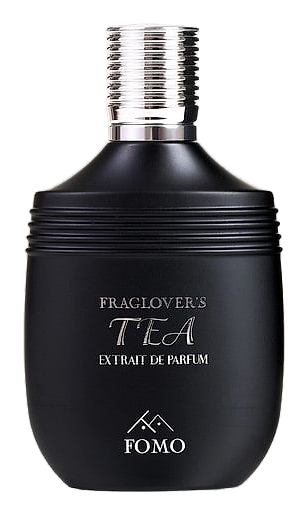
The ozonic-green-spice-tobacco structure offers a different take on masculine fragrance design. What distinguishes it most is the black tea note, clean and aromatic, a quality not commonly found in masculine compositions. The moderate sillage suited professional environments well. The tea note stands out as the defining element, and the overall refinement earns praise from those who appreciate this particular balance of notes.