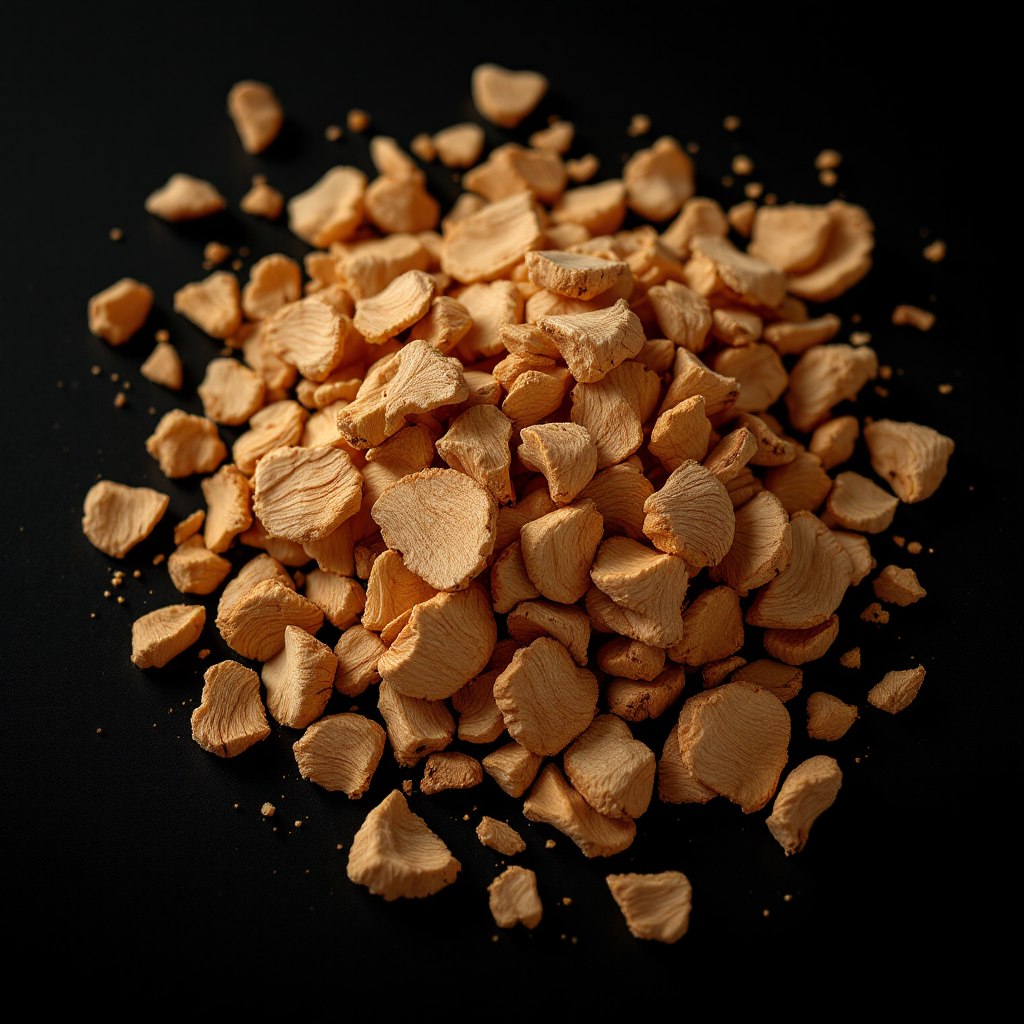
Olive Wood
Warm and sun-dried, olive wood carries the Mediterranean into your skin. Its dry, slightly sweet woody aroma pairs resinous depth with fresh green undertones, a reminder of ancient groves and timeless perfumery traditions.
Character
How it smells
Mediterranean heritage captured in a dry, warm wood note.
The ancient Greeks and Romans used olive oil as the primary perfumery medium, macerating fragrant plants in it for centuries before alcohol-based perfumes emerged.







Origin
Italy
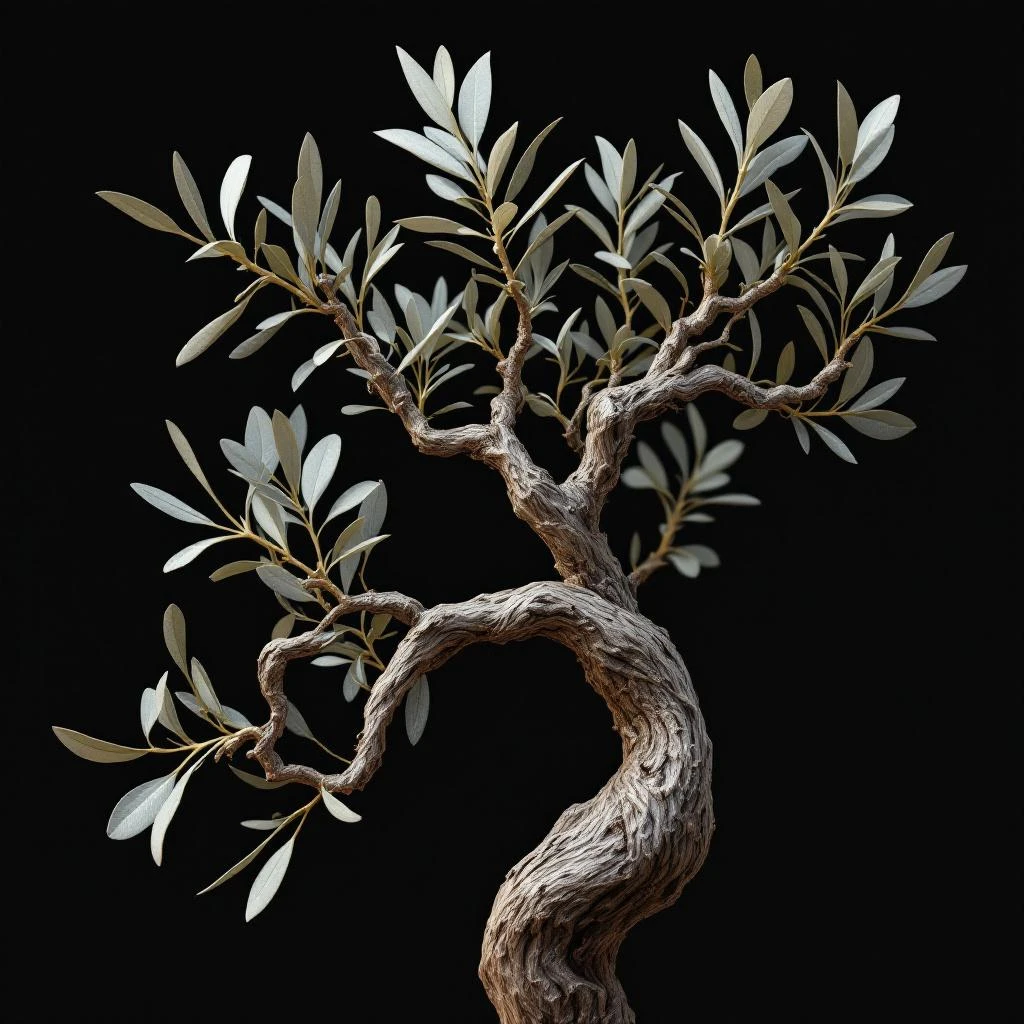
The olive tree has anchored Mediterranean civilization for over 6,000 years, and its wood has long carried cultural significance beyond the fruit it bears. Ancient perfumers worked primarily with plant-based materials: woods, resins, flowers, barks, and spices extracted through techniques like maceration and enfleurage. Olive oil served as the foundational perfumery medium, with workers at ancient factories sourcing it from nearby mills to extract the scent of fragrant botanicals.
Greek, Roman, Persian, and Arab civilizations each refined the craft over centuries, establishing the Mediterranean basin as the birthplace of organized perfumery. The olive tree itself appears throughout ancient mythology and scripture as a symbol of peace, wisdom, and divine blessing. In the Italian region of Salento, contemporary perfumers have dedicated creations to the surviving olive groves, many of which face ongoing pressure from Xylella fastidiosa, lending the ingredient both cultural weight and a note of urgency for preservation.
While olive wood oil has never been a dominant perfumery material, its historical role as part of the broader woody materials palette connects it to millennia of aromatic tradition.
Wears it best
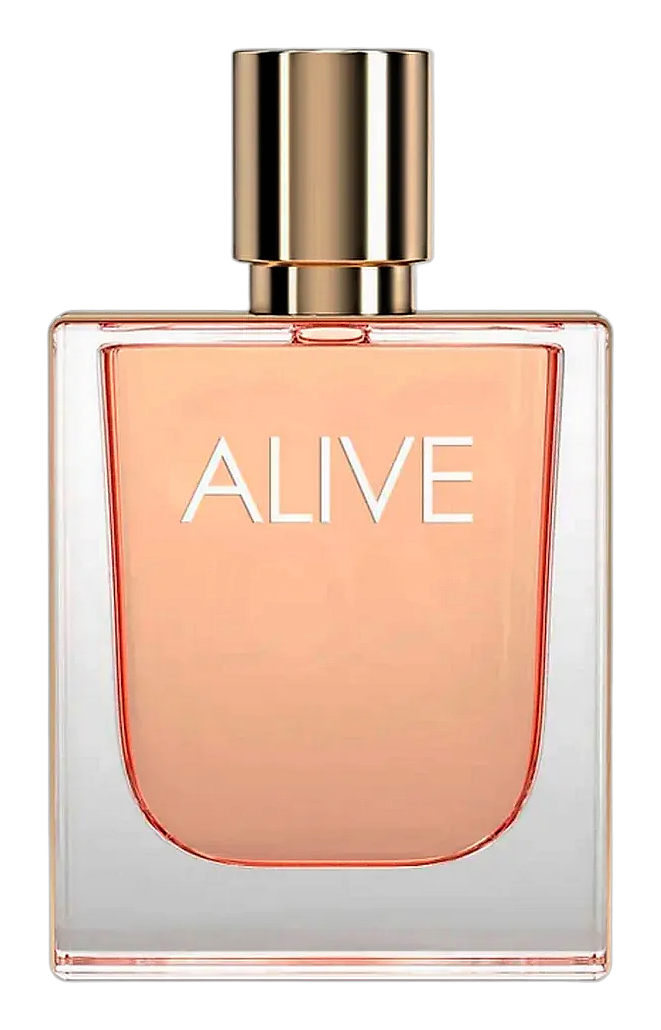
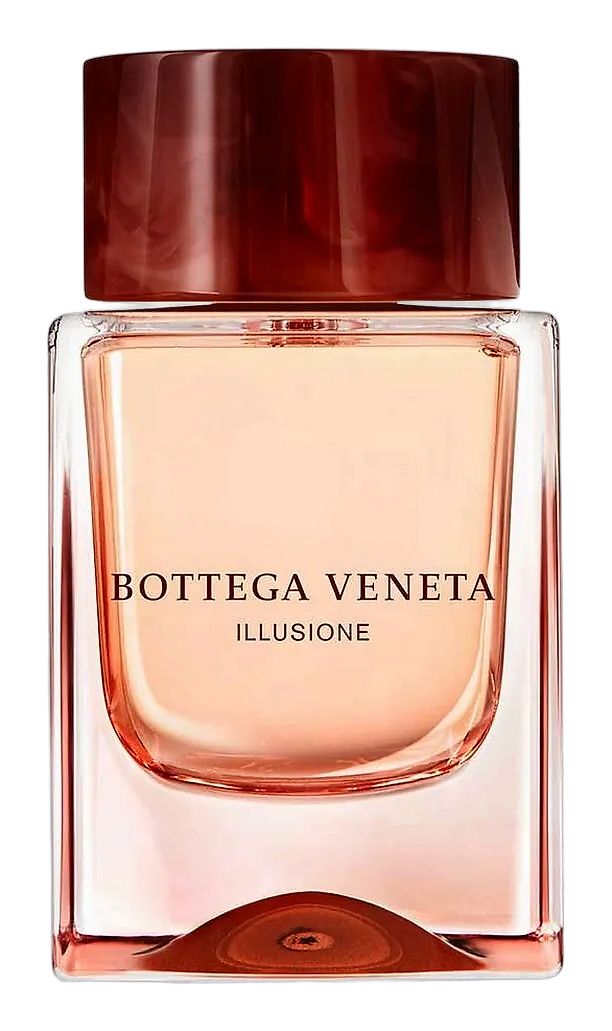
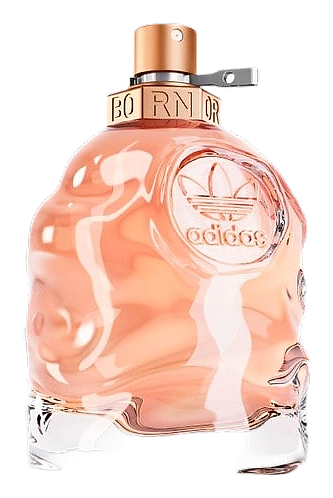
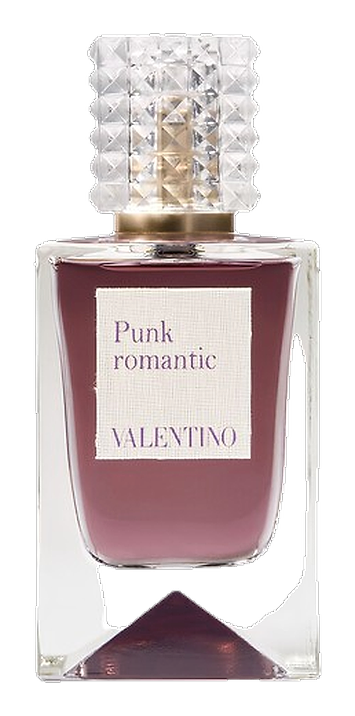
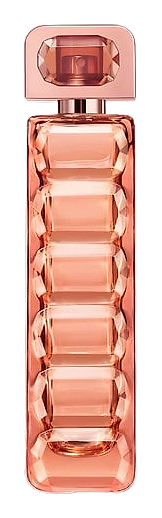
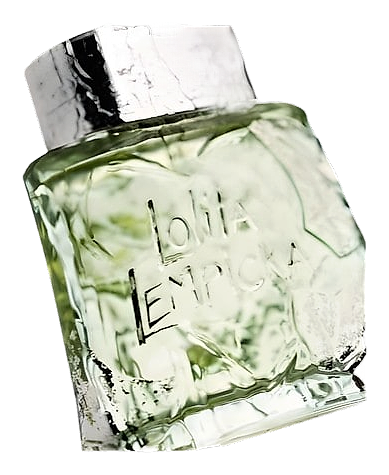
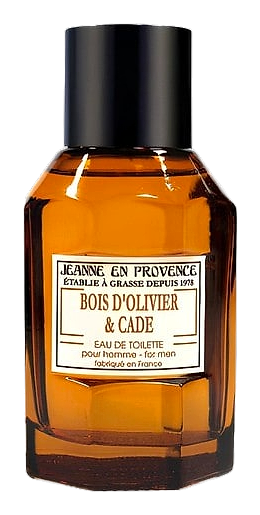
Fragrances featuring Olive Wood
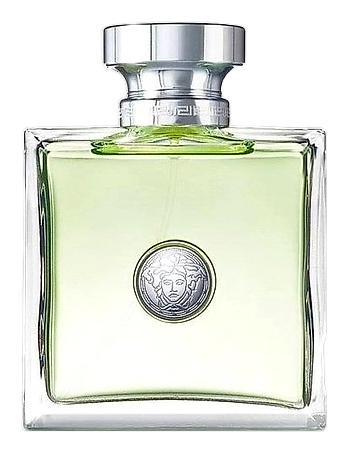
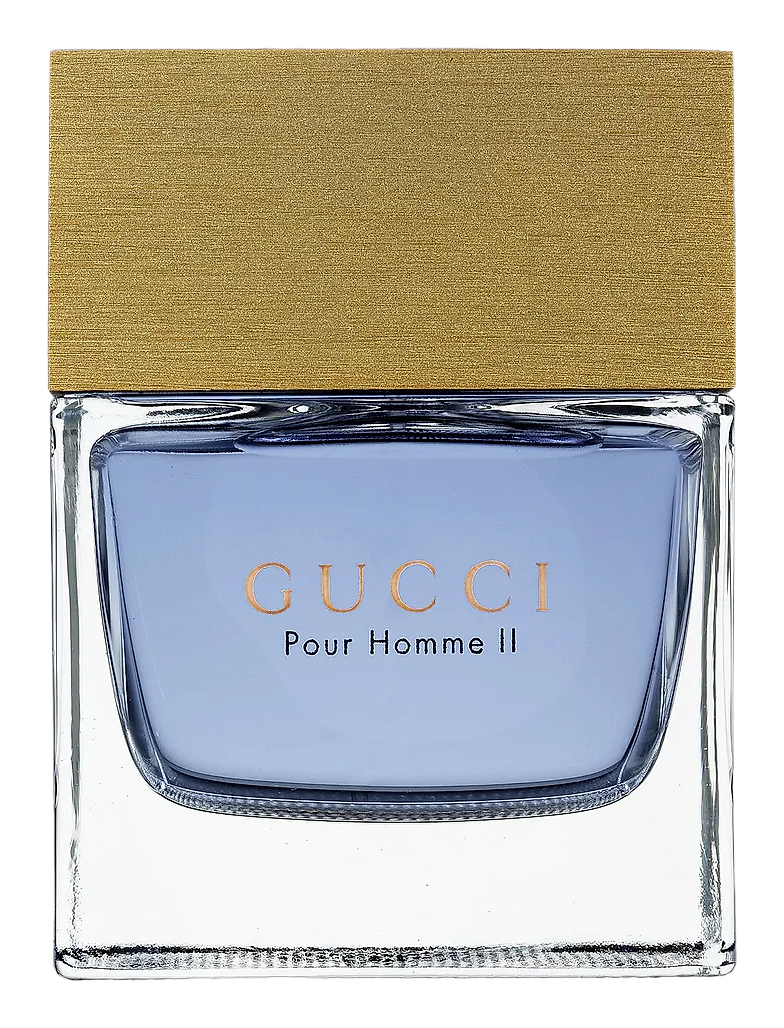
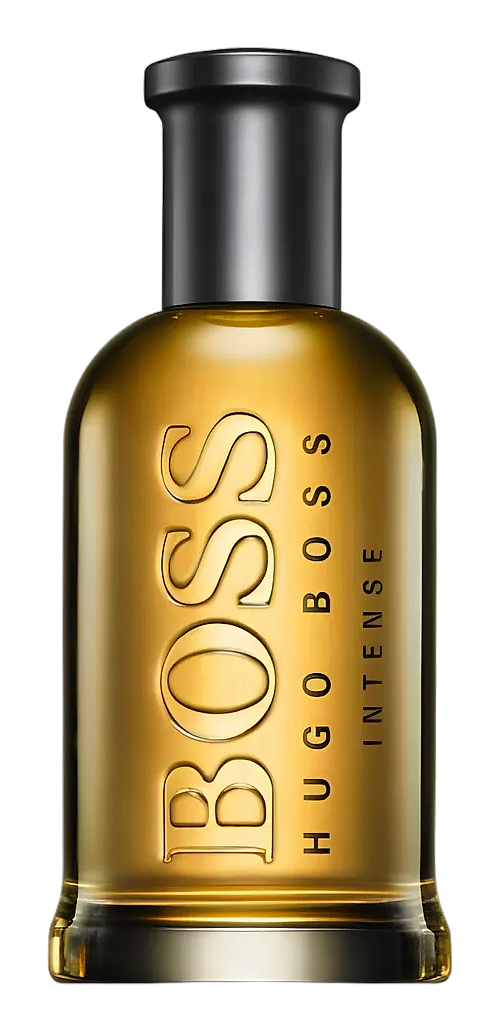
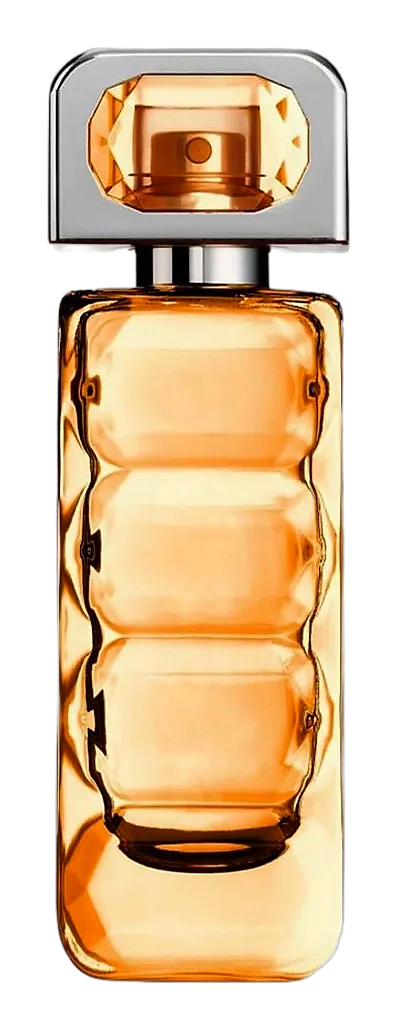

Brands
Brands known for Olive Wood
Good to know
Questions, answered
The essentials on Olive Wood in perfumery: how it smells, where it comes from, and how it behaves on skin.
What role does olive wood play in perfumery?
Olive wood functions primarily as a base note, adding dry woody warmth with subtle green and resinous undertones. It appears sparingly in niche and artisan fragrances due to limited availability and the difficulty of extracting meaningful aromatic compounds from the wood.
How was olive wood used in ancient perfumery?
Ancient perfumers used olive oil as the primary extraction medium, macerating fragrant materials to create scented oils. The wood itself was less commonly used than resins like frankincense or myrrh, but olive oil was essential to the ancient perfumery process.
What gives olive wood its distinctive aroma?
The aromatic profile comes from sesquiterpenes and phenolic compounds in the heartwood, giving olive wood its dry, slightly sweet, and faintly balsamic character. Origin and growing conditions significantly influence the final scent.
Which famous fragrances feature olive wood?
Specific commercial formulations are proprietary, but olive wood appears most often in artisan and niche fragrances that emphasize Mediterranean ingredients or woody compositions. Artisan perfumers working with southern Italian materials have incorporated it most visibly.
How does olive wood differ from other woody notes?
Unlike sandalwood's creaminess or cedar's sharp structure, olive wood offers a dry, sun-baked quality reminiscent of driftwood. It bridges woody and resinous families, adding a Mediterranean character distinct from tropical or northern woods.
Does olive wood scent change over time in a fragrance?
As a base note, olive wood develops slowly on the skin, revealing its sweeter facets over several hours. The dry, woody character typically persists longer than lighter heart notes, anchoring the fragrance as it evolves.
What ingredients pair well with olive wood?
Olive wood complements citrus, lavender, and herbaceous notes for a Mediterranean effect. It also pairs naturally with other woody materials like cypress and juniper, as well as resins such as labdanum and frankincense.
Is olive wood oil natural or synthetic?
Commercially available olive wood oil is primarily natural, extracted through steam distillation or solvent extraction. However, the material is scarce enough that some perfumers may use aroma chemicals to recreate the profile synthetically.