




Heritage
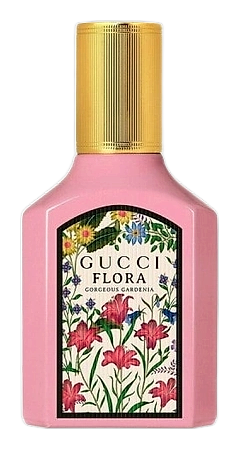
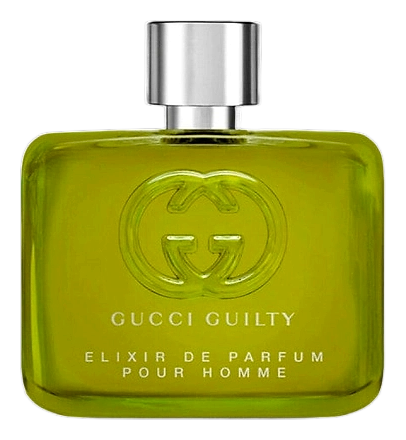
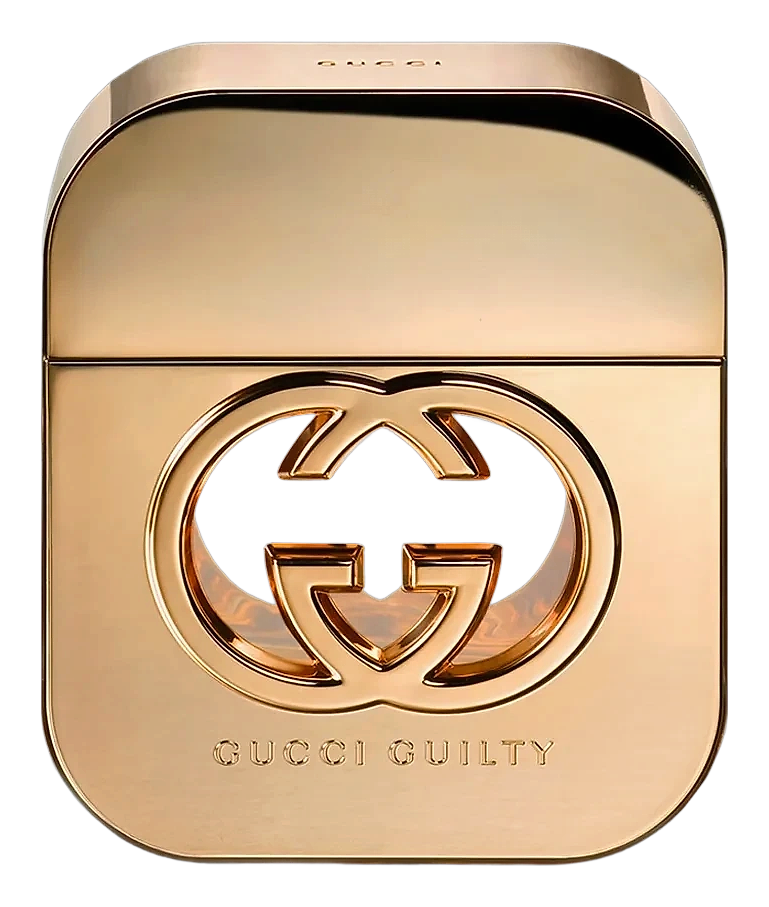
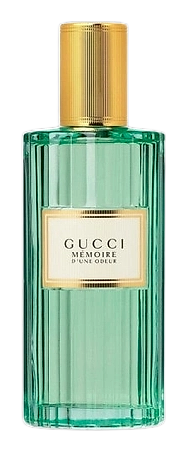
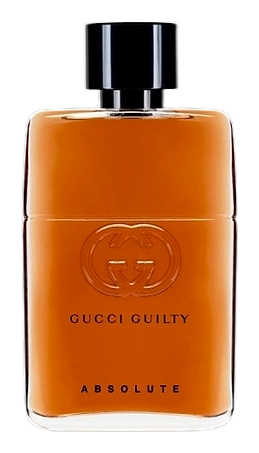
A house, in its own words
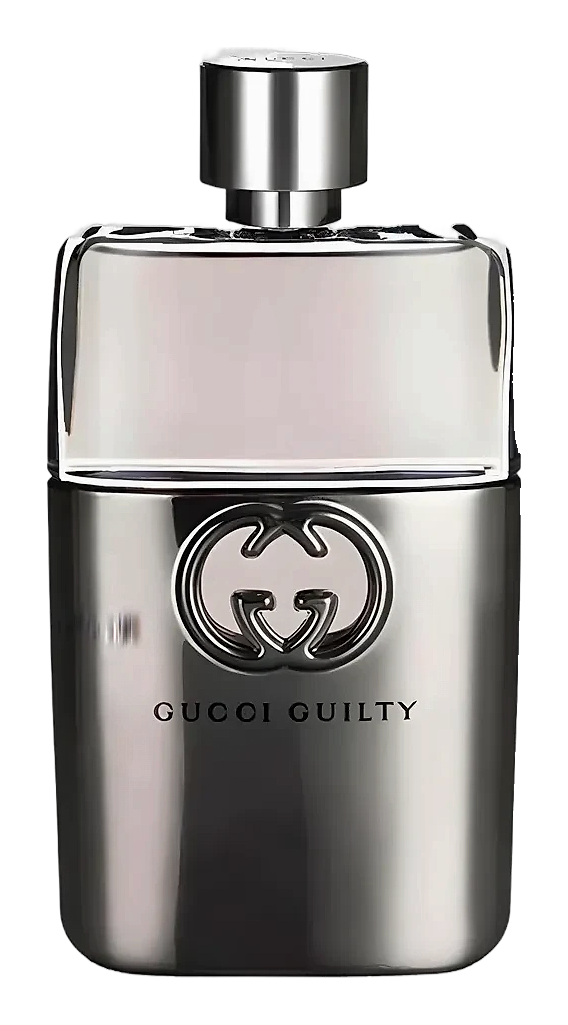
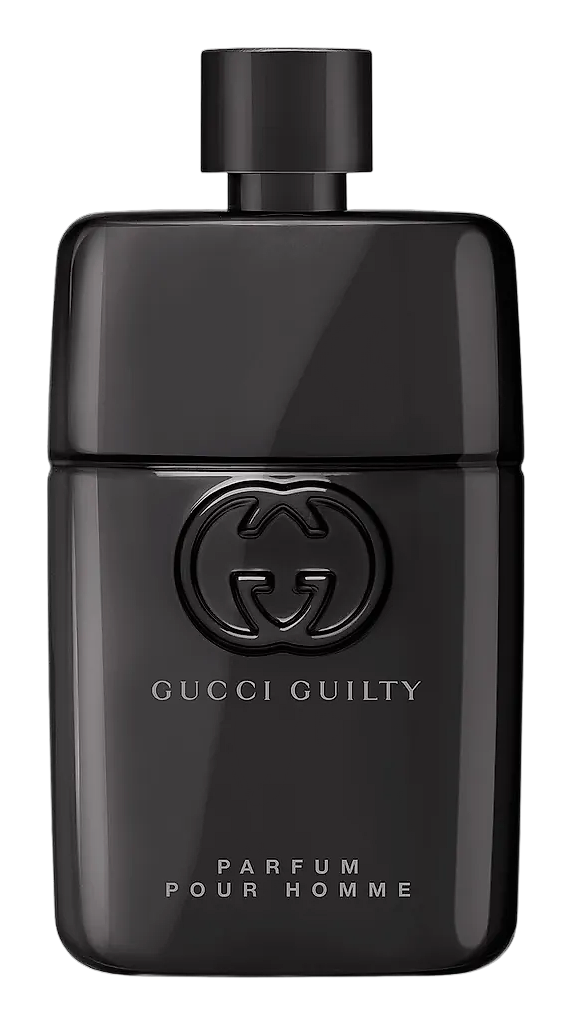
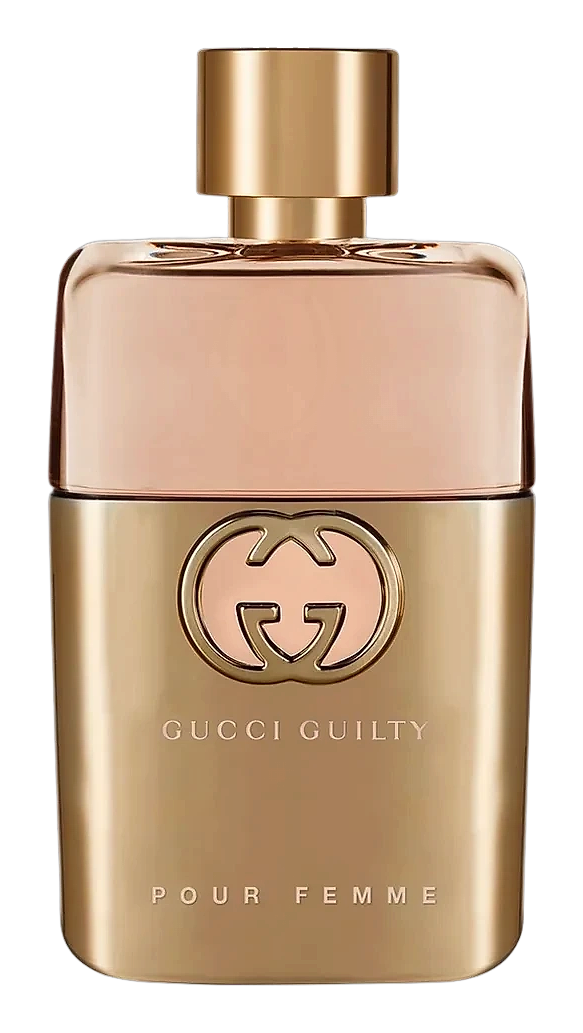
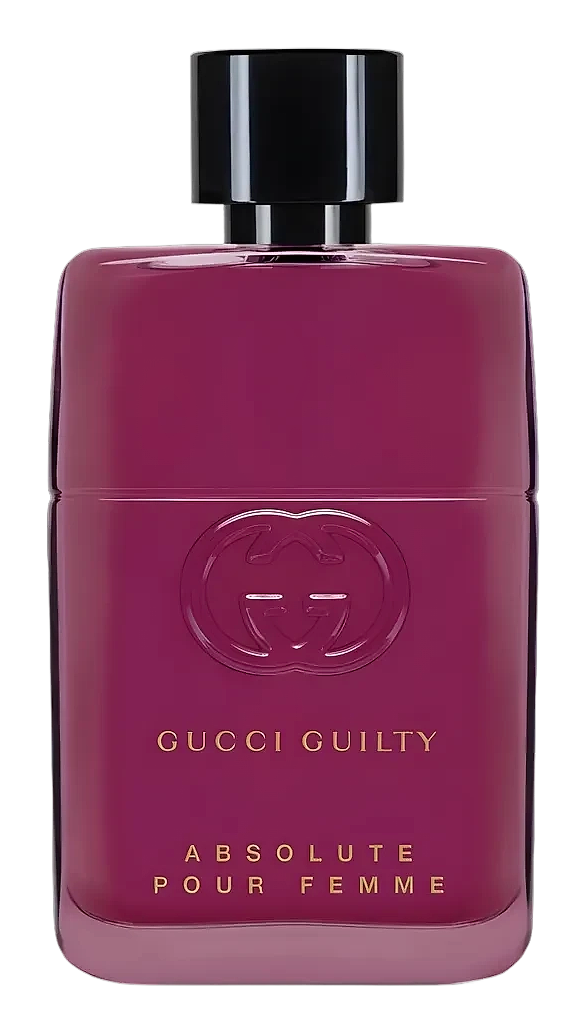
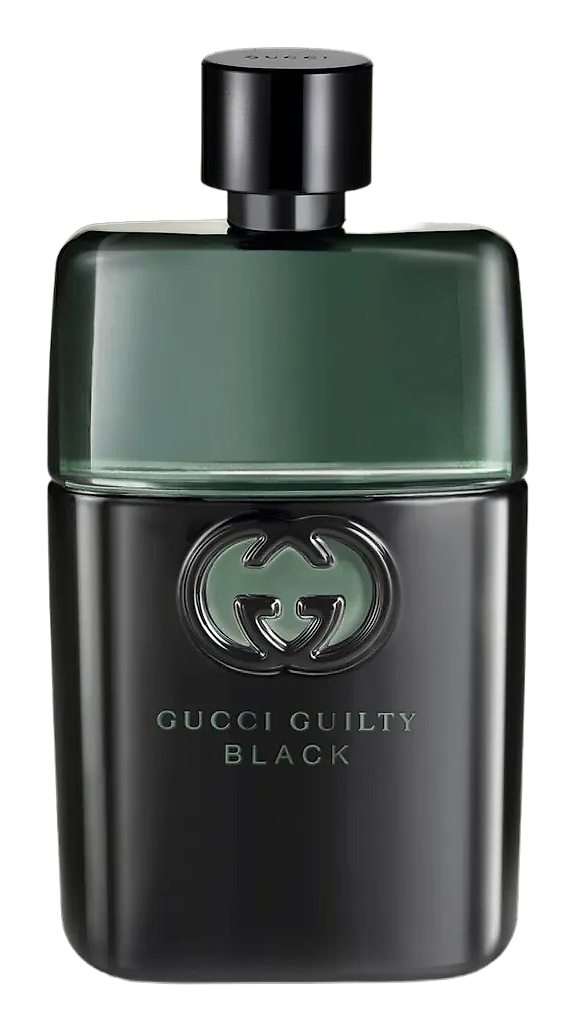
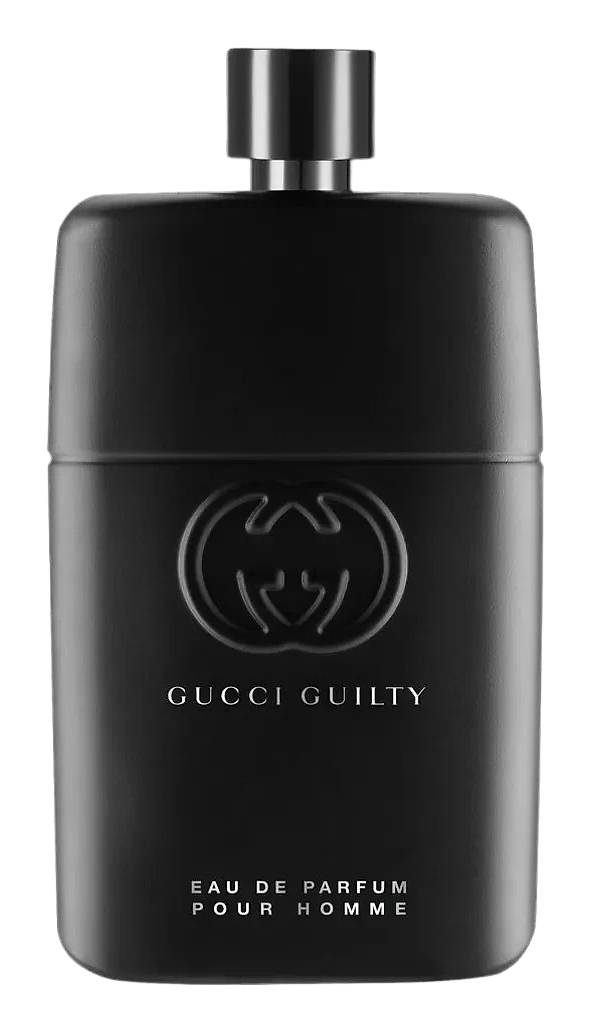
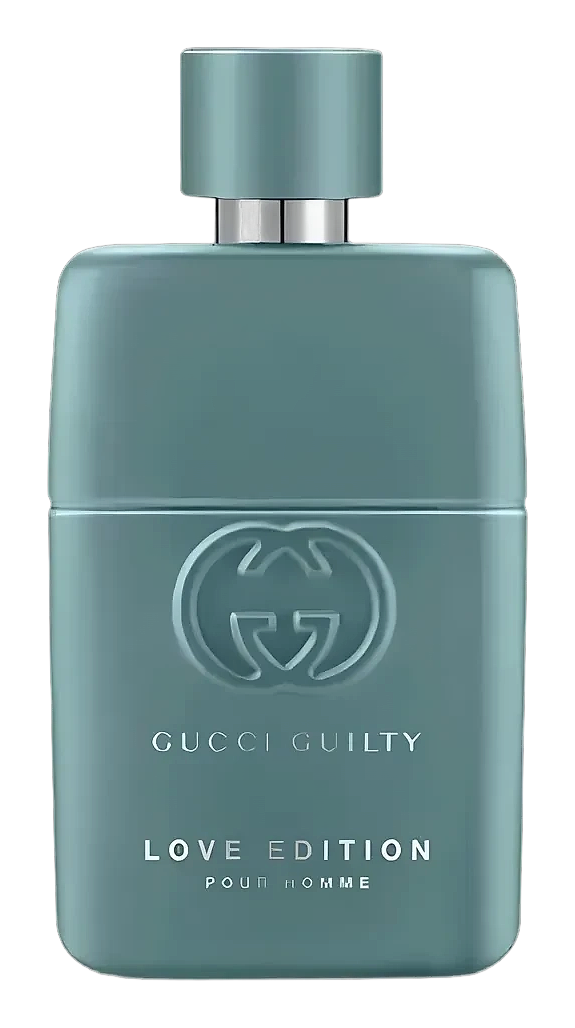
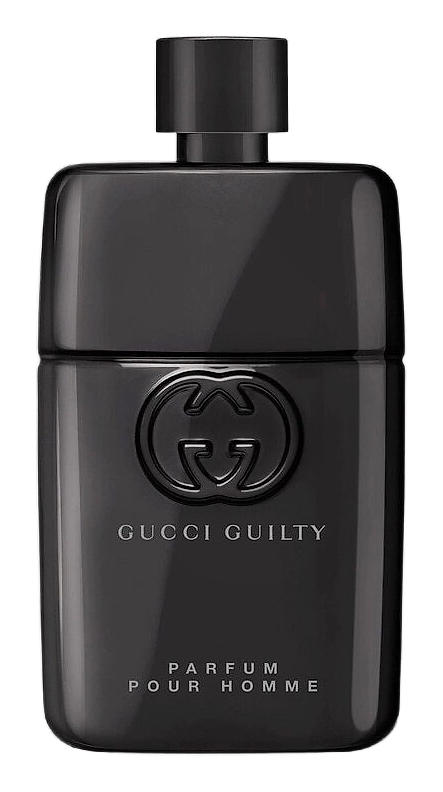
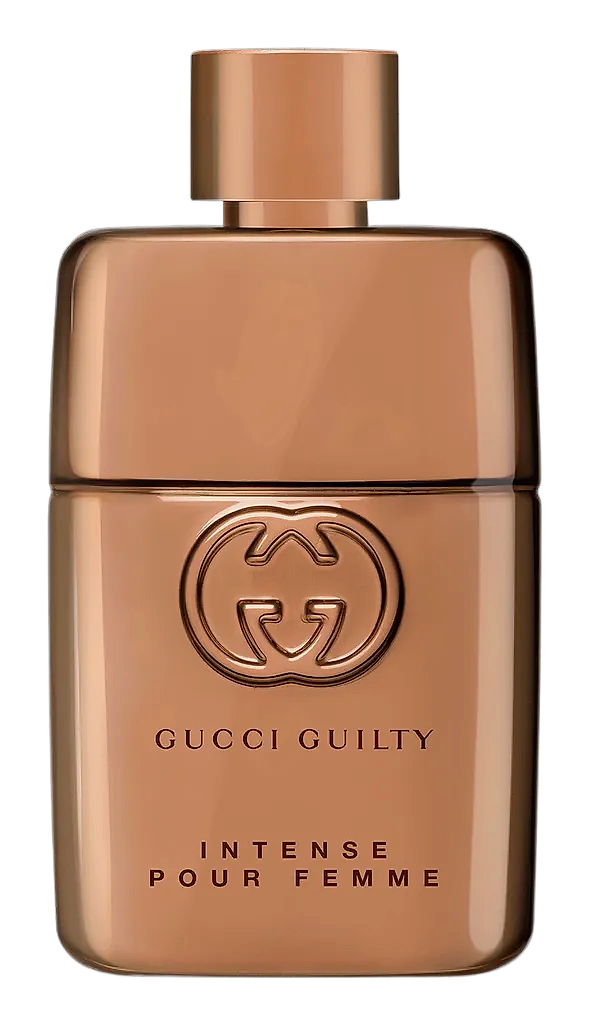
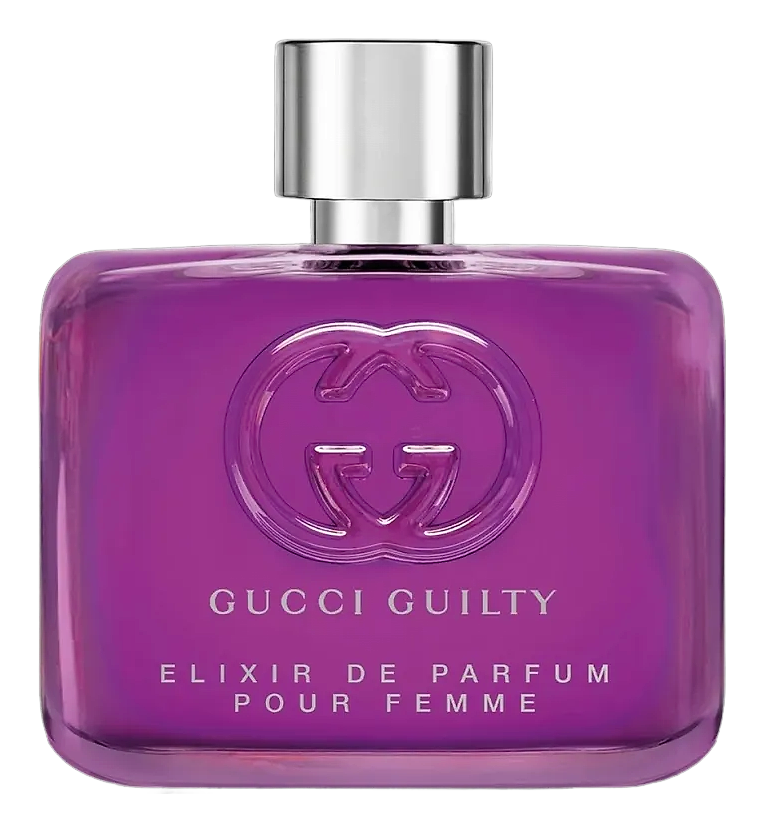
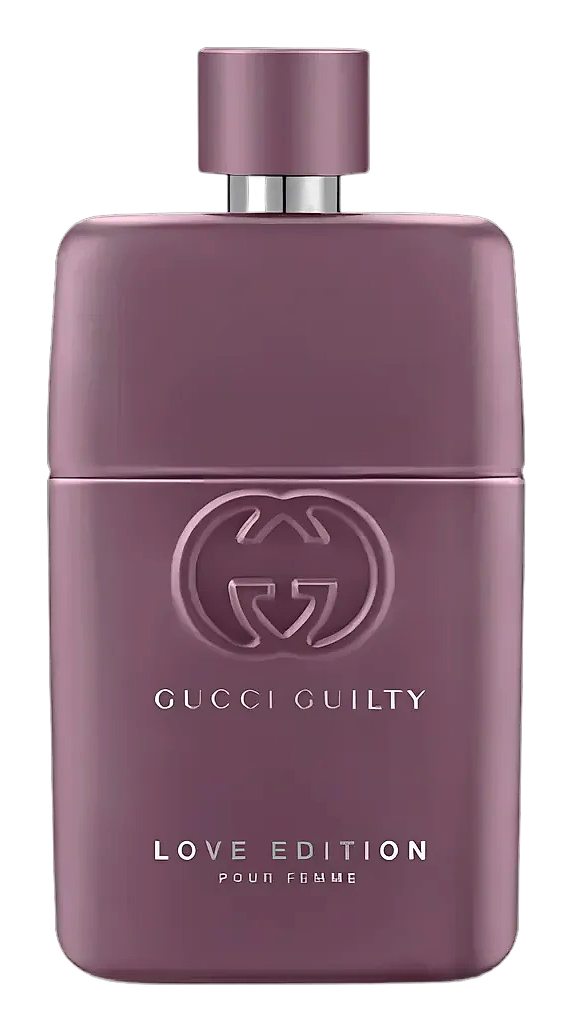
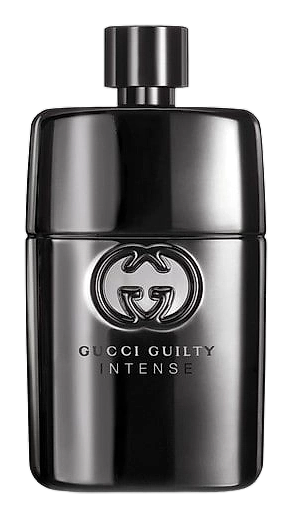
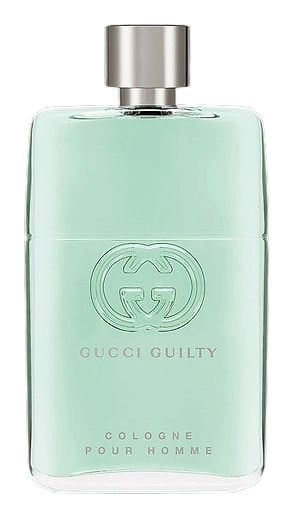
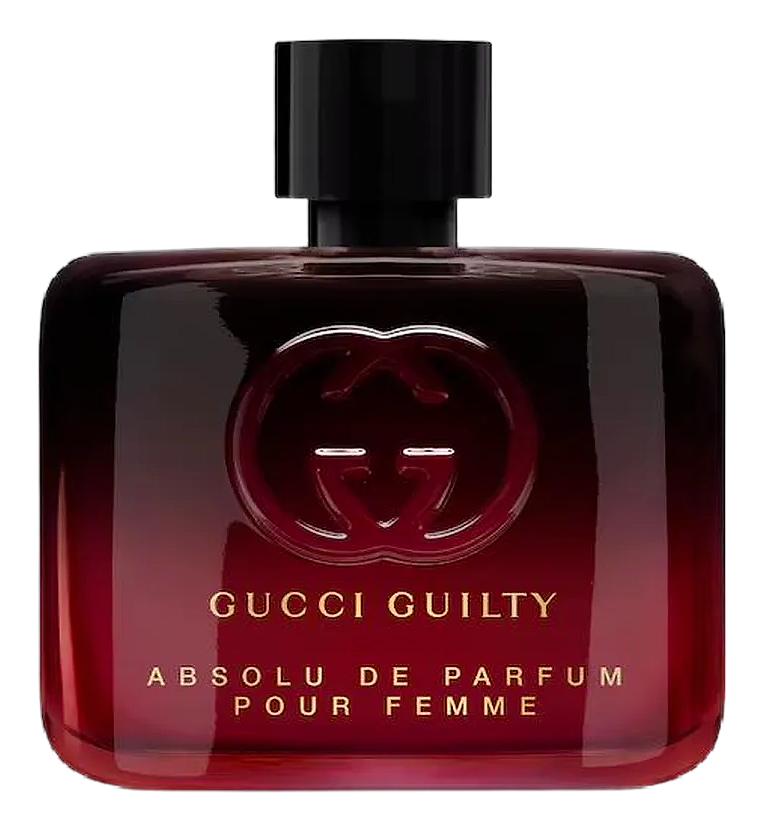
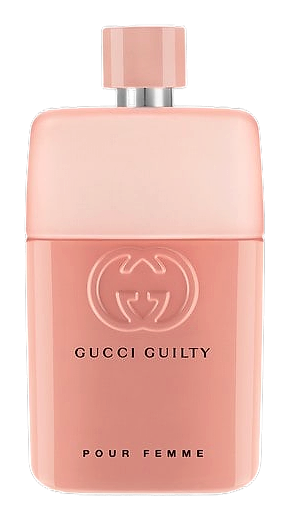
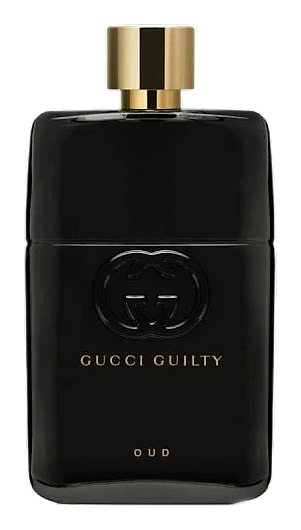
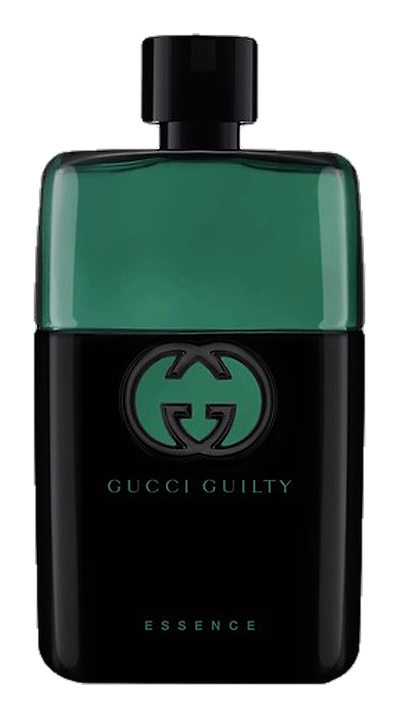
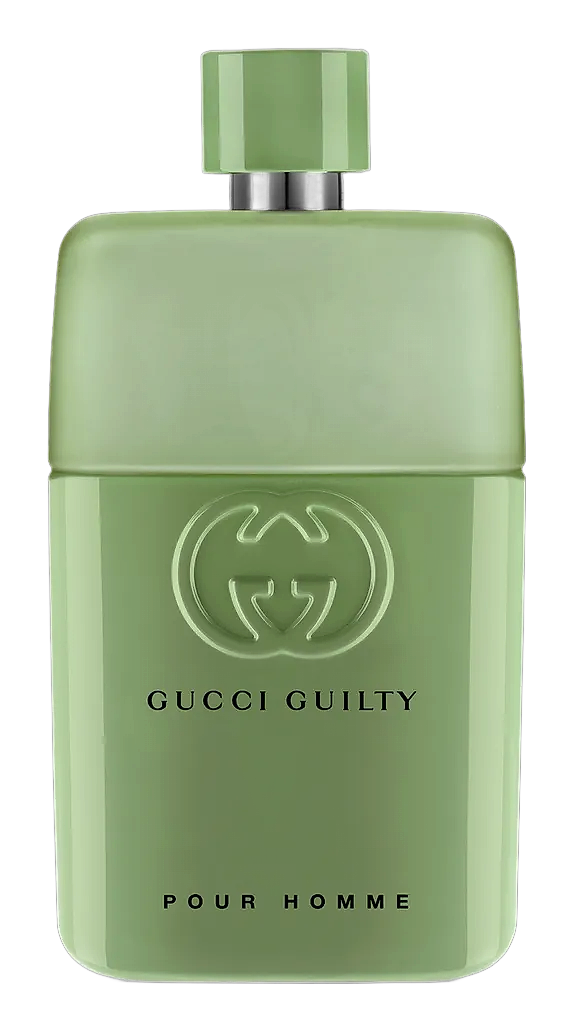
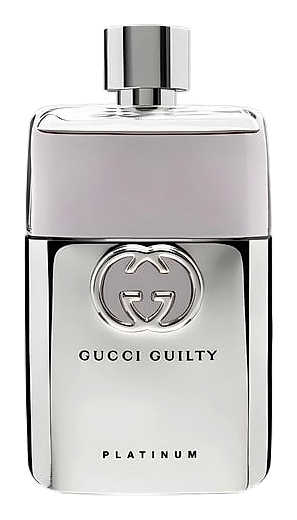
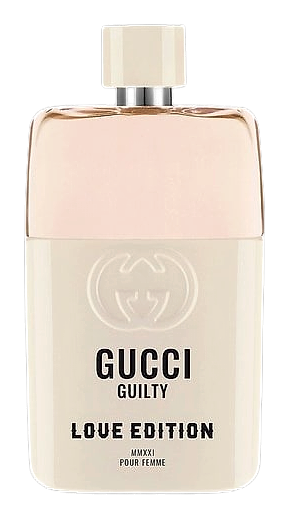
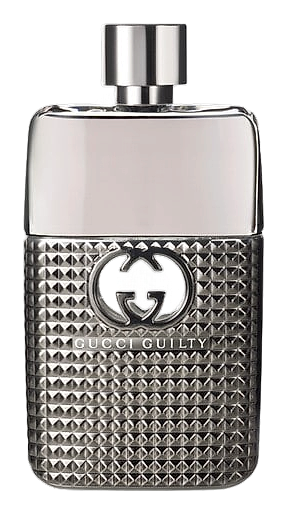
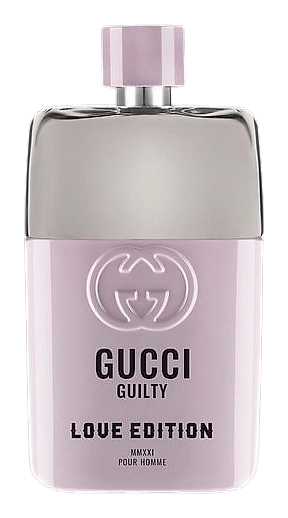
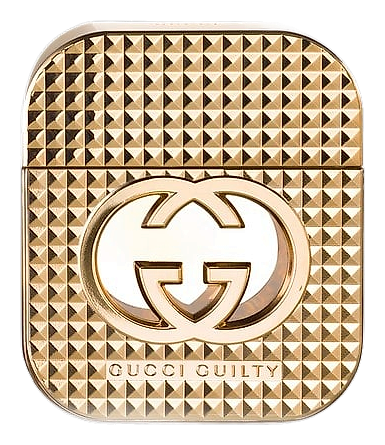
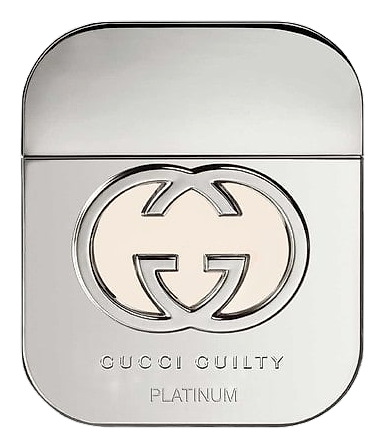
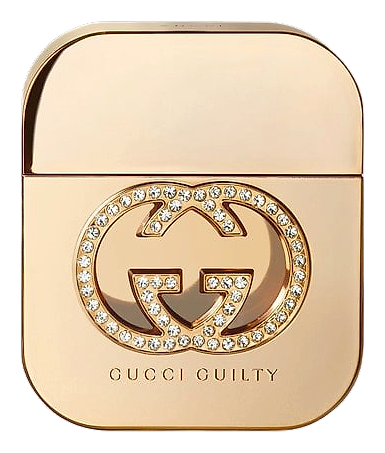
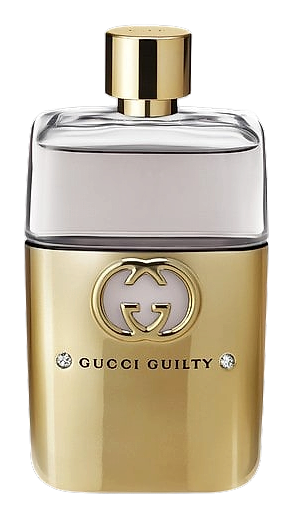
Gucci's story began not in a fashion atelier, but at The Savoy hotel in London. There, a young Guccio Gucci worked as a porter in 1897, observing the luggage and travel accessories of the jet set. He returned to Florence in 1902 with a singular vision: that luggage would one day bear his name. In 1921, he opened his first boutique on Via della Vigna Nuova, combining Tuscan materials with an English aesthetic informed by his years abroad. The House pioneered distinctive codes throughout the mid-20th century, introducing canvas for durability in the late 1930s and creating the iconic Diamante diamond pattern that preceded the GG monogram. By the 1950s, Gucci had expanded globally with New York and Paris outposts. The House entered perfumery in 1974 with Gucci Number One, establishing a new dimension of the brand. A tumultuous period in the 1990s saw creative restructuring, with Dawn Mello restoring order before Tom Ford's provocative redesign. Today, under creative leadership, Gucci continues to define contemporary luxury while honoring its Florentine roots. Gucci approaches fragrance as an extension of its fashion philosophy: unapologetic, fashion-forward, and rooted in sensory luxury. Where other houses trade in nostalgia, Gucci perfumes speak to the present moment. The House collaborates with master perfumers who interpret its creative direction into scents that capture specific moods and attitudes. Gucci Guilty embraces bold seduction; Gucci Bloom celebrates feminine vitality. This willingness to evolve while maintaining an identifiably Gucci character defines the House's approach. The fragrances do not merely smell luxurious—they project confidence, provocation, and modern glamour. Each release responds to cultural currents while refusing to dilute the House's distinctive voice.