The Story
Why it exists.
The beginning
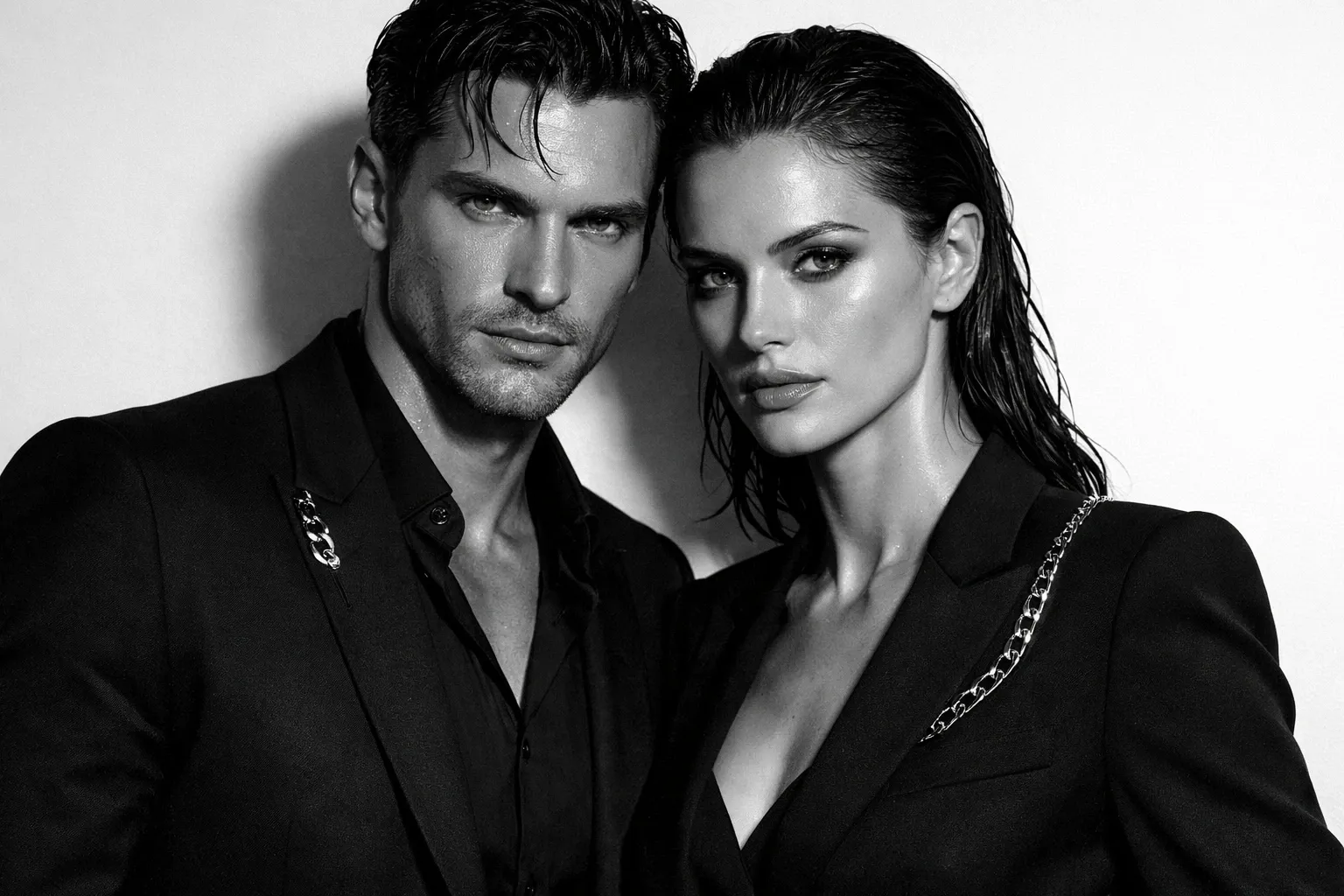
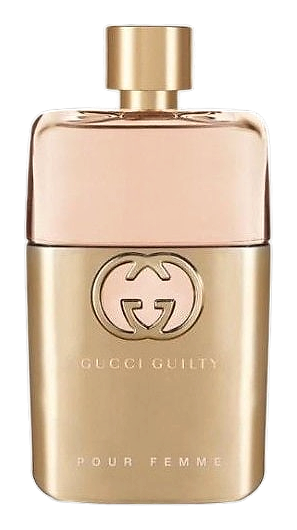
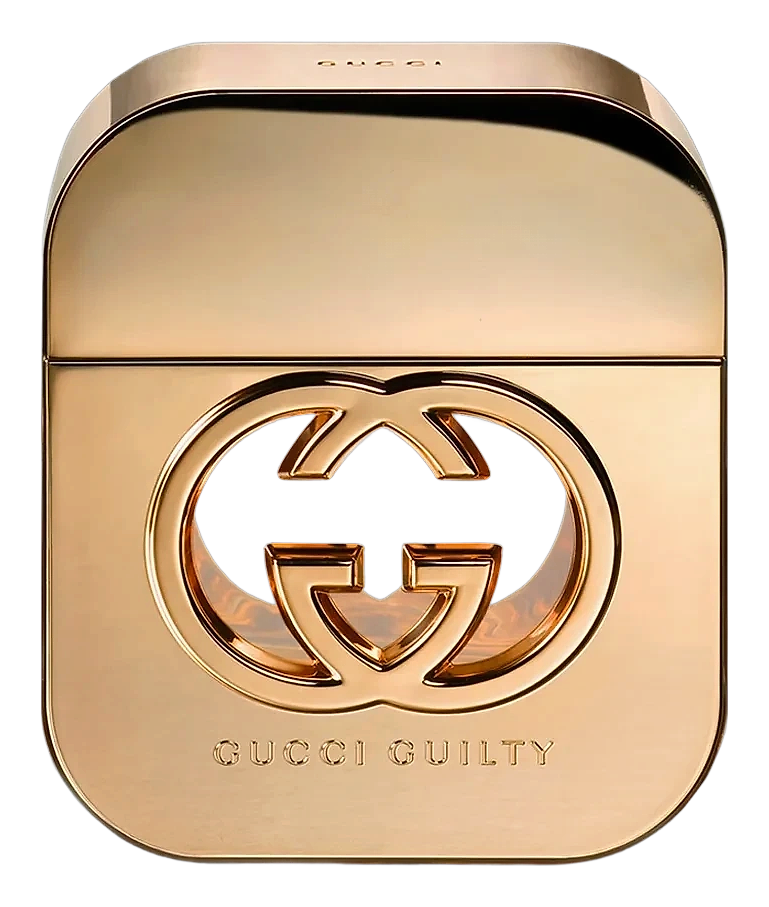
Gucci Guilty emerged in 2010 as part of the House's bold seduction narrative. Perfumer Aurélien Guichard built it around a tension, bright citrus and pink pepper opening into a soft, fruity heart of lilac, geranium, peach, and raspberry. The contrast mirrors Gucci's fashion philosophy: unapologetic, provocative, taking up space. The campaign starring Lana Del Rey reinforced this attitude, a woman who owns her narrative without asking permission.
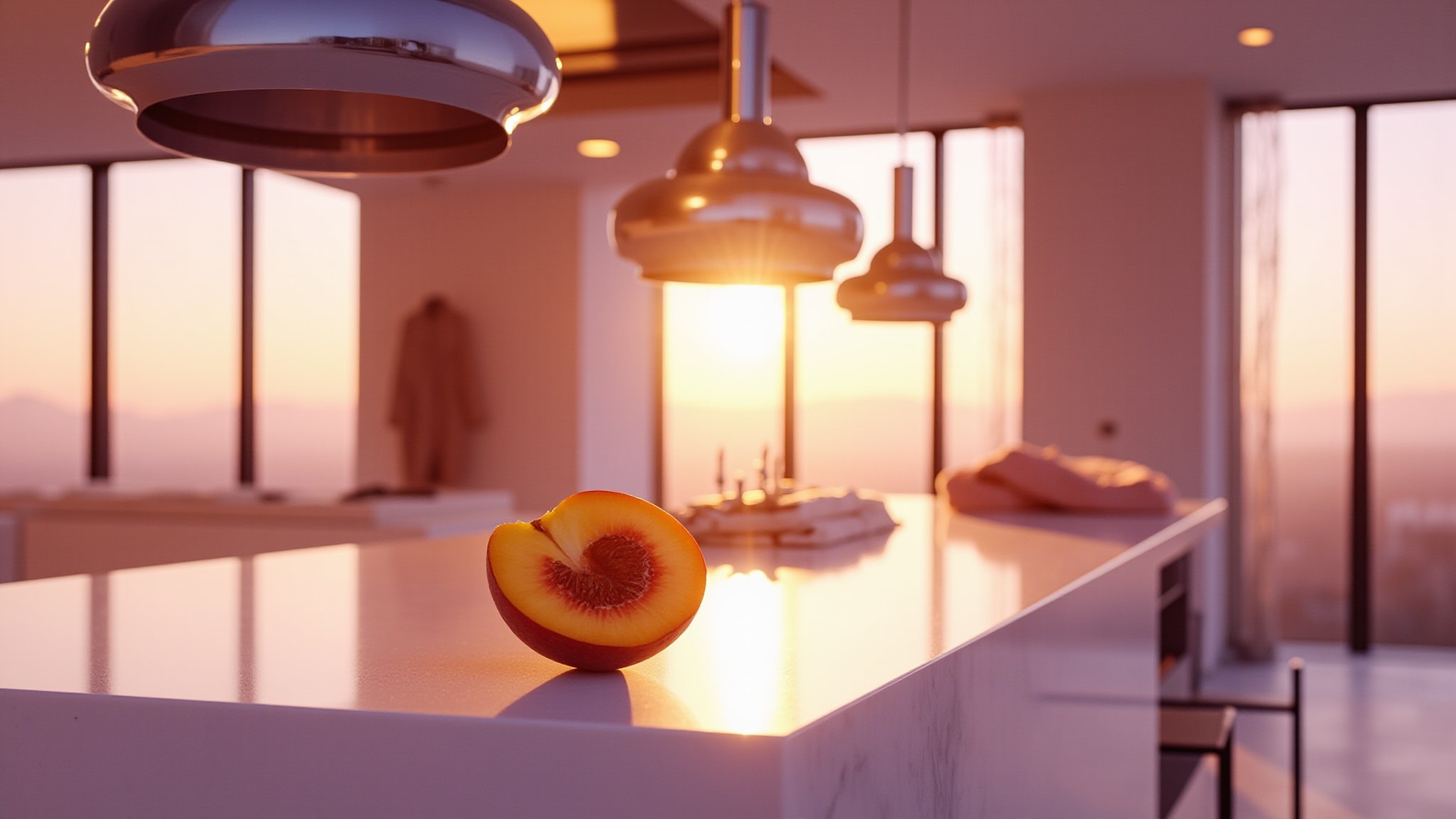
What makes Guilty interesting is the hand-off between opening and heart. The mandarin-pink pepper start is crisp, almost spicy, it grabs attention. Then the florals arrive, but they're not shy. Lilac and geranium bring a powdery sweetness that fills the space the citrus left behind. Peach and raspberry amplify the fruitiness. It's a composition that refuses to stay in one place.
The evolution
On skin, Gucci Guilty opens with mandarin and pink pepper, bright, almost startling. Within minutes, the florals take over: lilac and geranium softening the citrus edge. The peach and raspberry emerge next, adding a juicy sweetness that becomes the fragrance's main voice. This heart lasts the longest, 3-4 hours of powdery fruitiness. The base arrives quietly: amber warming the drydown, patchouli adding an earthy depth that keeps things grounded. The final hours are intimate, close, a whisper rather than a statement.
Cultural impact
Gucci Guilty arrived in 2010 as part of the House's bold seduction narrative. The campaign starring Lana Del Rey reinforced this attitude, a woman who owns her narrative without asking permission. The fragrance became popular among women who want to make a statement without saying a word. It's a scent that owns the room.