The Story
Why it exists.
The beginning
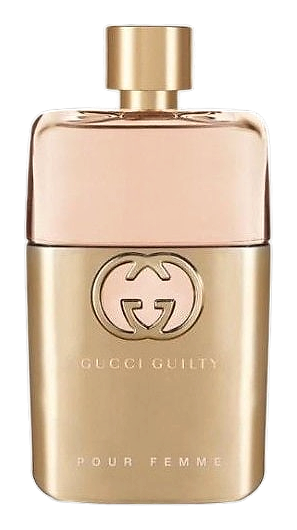
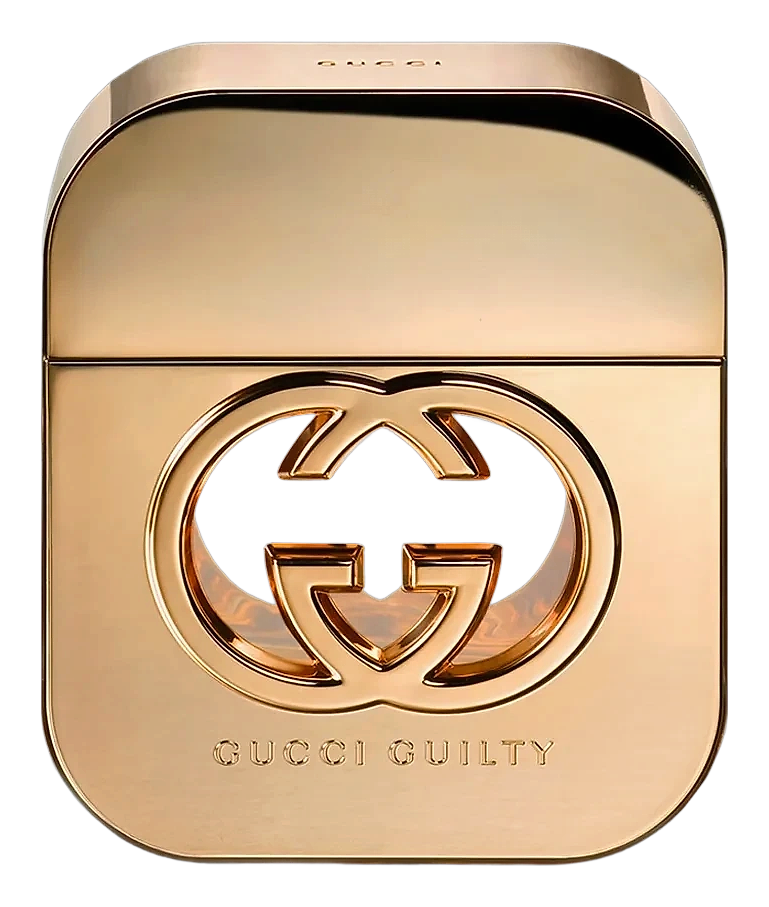
Gucci Guilty Absolute arrived in 2017 as a direct collaboration between creative director Alessandro Michele and master perfumer Alberto Morillas. Michele, known for his maximalist approach to fashion, brought a vision of scent as statement rather than backdrop. Morillas, responsible for some of the most recognizable fragrances in modern perfumery, accepted the challenge of building around a linear structure. The guiding principle was intensity sustained over time. No transition, no reveal, just a single idea pressed firmly into the wearer's skin and held there. The choice of leather as the opening and persistent note reflects that ambition. Leather is not subtle. It commands space. By structuring the heart around cypress and patchouli, Morillas ensured that the central character would only deepen as wear continued, creating something that feels less like a fragrance and more like a presence.
The philosophy behind Gucci Guilty Absolute rests on a deliberate rejection of perfumery convention. Most fragrances are structured around change, a top note giving way to a heart, a heart yielding to a base. This composition inverts that logic entirely. By choosing leather as the dominant and persistent note, the creators ensured that the fragrance would not transform but rather intensify. Cypress and patchouli were selected for the heart not to contrast with the opening but to reinforce it, adding layers of green and earthy depth that amplify the woodland character. Vetiver in the drydown completes the logic, extending the leather into a smoky, rooted phase. The result is a fragrance that rewards commitment.
The evolution
The arc of Gucci Guilty Absolute reads less like a narrative and more like a sustained declaration. In the opening minutes, leather asserts itself immediately and without qualification. There is no brightness to soften the blow, no transitional sweetness to ease the wearer in. Within the first fifteen minutes, cypress and patchouli emerge to deepen the composition. Cypress brings a coniferous, almost resinous quality that transforms the leather into something that feels rooted, as if the scent grew from a forest floor rather than a perfumer's bottle. Patchouli amplifies this earthiness with its characteristic dark, slightly bitter richness. The drydown, driven by woody notes and vetiver, extends the leather into a smoky, grounded phase that lingers for hours. Vetiver contributes its characteristic earthiness, grounding what could have become an abstract note into something tactile and present.
Cultural impact
Gucci has shaped luxury fashion since 1921, entering fragrance in 1974. Multiple Gucci fragrances have been crafted with Alberto Morillas, including this one. The collaboration between the House and Morillas reflects how fashion expertise translates into scent. Morillas brings decades of perfumery knowledge to the partnership, creating fragrances that complement Gucci's design legacy.