The Story
Why it exists.
The beginning
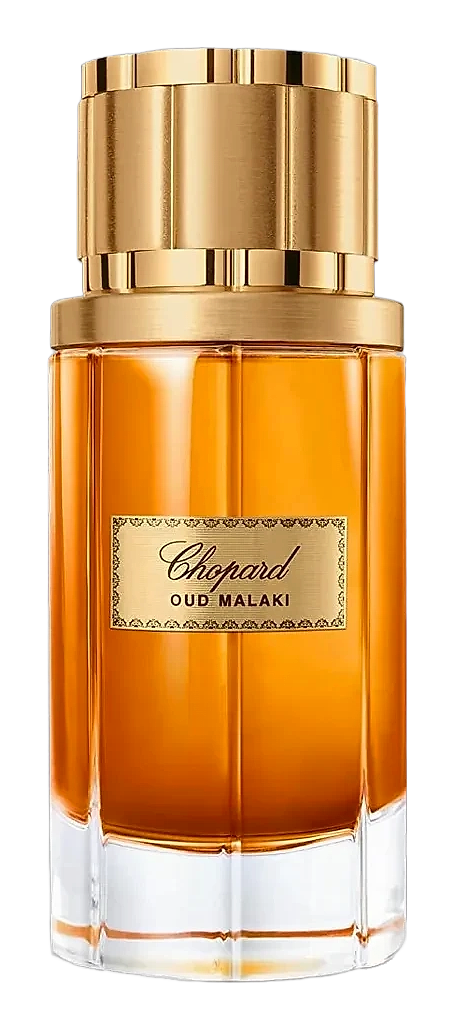
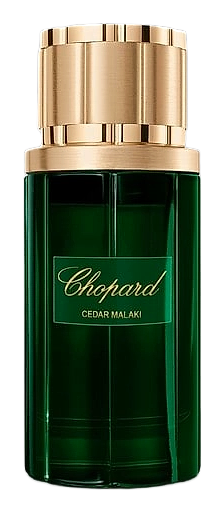
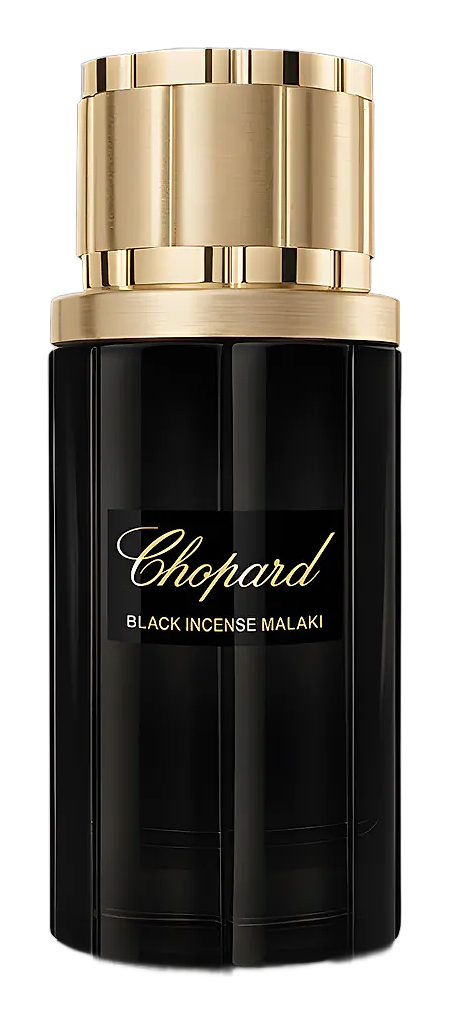
Alberto Morillas returned to the Malaki line in 2020 with a clear intention: go darker. The earlier entries, Oud Malaki, Cedar Malaki, had explored Arabian woods with Swiss precision. Black Incense Malaki takes that premise and strips away the light. The name alone tells you where this lives: not the fresh morning market, but the hour when the crowds thin and the resins have been burning long enough to blacken the ceiling. Morillas reached for Somalian frankincense, the kind with density and a faintly medicinal edge, and paired it with black oud and leather. The Malaki collection had always been about bridging geographies, Arabian material, European craft. This chapter leans harder into the source material than any before it.
What makes this composition interesting is its refusal to resolve cleanly. Frankincense and oud are both resinous materials, but they don't behave the same way, one burns bright and medicinal, the other smolders slow and animalic. Leather bridges the two, providing a textured middle ground that holds everything together. The spices, present in the opening and the heart, keep the whole thing from becoming a single-note incense stick. Morillas used them as punctuation, not structure. The result is a fragrance that feels coherent without ever quite settling. Every phase has its own character, but the thread of smoke runs through all of them.
The evolution
The first minutes announce themselves with sharp, almost aggressive presence. Somalian frankincense arrives dense and resinous, carrying that faint medicinal edge that separates real incense from air freshener. The black pepper and spices cut through the smoke, brief brightness before the oud arrives to deepen everything. Within twenty minutes the leather emerges, not soft or worn but polished and dark, like the inside of a church that's been burning for hours. This is the fragrance's longest phase. It doesn't so much evolve as persist, the smoke and leather and oud circling each other in a linear progression that resists clean separation. Around the fourth hour, something shifts. The smoke recedes without disappearing. The leather warms against skin rather than filling the room. The oud settles into something quieter, more intimate, the resinous warmth of embers after the fire's been pulled. On fabric, this fragrance outlasts almost anything. A shirt worn to sleep will still carry it in the morning.
Cultural impact
Black Incense Malaki occupies a specific corner of the market, dark enough for resin enthusiasts, structured enough for collectors who appreciate Morillas' technical precision. It draws comparisons to Oud Malaki and Cedar Malaki within the line, but stands apart for its unapologetic intensity. Wearers describe it as the kind of fragrance that announces presence without requiring volume, the smoky, leathery character reads as formal and intentional rather than loud or aggressive. The Somalian frankincense is the distinguishing material: denser and more medicinal than its Arabian counterparts, it gives this fragrance a character that separates it from the broader smoky-oud category.