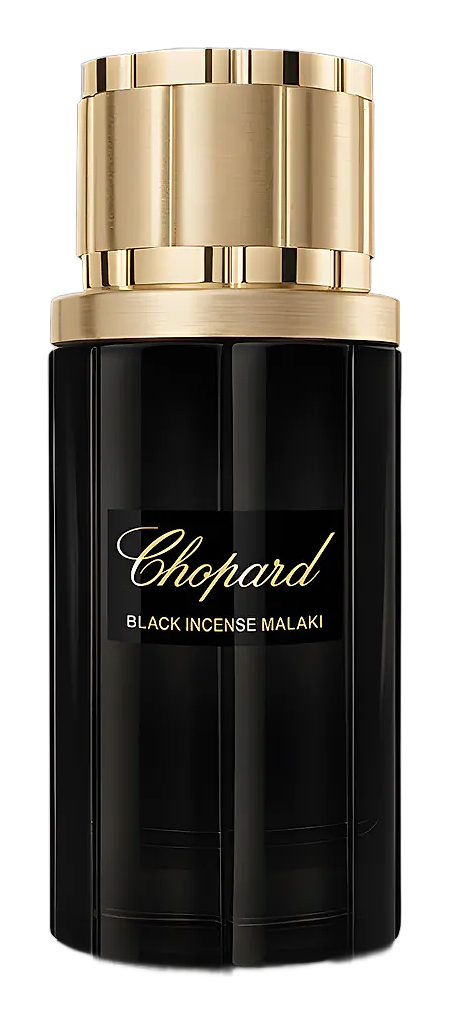
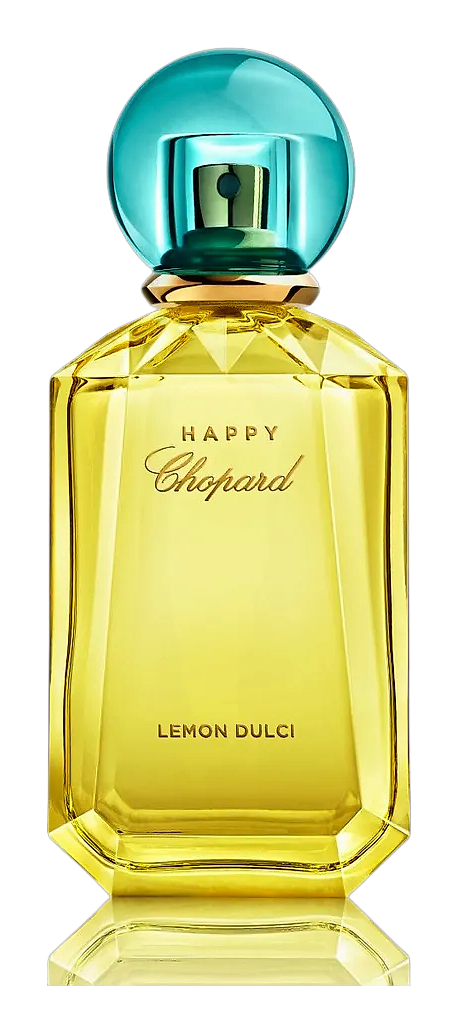
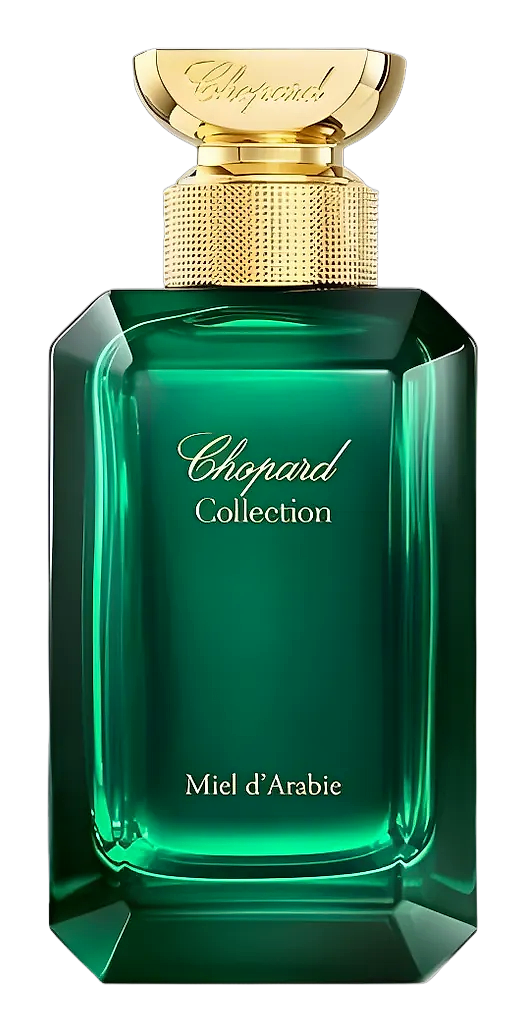
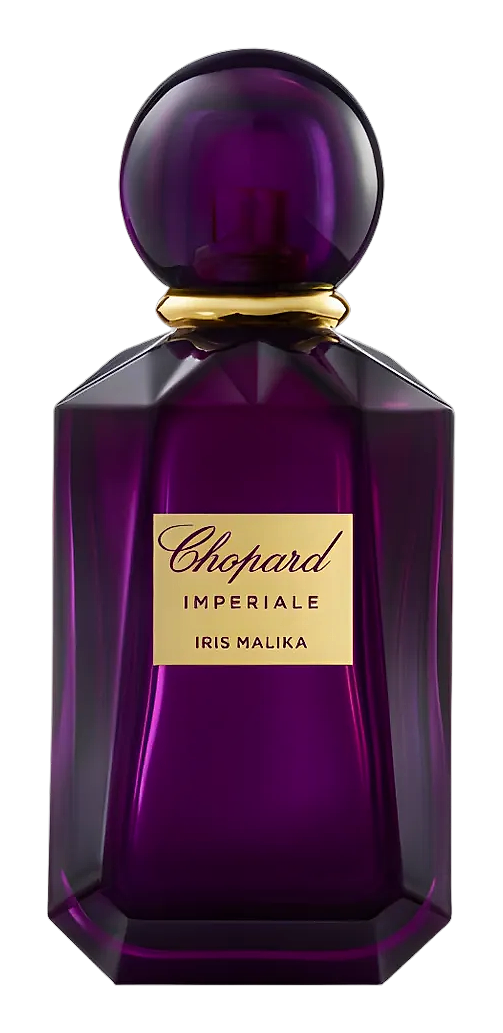



The Heritage
The Story of Chopard
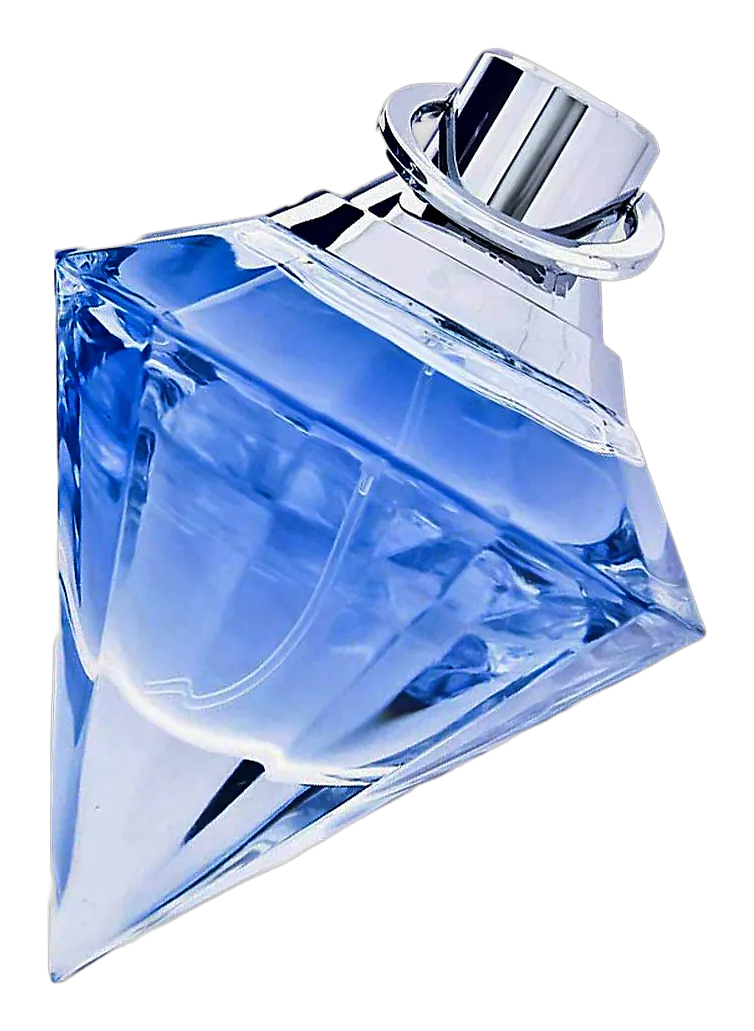
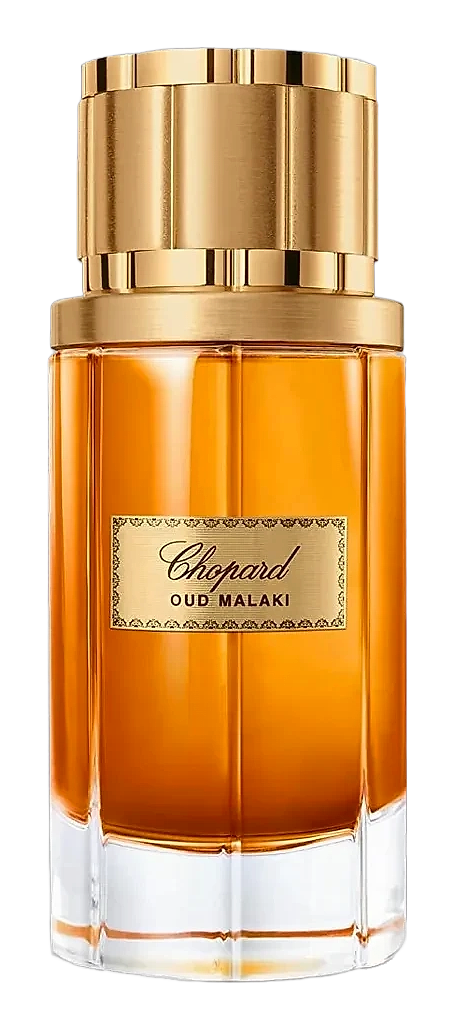
Chopard is a Swiss house that creates watches, jewellery and fragrance. The brand blends the precision of horology with the sensibility of scent. Its perfume line offers a range that includes the 1994 Heaven, the 2012 Oud Malaki and the 2022 Patchouli de Sumatra. Each fragrance carries a trace of the house’s heritage while speaking to contemporary tastes. The collection is sold through Chopard boutiques and selected retailers worldwide, inviting collectors to explore a scent world that mirrors the brand’s broader design ethos.
Heritage
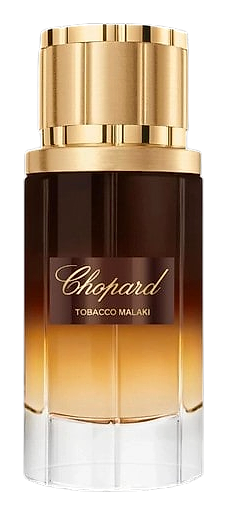
Louis‑Ulysse Chopard opened a small workshop in Sonvillier, France, in 1860. He crafted pocket watches for local clients and quickly earned a reputation for mechanical reliability. In the early 1900s the family moved operations to Geneva, where the Swiss watchmaking tradition deepened the brand’s technical expertise. The Scheufele brothers, Karl and his son Caroline, acquired a controlling share in 1963 and guided Chopard into jewellery and high‑end accessories. By the late 1980s the house launched its first fragrance, Happy Diamonds, a bright floral that appeared in 1986 and marked the brand’s entry into perfumery. The 1990s saw the release of Heaven (1994) and Casmir (1991, created by perfumer Michel Almairac), both of which reinforced the house’s scent portfolio. In 2000 the brand introduced Casran, a woody composition that reflected a growing interest in exotic notes. The 2010s added Oud Malaki (2012) and Agar Royal (2019), signalling a turn toward richer, orientalist accords. 2022 brought Patchouli de Sumatra, a modern take on a classic ingredient, while the 2026 launch of Tobacco Malaki expanded the line with a smoky, gourmand profile. Throughout its history Chopard has maintained a parallel focus on watchmaking, jewellery design and responsible sourcing, positioning the house as a multi‑disciplinary creator rather than a single‑category label.
Craftsmanship
Every Chopard fragrance begins with a brief that references the house’s visual motifs. The perfumer selects raw materials from certified farms or responsibly managed forests. For Oud Malaki, the oud wood originates from a plantation in Indonesia that follows a traceable supply chain. Patchouli de Sumatra uses patchouli oil harvested from small‑scale growers who practice organic cultivation. Once ingredients arrive in Geneva, they undergo a series of quality checks that measure purity, aroma intensity and stability. The house blends the components in temperature‑controlled labs, allowing each note to integrate without compromising the original character. After blending, the perfume is rested for several weeks, a step that smooths the composition. Bottles are hand‑finished in the same workshop that assembles Chopard watches, ensuring a consistent level of precision. The glass is cut, polished and then adorned with metal accents that echo the brand’s jewellery aesthetic. Each bottle receives a serial number, linking the scent to the house’s tradition of limited‑edition craftsmanship. The final product is inspected for scent fidelity and visual perfection before it leaves the boutique floor.
Design Language
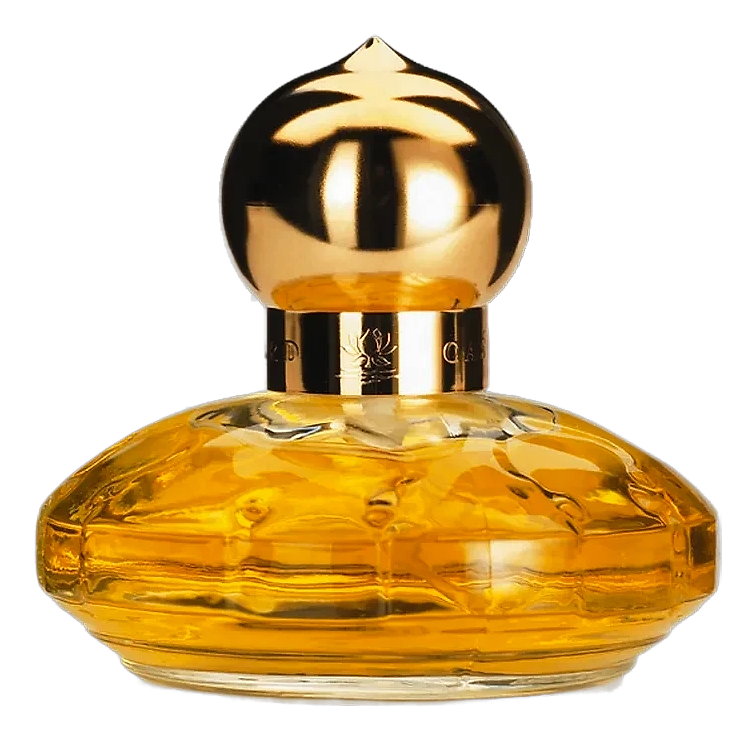
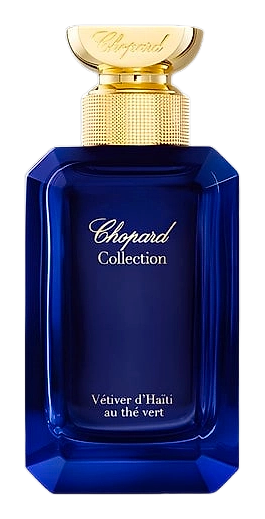
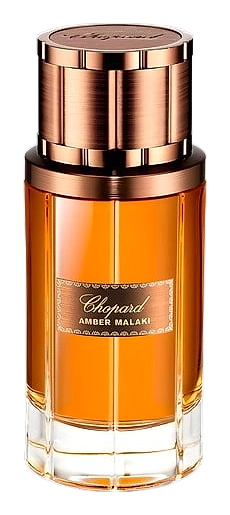
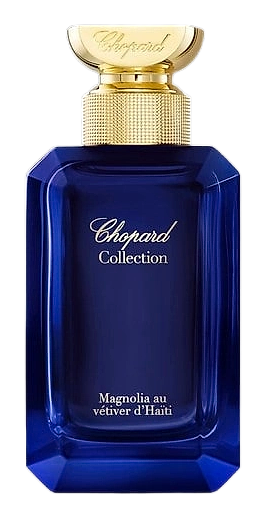
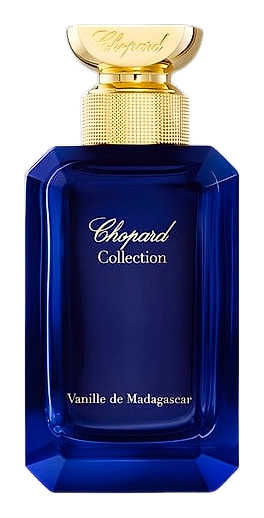
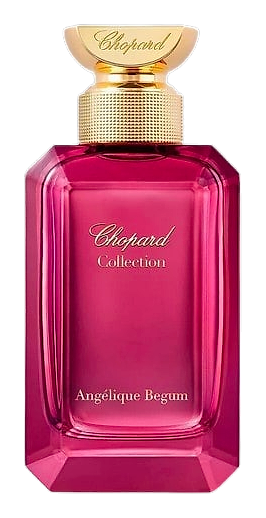
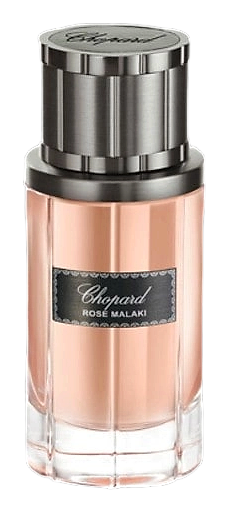
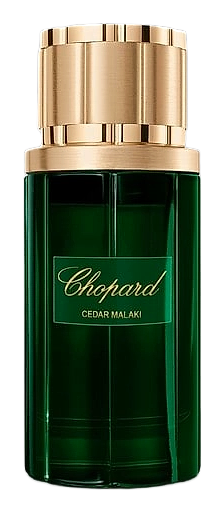
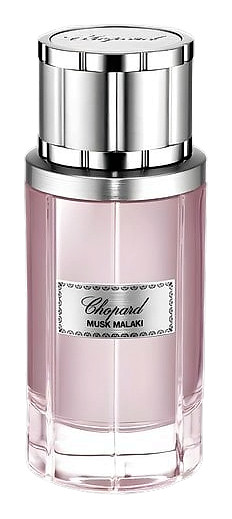
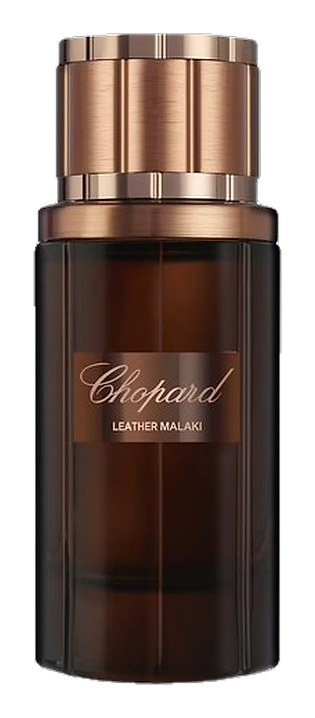
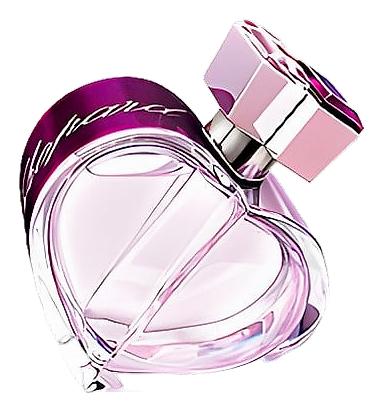
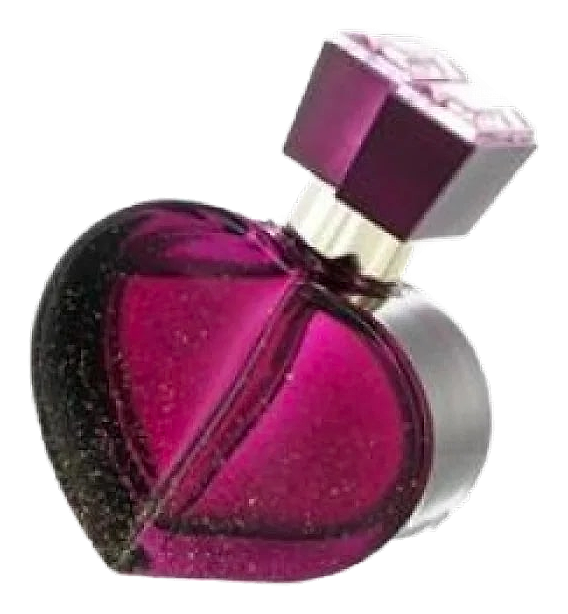
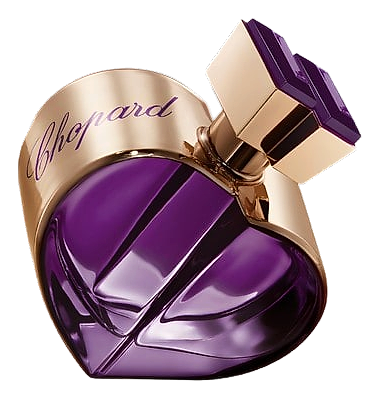
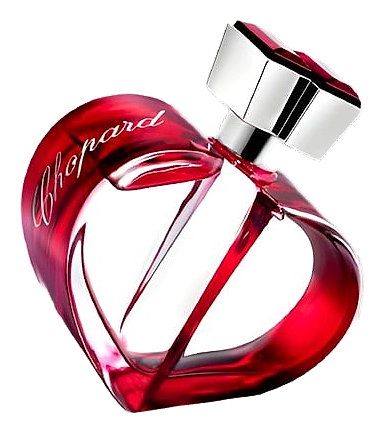
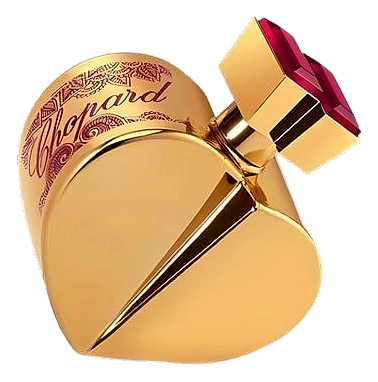
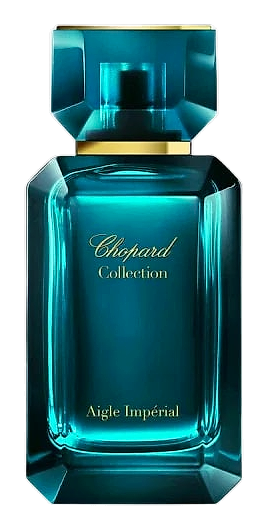
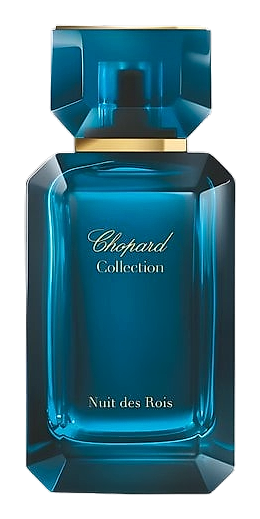
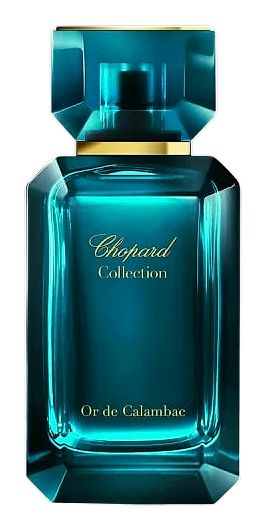
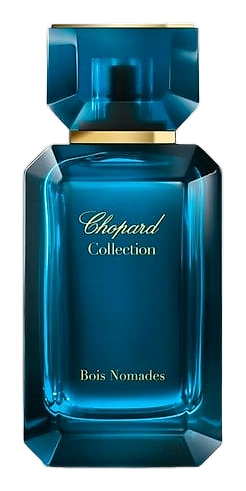
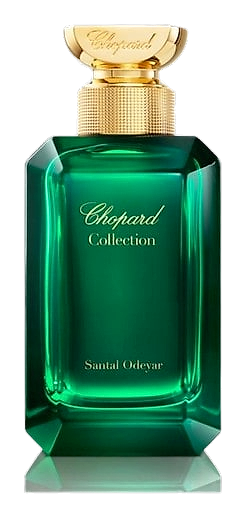
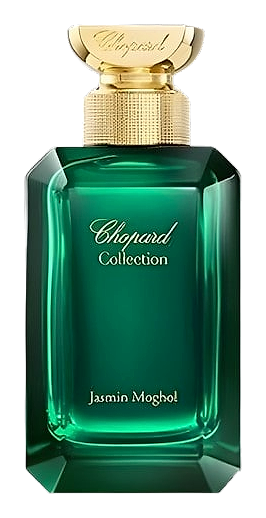
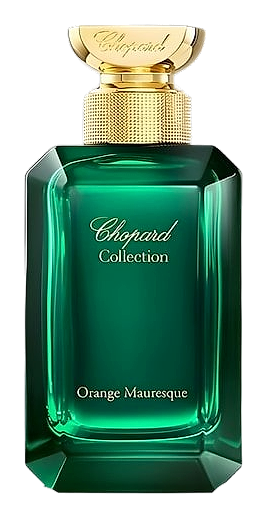
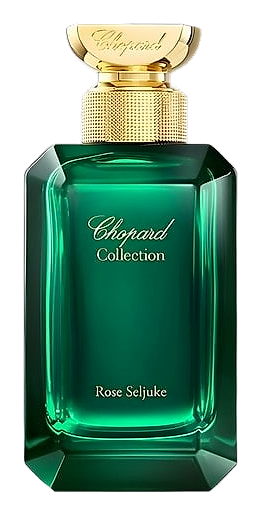
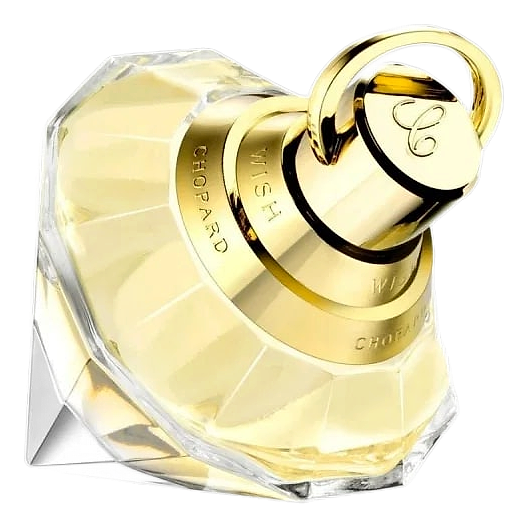
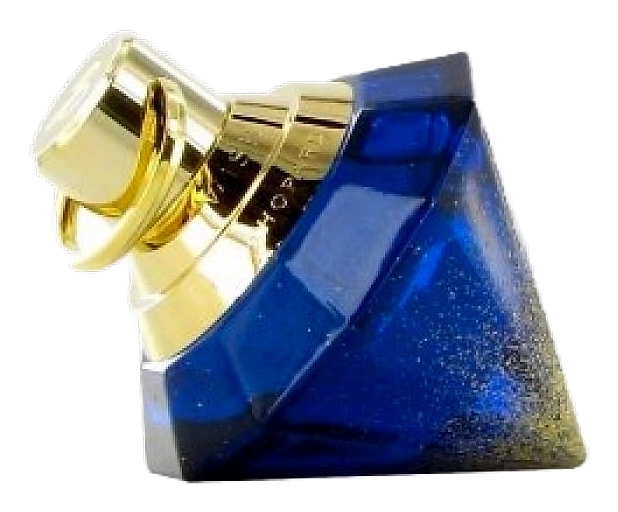
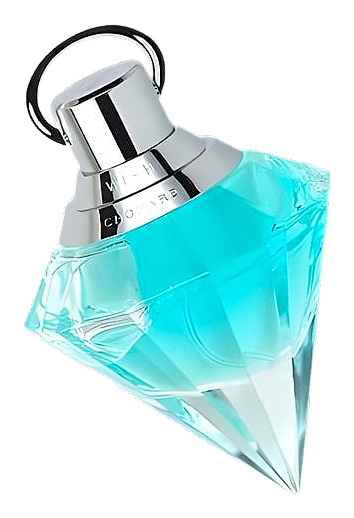
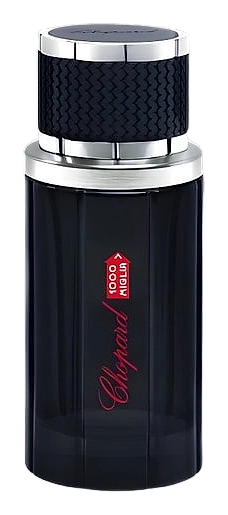
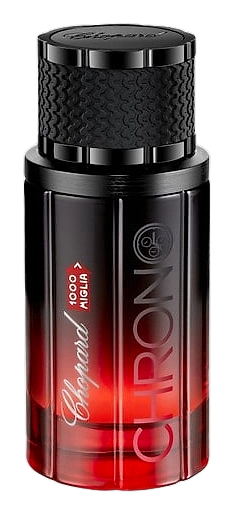
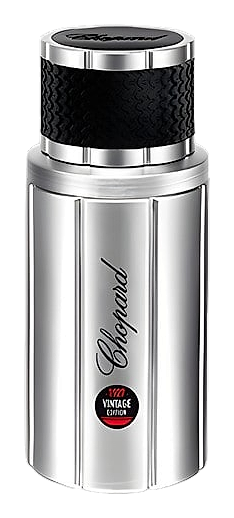
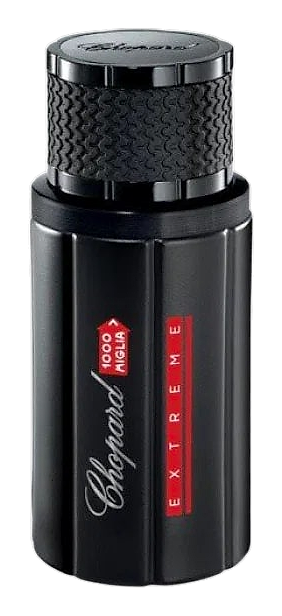
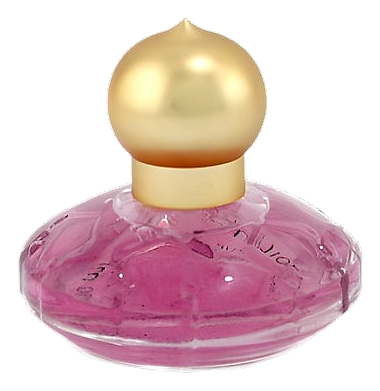
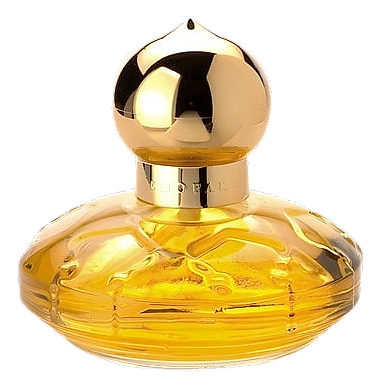
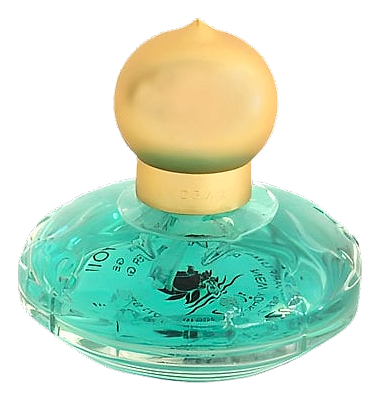
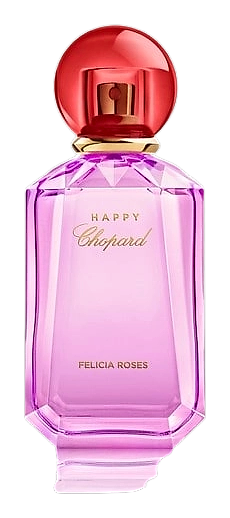
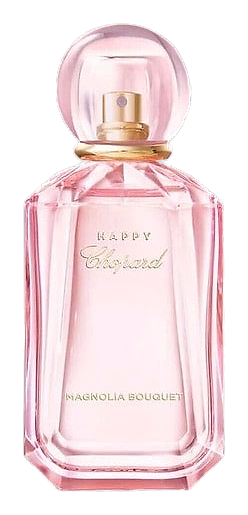
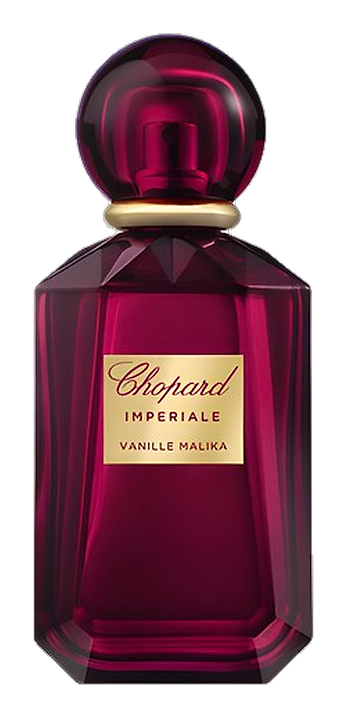
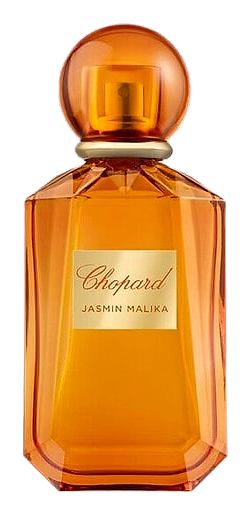
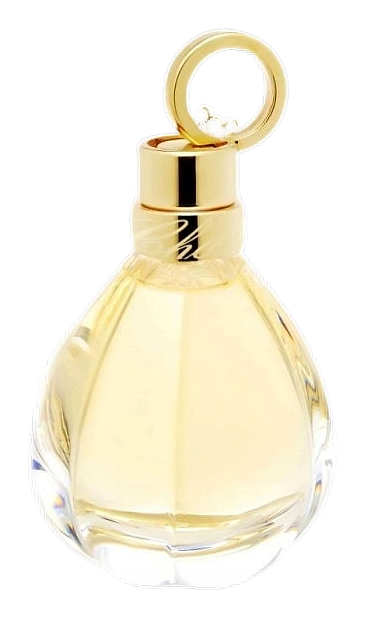
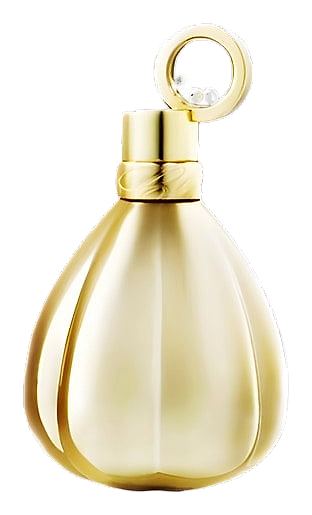
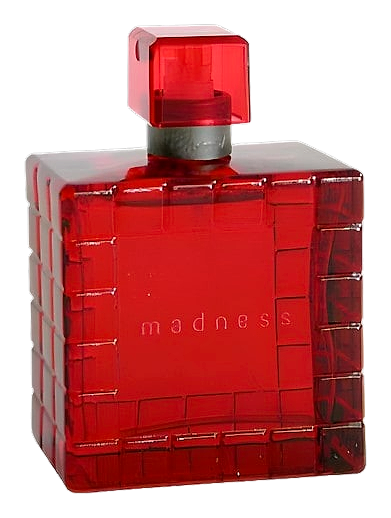
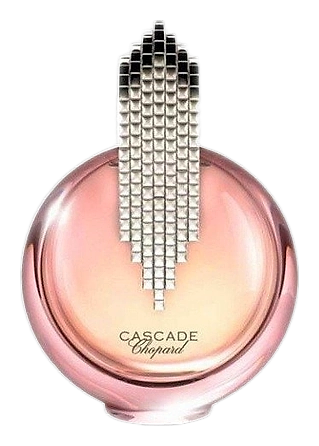
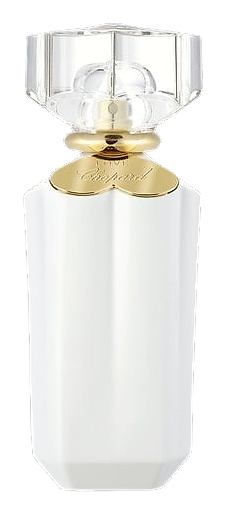
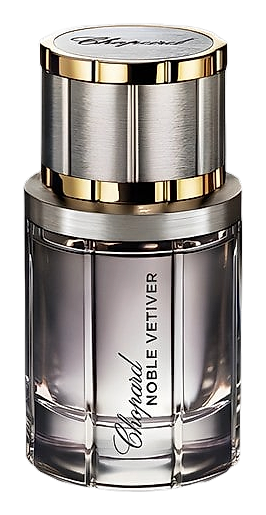
Chopard’s visual identity mirrors the clean lines of its watch cases. Bottles often feature a slender silhouette, a brushed metal collar and a crystal stopper that catches light like a gemstone. The colour palette leans toward muted gold, deep amber and occasional pastel accents that reference the house’s jewellery collections. The 1994 Heaven bottle, for example, displays a soft pink hue and a delicate rose‑shaped cap, echoing the fragrance’s floral heart. Recent releases such as Patchouli de Sumatra adopt a matte black glass with a thin gold band, creating a contrast that feels both modern and timeless. Advertising imagery frequently places the perfume beside Chopard jewellery, reinforcing the idea that scent and adornment belong to the same sensory experience. Store displays use polished wood and mirrored surfaces, allowing the bottles to reflect the surrounding light and draw the eye toward the intricate details of each composition.
Philosophy
Chopard approaches fragrance as an extension of its broader design language. The house values precision, elegance and a respect for natural materials. Creative direction often comes from Caroline Scheufele, who acts as muse and curator for new scents. The brand partners with perfumers who share an interest in rare ingredients and sustainable practices. In recent years Chopard has published an ethical commitment that outlines steps toward responsible sourcing of ambergris, oud and precious metals. The philosophy emphasizes balance between artistic expression and environmental stewardship. Rather than chasing trends, the house seeks to translate the tactile qualities of its jewellery into olfactory experiences, allowing wearers to sense the same refinement that defines a Chopard timepiece.
Key Milestones
1860
Louis‑Ulysse Chopard founds a watchmaking workshop in Sonvillier, France.
1963
Karl and Caroline Scheufele acquire a controlling interest, expanding the brand into jewellery.
1986
Chopard launches its first fragrance, Happy Diamonds, marking entry into perfumery.
1991
Casmir is created by perfumer Michel Almairac, becoming a signature scent for the house.
2012
Oud Malaki debuts, highlighting the brand’s focus on rare oriental ingredients.
2022
Patchouli de Sumatra releases, emphasizing sustainable sourcing of patchouli oil.
At a Glance
Brand profile snapshot
Origin
Switzerland
Founded
1860
Heritage
166
Years active
Collection
3
Fragrances released
Avg Rating
4.3
Community sentiment
Release Rhythm


