



The Heritage
The Story of Parfums d'Elmar
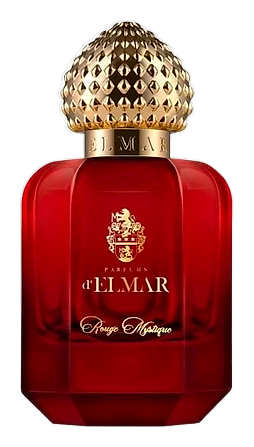
Parfums d'Elmar offers a curated line of niche fragrances that blend classic French technique with a modern sensibility. Founded in 2017, the house releases scents that often highlight oud, amber and floral accords, inviting wearers to explore nuanced stories in each bottle. The brand positions itself as a quiet alternative to louder market players, focusing on depth rather than flash. Its portfolio includes Dark Desire, Sweet Temptation and newer releases such as Mahina and Rouge Mystique, each crafted for moments that demand subtle distinction.
Heritage
Parfums d'Elmar emerged in 2017 when Elmar Métry, a former private banker with a lifelong fascination for scent, decided to turn his personal collection into a public offering. Métry partnered with his wife Angelika, whose encouragement helped shape the early business plan. The couple launched the house from a modest workshop in Switzerland, drawing on Métry's exposure to both European and Middle‑Eastern olfactory traditions. Their first public releases arrived in 2018, featuring Dark Desire, Sweet Temptation and the original Elixir d'Amour. These early scents earned attention in niche perfume forums for their balanced use of oud and sweet gourmand notes. By 2022 the brand expanded its catalogue with Zaya, Momona and Yaringa, signaling a willingness to explore fresh thematic territories while retaining a core focus on quality. In 2024 Mahina and Kaya entered the line, each highlighting a different facet of the house’s evolving palette. The most recent addition, Rouge Mystique, appeared in 2026 and demonstrates the brand’s continued commitment to seasonal storytelling. Throughout its decade‑long journey, Parfums d'Elmar has remained privately owned, allowing the founders to steer creative decisions without external pressure. The house’s modest size has fostered close relationships with ingredient suppliers and small‑batch manufacturers, reinforcing its artisanal identity.
Craftsmanship
Parfums d'Elmar produces its fragrances in small batches, a practice that allows close monitoring of each stage. The house sources natural oud from cultivated trees in Southeast Asia, reportedly working with farms that follow sustainable harvesting protocols. Amber, vanilla and citrus extracts arrive from Mediterranean cooperatives that certify organic practices. Once ingredients reach the laboratory, the team conducts a series of stability tests to confirm longevity and scent integrity. They employ traditional French maceration techniques, allowing raw materials to steep in high‑grade alcohol for several weeks before distillation. This method preserves the nuance of each note, especially the delicate floral and spicy layers found in Zaya and Mahina. After blending, the perfume undergoes a quality audit where independent olfactory panels evaluate balance and projection. Bottling takes place in a Swiss facility that adheres to ISO‑9001 standards, ensuring consistent fill levels and seal integrity. The final product is sealed with a screw‑top cap that the founders selected for its tactile feel and airtight performance. Throughout the process, the brand documents each step, creating a traceable record that supports both quality control and future reformulation if needed.
Design Language
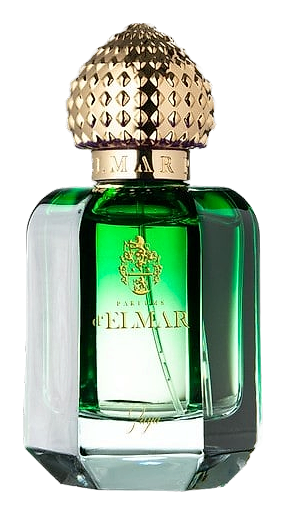
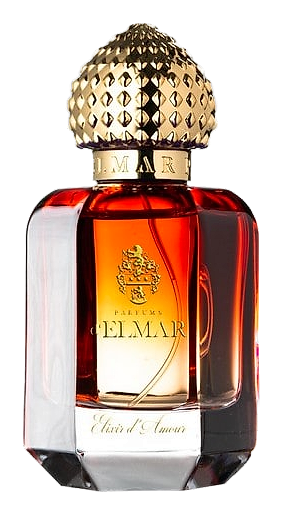
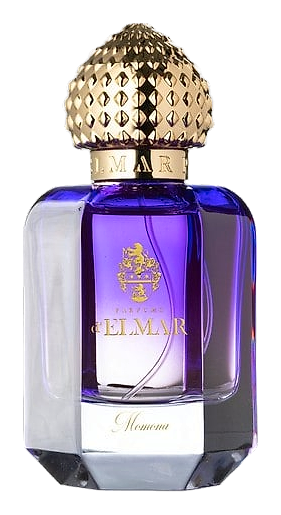
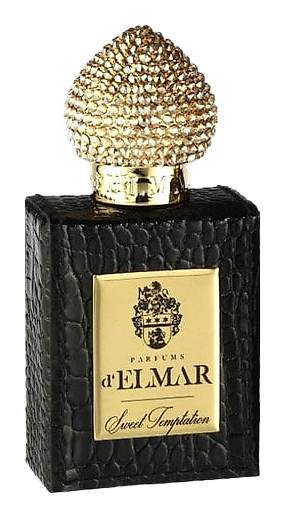
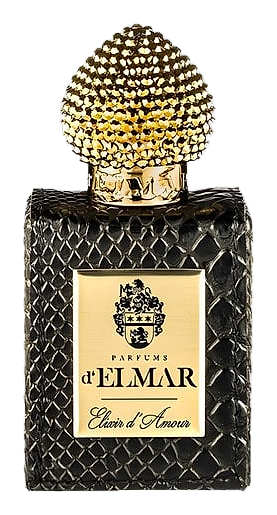
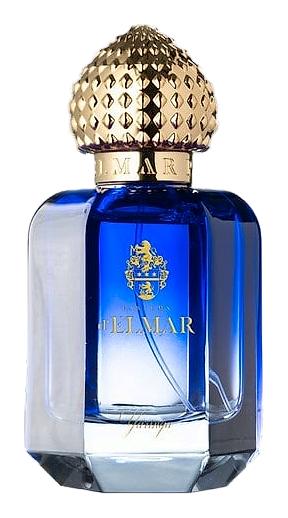
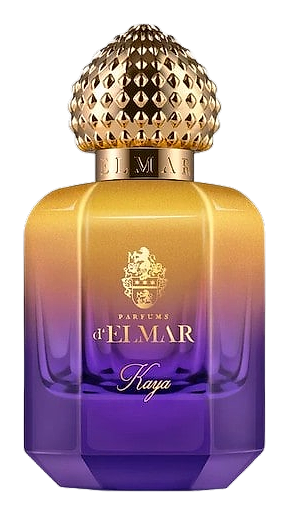
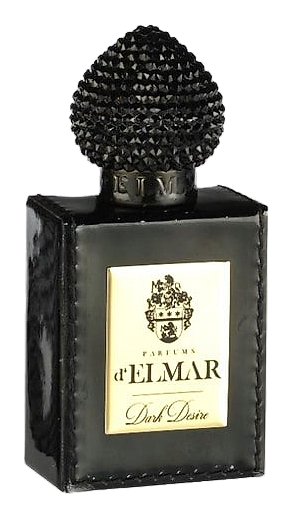
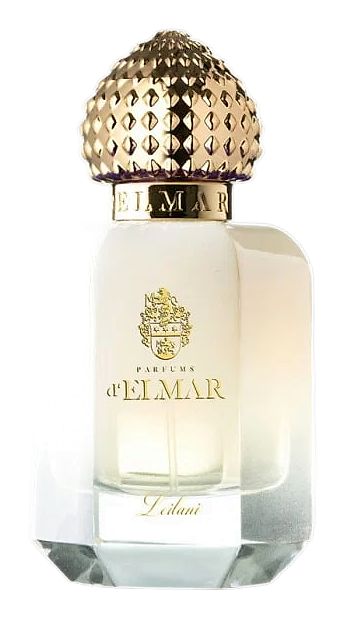
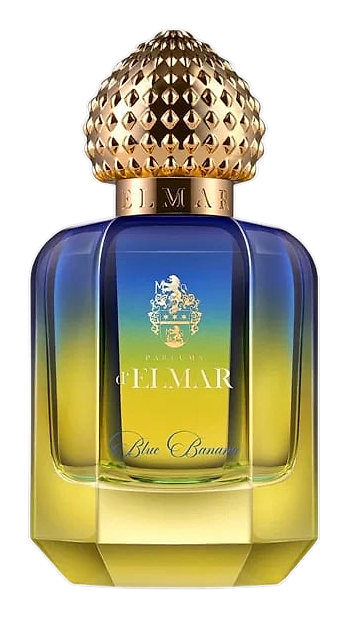
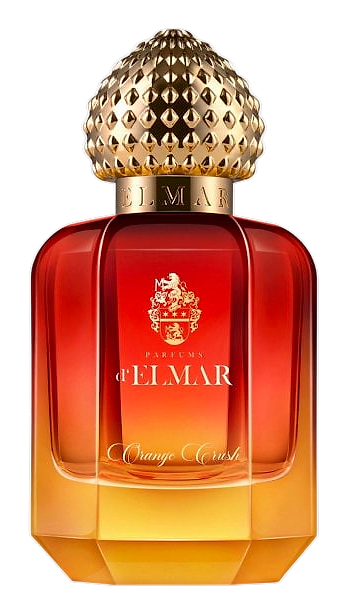
Parfums d'Elmar presents its scents in sleek glass bottles that favor clean lines and understated elegance. The design language avoids excessive ornamentation, opting instead for subtle gold accents on the caps that hint at the perfume’s richness without shouting. Labels feature a minimalist serif typeface, centered on a matte black background, which creates a visual contrast that highlights the brand name. The packaging box mirrors this restraint, using a textured charcoal paper that feels substantial in hand. Photographic campaigns often depict the bottles against muted natural backdrops, reinforcing the house’s connection to raw ingredients. The visual identity aligns with the brand’s philosophy of quiet confidence, allowing the fragrance itself to command attention rather than relying on flashy graphics. This aesthetic consistency has helped the house build a recognisable silhouette across retail shelves and online platforms.
Philosophy
Parfums d'Elmar approaches perfumery as a dialogue between memory and material. The founders state that they aim to translate personal moments into scent, letting each composition act as a portable vignette. They prioritize authenticity over trend chasing, choosing ingredients that evoke a clear emotional response. The brand values transparency, often sharing the inspiration behind a fragrance on its website and social channels. Sustainability informs their sourcing choices; they seek suppliers who practice responsible harvesting, especially for prized oud and ambergris substitutes. Collaboration plays a modest role: Métry consults with independent perfumers when a concept requires a specialized skill set, yet he retains final approval to ensure each perfume aligns with the house’s tonal language. The philosophy emphasizes restraint, encouraging wearers to let a scent unfold naturally rather than dominate a space. This measured approach reflects the founders’ belief that true luxury resides in quiet confidence rather than overt extravagance.
Key Milestones
2017
Elmar Métry and Angelika Métry founded Parfums d'Elmar in Switzerland, transitioning from private banking to niche perfumery.
2018
Launched the first three fragrances—Dark Desire, Sweet Temptation, and Elixir d'Amour—introducing the house’s signature oud‑centric style.
2022
Expanded the line with Zaya, Momona and Yaringa, marking a shift toward brighter floral and gourmand compositions.
2024
Introduced Mahina and Kaya, both emphasizing sustainable sourcing of rare ingredients and showcasing the brand’s evolving palette.
2026
Released Rouge Mystique, a limited edition that underscores the house’s commitment to seasonal storytelling and artisanal craftsmanship.
At a Glance
Brand profile snapshot
Origin
Switzerland
Founded
2017
Heritage
9
Years active
Collection
1
Fragrances released
Avg Rating
5.0
Community sentiment
Release Rhythm


