


The Heritage
The Story of Juvena
Juvena is a Swiss fragrance house that has quietly built a catalogue of eight scents since the early 1970s. The brand positions itself around a youthful spirit – a nod to its Latin‑derived name, juvenalis – and offers fragrances that balance classic structure with a modern sensibility. On Silloria, Juvena appears as a modest yet reliable option for collectors who appreciate Swiss precision and a straightforward olfactory narrative.
Heritage
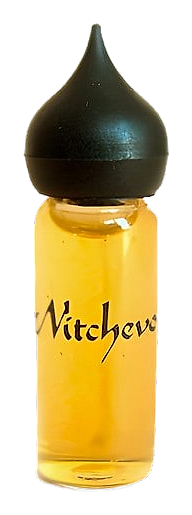
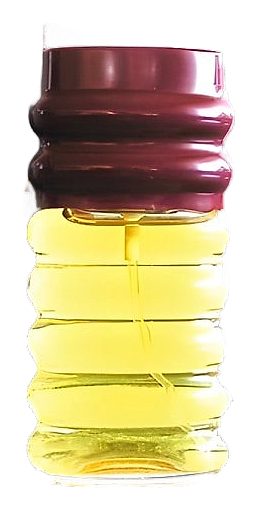
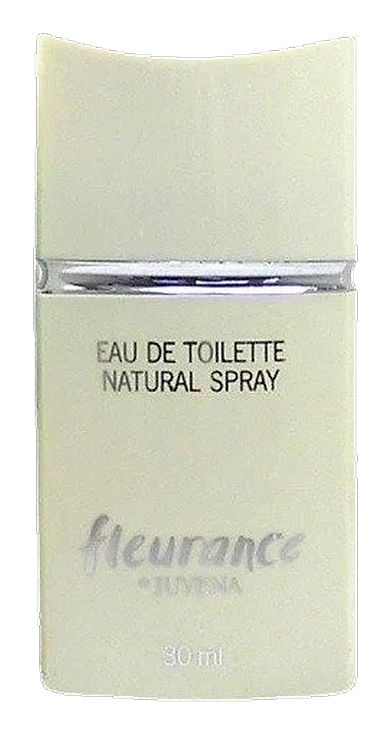
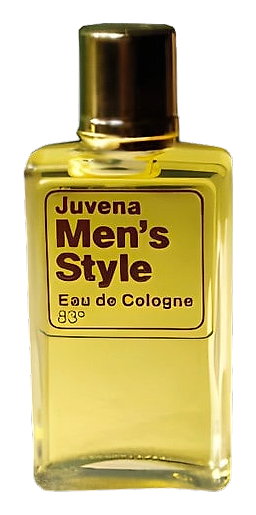
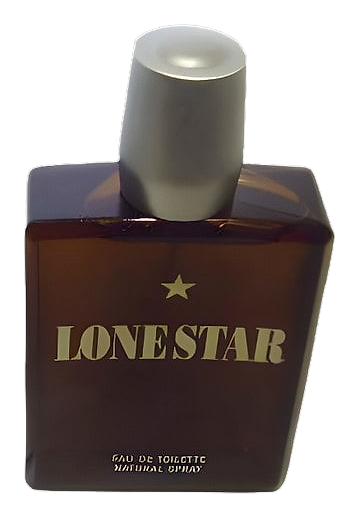
Juvena was established in 1954 in Switzerland, a country long associated with meticulous craftsmanship and a respect for quality. The founders chose the name from the Latin word juvenalis, which translates to “youthful,” and they framed the brand’s early mission around the idea of preserving a fresh, energetic outlook in perfume. The company remained relatively low‑profile for its first two decades, focusing on supplying local perfumeries and department stores rather than pursuing aggressive international marketing. The first recorded fragrance in Juvena’s line appeared in 1973 under the name Nitchevo, a scent that combined citrus top notes with a warm, woody base, reflecting the era’s shift toward more complex, gender‑neutral compositions. Throughout the 1980s, the house expanded its portfolio with releases such as Sarabe (1980) and Men's Style (1982), each echoing contemporary trends while retaining the brand’s hallmark of clean, approachable elegance. In 1992, Lonestar entered the market, followed by a pair of 1994 launches – Discover and Fleurance – that demonstrated Juvena’s willingness to experiment with floral‑spicy blends. After a period of relative quiet, the brand resurfaced in 2015 with two new offerings: Eau de Juvena and Sunsation. Both fragrances were positioned as modern reinterpretations of the house’s original youthful ethos, using brighter accords and lighter concentrations to appeal to a new generation of scent enthusiasts. Throughout its history, Juvena has maintained production in Switzerland, leveraging local expertise in ingredient selection and formulation. While the brand has never claimed headline‑making awards, its steady presence in niche fragrance databases such as Fragrantica confirms a consistent, if understated, reputation among collectors.
Craftsmanship
All Juvena fragrances are blended in Switzerland, where the company partners with local laboratories that specialize in both natural essential oils and high‑grade aroma chemicals. The production process begins with a brief that outlines the desired olfactory direction, after which a small team of perfumers drafts a series of accords. These drafts undergo multiple rounds of evaluation, including stability testing under varying temperature and humidity conditions to ensure the scent retains its character over time. Ingredient sourcing follows a dual approach: botanical extracts are obtained from certified growers in France, Italy and the Mediterranean, while synthetics are purchased from European manufacturers that comply with REACH regulations. Juvena’s quality control team conducts gas‑chromatography analyses on each batch to verify concentration levels and to detect any deviations from the original formula. Once a batch passes these checks, it is transferred to a Swiss bottling facility where glass containers are hand‑filled under controlled pressure to minimize oxidation. The bottles are sealed with aluminum caps that feature a simple, embossed logo, reinforcing the brand’s understated aesthetic. Throughout the lifecycle of a fragrance, Juvena retains a small inventory of each scent, allowing the house to monitor consumer feedback and make minor adjustments if necessary. This practice, common among niche houses, helps preserve the integrity of the original composition while responding to subtle shifts in market preferences. The brand’s commitment to Swiss precision is evident in every step, from raw material verification to the final packaging, ensuring that each perfume delivers a consistent, high‑quality experience.
Design Language
Juvena’s visual language mirrors its olfactory restraint. The bottles are typically clear glass with minimal decoration, allowing the liquid’s hue to become the focal point. A thin, brushed‑metal collar encircles the neck, bearing the brand’s name in a clean, sans‑serif typeface. This understated approach reflects the Swiss design tradition of letting function speak louder than ornament. Labeling is kept to a single line of text, usually the fragrance name and year of release, printed in black on a white background. The packaging box follows the same minimalist ethos: matte white with a subtle embossing of the Juvena logo on the lid. Inside, the fragrance sits on a thin layer of recycled paper, underscoring the brand’s modest environmental awareness. Marketing imagery, when it appears, favors natural light and simple compositions – a single sprig of lavender, a sunlit window, or a quiet urban street – rather than elaborate set pieces. This visual restraint reinforces the brand’s promise of youthful clarity, inviting the consumer to focus on the scent itself rather than on extraneous storytelling. The overall aesthetic positions Juvena as a quiet, reliable choice for those who appreciate understated elegance in both fragrance and design.
Philosophy
Juvena’s creative outlook centers on the concept of youthful continuity – a belief that a scent can feel fresh at any age if it balances clarity with depth. The house avoids overtly theatrical storytelling; instead, it lets the perfume itself convey mood. This restraint mirrors Swiss design principles, where function and form coexist without unnecessary embellishment. The brand values transparency in ingredient sourcing, preferring to blend natural extracts with synthetics that meet strict safety standards. Juvena’s formulators aim for compositions that are recognizable on first spray yet reveal subtle shifts over time, encouraging wearers to revisit the fragrance throughout the day. The house also emphasizes accessibility, pricing its offerings at a level that invites experimentation without compromising quality. By focusing on a limited but carefully curated range, Juvena seeks to foster a personal connection between scent and wearer, allowing each bottle to become a quiet companion rather than a status symbol.
Key Milestones
1954
Juvena is founded in Switzerland; the name is chosen from the Latin word juvenalis, meaning youthful.
1973
The house releases its first recorded fragrance, Nitchevo, marking the start of its product line.
1980
Sarabe is launched, expanding the brand’s portfolio into floral‑spicy territory.
1982
Men's Style debuts, targeting a modern male audience with a fresh, woody composition.
1992
Lonestar arrives, reflecting a shift toward brighter, more adventurous accords.
1994
Two fragrances, Discover and Fleurance, are introduced, showcasing Juvena’s willingness to experiment with dual‑note structures.
At a Glance
Brand profile snapshot
Origin
Switzerland
Founded
1954
Heritage
72
Years active
Collection
1
Fragrances released
Avg Rating
4.3
Community sentiment
Release Rhythm


