


    Brand Profile

    Weleda is a Swiss‑based natural‑care house that extends its anthroposophic roots into fragrance. Since its 1921 launch, the brand has blende…More

    Switzerland·Est. 1921·Site

    4.3

    Rating

    4
    Jardin de Vie Rose by Weleda
    Best Seller
    4.3

    Jardin de Vie Rose

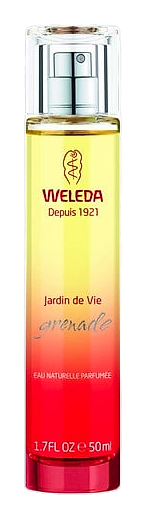
    Jardin de Vie Grenade by Weleda
    Best Seller
    3.4

    Jardin de Vie Grenade

    Jardin de Vie Agrume by Weleda
    Best Seller
    3.1

    Jardin de Vie Agrume

    Jardin de Vie Onagre by Weleda
    3.1

    Jardin de Vie Onagre

    Haltane by Parfums de Marly
    Coming Soon

    Haltane

    Parfums de Marly

    Baccarat Rouge 540 by Maison Francis Kurkdjian
    Coming Soon

    Baccarat Rouge 540

    Maison Francis Kurkdjian

    The Heritage

    The Story of Weleda

    Weleda is a Swiss‑based natural‑care house that extends its anthroposophic roots into fragrance. Since its 1921 launch, the brand has blended botanical ingredients with a holistic view of wellbeing. In 2015 it introduced the Jardin de Vie line, a small collection of garden‑inspired scents such as Rose, Grenade, Agrume and Onagre, each framed by the same commitment to purity and sustainability that defines the company’s broader portfolio.

    Heritage

    Weleda was founded in 1921 in Arlesheim, Switzerland by Austrian philosopher Rudolf Steiner and Dutch physician Ita Wegman. Their partnership grew out of the anthroposophic movement, which sought to integrate spiritual science with practical medicine and cosmetics. The first product, a herbal ointment, reflected a belief that natural substances could support the body’s innate healing. By 1925 the company opened subsidiaries in the United Kingdom and the Netherlands, marking an early phase of internationalisation. During the 1930s the German branch operated under the constraints of the Nazi regime, yet the firm maintained its core philosophy of biodynamic sourcing. After World War II, Weleda rebuilt its production facilities and expanded its range to include skin‑care staples such as the iconic Skin Food, launched in 1954. The post‑war era also saw the establishment of the Weleda Farm in Arlesheim, a biodynamic estate that supplies many raw materials. In the 1970s the brand pioneered the use of organic certification in cosmetics, and in the 1990s it introduced a global sustainability programme that set targets for carbon reduction and fair‑trade sourcing. The centenary in 2021 was marked by a series of events celebrating a hundred years of natural‑product innovation, including a retrospective exhibition in Zurich and the release of limited‑edition packaging made from recycled glass. Throughout its history, Weleda has remained privately owned, allowing it to stay aligned with the founding vision of holistic, nature‑centric care.

    Craftsmanship

    Weleda’s production process begins on its own biodynamic farms, where crops are planted according to lunar cycles and harvested by hand to minimise stress on the plants. After harvest, botanicals undergo gentle extraction methods such as steam distillation, cold‑pressing or CO₂ extraction, each chosen to retain the full spectrum of aromatic compounds. The resulting essential oils are stored in dark glass to protect them from light degradation. In the laboratory, perfumers blend these natural extracts using a weight‑based system, documenting each proportion to ensure repeatability. Quality control follows Swiss GMP standards; every batch is tested for purity, microbial stability and organoleptic consistency. The company also subjects its ingredients to a proprietary “Weleda Naturalness Test,” which screens for synthetic residues and heavy metals. Packaging is designed for minimal environmental impact: glass bottles are reclaimed, caps are made from recycled aluminum, and labels use soy‑based inks. Throughout the chain, the brand conducts regular audits of its suppliers, confirming adherence to biodynamic certification and fair‑trade criteria. This rigorous approach ensures that each fragrance not only smells authentic but also aligns with the brand’s ecological commitments.

    Design Language

    Weleda’s visual language mirrors its natural ethos. The Jardin de Vie bottles are slender, clear glass that showcase the pale hue of each scent, capped with brushed aluminum that feels both modern and tactile. Labels feature hand‑drawn botanical illustrations in muted pastel tones, paired with a simple sans‑serif typeface that conveys clarity without ornament. The overall design avoids excessive branding; the Weleda name appears in a modest, all‑caps logotype positioned at the base of the label, allowing the artwork to take centre stage. Marketing imagery frequently depicts sun‑lit gardens, close‑ups of dewy petals, and the farm’s rolling fields, reinforcing a connection between the product and its source. In retail, the fragrances are displayed alongside small wooden trays that echo the brand’s commitment to natural materials. The aesthetic extends to digital touchpoints, where the website uses ample white space, soft colour palettes and high‑resolution photography that emphasizes texture and light, inviting the viewer to experience the scent through visual cues.

    Philosophy

    Weleda’s creative vision rests on anthroposophic principles that view the human being as a union of body, soul and spirit. The brand treats fragrance as an extension of this holistic approach, selecting ingredients that are cultivated with respect for soil health and seasonal rhythms. Biodynamic farming, a method championed by Steiner, guides the cultivation of herbs, flowers and seeds used in the Jardin de Vie line. Sustainability is not a marketing tag but a guiding rule: raw materials are sourced from certified organic farms, and the company favours fair‑trade partnerships where possible. Transparency is emphasized through detailed ingredient disclosures, allowing consumers to trace a scent back to its botanical origin. The brand also supports community projects that protect biodiversity, reflecting a belief that the health of the planet and the health of the individual are inseparable. In practice, this philosophy translates into scent compositions that avoid synthetic aromachemicals, favouring natural essential oils, absolutes and CO₂‑extracted aromatics that preserve the integrity of the plant’s aromatic profile.

    Key Milestones

    1921

    Weleda founded in Arlesheim, Switzerland by Rudolf Steiner and Ita Wegman

    1925

    First foreign subsidiaries opened in the United Kingdom and the Netherlands

    1954

    Launch of Skin Food, a flagship natural skin‑care balm

    2015

    Introduction of the Jardin de Vie fragrance collection, starting with Rose, Grenade and Agrume

    2021

    Centenary celebrations marking 100 years of natural‑product innovation

    2023

    Roll‑out of 100 % recycled‑glass bottles for the Jardin de Vie line

    At a Glance

    Brand profile snapshot

    Origin

    Switzerland

    Founded

    1921

    Heritage

    105

    Years active

    Collection

    1

    Fragrances released

    Avg Rating

    4.3

    Community sentiment

    Release Rhythm

    2016
    1
    2015
    3
    weleda.com

    Did You Know?

    Interesting Facts

    Distinctive details and defining moments that shape the house personality.

    01

    Weleda operates its own biodynamic farm in Arlesheim, supplying a significant portion of the raw materials for its cosmetics and fragrances.

    02

    The name "Weleda" combines the German words "we" (we) and "leda" (life), reflecting the founders’ vision of collective wellbeing.

    03

    Skin Food, introduced in 1954, remains one of the longest‑running natural skin‑care products on the market and is still formulated with the original botanical blend.

    04

    Weleda was among the first cosmetics companies to receive ISO 14001 environmental management certification, underscoring its early commitment to sustainability.

    The Artisans

    The Perfumers