





    Brand Profile

    Emmanuel Levain is a Geneva‑based niche perfume house that blends a journalist’s curiosity with a collector’s eye for rare raw materials. Si…More

    Switzerland·Est. 2012·Site

    4.7

    Rating

    16
    Rouge by Emmanuel Levain
    Best Seller
    4.7

    Rouge

    Marron by Emmanuel Levain
    Best Seller
    4.5

    Marron

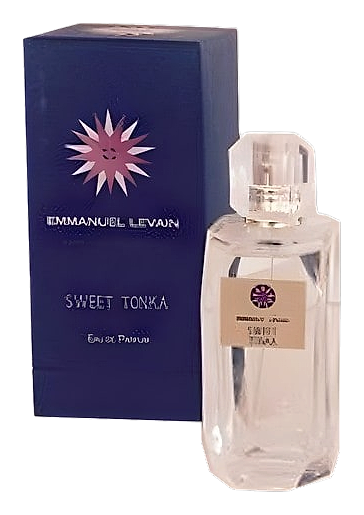
    Sweet Tonka by Emmanuel Levain
    Best Seller
    4.4

    Sweet Tonka

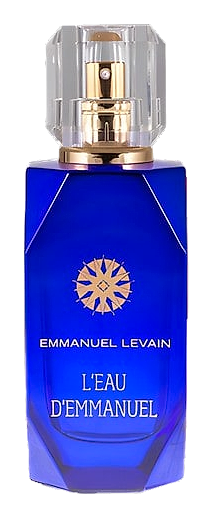
    L'Eau d'Emmanuel by Emmanuel Levain
    4.3

    L'Eau d'Emmanuel

    Vetiver Forever by Emmanuel Levain
    4.3

    Vetiver Forever

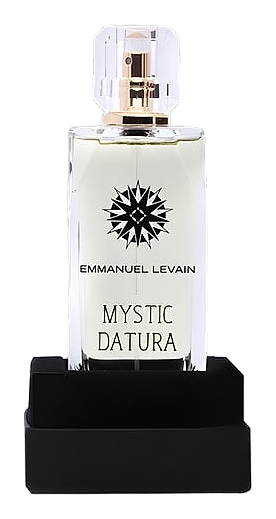
    Mystic Datura by Emmanuel Levain
    3.9

    Mystic Datura

    Noir by Emmanuel Levain
    3.8

    Noir

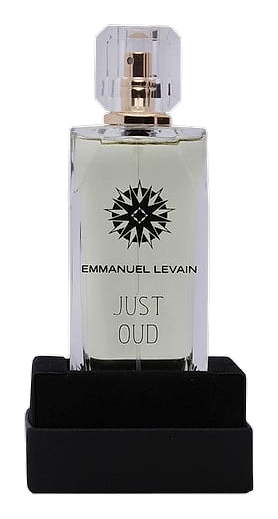
    Just Oud by Emmanuel Levain
    3.8

    Just Oud

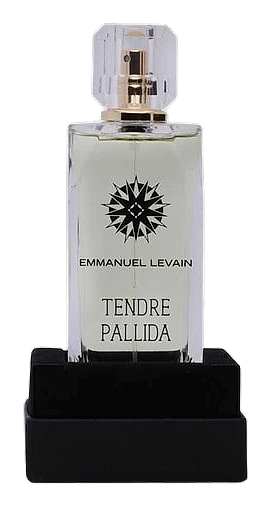
    Tendre Pallida by Emmanuel Levain
    3.6

    Tendre Pallida

    Pure Plum by Emmanuel Levain
    3.5

    Pure Plum

    Blanc by Emmanuel Levain
    3.5

    Blanc

    Bleu by Emmanuel Levain
    2.5

    Bleu

    1 of 2

    The Heritage

    The Story of Emmanuel Levain

    Emmanuel Levain is a Geneva‑based niche perfume house that blends a journalist’s curiosity with a collector’s eye for rare raw materials. Since its first launch in 2013, the brand has built a modest catalogue of scents that balance classic structures with unexpected twists. Each fragrance arrives in a minimalist bottle that lets the scent speak for itself, inviting collectors to explore a world where rarity meets restraint.

    Heritage

    The house traces its origins to Emmanuel Levain, a former financial journalist who turned to perfumery after years of traveling and sampling obscure ingredients. In 2012 he established the brand in Geneva, a city known for its watchmaking precision and international trade. The first offering, Pure Plum, arrived in 2013 and quickly attracted attention for its bright, fruit‑forward profile that avoided the typical gourmand excesses of the time. By 2014 Levain expanded the line with L’Eau d’Emmanuel, a citrus‑leaning composition that highlighted the founder’s interest in clean, transparent aromatics. 2016 saw the release of Sweet Tonka, a tribute to the bean’s complex vanilla‑like warmth, while 2018 introduced Vetiver Forever, a modern take on a classic base that emphasized sustainable sourcing from Haiti. Throughout the decade the house has remained independent, operating out of a modest atelier where small batches are hand‑filled. In 2020 the brand opened a boutique in Zurich, marking its first permanent retail presence. A 2022 collaboration with a Swiss glass studio resulted in a limited edition bottle that combined hand‑blown crystal with the brand’s signature matte black cap. By 2024 Emmanuel Levain celebrated its tenth anniversary with a retrospective exhibition at the Musée du Parfum in Geneva, underscoring a decade of quiet but steady growth rooted in curiosity and craftsmanship.

    Craftsmanship

    Production takes place in a small Geneva workshop where each batch is measured by hand. Ingredients are sourced from a network of growers that the founder visits personally when possible. For example, the Tonka beans used in Sweet Tonka come from a cooperative in Venezuela that practices shade‑grown cultivation, while the vetiver in Vetiver Forever is harvested from small plots in Haiti that employ traditional hand‑raking methods. Once the raw materials arrive, they are stored in temperature‑controlled rooms to preserve their integrity. The blending process follows a classic French atelier model: a senior perfumer creates a master formula, then junior assistants test variations under the founder’s supervision. After the perfume reaches its final composition, it is left to mature for several weeks in oak barrels, a step that smooths volatile notes and deepens the base. Bottling is performed on a dedicated line where each glass vessel is inspected for imperfections, then capped with a matte black metal lid that is hand‑polished. Quality control includes gas chromatography analysis to verify that the concentration of key aromatics matches the original specification. The entire workflow emphasizes low volume, high attention to detail, and a commitment to preserving the character of each ingredient.

    Design Language

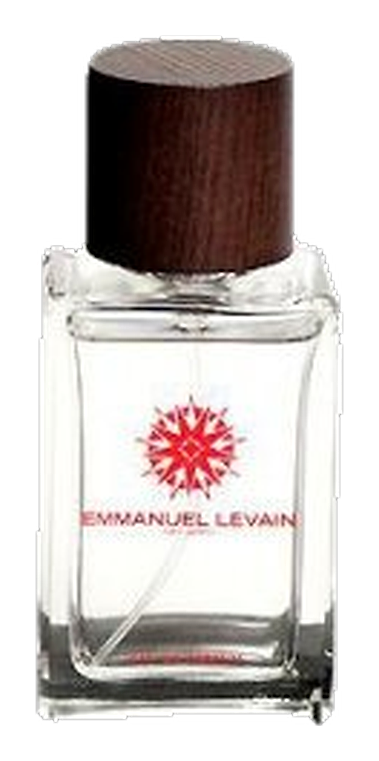
    Visually, Emmanuel Levain favors a restrained palette of black, white, and muted metallics. The bottles are cylindrical with clean lines, often finished in a soft matte that reduces glare and invites tactile interaction. Labels are printed in a simple sans‑serif typeface, providing only the fragrance name and a brief note on the dominant accord. This minimalism extends to the brand’s packaging: a thin, recycled cardboard sleeve protects the bottle while echoing the understated elegance of the scent inside. In 2022 the collaboration with a Swiss glass studio introduced a limited edition crystal bottle that retained the same silhouette but added a subtle play of light, reinforcing the idea that the container should enhance, not distract from, the perfume. Marketing materials mirror this approach, using high‑contrast photography that places the bottle against a plain background, allowing the fragrance’s story to unfold through scent descriptions rather than visual spectacle. The overall image conveys a quiet confidence, appealing to collectors who value substance over flash.

    Philosophy

    Levain’s creative vision rests on the belief that fragrance should be a personal discovery rather than a mass‑produced commodity. The founder often describes his approach as a dialogue between the nose and the memory, seeking ingredients that trigger a specific moment or feeling. Sustainability is woven into the brand’s values; sourcing decisions prioritize farms that practice fair trade and biodiversity preservation. Transparency is another pillar: each launch is accompanied by a brief note that lists the primary accords and the origin of key materials. Levain avoids overt marketing hype, preferring instead to let critics and collectors discuss the work. The house also embraces a minimalist aesthetic, allowing the scent’s structure to be the focal point. This restraint reflects a broader philosophy that luxury can be expressed through quality and intention rather than ostentation.

    Key Milestones

    2012

    Emmanuel Levain establishes the perfume house in Geneva after leaving a career in journalism.

    2013

    Launch of Pure Plum, the brand’s debut fragrance, noted for its bright, fruit‑forward character.

    2014

    Release of L’Eau d’Emmanuel, a citrus‑centric composition that reinforces the house’s clean aesthetic.

    2016

    Sweet Tonka arrives, showcasing sustainably sourced Tonka beans from Venezuela.

    2018

    Vetiver Forever debuts, highlighting Haitian vetiver cultivated using traditional methods.

    2020

    First permanent boutique opens in Zurich, expanding the brand’s direct retail presence.

    At a Glance

    Brand profile snapshot

    Origin

    Switzerland

    Founded

    2012

    Heritage

    14

    Years active

    Collection

    1

    Fragrances released

    Avg Rating

    4.7

    Community sentiment

    Release Rhythm

    2018
    1
    2017
    3
    2016
    2
    2014
    2
    2013
    1
    emmanuellevain.com

    Did You Know?

    Interesting Facts

    Distinctive details and defining moments that shape the house personality.

    01

    Founder Emmanuel Levain was a financial journalist before turning to perfumery, a career shift he describes as a pursuit of sensory storytelling.

    02

    The brand’s Sweet Tonka uses Tonka beans harvested from a cooperative that practices shade‑grown cultivation to protect soil health.

    03

    Each bottle is hand‑filled and capped, with production runs often limited to 500–800 units per fragrance, creating a sense of rarity without artificial scarcity.

    04

    Levain’s Vetiver Forever was one of the early niche releases to source vetiver from Haiti, a region less commonly used in mainstream perfumery.

    The Artisans

    The Perfumers