
The Story
Why it exists.
The beginning
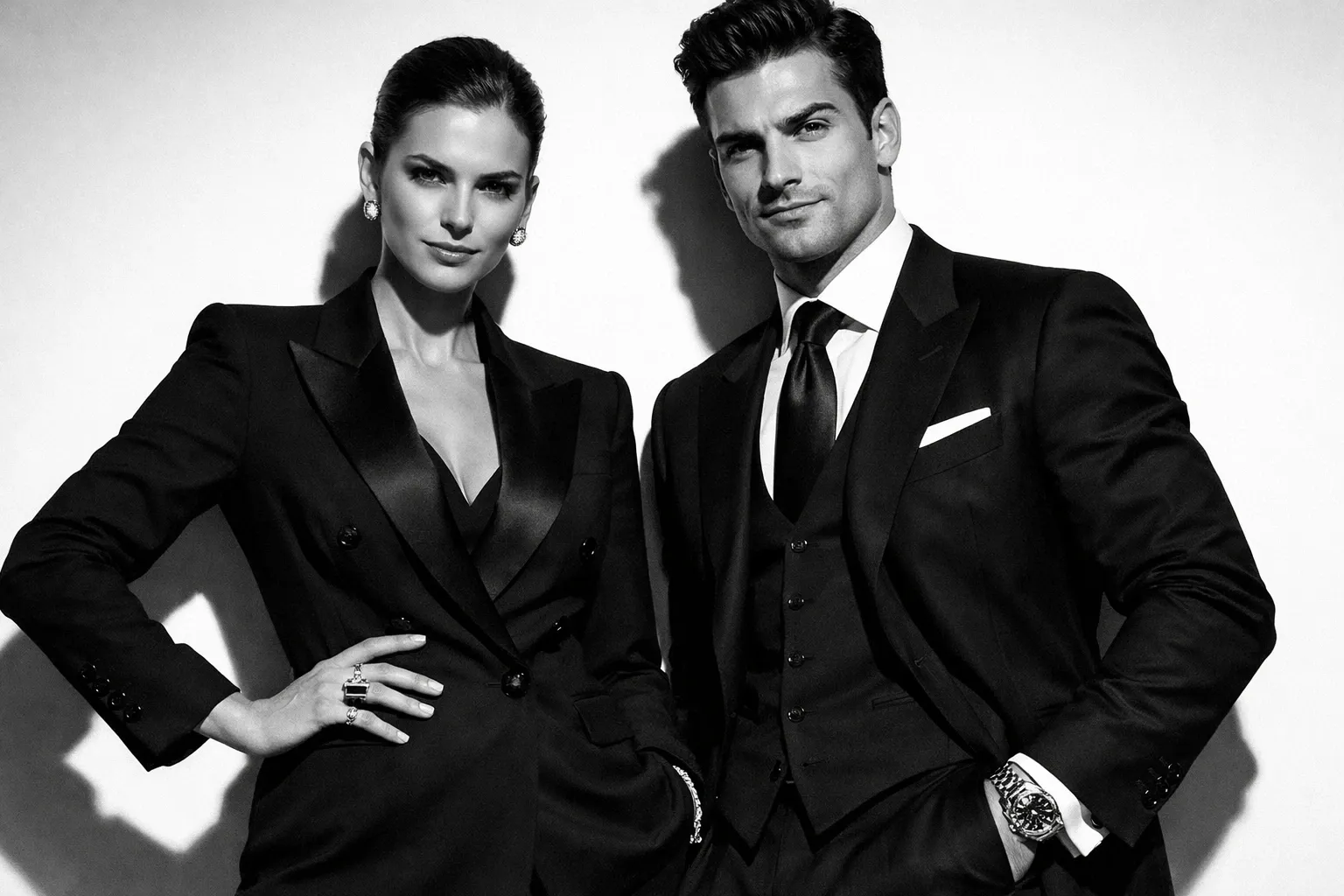
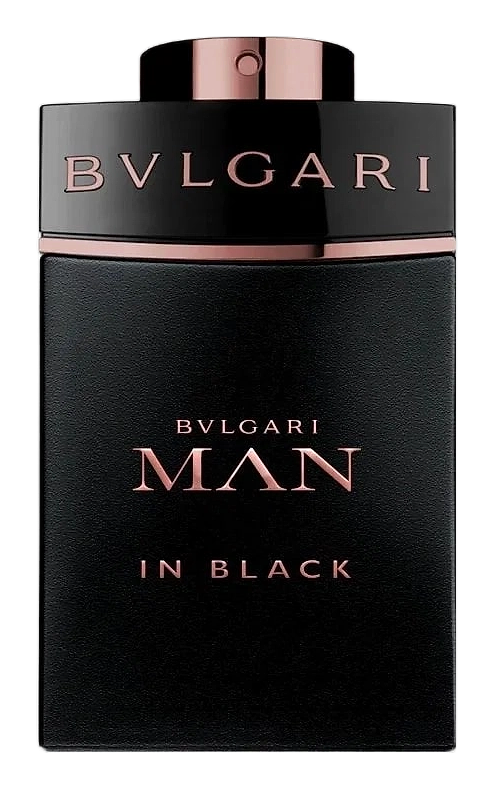
Bvlgari launched Man In Black in 2014, the house's 130th anniversary. Alberto Morillas built it around the myth of Vulcan, fire god, born in volcanic heat, shaping metal from flame. Raw material becoming something precise. Rum and luminous spices open like a first spark. Then leather, iris, and tuberose arrive, three notes that shouldn't coexist in a masculine fragrance. They do. Man In Black works because it doesn't ask permission. Bold without apology, warm without softness. Italianate glamour distilled into a bottle.
The interesting move here is the tuberose. A white floral usually reserved for feminine compositions, placed dead center in a leather-tobacco structure. It keeps things luminous where most masculine orientals would go dark and smoky. The guaiac wood and benzoin base are the backbone, resins that deepen rather than fade, giving the drydown a sticky warmth that holds for hours. This isn't a fragrance that changes your mind. It makes up yours for you.
The evolution
The opening is rum and luminous spices, a spark, not a blaze. Within minutes, leather arrives and the florals begin to bloom. Tuberose and iris together create a creamy sweetness that cuts through the smoke, unusual in masculine compositions. The heart lasts longer than expected. Around hour three, guaiac wood and benzoin take over, not fleeting but deepening, layering into something that lingers. The drydown isn't linear but layered. Benzoin adds sticky warmth, almost like honey. Guaiac brings smoke that can still be detected the next morning. On fabric, it transforms entirely, what was smoky becomes sweeter, almost vanilla-like.
Cultural impact
Part of the lineage of Italian luxury houses where Bvlgari sits at the bolder end. Man In Black appeals to the man who doesn't need fragrance to feel confident, he wears it because he can. It's direct in a way that polarizes. Some find it too much; others find it exactly right. Either way, it doesn't pretend to be something it isn't.