
The Story
Why it exists.
The beginning
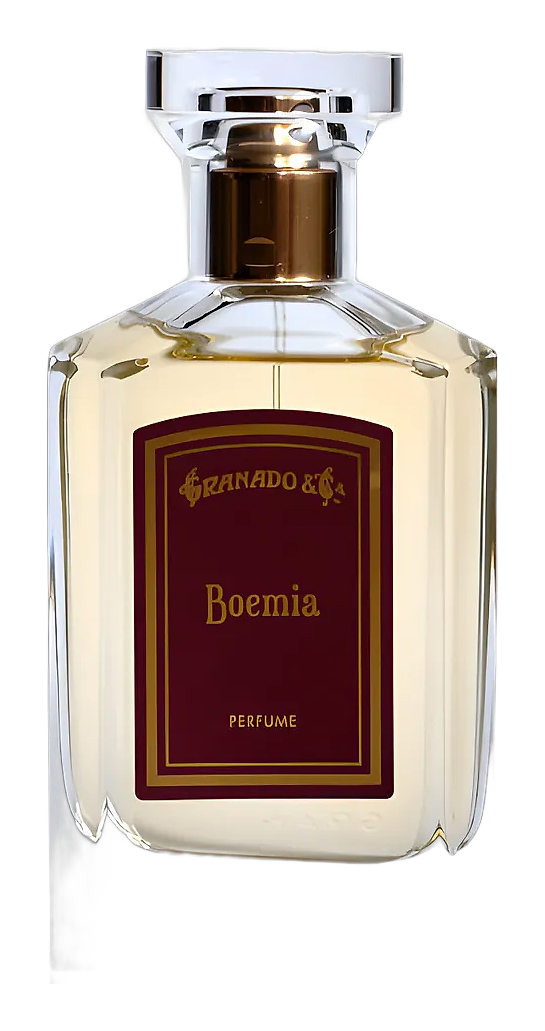
Granado, Brazil's oldest pharmacy brand, has crafted fragrances from its Teresópolis farm since 1870, and Boemia channels that apothecary heritage into a modern statement. Named for Rio de Janeiro's most notoriously free-spirited neighbourhood, this fragrance captures the district's audacious energy. Perfumer Marion Costero worked with Granado's botanical expertise to create a scent that reflects the neighbourhood's creative pulse, using materials that speak to both the brand's herbal tradition and Brazil's rich olfactory landscape.
The notes in Boemia were chosen to reflect the neighbourhood's character: the sharp spices represent its creative edge, the woody and resinous heart mirrors the artistic depth, and the leather-tobacco drydown speaks to the sensuality the district is known for. Marion Costero structured the composition so that each phase reveals a different facet of bohemian life, from energetic beginnings to settled, contemplative endings. The frankincense and geranium bridge the transition between heart and drydown, creating continuity where other fragrances might lose their way.
The evolution
The journey of Boemia begins with the sharp, almost electric introduction of black pepper and nutmeg, quickly brightened by lime. This opening phase feels like stepping into a sunlit street market in the neighbourhood that gave the fragrance its name. As the top notes recede, cedarwood and frankincense take centre stage, their woody and resinous qualities building a sense of grounded creativity. Geranium adds a final floral-herbal layer that prevents the composition from becoming too heavy. The drydown transforms the experience entirely, with leather, sandalwood, and tobacco creating a warm, smoky embrace that lingers well beyond the initial application.
Cultural impact
Boemia has found its audience among wearers who want intensity without predictability. The dark academia comparison that surfaces in reviews, the leather chair, the warm lamp, the old library, speaks to a specific mood: something worn and familiar, but sharp enough to stay interesting. The frankincense and geranium keep it from becoming another leather-tobacco exercise. Where Bvlgari Man In Black leans into warmth, Boemia leans into complexity. It's a fragrance that works best in cold weather and after dark, and it makes no apologies for either.