
The Story
Why it exists.
The beginning
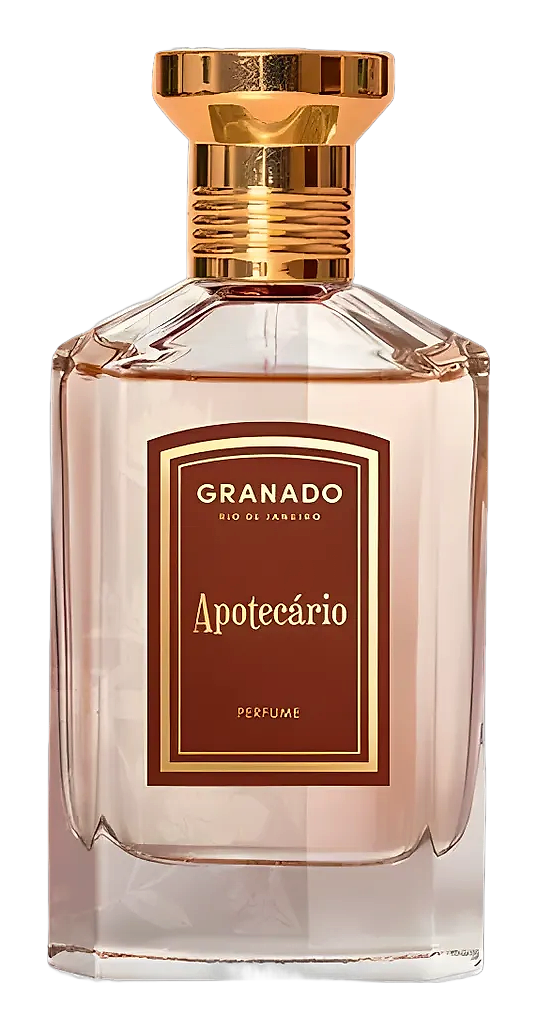
Granado opened its apothecary in 1870, earning a reputation for natural remedies made from local botanicals. That same reverence for raw materials carries into Apotecário, released in 2025 in collaboration with perfumer Quentin Bisch. The name is a direct nod to the house's pharmaceutical roots, and the fragrance itself mirrors the careful blending of natural ingredients that made the brand famous. Bisch approached the brief with an understanding of how apothecary aesthetics translate into modern perfumery, selecting materials that feel both historical and relevant.
The choice of notes reflects Granado's commitment to materials with history. Bergamot and black pepper are staples of both perfumery and traditional medicine, while myrrh has been used in healing rituals for millennia. The inclusion of black tea and leather grounds the fragrance in apothecary aesthetics, evoking the smell of dried herbs and worn leather cases. Cypriol, with its earthy, almost petroleum-like depth, adds an element of mystery that elevates the composition beyond simple nostalgia. Tonka bean serves as the bridge between old and new, its sweet, vanillic quality bringing a touch of modernity to an otherwise traditional structure.
The evolution
The opening of bergamot, black pepper, and cardamom establishes immediate warmth, drawing the wearer into a space that feels both familiar and unexpected. These three materials work in concert, with bergamot providing brightness, black pepper adding textural heat, and cardamom contributing a soft, lingering spice. As the fragrance evolves, black tea becomes the central figure, joined by leather and cypriol to create a heart that feels rooted in apothecary tradition. The drydown introduces myrrh and patchouli, two materials with deep historical significance in natural medicine, while tonka bean adds a subtle sweetness that prevents the final stages from feeling too austere. This arc from bright opening to contemplative base mirrors the journey of a remedy being prepared and then settling into its final form.
Cultural impact
Apotecário lands in a market where leather fragrances typically fall into two categories: safe designer releases or niche propositions at triple the price. The tea-leather-resin combination occupies an interesting middle ground. Reviewers have noted the quality of materials and execution, with the 82% natural ingredient count and maceration process standing out as differentiators. Within Brazil, the fragrance has resonated with wearers who appreciate the boldness of the leather and the unusual pairing with black tea.