

The Heritage
The Story of Granado
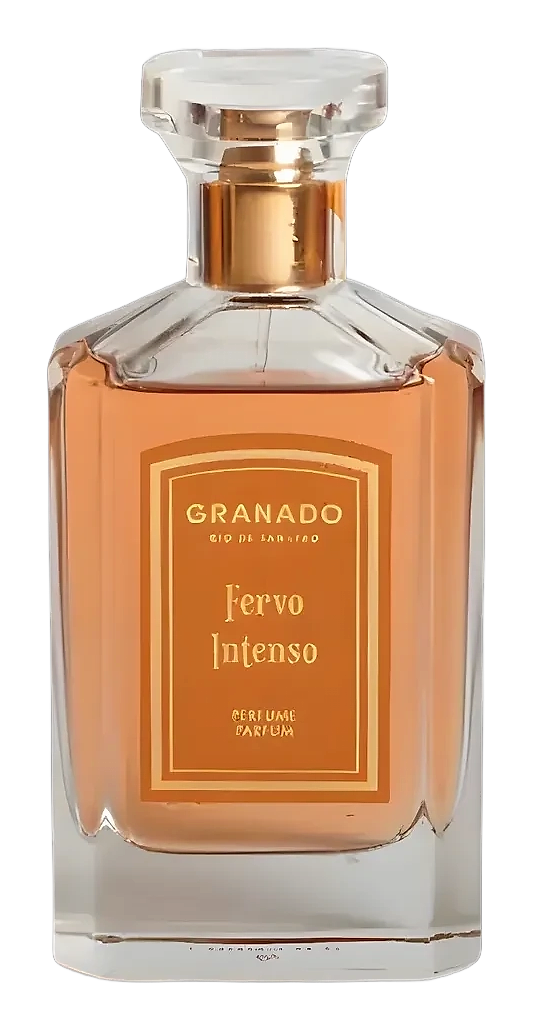
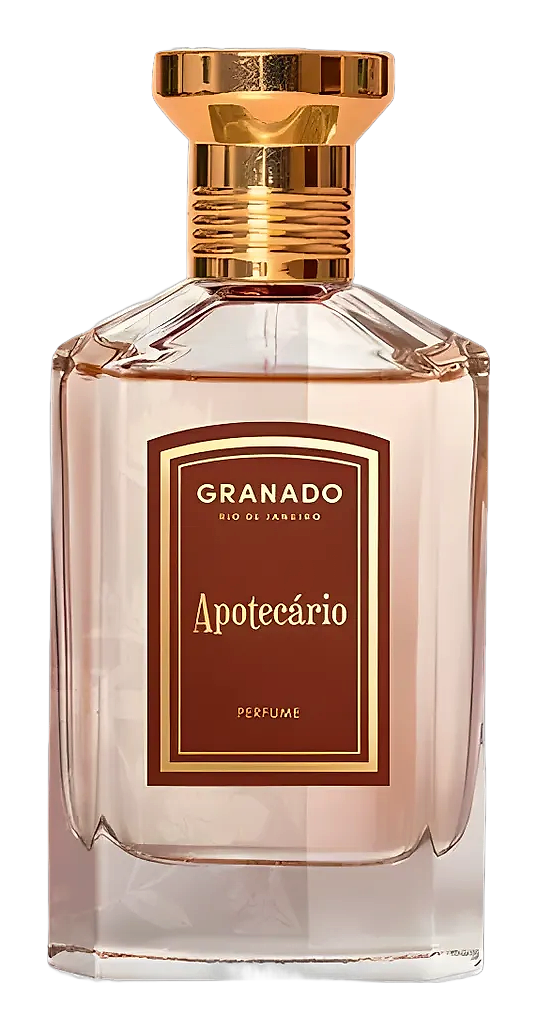
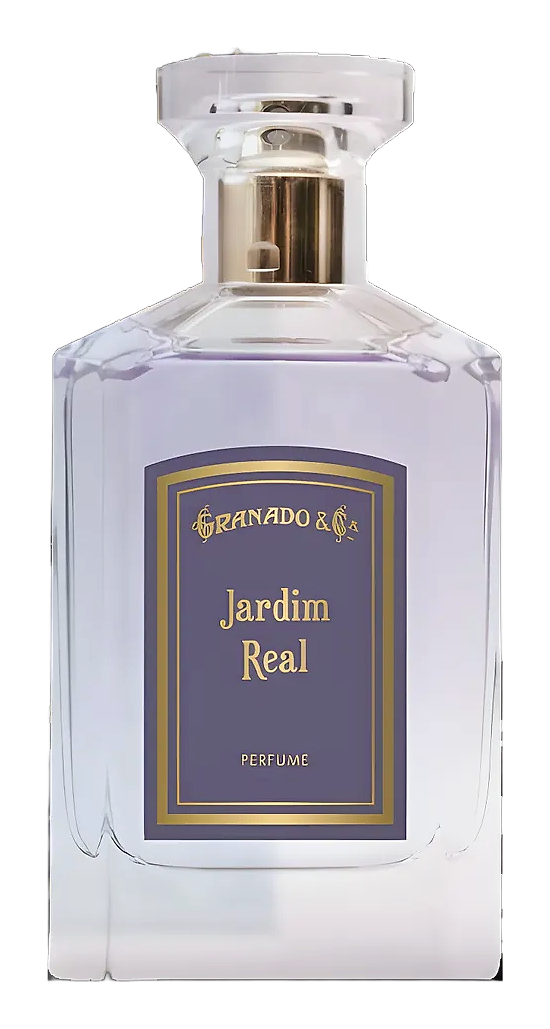
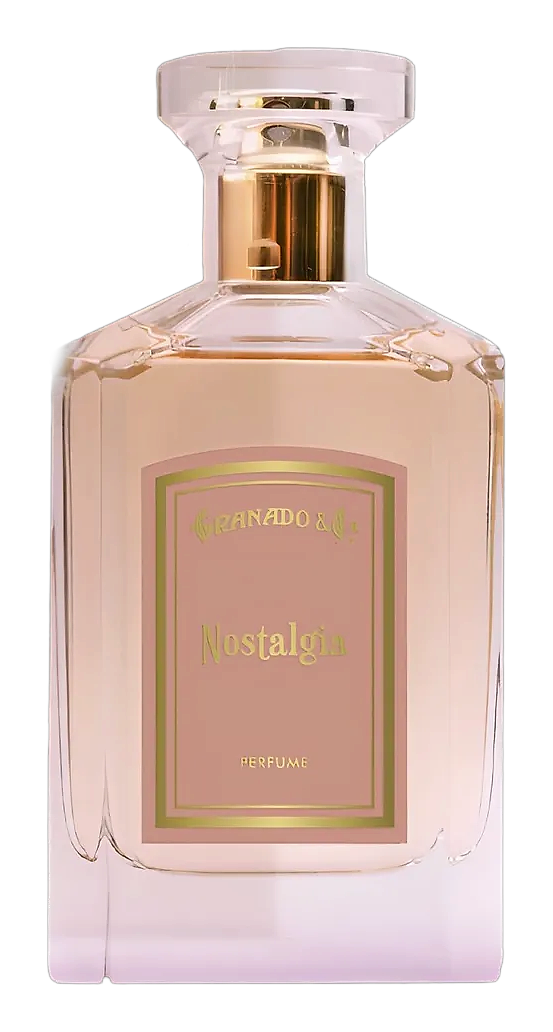
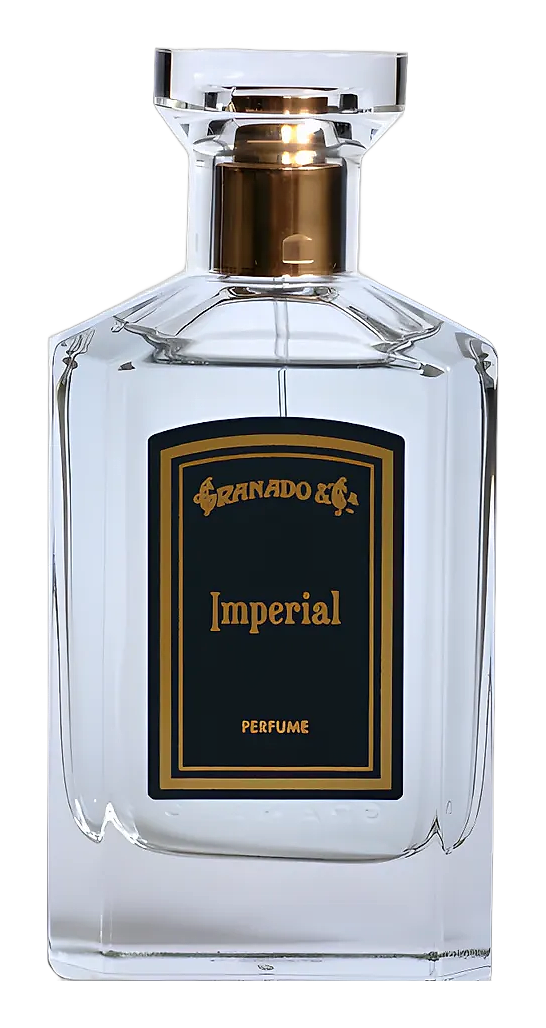
Granado is Brazil’s oldest pharmacy‑turned‑perfume house, founded in Rio de Janeiro in 1870. The brand blends a century‑and‑a‑half of apothecary tradition with contemporary fragrance design, offering scents that echo the country’s botanical wealth and urban rhythm. Its line includes modern releases such as Fervo Intenso (2024) and classic reinterpretations like Imperial (2020), each framed by a heritage that still feels fresh.
Heritage
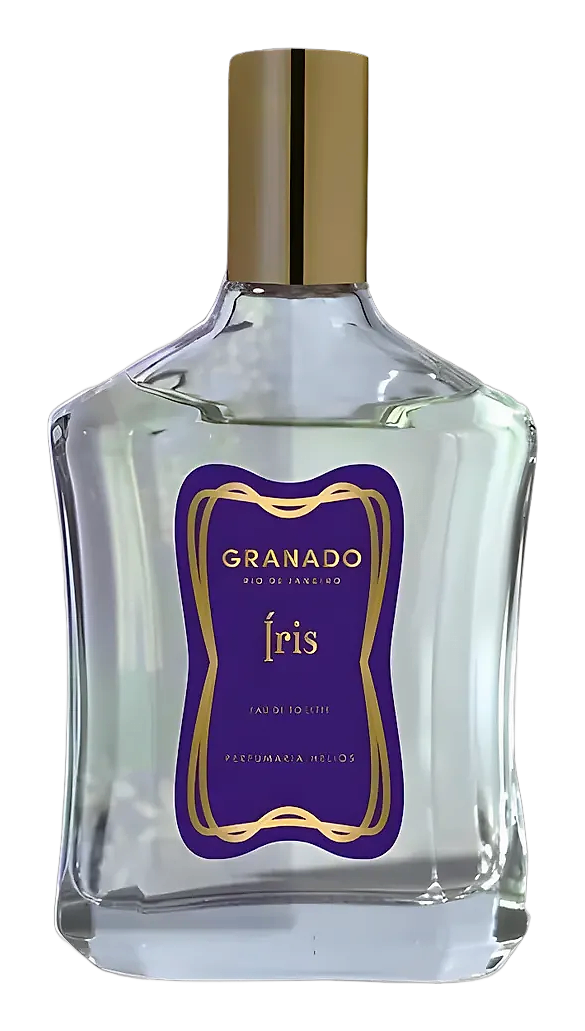
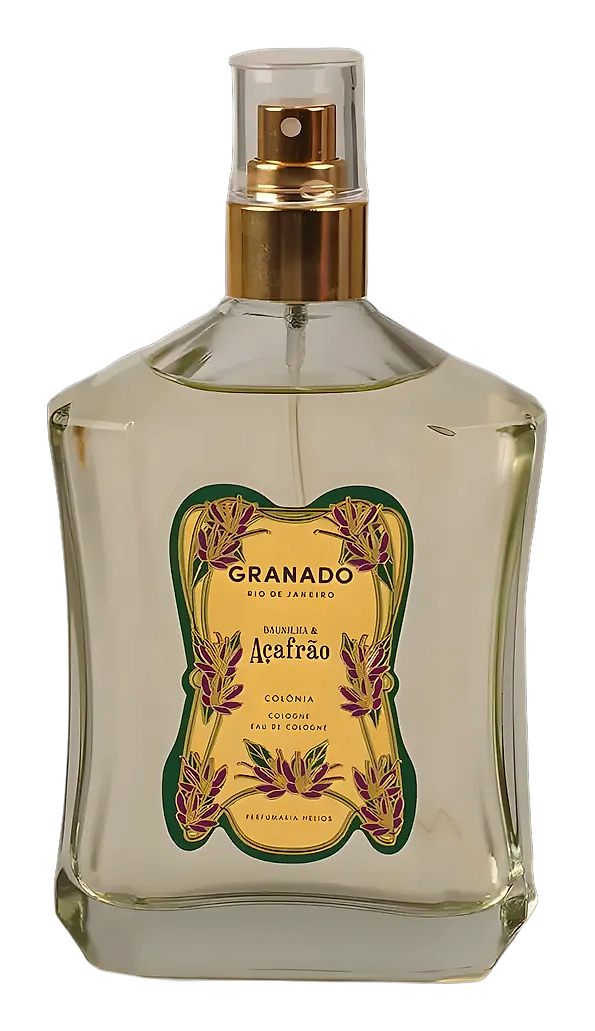
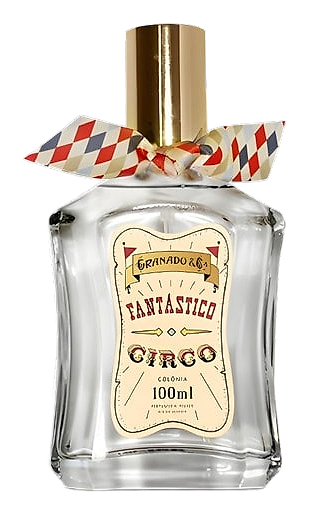
The story begins in 1870 when José Antonio Coxito Granado opened a modest apothecary on Rua da Carioca in Rio de Janeiro. The shop quickly earned a reputation for natural remedies crafted from local flora, a reputation that secured an appointment as official supplier to the Brazilian imperial court in the 1880s. By the early 20th century the Granado name appeared on military medical kits, a testament to its reliability during the First World War. In the 1930s the family expanded into personal care, launching the iconic “Bebê Tradicional” soap in 1918 and later a line of scented creams. The 1970s saw the brand modernise its packaging while preserving the original glass bottles that still carry the distinctive red label. A turning point arrived in 2005 when Granado opened its first boutique in São Paulo, inviting customers to experience the scents in a curated setting. The following decade introduced a dedicated perfume collection, beginning with the 2018 release of Fantástico Circo, a tribute to Rio’s carnival heritage. Recent years have added experimental fragrances such as Íris (2024) and Baunilha e Açafrão (2024), showing that the house continues to translate its historic DNA into contemporary olfactory narratives.
Craftsmanship
Production begins in the Granado laboratory, where a team of chemists and perfumers evaluates each botanical for purity and aromatic profile. The house favors cold‑press extraction for citrus peels and steam distillation for herbs, methods that preserve volatile compounds. Once the essential oils are harvested, they are blended in small batches, a practice that allows the artisans to adjust ratios in real time. The final formula is macerated for several weeks in stainless steel vats, a step that smooths the interaction between base notes and top accords. Quality control includes gas‑chromatography analysis to verify that each batch matches the reference standard. Bottles are hand‑filled in a climate‑controlled room, then sealed with a cork that bears the Granado crest. The label, printed on recycled paper, features the original 1870 typography, reinforcing the brand’s continuity. Throughout the process, the house documents every ingredient’s provenance, ensuring traceability from farm to fragrance.
Design Language
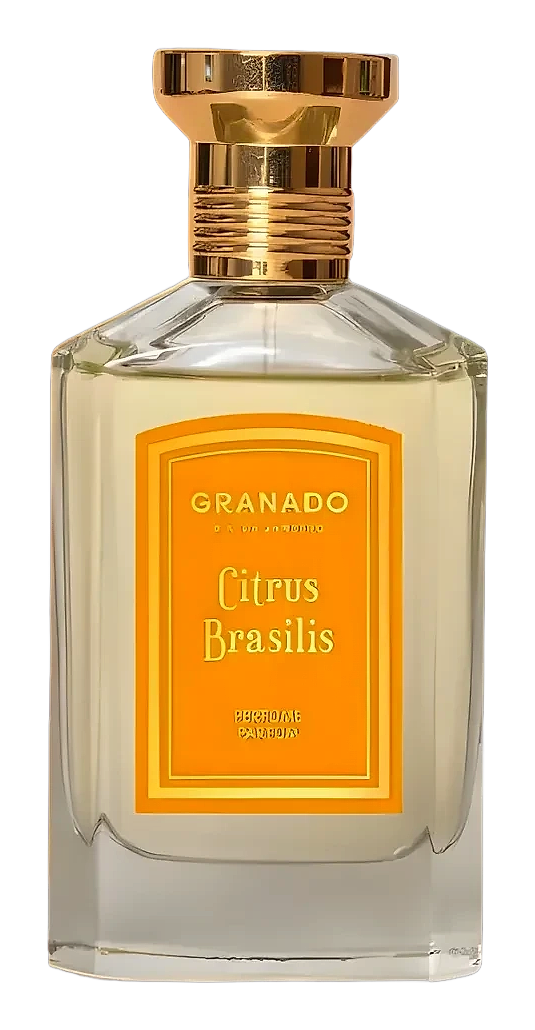
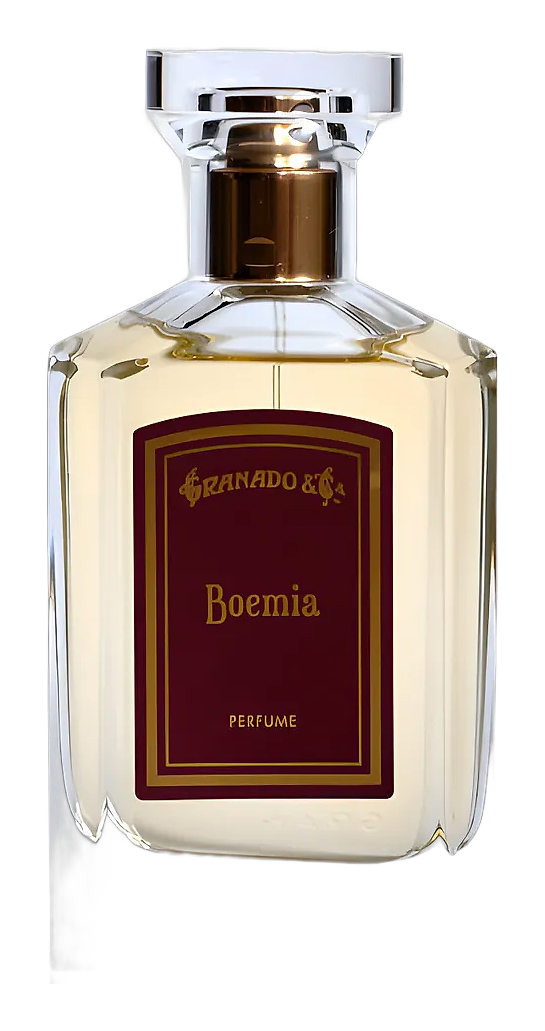
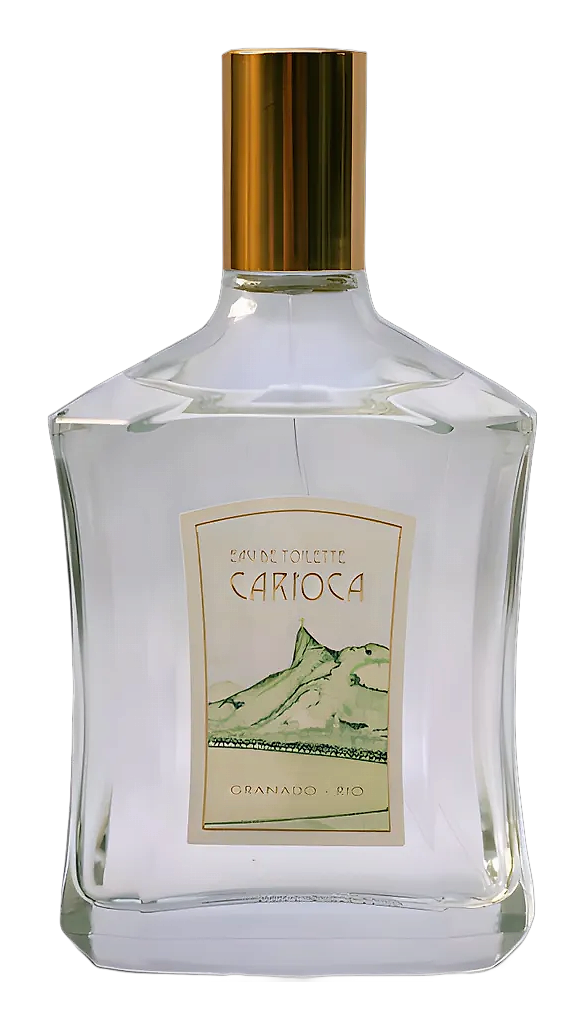
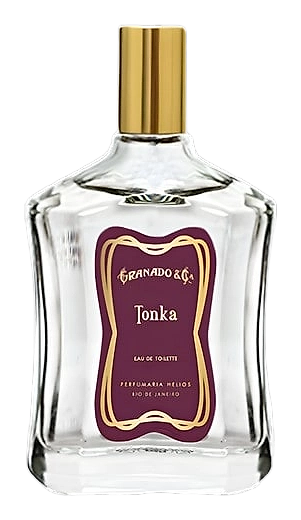
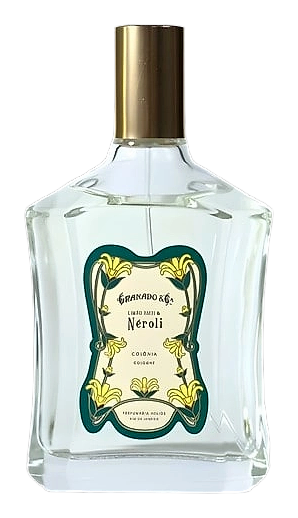
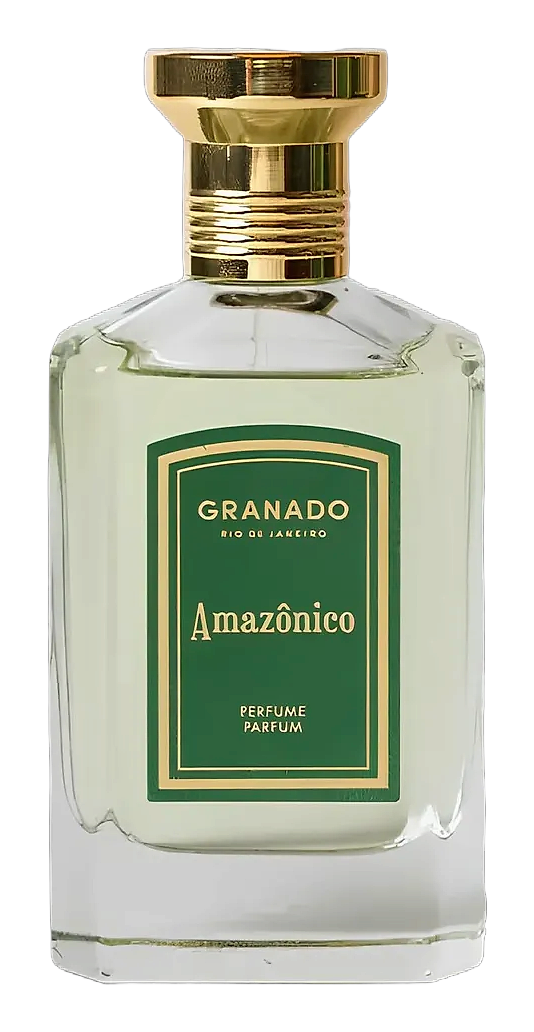
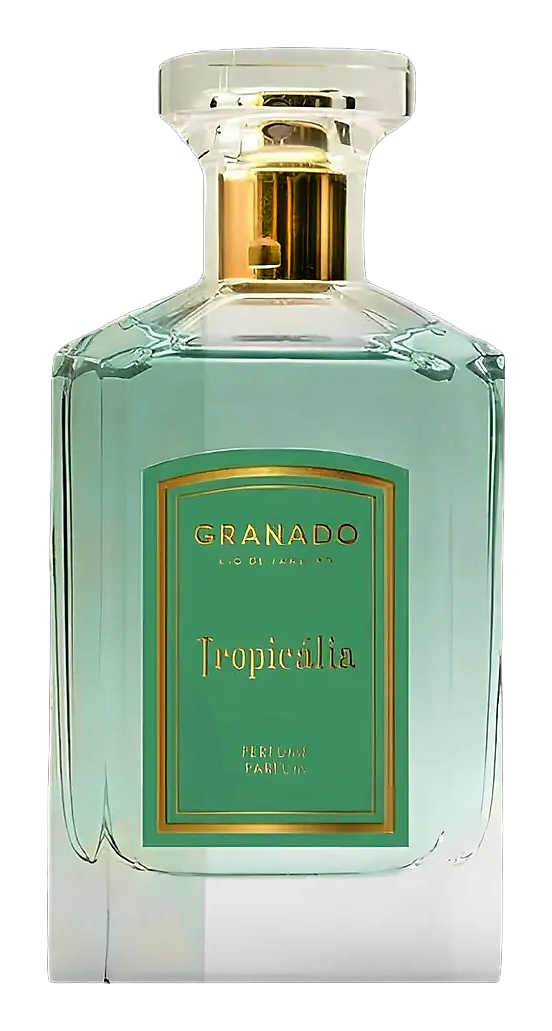
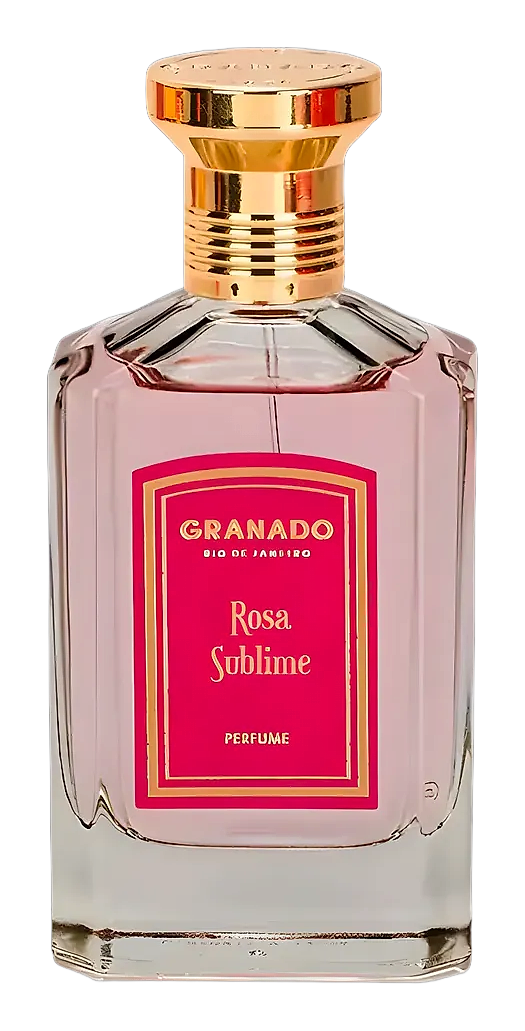
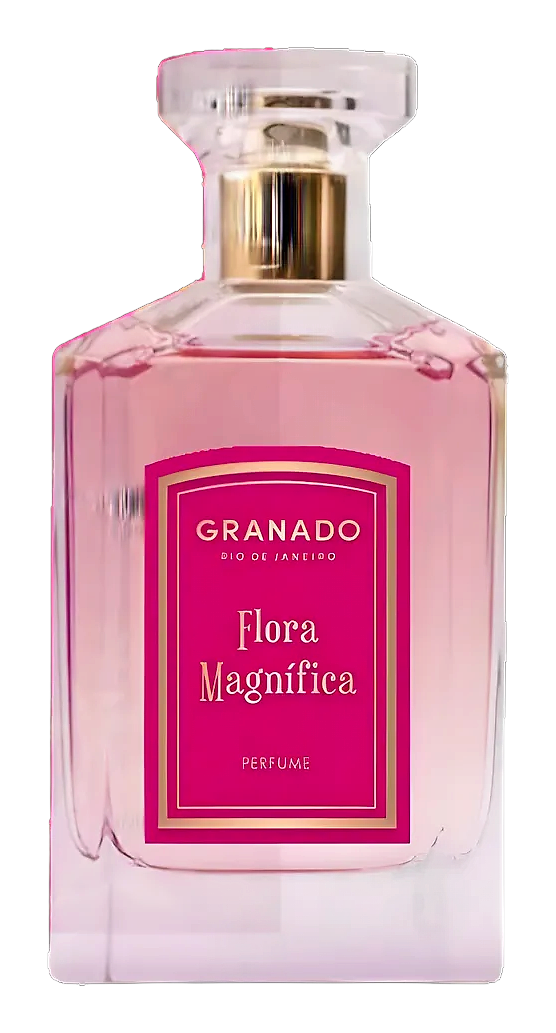
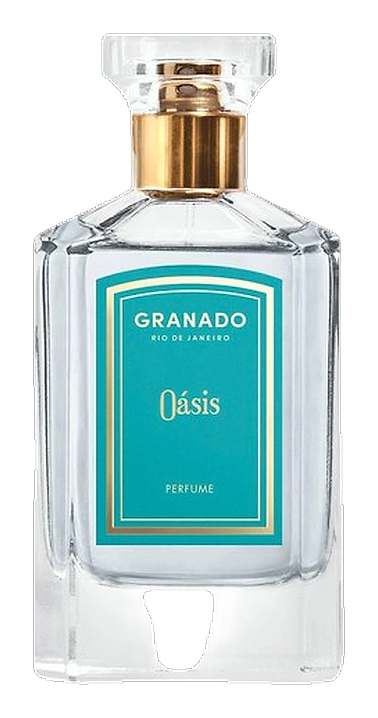
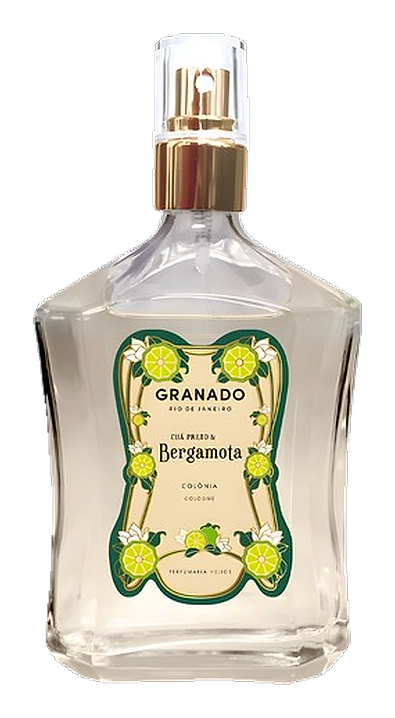
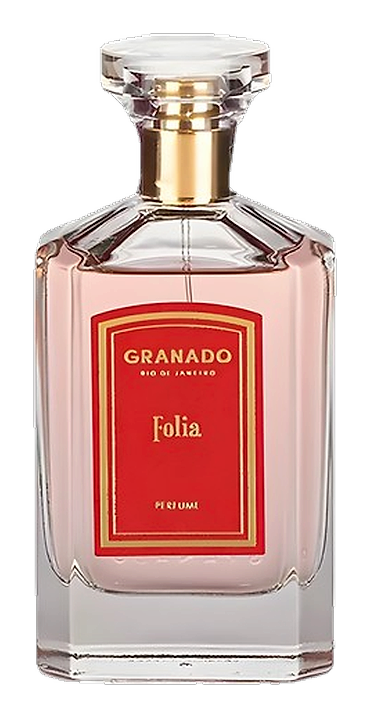
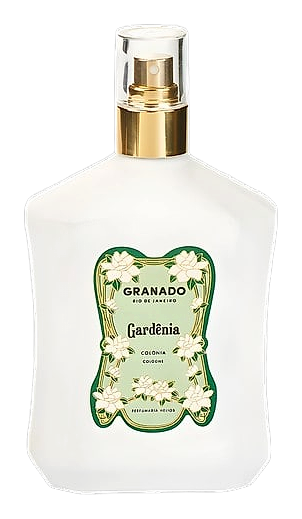
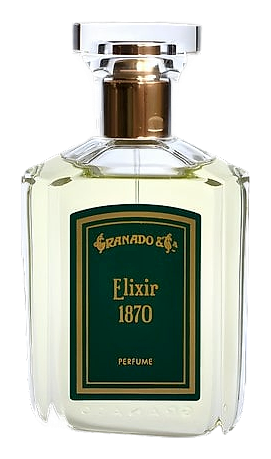
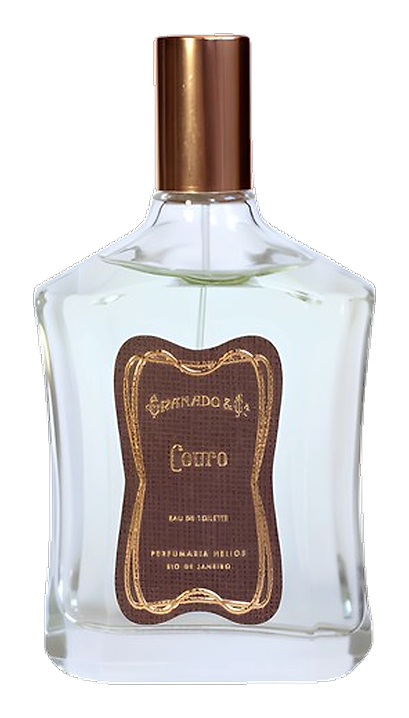
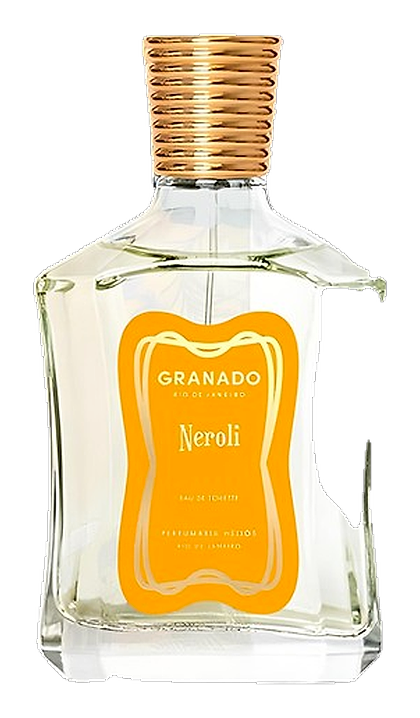
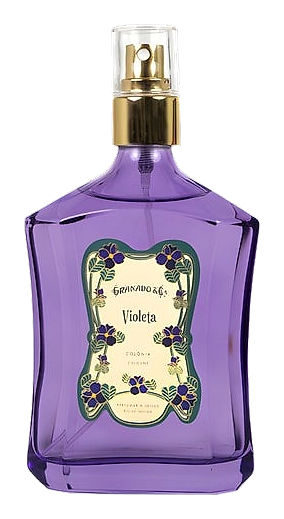
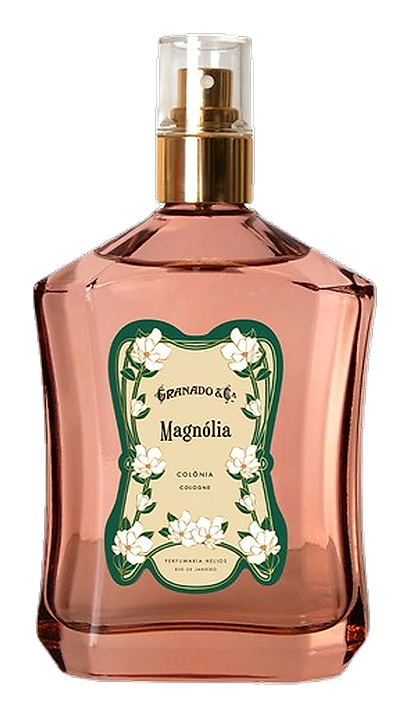
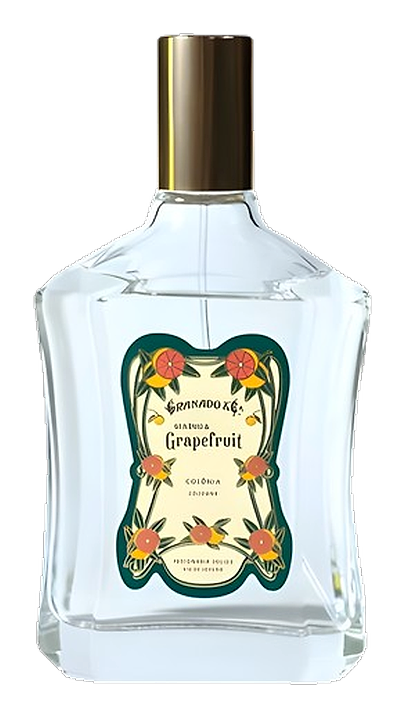
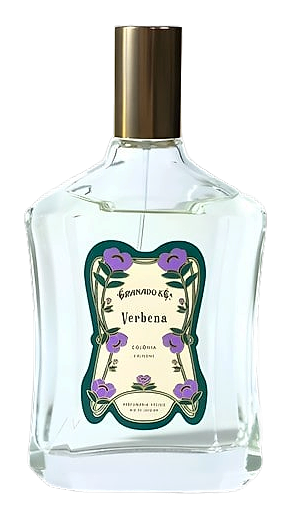
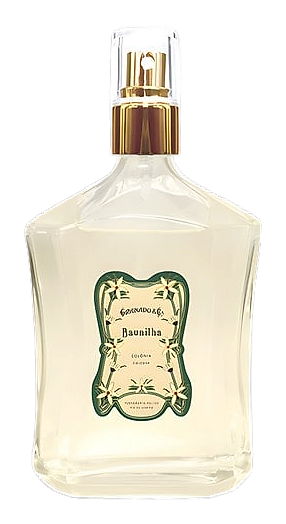
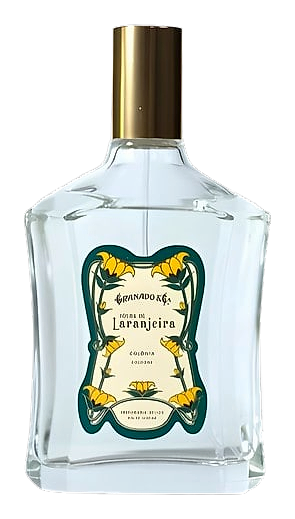
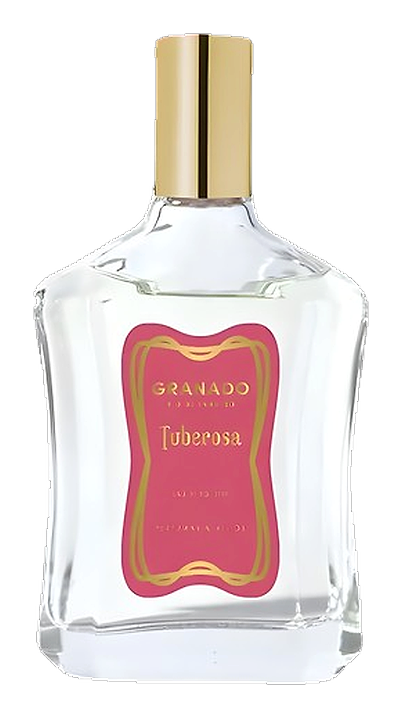
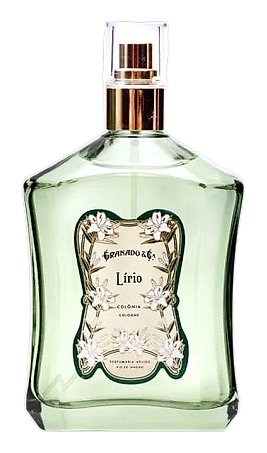
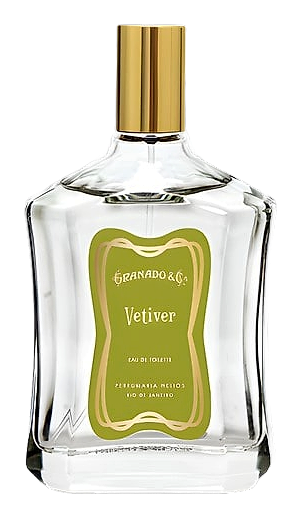
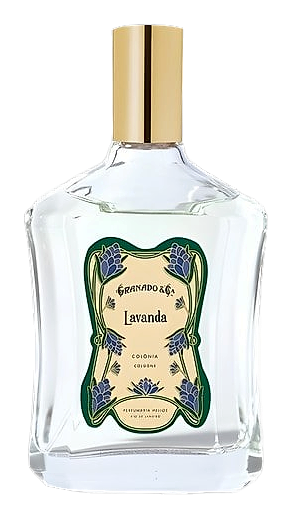
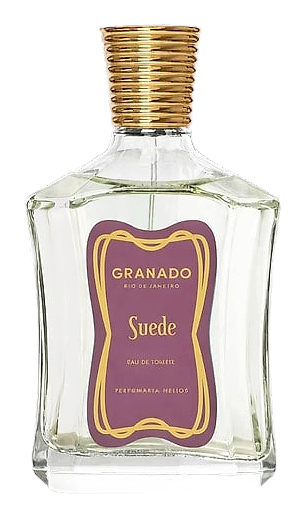
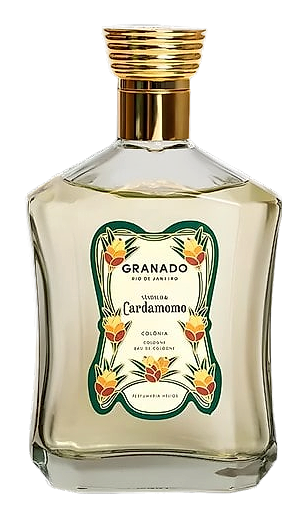
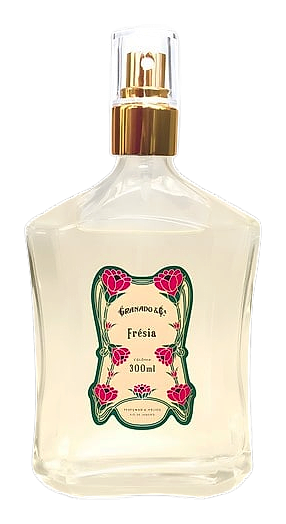
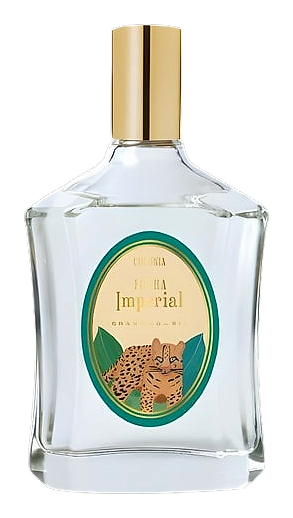
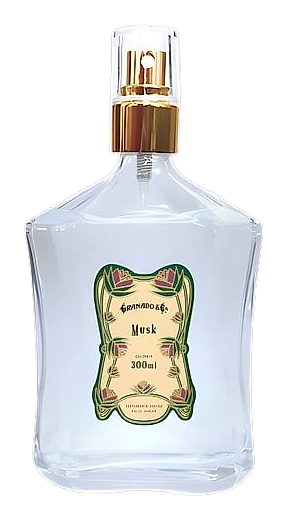
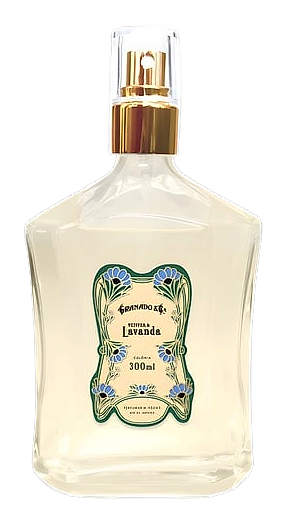
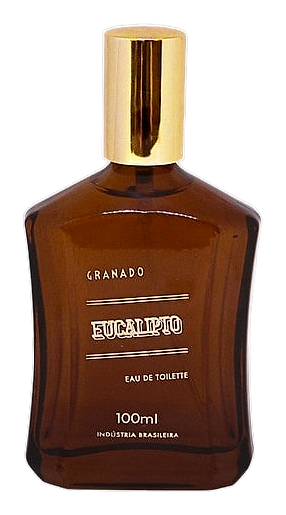
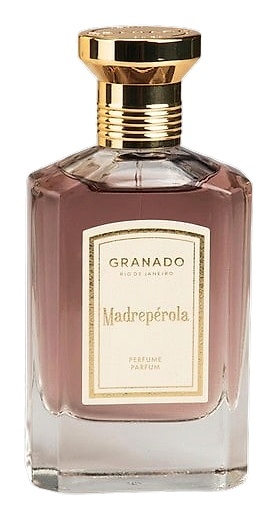
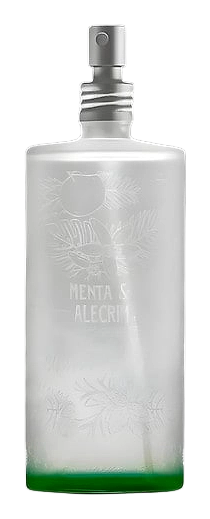
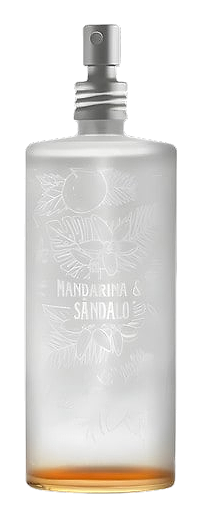
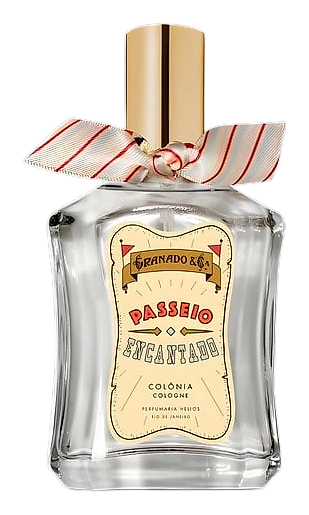
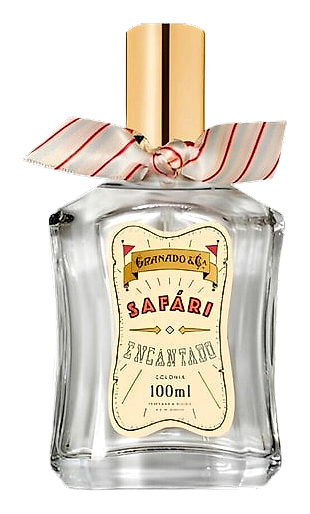
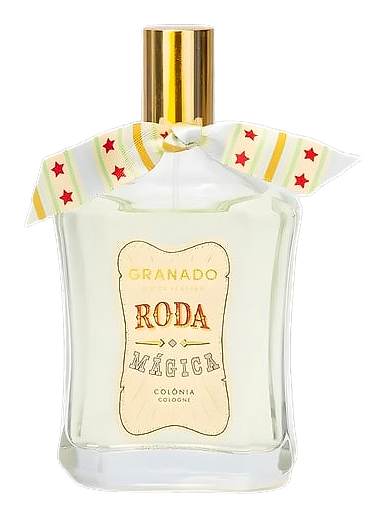
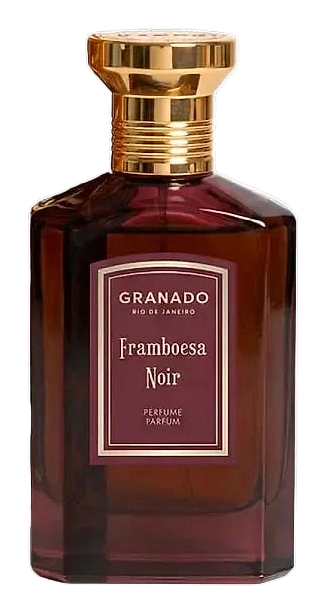
Visually, Granado balances vintage charm with modern restraint. The signature red label, introduced in the 1930s, remains unchanged, its serif typeface echoing the original pharmacy signage. Bottles retain a classic square silhouette, but recent releases incorporate matte black caps or brushed metal accents to signal a contemporary edge. The brand’s retail spaces echo a 19th‑century apothecary, with wooden counters, glass jars of raw herbs, and brass fixtures, creating an immersive narrative for visitors. Marketing imagery favors natural light and close‑up shots of ingredients, allowing the viewer to see the texture of a citrus peel or the grain of a wooden lid. This visual language reinforces the idea that each scent is rooted in a tangible, botanical reality rather than abstract fantasy.
Philosophy
Granado treats fragrance as an extension of its original pharmacy mission: to nurture the body and spirit through natural ingredients. The house believes that scent should be both functional and poetic, a principle that guides every brief. It sources botanicals from the family’s historic farm in Teresópolis, where rosemary, lavender and native citrus grow without synthetic pesticides. The brand values transparency, labeling each component and sharing the story of its origin on the bottle. Rather than chasing trends, Granado lets the character of each raw material dictate the composition, allowing the scent to evolve naturally in the wearer’s skin. Sustainability informs its decisions, from recyclable packaging to partnerships with local cooperatives that support fair wages. This approach creates a quiet confidence that the perfume does more than smell good; it connects the wearer to a lineage of Brazilian craftsmanship.
Key Milestones
1870
José Antonio Coxito Granado opens the first Granado pharmacy on Rua da Carioca, Rio de Janeiro.
1885
Granado receives official supplier status to the Brazilian imperial court, cementing its reputation for quality remedies.
1918
Launch of Bebê Tradicional soap, the first mass‑produced personal‑care product bearing the Granado name.
2005
Opening of the first Granado boutique in São Paulo, introducing a curated fragrance experience.
2018
Release of Fantástico Circo, marking the debut of Granado’s dedicated perfume collection.
2024
Launch of Fervo Intenso and Baunilha e Açafrão, showcasing the brand’s continued innovation with native ingredients.
At a Glance
Brand profile snapshot
Origin
Brazil
Founded
1870
Heritage
156
Years active
Collection
1
Fragrances released
Avg Rating
4.1
Community sentiment
Release Rhythm


