    Brand Profile

    Água de Cheiro emerged from São Paulo in the mid‑1970s, offering a fresh perspective on Brazilian scent culture. The house builds each fragr…More

    Brazil·Est. 1976·Site

    2

    Fragrances

    4.3

    Rating

    50
    Flagrant by Água de Cheiro
    Best Seller
    5.0

    Flagrant

    Attractive White Code by Água de Cheiro
    Best Seller
    5.0

    Attractive White Code

    Mirror Man by Água de Cheiro
    Best Seller
    4.7

    Mirror Man

    Colour You 2 by Água de Cheiro
    4.7

    Colour You 2

    Aragem by Água de Cheiro
    4.7

    Aragem

    Zott by Água de Cheiro
    4.6

    Zott

    Crazy Doçura de Mel by Água de Cheiro
    4.6

    Crazy Doçura de Mel

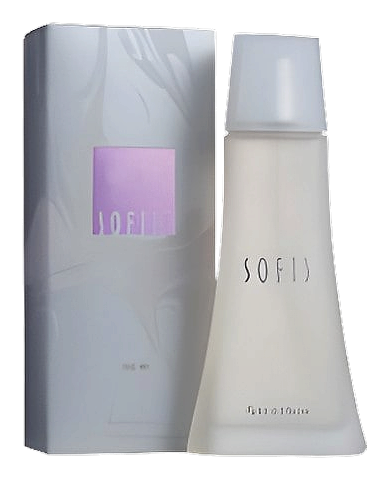
    Sofist by Água de Cheiro
    4.6

    Sofist

    Obelisk Nuit by Água de Cheiro
    4.6

    Obelisk Nuit

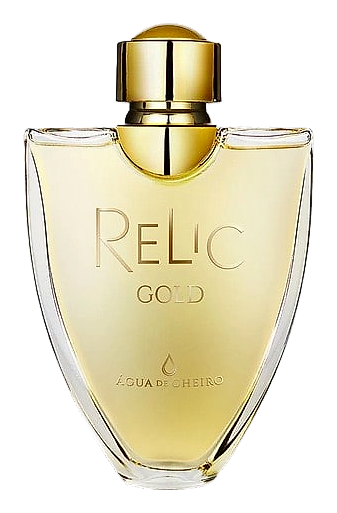
    Relic Gold by Água de Cheiro
    4.5

    Relic Gold

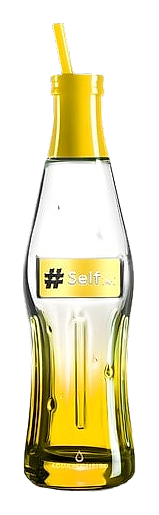
    #Self[ie] Yellow UZ by Água de Cheiro
    4.5

    #Self[ie] Yellow UZ

    Águas de Cheiro Compota de Alegria by Água de Cheiro
    4.5

    Águas de Cheiro Compota de Alegria

    1 of 5

    The Heritage

    The Story of Água de Cheiro

    Água de Cheiro emerged from São Paulo in the mid‑1970s, offering a fresh perspective on Brazilian scent culture. The house builds each fragrance around a clear narrative, inviting wearers to explore moments that feel both intimate and expansive. Its catalogue includes titles such as Attractive White Code (2020) and Mirror Man (2018), each crafted to resonate with contemporary lifestyles while honoring the country’s aromatic heritage. The brand positions itself as a bridge between traditional Brazilian ingredients and modern olfactory trends, delivering scents that feel familiar yet unmistakably new.

    Heritage

    The story of Água de Cheiro begins in 1976, when a group of São Paulo entrepreneurs recognized a gap in the local market for perfumes that reflected Brazil’s diverse flora without relying on imported formulas. Early reports credit José de Almeida, a former chemist, with shaping the house’s initial direction, though the exact founding team varies across interviews. By the late 1970s the brand secured a modest production facility in the industrial district of São Paulo, allowing it to experiment with native extracts such as Brazil nut, maracujá, and açaí. In 1984 Água de Cheiro launched its first nationally distributed fragrance, a citrus‑forward scent that quickly found placement in department stores across Rio de Janeiro and Brasília. The 1990s saw the house expand its distribution network to neighboring South American countries, leveraging partnerships with regional distributors while maintaining a locally sourced ingredient list. A notable milestone arrived in 2005 when the brand introduced a limited‑edition line celebrating Brazil’s centennial of aviation; the collection featured metallic accents on the bottles and incorporated notes of jet fuel‑inspired amber. The 2010s marked a period of artistic collaboration, with designers and visual artists contributing to packaging concepts for releases such as Colour You 2 (2012) and Relic Gold (2018). In 2021 the house released Crazy Doçura de Mel, a gourmand fragrance that highlighted sustainably harvested honey from the Amazon basin, underscoring a growing commitment to ethical sourcing. Throughout its four‑decade journey, Água de Cheiro has remained privately owned, avoiding the public‑company pressures that often push heritage houses toward mass‑market formulas. The brand’s longevity reflects a consistent focus on quality, regional identity, and a willingness to adapt without abandoning its Brazilian roots.

    Craftsmanship

    Production at Água de Cheiro begins with a field visit to verify the quality of raw materials. The house maintains relationships with small‑scale growers in Minas Gerais, Pará, and the Atlantic forest, where it sources essential oils such as Brazilian rosewood, copaiba, and maracujá. Once harvested, the botanicals travel to the São Paulo laboratory, where a team of chemists conducts gas‑chromatography analysis to confirm purity. The brand favors traditional extraction methods—steam distillation for delicate florals and cold‑press for citrus—while integrating modern techniques like supercritical CO₂ extraction for high‑value accords. Formulation takes place under the guidance of senior perfumers who blend ingredients in small batches, allowing for real‑time adjustments based on olfactory testing. After a fragrance reaches its final formula, it undergoes a stability test that simulates Brazil’s varied climate conditions, from humid coastal air to cooler highland temperatures. The finished perfume is then filtered through a stainless‑steel system to remove any particulate matter before being poured into glass bottles. Quality control includes a double‑blind panel review, ensuring that each batch matches the original scent profile. Packaging materials are sourced from recycled glass suppliers, and the brand has introduced a refill program in select Brazilian cities to reduce waste. Throughout the process, Água de Cheiro documents each step, creating a traceable record that satisfies both regulatory standards and the brand’s commitment to ethical production.

    Design Language

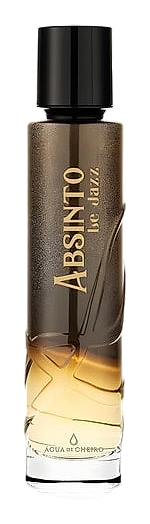
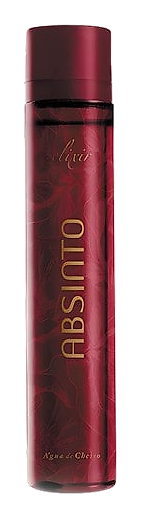
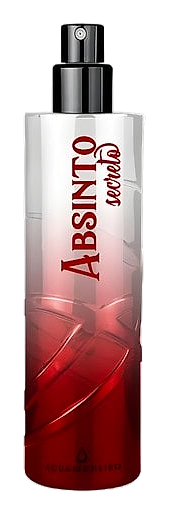
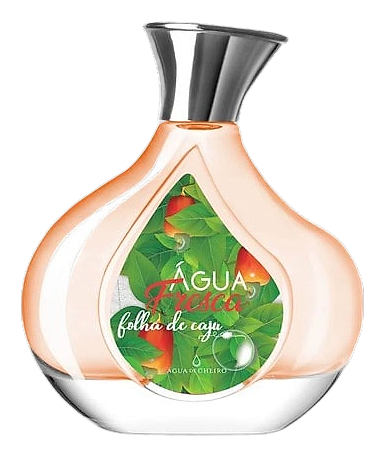
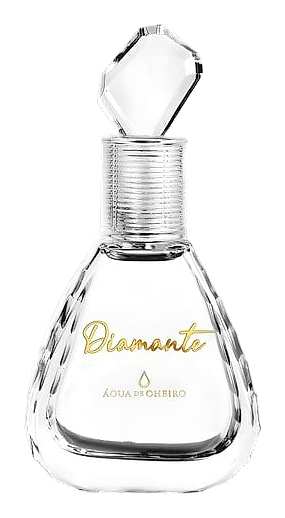
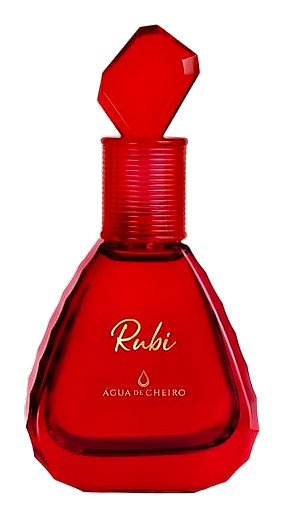
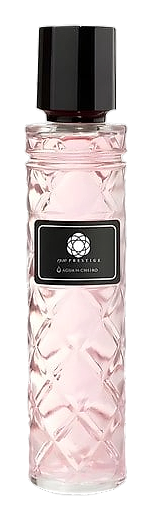
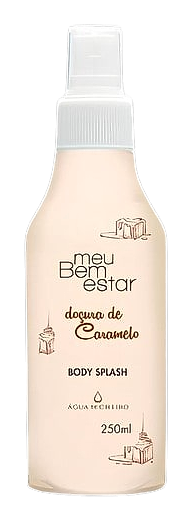
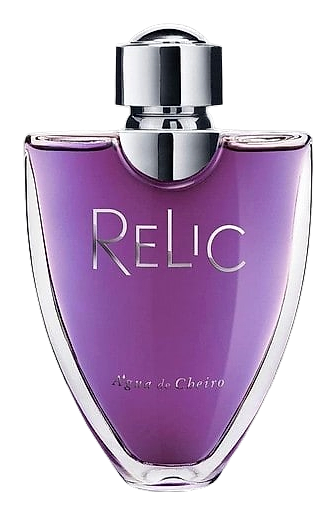
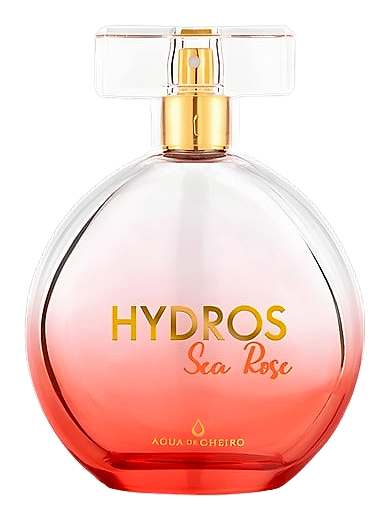
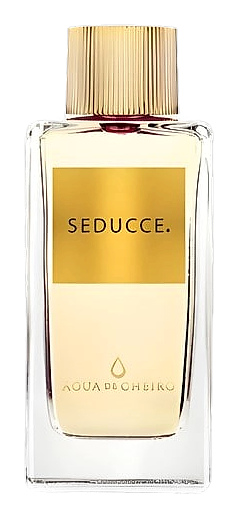
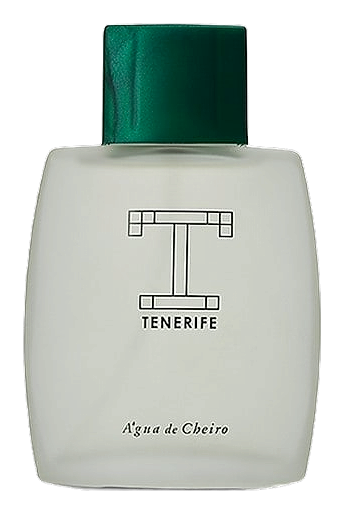
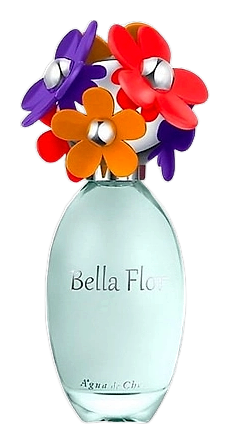
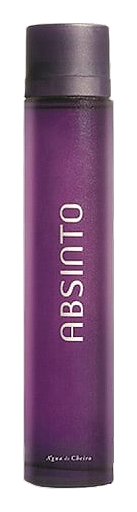
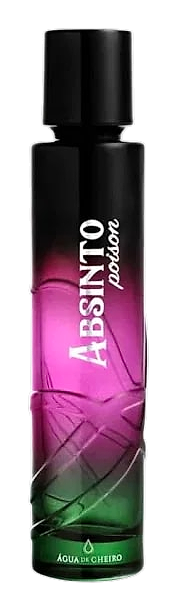
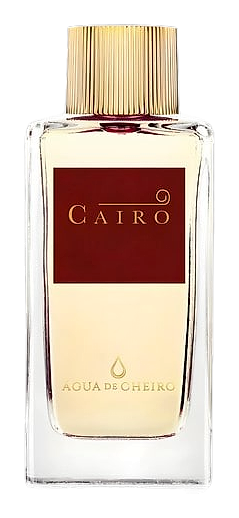
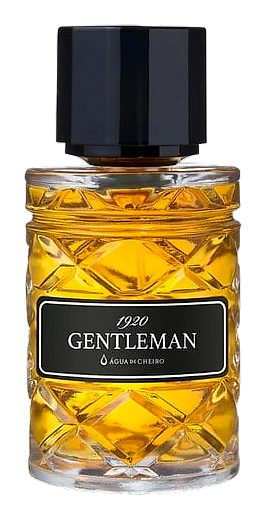
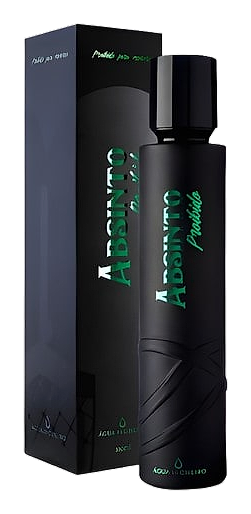
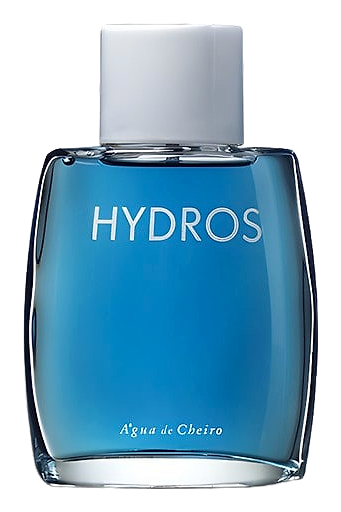
    The visual language of Água de Cheiro reflects its Brazilian origins without resorting to cliché tropes. Bottles feature simple, cylindrical shapes with a subtle curvature that evokes the silhouette of a river stone. The glass is often tinted in soft, earthy hues—sage, amber, or muted teal—mirroring the colors of the landscapes that inspire the scents. Labels use a clean sans‑serif typeface, with the brand name rendered in lowercase letters to convey approachability. Caps are crafted from brushed aluminum or sustainably sourced wood, providing a tactile contrast to the smooth glass. For limited‑edition releases, the house collaborates with local artists who contribute hand‑drawn patterns inspired by indigenous motifs; these designs appear as a thin foil overlay on the bottle surface. The overall packaging strategy avoids excessive ornamentation, allowing the fragrance itself to remain the focal point. In retail environments, Água de Cheiro displays its products on reclaimed wood shelves, accompanied by scent strips presented in recyclable paper. The brand’s marketing imagery frequently showcases natural Brazilian settings—rainforest canopies, coastal dunes, and urban street scenes—captured in soft, natural lighting that reinforces the connection between scent and place.

    Philosophy

    Água de Cheiro frames scent as a dialogue between place and personality. The house believes that a perfume should capture a specific feeling rather than a generic trend, prompting its creators to start each project with a story prompt—whether it is a sunrise over the Pantanal or the rhythm of a samba rehearsal. This narrative‑first approach guides ingredient selection, composition, and even marketing language. The brand values transparency, often disclosing the botanical origin of key notes and the farms where they are harvested. Sustainability occupies a central role; Água de Cheiro works with cooperatives in the Amazon to source honey, essential oils, and resins, ensuring that local communities receive fair compensation. The house also embraces a modest aesthetic, preferring clean lines and muted color palettes that let the fragrance speak for itself. Collaboration is encouraged, with perfumers, visual artists, and musicians invited to contribute ideas during the development phase. By treating each fragrance as a limited‑edition story, the brand aims to keep its catalogue fresh and avoid the stagnation that can accompany long‑running flagship scents.

    Key Milestones

    1976

    Água de Cheiro is founded in São Paulo, Brazil, aiming to create perfumes rooted in local botanical resources.

    1984

    First nationally distributed fragrance launches, gaining shelf space in major Brazilian department stores.

    2005

    Limited‑edition aviation‑themed collection released to celebrate Brazil’s centennial of flight, featuring metallic bottle accents.

    2012

    Colour You 2 debuts, marking a shift toward collaborative packaging with Brazilian visual artists.

    2018

    Mirror Man and Relic Gold enter the catalogue, expanding the brand’s modern, gender‑fluid offerings.

    2021

    Crazy Doçura de Mel launches, highlighting sustainably harvested Amazon honey and reinforcing ethical sourcing commitments.

    At a Glance

    Brand profile snapshot

    Origin

    Brazil

    Founded

    1976

    Heritage

    50

    Years active

    Collection

    2

    Fragrances released

    Avg Rating

    4.3

    Community sentiment

    Release Rhythm

    2023
    5
    2022
    3
    2021
    5
    2020
    7
    2019
    2
    2018
    8
    2017
    1
    2014
    1
    aguadecheiro.com

    Did You Know?

    Interesting Facts

    Distinctive details and defining moments that shape the house personality.

    01

    The brand’s name, Água de Cheiro, translates to “water of scent,” a phrase coined by its founders to emphasize the fluid nature of fragrance.

    02

    Água de Cheiro sources a portion of its rosewood oil from a cooperative that practices agroforestry, helping preserve endangered tree species.

    03

    In 2020 the house introduced a refill program in São Paulo, allowing customers to return empty bottles for a discounted refill, reducing glass waste by an estimated 15 percent.

    04

    Several of the brand’s fragrances, including Attractive White Code, have been featured in Brazilian film soundtracks, linking scent to popular culture.