Edison Fujita
Edison Fujita emerged from an unconventional path into perfumery, one shaped by science before it was softened by artistry. He began his career in 1998 with a mass spectrometry internship at Kao Corporation in Japan, an experience that gave him a rigorous understanding of molecular behavior that few perfumers acquire so early. The technical precision he developed there became the foundation for everything that followed. He deepened his training at the Grasse Institute of Perfumery in 2006, immersing himself in the traditions of French perfumery while carrying the analytical discipline of his scientific background. Today, Fujita works as a master perfumer at Vollmens Fragrances in Brazil, where his work has garnered regional recognition. A creation from his lab reached the finals of the Prêmio ABIHPEC Beleza Brasil, placing him among the notable voices in Brazilian fragrance development. His trajectory reflects someone who treats scent as both craft and chemistry, never fully separating the two.
The hits
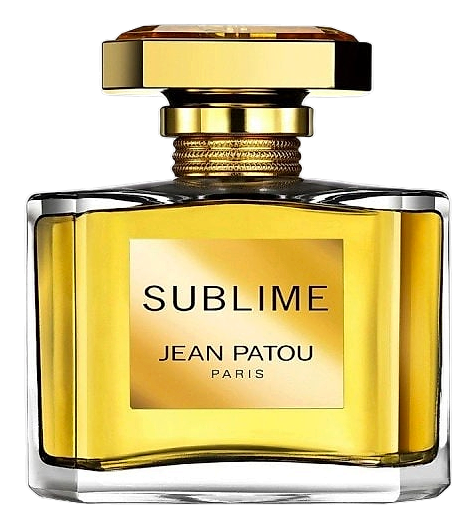
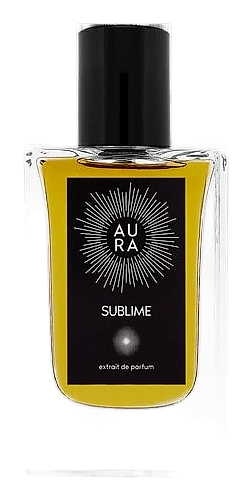
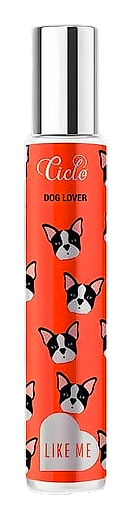
Notable creations









The signature
How Edison composes
His stylistic signature leans toward refined woods and clean aromatics, with an apparent comfort using transparent materials that reveal complexity without announcing it. Fujita seems to favor drydowns that reward attention, compositions where the base evolves meaningfully hours after application. He appears drawn to aldehydic brightness in some works and to deeper, resinous warmth in others, suggesting a versatile hand rather than a one-note aesthetic. His recent work with the Touti brand showed a modern sensibility, suggesting he can adapt classical structures to contemporary preferences without losing depth.
Philosophy
What drives Edison
Fujita approaches fragrance as a conversation between precision and feeling. He doesn't believe in separating the technical from the emotional; for him, understanding how a molecule behaves is inseparable from understanding how it moves a person. His work tends toward compositions that reveal themselves slowly, allowing wearers to discover layers rather than be overwhelmed by a first impression. He seems drawn to the space where Western structure meets Eastern restraint, informed by his early years in Japanese scientific environments and his subsequent immersion in French perfumery traditions. There is patience in his work, a willingness to let materials speak in their own time.
The houses
Maisons Edison composes for
In the same league