Juliana Tolotti
Juliana Tolotti spent years building a foundation that separates her from perfumers who arrived through instinct alone. She earned a chemistry degree from ISCA Faculdades, sharpened her business acumen with an MBA from USP, then specialized in perfumery at ISIPCA in France. This path gave her something rare: a scientific vocabulary for creative decisions. For 18 years, she has applied that training at Vollmens Fragrances, developing scents that reflect her belief that great fragrance lives at the intersection of creativity and chemistry. Her work with Delikad, a niche house that launched in 2017, shows she can operate in more experimental territory without abandoning structural discipline. She has appeared at industry events and industry discussions, contributing to conversations about where Brazilian perfumery stands and where it needs to go. Her trajectory illustrates a quiet but significant shift: Brazilian perfumers building international-quality work from within the country rather than training abroad and staying there.
The hits
Notable creations


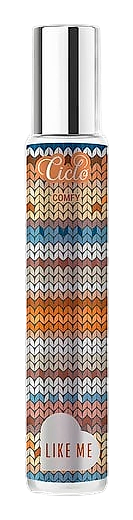
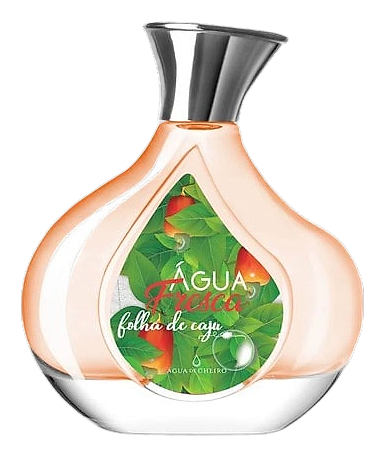
The signature
How Juliana composes
With 18 years of practice, Juliana has developed a style that resists easy categorization. Her work with Delikad suggests comfort with niche territory, where longer development cycles allow for more complex construction. At Vollmens, she works across a broader range of contexts, which implies adaptability. The absence of readily documented commercial successes does not suggest limitation; rather, it points to a perfumer focused on craft over marketing. Her chemical training likely informs precise usage of materials, and her international credentials suggest exposure to classical French perfumery techniques alongside contemporary trends. She appears to operate in the space between technical excellence and emotional resonance.
Philosophy
What drives Juliana
Juliana speaks about her work in terms of balance. She values the creative spark that makes a fragrance memorable, but she trusts the science to execute it properly. Her training gave her a structured framework for understanding how materials behave, and she uses that knowledge to expand rather than limit her choices. She appears drawn to the emotional dimension of scent, describing her aim as creating experiences rather than just delivering pleasant smells. This perspective shows influence from both her academic background and her exposure to European perfumery traditions through ISIPCA. She seems to approach each brief as a problem-solving exercise that happens to require artistic judgment.
The houses
Maisons Juliana composes for
In the same league