
The Story
Why it exists.
The beginning
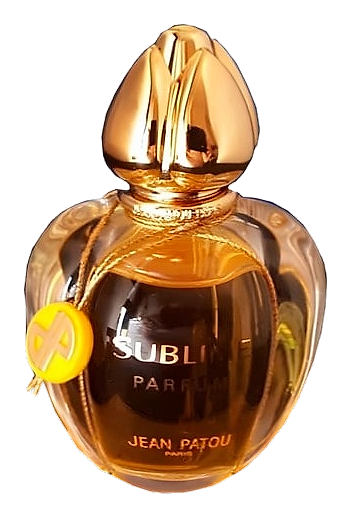
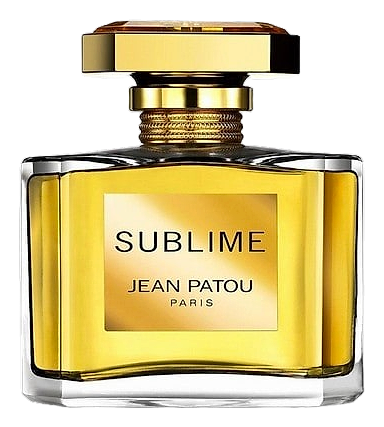
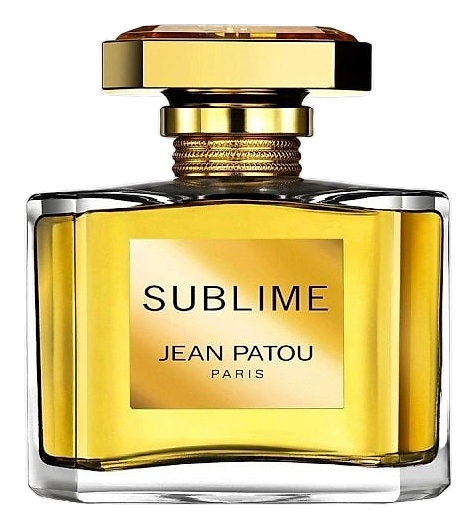
Sublime arrived in 2022, when perfumer Edison Fujita was tasked with creating something that felt both effortless and lasting. The brief was simple on paper: a fragrance for women who move through their day with intention, who dress for themselves, who don't need the room to notice. The name said everything. Sublime isn't a scent that tries hard, it arrives and stays because it knows it's worth staying for. Fujita worked with Bulgarian rose as the emotional anchor, surrounded it with warmth, and let the structure do the rest. What emerged is an oriental-floral that reads as effortless but rewards attention.
The structure is unusual for a brand built on transparency and aquatic freshness. Instead of wave-like lightness, Fujita built vertically: a fruity chorus that opens like a curtain, a floral heart that lingers through the middle act, and a base of amber and sandalwood that holds everything together. The result is a fragrance that feels like warmth captured, not warmth announced. It's the difference between a perfume that wants to be noticed and one that simply is.
The evolution
The opening arrives quickly, litchi, plum, raspberry in quick succession, sweet without being childish. Ten minutes in, the rose takes over, and the fruit fades like a background conversation. By the second hour, vanilla emerges, blending with the rose into something warmer and more personal. The drydown is where this fragrance earns its name: amber, musk, and sandalwood settle close to the skin, projecting modestly but lasting through dinner and beyond. On fabric, it survives the wash.
Cultural impact
Sublime arrived in 1990, a period when maximalism dominated fashion and fragrance. Jean Patou's house, known for sporty chic and crisp elegance, used Sublime to challenge that excess. Where contemporaries shouted, Sublime whispered. The parfum solide format (solid perfume) was itself unusual for a prestige house, suggesting intimacy over projection. This was luxury as a private ritual rather than a social statement. The fragrance emerged from an era transitioning between bold 80s power aesthetics and the quieter 90s minimalism, positioning itself as neither. Green notes and citrus gave it modernity, while the Bulgarian rose and vanilla anchored it in classical perfumery's romantic tradition.
The House
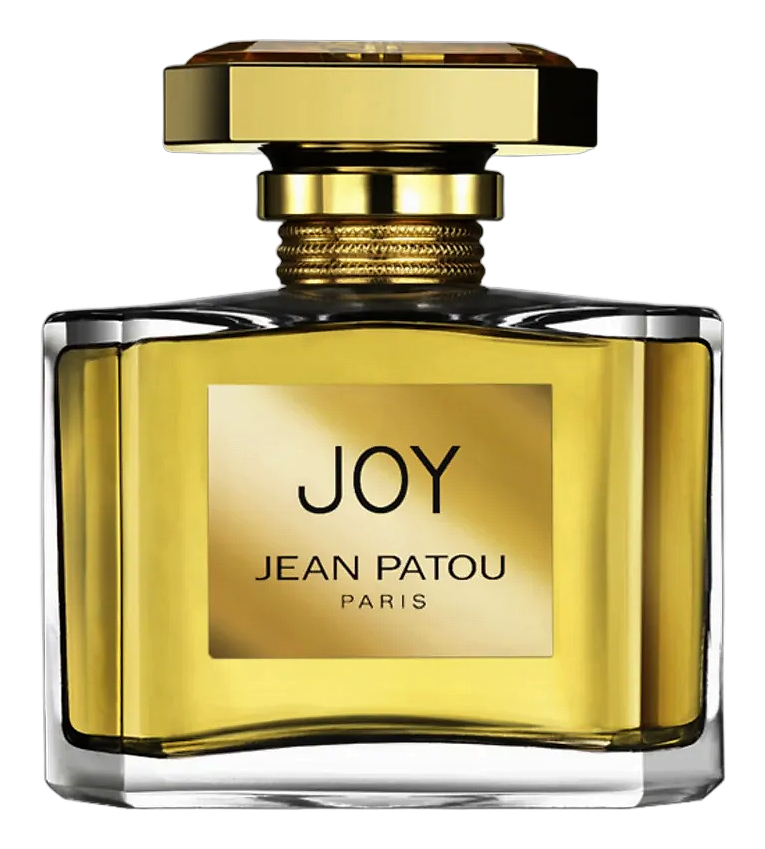
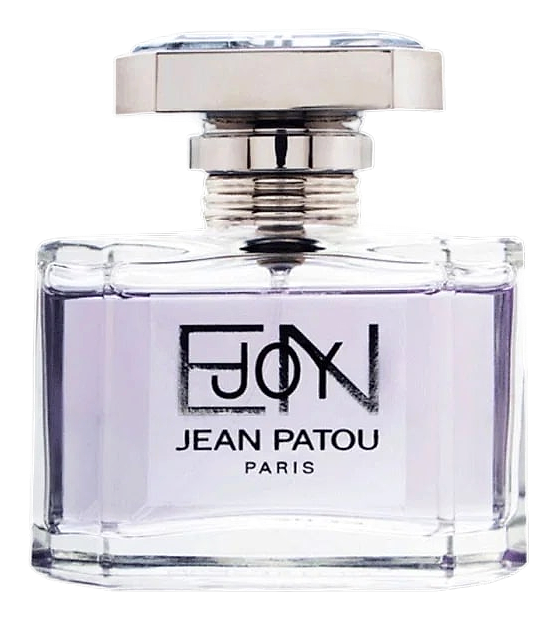
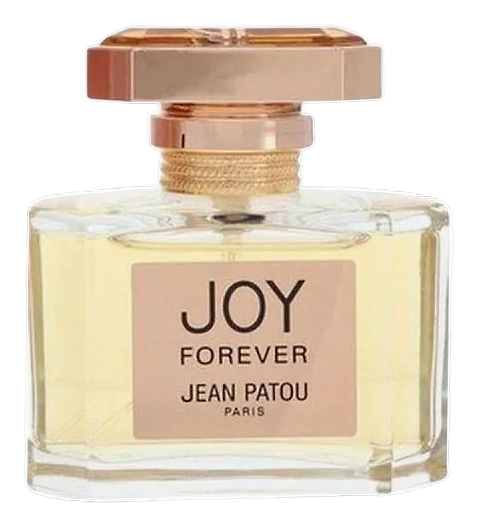
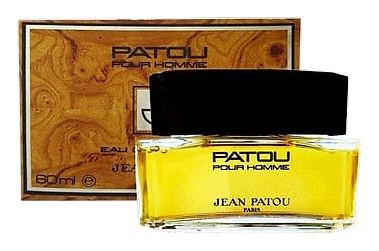
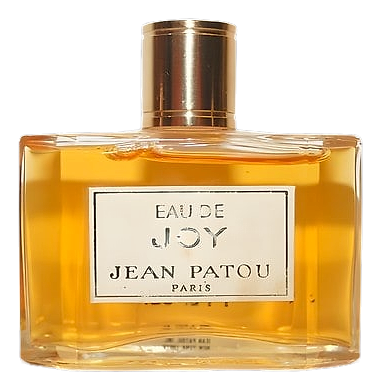
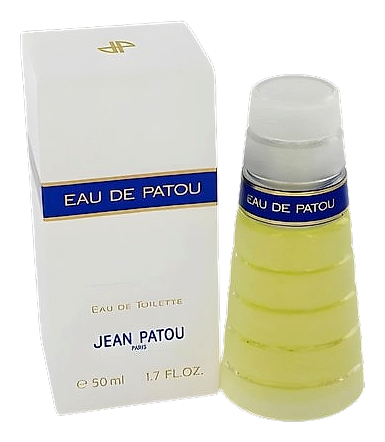
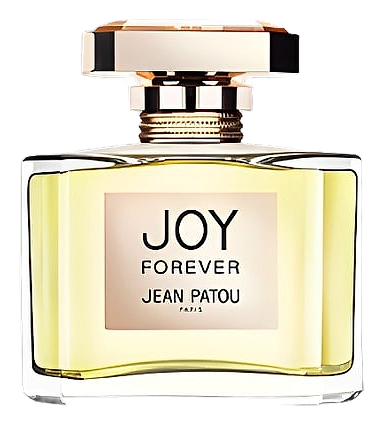
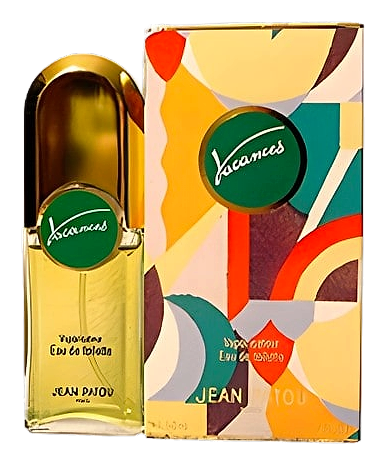
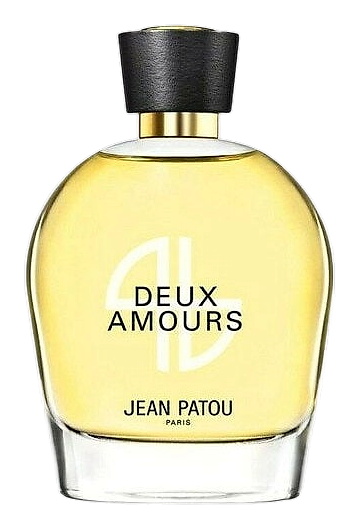
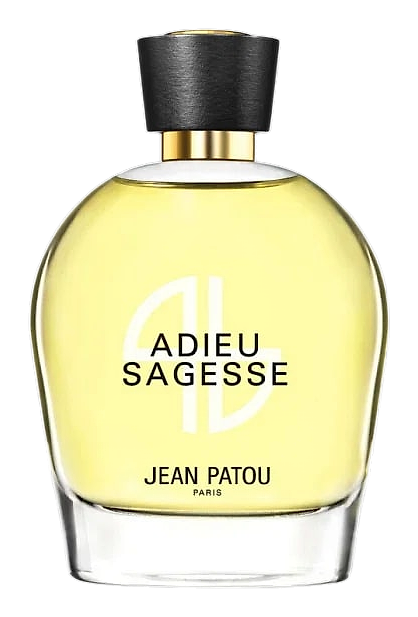
Jean PatouJean Patou was a French couturier who built a perfume house from his couture practice in Paris. Born in Normandy in 1887, he worked in his family's tannery business before establishing his fashion house in Paris in 1914. His approach centered on sporty, modern elegance, and he was among the first to introduce suntan preparations when he recognized his clients' newfound enthusiasm for sun and active summer leisure. His perfume collection launched in 1925 with three fragrances created by perfumer Henri Alméricas. The house produced signature scents across decades, from the jasmine-rich Joy (1932) to the sporty Lacoste (1967) and the effervescent Eau de Patou (1976). In 2019, LVMH acquired the house, and production of Patou fragrances was discontinued, leaving collectors and fragrance enthusiasts seeking remaining bottles.
The Creator
Edison FujitaHis stylistic signature leans toward refined woods and clean aromatics, with an apparent comfort using transparent materials that reveal complexity without announcing it. Fujita seems to favor drydowns that reward attention, compositions where the base evolves meaningfully hou…