The Story
Why it exists.
The beginning
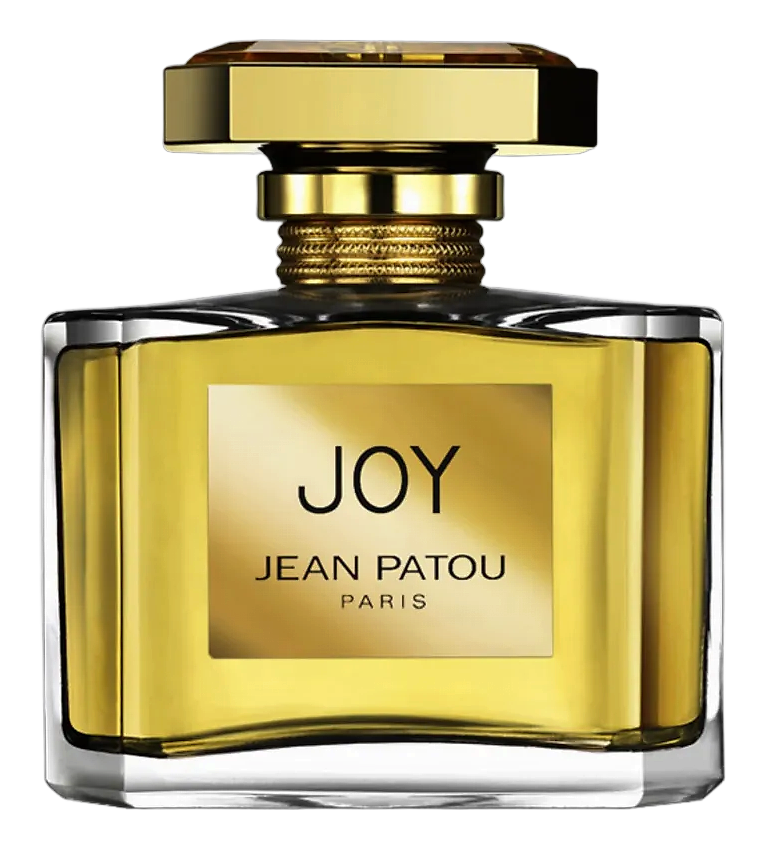
Joy arrived in 1930, when the luxury market had collapsed and Jean Patou's couture house needed a lifeline. The Great Depression had gutted fashion. Patou turned to perfumer Henri Almeras and asked for something extraordinary, the most opulent floral composition possible, made with rare flowers at extraordinary concentration. It was a gamble: spend lavishly on raw materials during an economic crisis, or risk losing everything. Patou chose lavish. The result was named with quiet confidence: Joy.
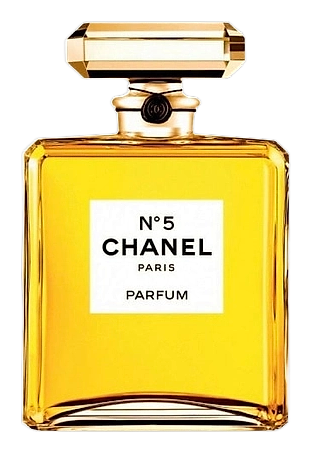
The mathematics alone justify the reputation. Ten thousand jasmine flowers and twenty-eight dozen roses go into a single ounce of the Parfum Luxe concentration, roughly the same floral weight as a Chanel No. 5, but weighted differently, with more rose, more animal warmth from the civet, more of the creamy sandalwood that holds everything together. The result is a fragrance that smells expensive in a specific, old-money way, not sleek, not modern, but dense and generous, the olfactory equivalent of heavy silk.
The evolution
The opening hits like warm air through a greenhouse door. Bulgarian rose leads, not the polite kind, but the saturated, slightly animal variety that smells like the flower itself rather than a concept of it. Tuberose follows, creamy and insistent, with ylang-ylang adding a tropical weight that keeps the whole thing from reading as delicate. The heart is where jasmine takes over, pushing the rose into a supporting role while the composition deepens into something almost indolic, almost dirty, but never quite crosses into the realm of raunchy. By hour three, the civet surfaces, a thin thread of animal warmth threaded through the sandalwood base. It stays close to the skin, intimate rather than projecting, the kind of drydown that someone leaning in will discover rather than one that announces itself across a room. Lasts eight to ten hours on most skin types.
Cultural impact
Joy is the second best-selling perfume of all time, trailing only Chanel No. 5. Its cultural position is unusual: a fragrance associated with old-money glamour that achieved mass appeal, worn by women who wanted to smell like the most expensive version of themselves. Its 1930 launch during the Great Depression gave it a particular resonance, a gesture of defiant luxury when luxury itself seemed obscene. The formula has remained largely unchanged, making it one of the few pre-war fragrances that still smells like its original intention. Wearers describe it as the scent of someone who walks into a room and doesn't need to announce themselves.