The Story
Why it exists.
The beginning
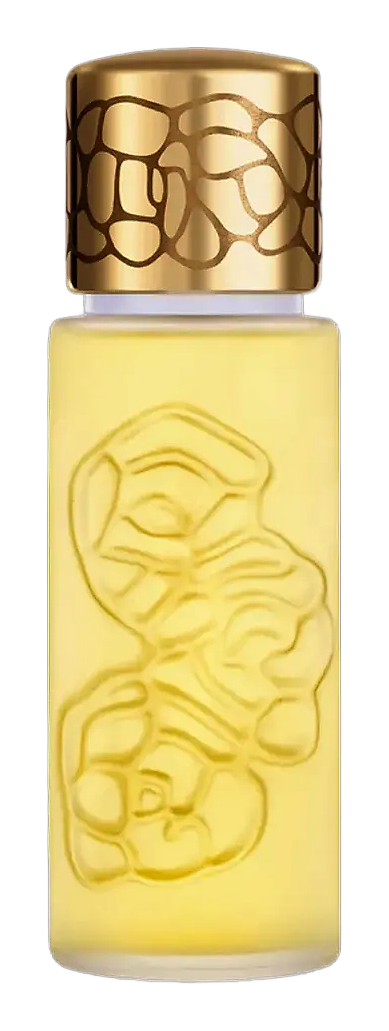
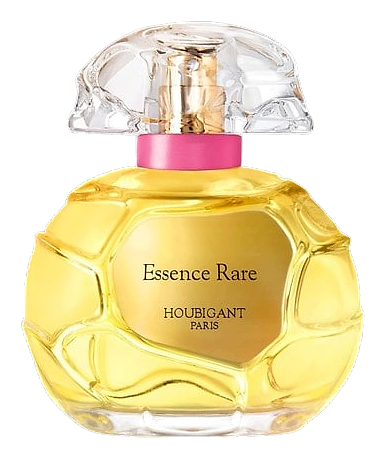
Paul Schving built Essence Rare in 1928. What emerged was a powdery-floral with a chypre backbone, the kind of structure that ages like a good idea rather than a trend. The iris note lends a cool, violet-scented elegance while the rose contributes a soft, romantic warmth that never tips into sentimentality. Together they create a tension that keeps the fragrance compelling across decades. Houbigant had been dressing courts and aristocrats for over a century by then; this was the house adding another chapter to a catalogue that never needed to shout.
The combination of iris and civet is the pivot point. Iris brings the powder, that soft, slightly starchy quality you find in high-end cosmetics. Civet brings the animal, not aggressive, but present. Together they create a tension most florals sidestep: beautiful, but with something underneath that's not quite tame. The oakmoss anchors it to the earth, and the tonka bean sweetens just enough to keep the whole thing from becoming austere.
The evolution
The rose arrives not as a solo but as part of a conversation with geranium. The geranium adds a green, slightly bitter edge that keeps the rose from becoming sentimental. Civet and musk become the story as the base develops. Oakmoss and vetiver give it weight, creating a foundation that feels both animalic and grounded. On fabric, one reviewer reported a full month of presence. The drydown smells like the memory of flowers, not flowers themselves.
Cultural impact
Essence Rare sits in a specific corner of the fragrance world: vintage French florals with chypre structure. It's not a mainstream release, the 1928 formula was discontinued at some point, making the original a collector's item. The Houbigant archive includes this alongside Fougère Royale and Le Parfum Idéal, a catalogue that spans from the 19th century to today. What keeps Essence Rare relevant is its commitment to classic French perfumery, the kind of structure and restraint that feels increasingly rare in contemporary releases.